



Polycarboxylate Ether (PCE Flake)
High-Performance PCE Flake for Concrete Admixture Formulation
Polyvia™ PCE Flake is a concentrated polycarboxylate ether (PCE) supplied in flake form for the formulation of high-performance concrete admixtures.
Designed for admixture manufacturers and concrete producers, Polyvia™ PCE Flake provides an efficient solid-form route for preparing PCE-based water-reducing and workability-control admixtures. Its flake structure offers convenient handling, reduced dust compared with fine powders, and controlled dissolution during solution preparation.
The Polyvia™ PCE Flake series includes PCE F880 and PCE F890, developed for different concrete admixture formulation requirements.
It is suitable for applications including ready-mix concrete, precast concrete, prestressed concrete, PHC spun piles, high-strength concrete, self-compacting concrete (SCC), and other cementitious systems.
Product Highlights
- Polycarboxylate Ether-based superplasticizer
- Supplied in concentrated flake form
- Designed for manufacturing PCE-based liquid concrete admixtures
- High-efficiency cement particle dispersion
- Water-reducing performance for lower water demand
- Supports concrete workability and flowability
- Grade options for different formulation requirements
- Lower dust generation than fine PCE powder during handling
- Suitable for large-scale admixture production
- Applicable to ready-mix, precast and prestressed concrete systems
- Suitable for formulation optimization according to local cement and aggregate conditions
PCE Flake Grades
Polyvia™ offers two PCE Flake grades to support different concrete admixture formulation strategies.
| Grade | Product Type | Primary Formulation Focus | Typical Applications |
| PCE F880 | Polycarboxylate Ether Flake | High-efficiency water reduction and cement dispersion | Ready-Mix Concrete, Precast Concrete, PHC Spun Piles, High-Strength Concrete |
| PCE F890 | Polycarboxylate Ether Flake | Workability and formulation balance | Ready-Mix Concrete, Precast Concrete, SCC, High-Performance Concrete |
Grade selection should be confirmed through laboratory trials using the customer’s actual cement, aggregates, mineral admixtures, water quality and target concrete performance.
The performance of a PCE polymer is highly dependent on cement chemistry, mineral composition, dosage, mixing sequence, temperature and other admixture components. Therefore, a grade that performs well in one concrete system may require adjustment in another.
Technical Data
Polyvia™ PCE F880 / F890
| Property | PCE F880 | PCE F890 |
| Product Name | Polycarboxylate Ether (PCE) Flake | Polycarboxylate Ether (PCE) Flake |
| Appearance | Flake solid | Flake solid |
| Polymer Type | Polycarboxylate Ether | Polycarboxylate Ether |
| Form | Flake | Flake |
| Water Solubility | Soluble in water | Soluble in water |
| Active Content | [TDS Value] | [TDS Value] |
| Moisture Content | [TDS Value] | [TDS Value] |
| Chloride Content | [TDS Value] | [TDS Value] |
| pH Value | [TDS Value] | [TDS Value] |
| Bulk Density | [TDS Value] | [TDS Value] |
| Recommended Dosage | Determined by formulation trials | Determined by formulation trials |
Note: Technical values should be based on the current Polyvia™ Certificate of Analysis (COA) and Technical Data Sheet (TDS). Actual concrete performance depends on the formulation and raw materials used.
How Does PCE Flake Work?
PCE is a comb-shaped polymer consisting of a polymer backbone and side chains. When properly formulated into a concrete admixture and introduced into a cementitious system, the polymer adsorbs onto cement particles and promotes particle dispersion.
This dispersion reduces the tendency of cement particles to form agglomerates, allowing the available mixing water to be used more efficiently.
The result can include:
Better cement dispersion → Lower water demand → Improved flowability → Higher potential strength → More efficient concrete formulation
The actual balance between water reduction, slump retention, setting behavior and strength development depends on the PCE molecular structure and the characteristics of the cementitious system.
Why Choose PCE Flake?
1. Concentrated Solid Form
PCE Flake provides a concentrated solid form of polycarboxylate ether, making it suitable for manufacturers who formulate their own PCE-based liquid admixtures.
Compared with transporting large volumes of water-containing liquid PCE, a solid raw material can simplify certain logistics and storage requirements.
2. Controlled Dissolution
The flake form provides a larger particle size than fine PCE powders, allowing controlled dissolution during preparation of the liquid admixture.
This can be advantageous where controlled feeding, handling and dissolution are important to the formulation process.
3. Reduced Dust During Handling
Compared with very fine powder materials, flake products generally generate less airborne dust during normal handling.
This can improve material handling conditions in production environments.
4. Efficient Cement Dispersion
PCE technology works primarily through the dispersion of cement particles.
Effective dispersion can improve concrete flowability while helping formulators reduce the amount of mixing water required to achieve a target workability.
5. Flexible Formulation Platform
PCE Flake can be dissolved and formulated with other admixture components to develop products for different concrete requirements.
Formulators can adjust concentration, dosage and formulation components according to:
- Cement type
- Cement fineness
- Mineral admixtures
- Aggregate characteristics
- Water quality
- Target slump
- Slump retention requirement
- Setting time
- Early-strength requirement
- Concrete temperature
- Transportation distance
Main Applications
Ready-Mix Concrete
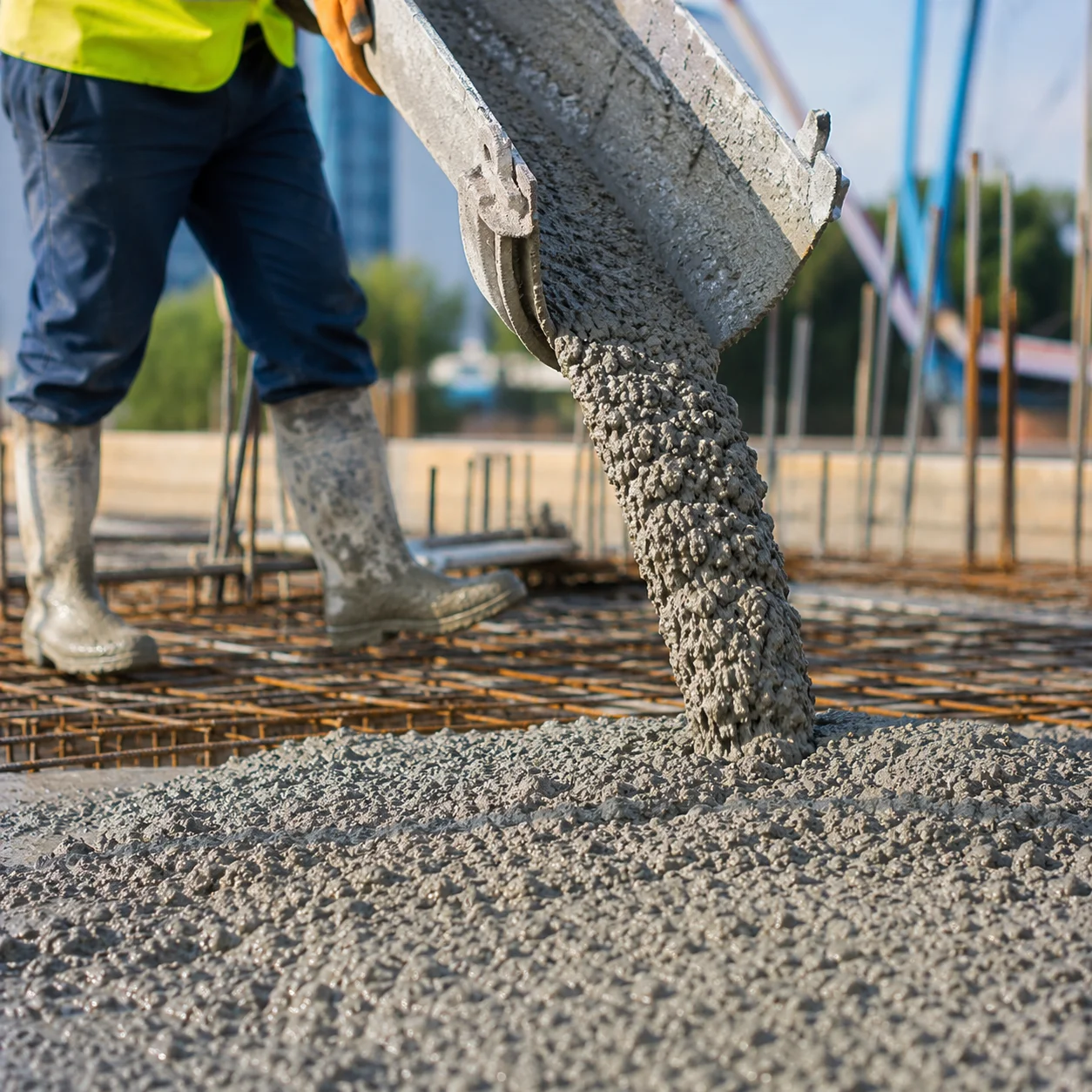
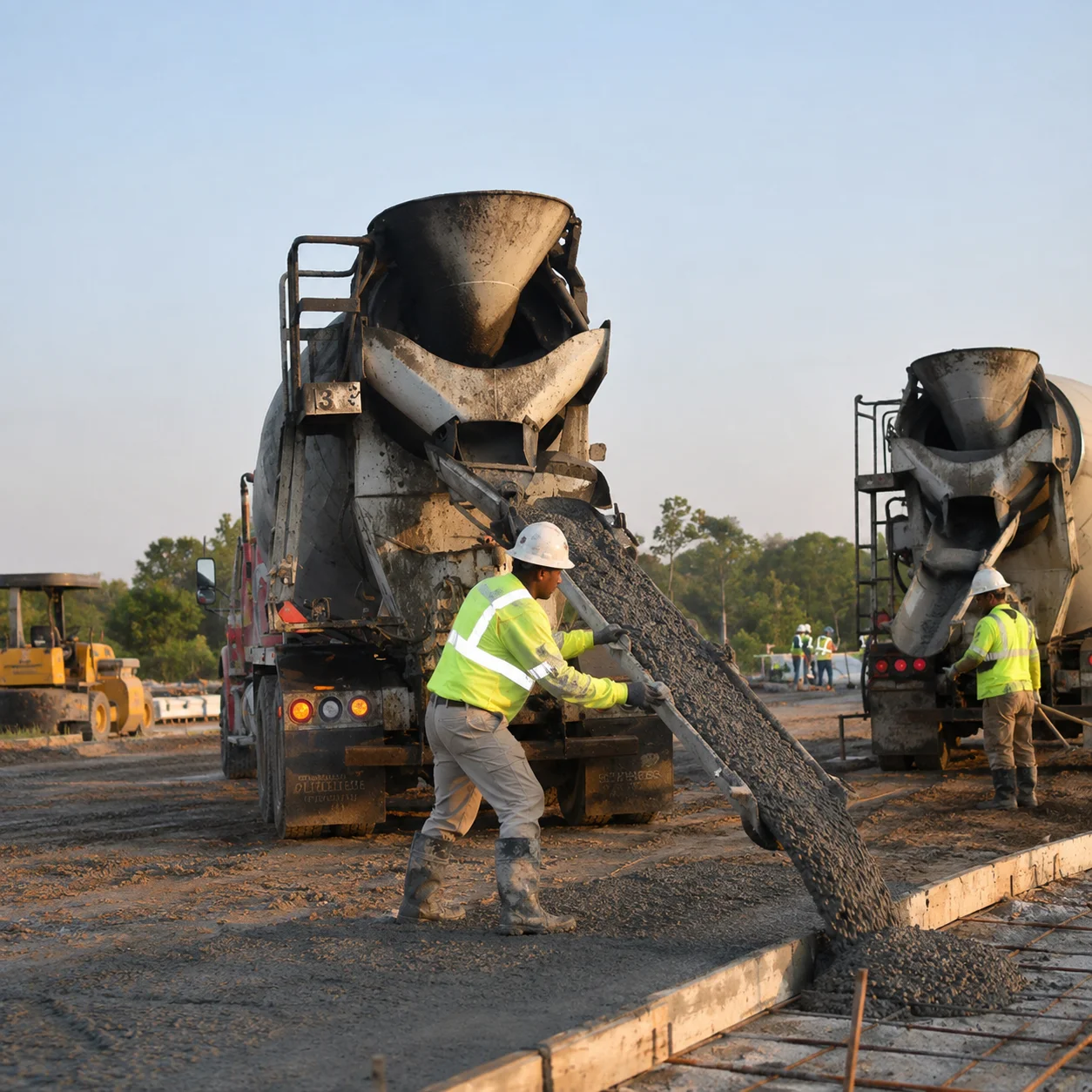
PCE Flake can be used as a polymer raw material for producing high-performance liquid admixtures for ready-mix concrete.
It can support formulations requiring:
- High water reduction
- Good flowability
- Improved cement dispersion
- Controlled workability
- Long-distance concrete transportation
- Reduced water-to-cementitious-material ratio
The final slump-retention performance should be established through formulation and concrete trials.
Precast Concrete
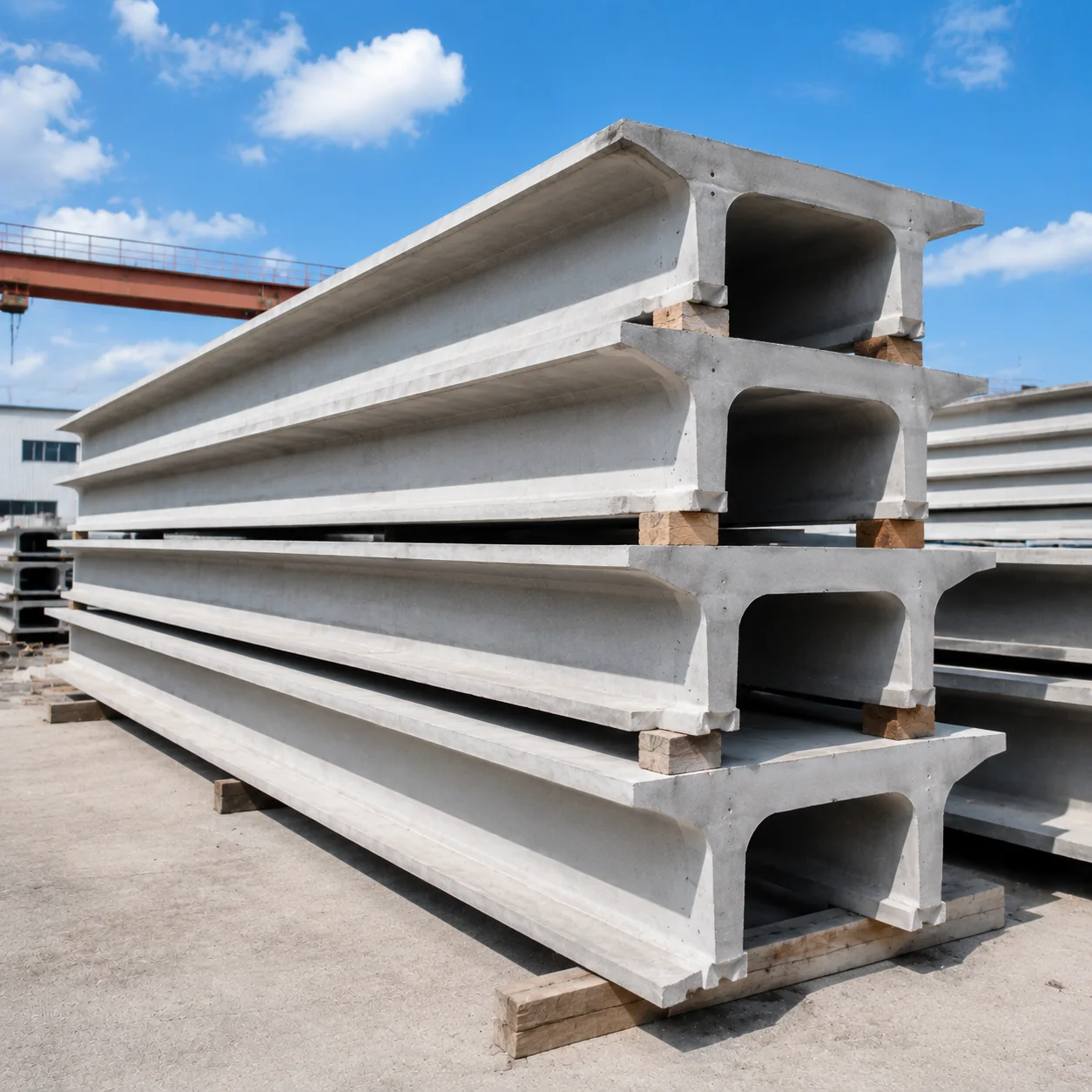
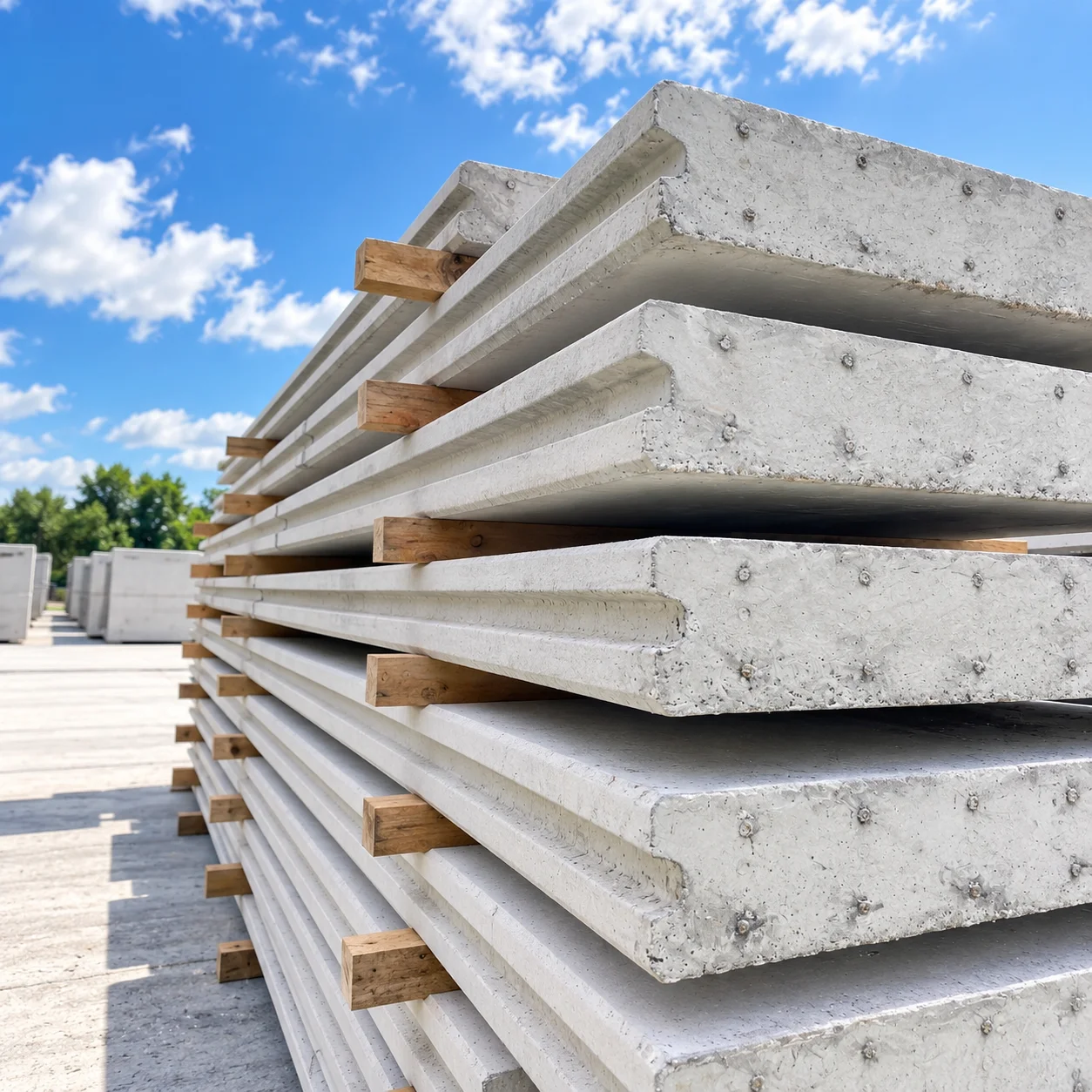
PCE Flake is suitable for PCE admixture formulations used in factory-produced precast concrete.
Potential benefits include:
- High cement dispersion
- Reduced water demand
- Improved concrete compaction
- High early-strength formulation potential
- Improved surface finish
- Consistent production performance
PHC Spun Piles
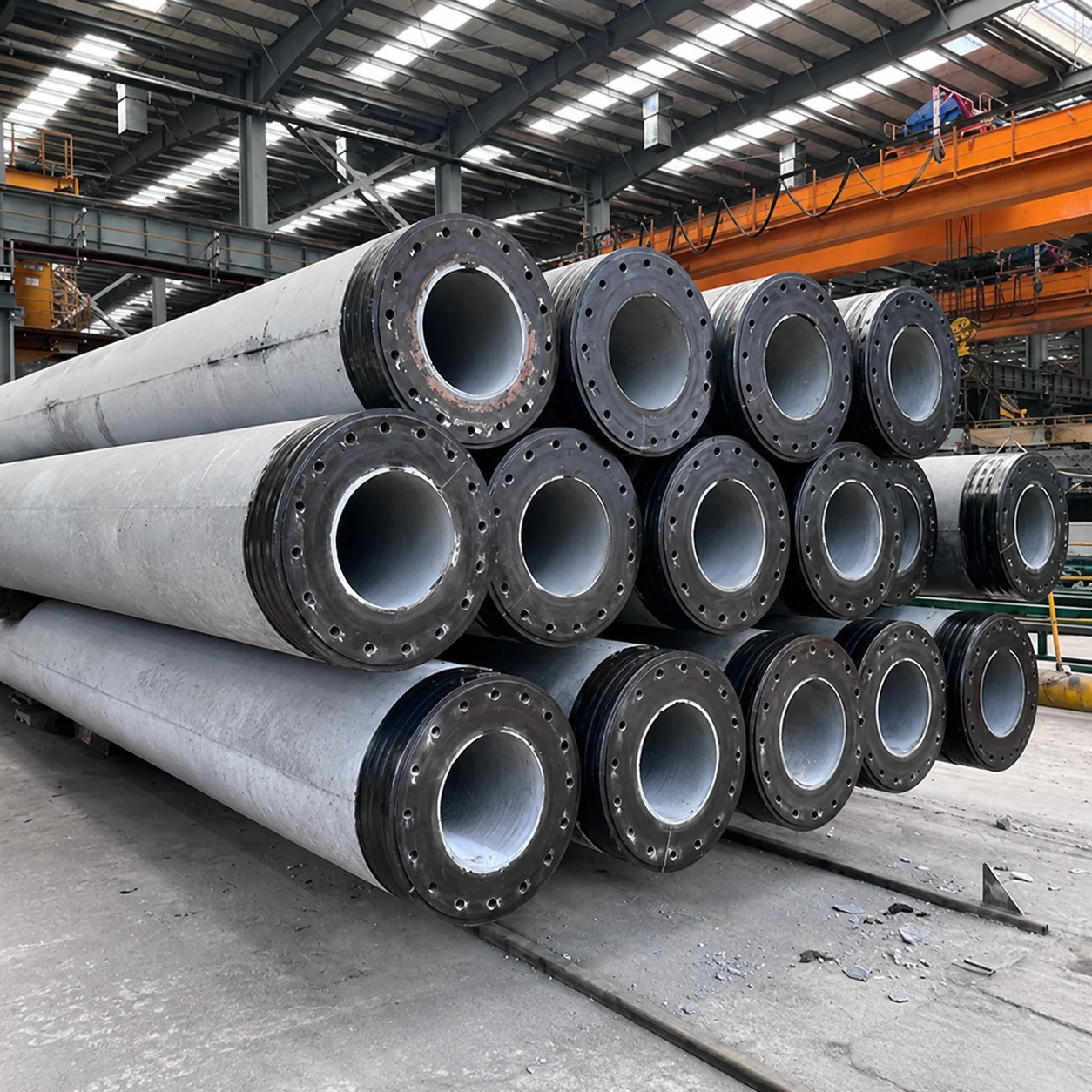
PCE Flake can be incorporated into admixture formulations for PHC spun piles and prestressed concrete products.
These applications commonly require a combination of:
- Low water demand
- High concrete strength
- Good workability during mixing and casting
- Effective compaction
- Stable production performance
For PHC production, grade selection should be based on the actual cement, sand, aggregate, water and curing conditions.
Self-Compacting Concrete (SCC)
PCE-based admixtures are widely used in SCC because effective cementitious-particle dispersion is essential for achieving high flowability without excessive vibration.
PCE Flake can be used as a raw material for developing SCC admixtures with controlled flow and rheological properties.
High-Strength and High-Performance Concrete
By reducing water demand while maintaining the required workability, PCE-based admixtures can help concrete formulators achieve lower water-to-cementitious-material ratios.
This makes PCE technology particularly relevant to high-strength and high-performance concrete formulations.
PCE F880 vs. PCE F890
The two Polyvia™ grades are intended to give formulators more flexibility when developing PCE admixtures.
PCE F880
Recommended starting point for formulations prioritizing efficient water reduction and cement dispersion.
Potential applications include:
- Ready-mix concrete
- Precast concrete
- PHC spun piles
- Prestressed concrete
- High-strength concrete
PCE F890
Recommended starting point for formulations requiring a balanced combination of water reduction and workability control.
Potential applications include:
- Ready-mix concrete
- Precast concrete
- Self-compacting concrete
- High-performance concrete
- Concrete requiring controlled workability
Important: The above positioning is a formulation guideline rather than a guaranteed performance ranking. Final grade selection should be confirmed by laboratory testing with the customer’s raw materials.
Recommended Formulation Approach
PCE Flake should generally be dissolved in water before being used as the active polymer component of a liquid concrete admixture.
A typical formulation development process is:
PCE Flake → Dissolution → Polymer Solution → Formulation Adjustment → Concrete Trial → Performance Optimization
The formulation may be adjusted according to the required:
- Solid content
- Water-reduction level
- Slump retention
- Setting behavior
- Early strength
- Final strength
- Viscosity
- Compatibility with other admixtures
For commercial production, the optimum dissolution procedure and formulation should be established according to the actual equipment and raw materials used by the customer.
Important Factors Affecting PCE Performance
PCE performance should not be evaluated by polymer type alone.
Concrete performance can vary significantly depending on:
Cement
Different cement sources can show different PCE adsorption behavior and workability responses.
Mineral Admixtures
Fly ash, slag, silica fume and other supplementary cementitious materials can influence PCE demand and slump behavior.
Aggregate
Aggregate grading, shape, surface characteristics and moisture content can significantly affect concrete workability.
Water Quality
Mixing water chemistry can influence admixture compatibility and concrete performance.
Temperature
Concrete temperature affects hydration kinetics and can influence workability retention and setting behavior.
Mixing Procedure
Mixing time, sequence, shear intensity and admixture addition method can influence the final performance.
For this reason, Polyvia recommends trial testing before commercial-scale application.
Packaging
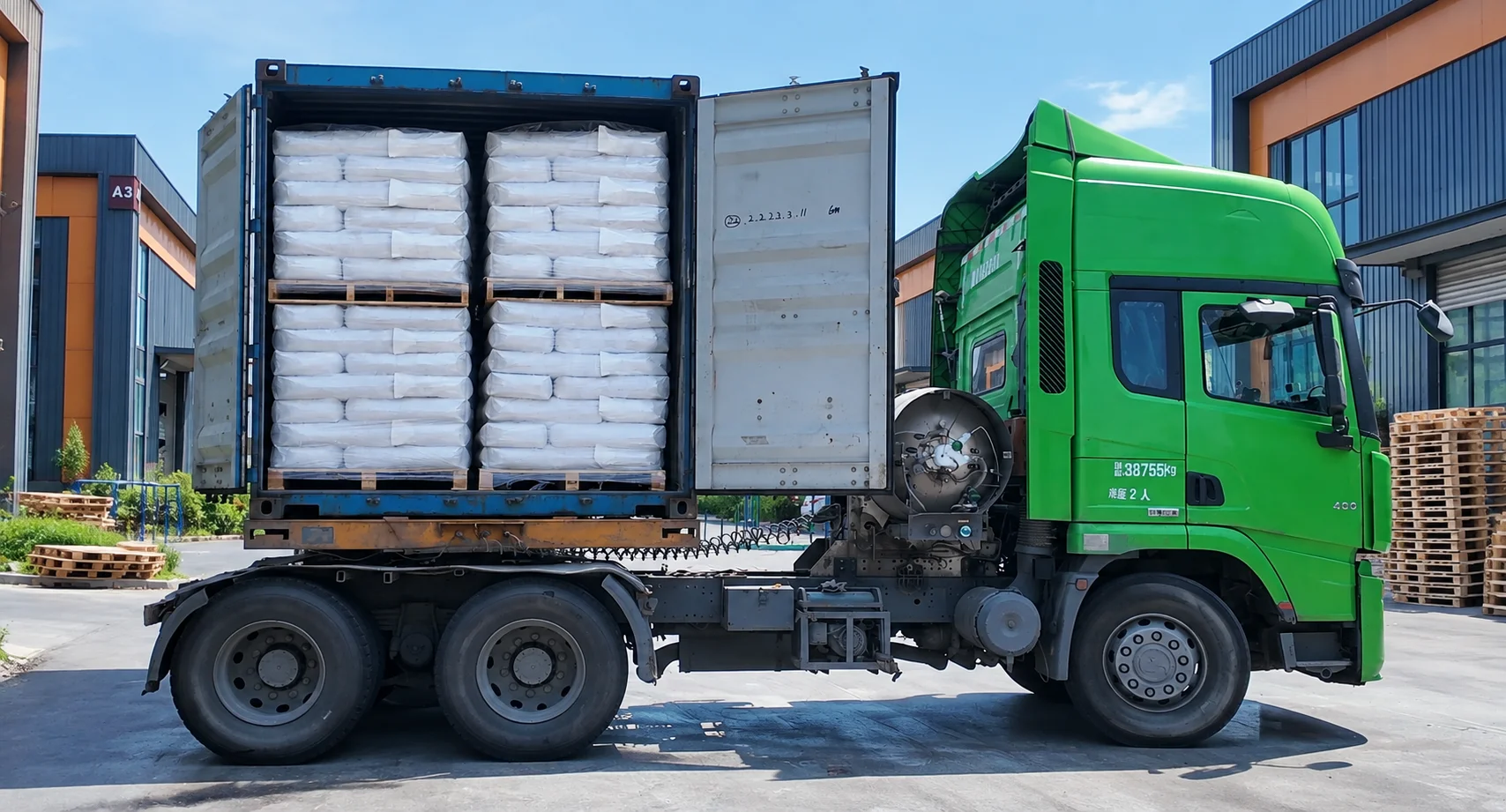
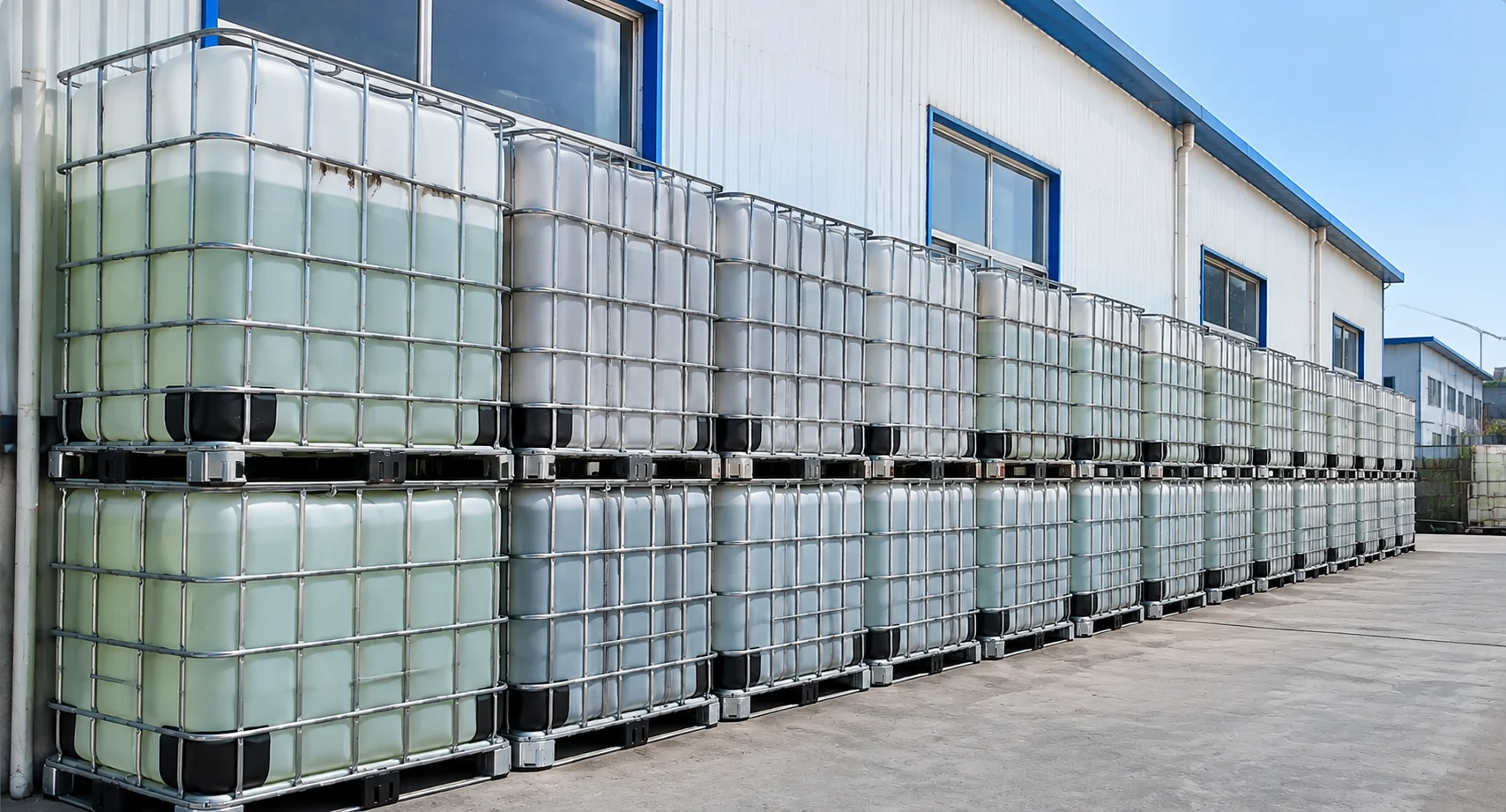
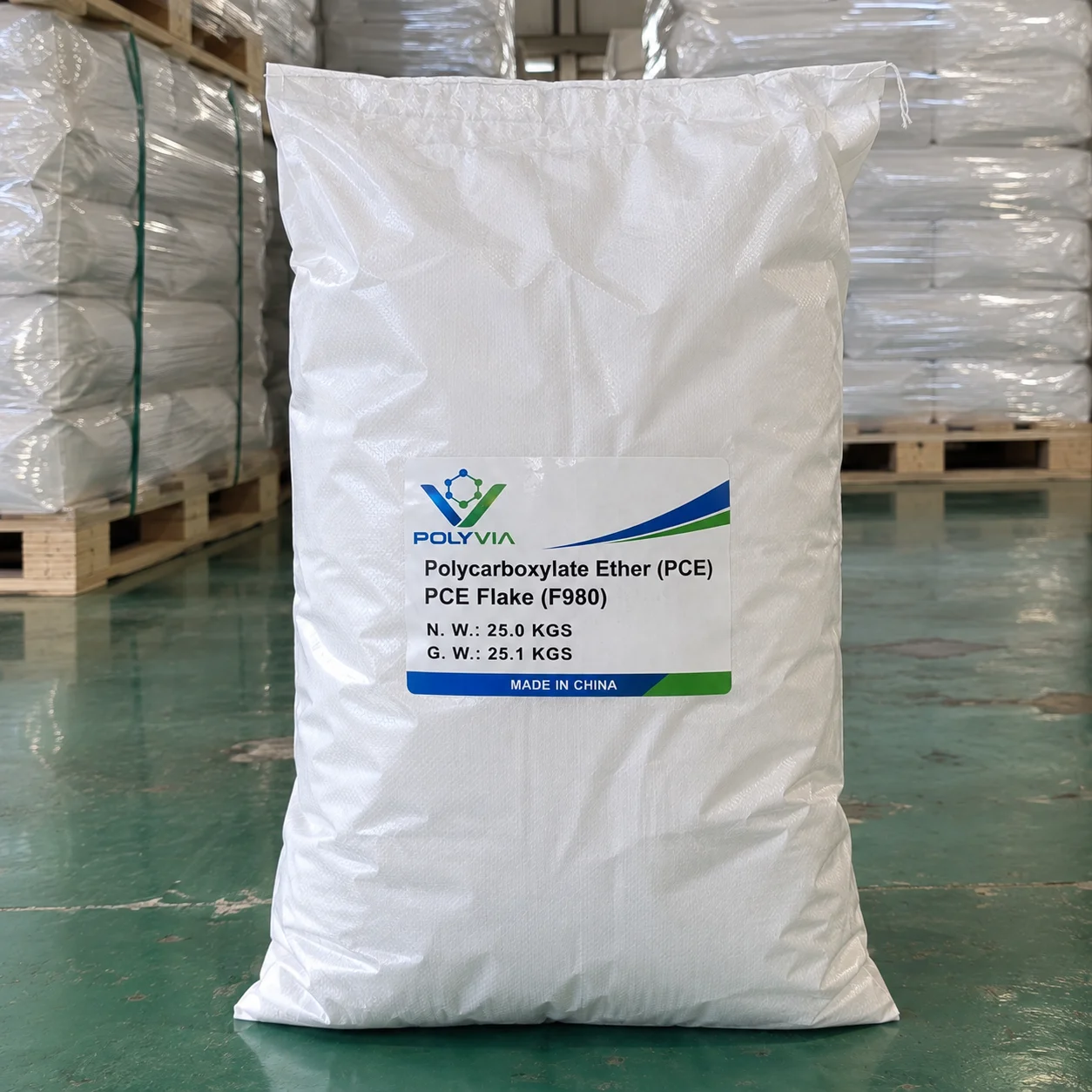
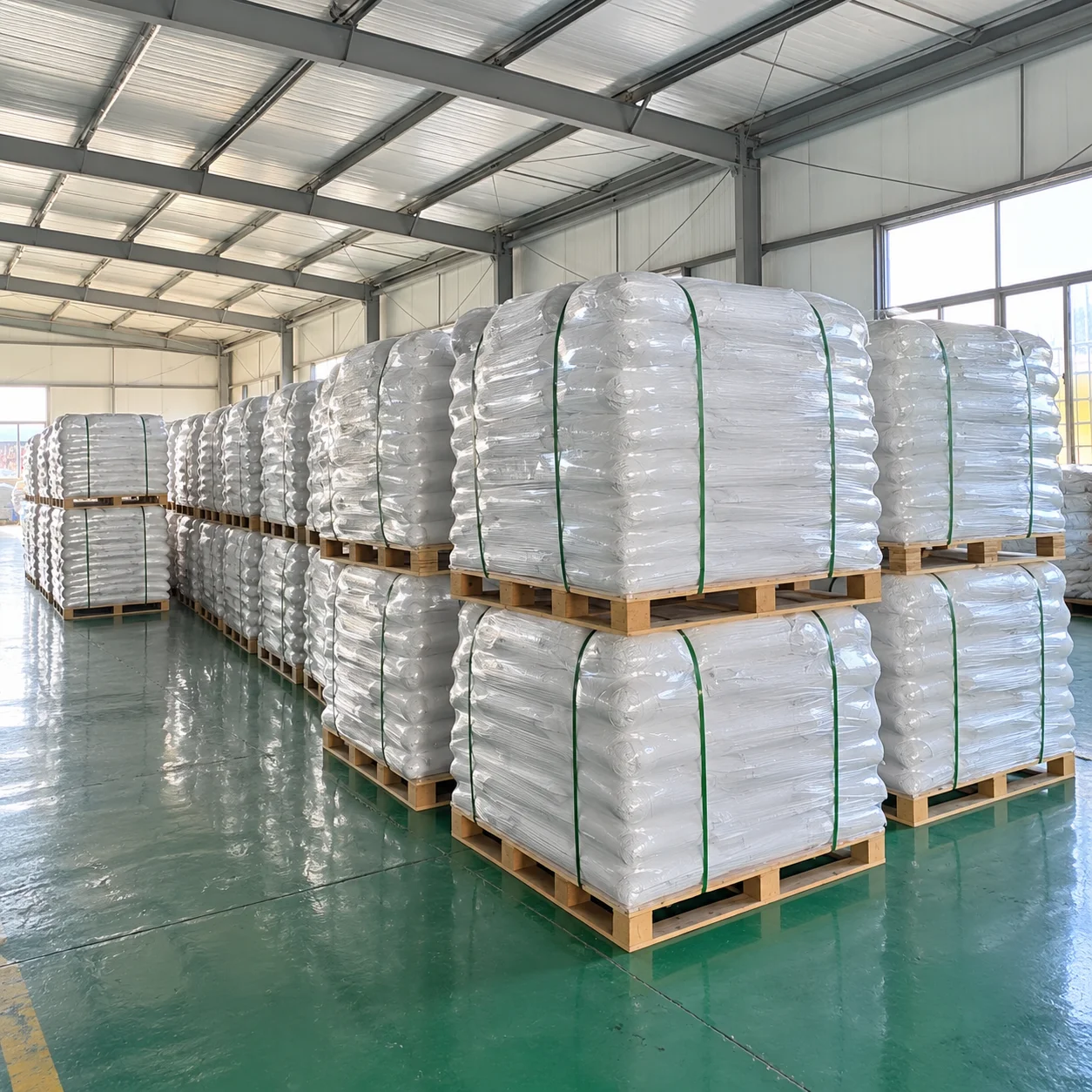
Polyvia™ PCE Flake can be supplied in standard export packaging and customized packaging according to customer requirements.
Typical packaging options may include:
- 25 kg bags
- Jumbo bags
- Palletized packaging
- Customized packaging
Final packaging specifications should be confirmed with the sales team before order placement.
Storage and Handling
Store PCE Flake in a cool, dry and well-ventilated area.
Recommended handling practices:
- Keep the original packaging tightly sealed.
- Protect the product from moisture.
- Avoid prolonged exposure to high humidity.
- Protect from direct sunlight and excessive heat.
- Avoid contamination with other chemicals.
- Use opened packages as soon as practical.
- Follow the applicable SDS for detailed handling requirements.
Because PCE Flake is a water-soluble polymer material, moisture control is important during storage and handling.
Quality Control
For industrial PCE applications, consistency between batches is critical.
Polyvia™ quality control focuses on relevant physical and chemical properties of the PCE Flake and batch consistency.
Typical quality-control items may include:
- Appearance
- Active content / solid content
- Moisture
- pH
- Chloride
- Bulk density
- Solubility
- Application performance
A Certificate of Analysis (COA) can be provided according to the applicable product specification and shipment batch.
Technical Support for PCE Formulation
Polyvia does not only supply PCE raw materials. We support customers in selecting and optimizing PCE grades according to their actual application requirements.
Technical support can include:
- PCE grade selection
- Formulation development
- Cement compatibility evaluation
- Water-reduction optimization
- Slump-retention optimization
- Concrete trial support
- Application troubleshooting
- Customized PCE solutions
For the most reliable grade recommendation, customers should provide information such as cement type, cementitious materials, target concrete grade, target slump, transportation time and application method.
Frequently Asked Questions
1. What is Polycarboxylate Ether (PCE) Flake?
Polycarboxylate Ether (PCE) Flake is a concentrated solid form of polycarboxylate ether polymer used as a raw material for high-performance concrete admixtures.
After dissolution and formulation, it can be used to produce PCE-based water-reducing admixtures for concrete applications.
2. What is the difference between PCE Flake and PCE Powder?
Both are solid forms of PCE-based materials, but their physical form and handling characteristics are different.
PCE Powder is generally a finer particulate material, while PCE Flake consists of larger flake particles.
PCE Flake generally offers:
- Lower dust generation during handling
- Easier manual handling
- Controlled dissolution characteristics
- Convenient solid-form transportation and storage
PCE Powder may offer faster dissolution and is often preferred for dry-mix applications where direct blending into dry formulations is required.
The better form depends on the manufacturing process and application.
3. Can PCE Flake be added directly to concrete?
PCE Flake is primarily intended as a raw material for preparing PCE-based liquid admixtures.
It is generally recommended to dissolve and formulate the PCE Flake before introducing the resulting admixture into concrete.
Direct addition should only be considered after appropriate technical evaluation.
4. What is PCE F880 used for?
PCE F880 is a Polyvia™ PCE Flake grade intended as a starting point for formulations requiring efficient cement dispersion and water-reducing performance.
It can be evaluated for ready-mix concrete, precast concrete, PHC spun piles, prestressed concrete and high-strength concrete.
Actual performance depends on the formulation and concrete raw materials.
5. What is PCE F890 used for?
PCE F890 is a Polyvia™ PCE Flake grade intended for formulations where water reduction and workability control need to be balanced.
It can be evaluated for ready-mix concrete, precast concrete, SCC and other high-performance concrete systems.
The final application should be confirmed through laboratory trials.
6. Does PCE Flake provide slump retention?
PCE technology can be designed to provide different balances between initial water reduction and workability retention.
However, slump retention is formulation-dependent and should not be assumed from the flake form alone.
For a specific slump-retention requirement, Polyvia recommends evaluating F880 and F890 with the customer’s cement and concrete mix design.
7. How much water can PCE reduce?
There is no single water-reduction value that applies to every PCE Flake formulation.
Water-reduction performance depends on the PCE molecular structure, dosage, cement type, water-to-cementitious-material ratio, aggregate characteristics and concrete mixing conditions.
The appropriate water-reduction target should therefore be established through concrete trials rather than relying on a universal percentage.
8. Is PCE Flake suitable for PHC spun piles?
Yes. PCE Flake can be used as a raw material for PCE admixtures designed for PHC spun piles and prestressed concrete products.
For these applications, grade selection should consider the required water reduction, concrete consistency, early strength, centrifugal casting conditions and curing process.
9. Is PCE Flake suitable for ready-mix concrete?
Yes.
PCE Flake can be used to formulate liquid PCE admixtures for ready-mix concrete.
The final admixture can be optimized according to the required initial slump, slump retention, transportation time, cement type and weather conditions.
10. Can PCE Flake be used for self-compacting concrete?
Yes.
PCE-based admixtures are commonly used in self-compacting concrete because cementitious-particle dispersion is important for achieving high flowability.
However, SCC formulation also requires careful control of viscosity, segregation resistance, aggregate grading and paste volume.
11. How should PCE Flake be dissolved?
PCE Flake should be dissolved using a controlled mixing procedure appropriate to the customer’s formulation equipment.
The actual dissolution time and temperature can vary according to particle characteristics, water quality, concentration and mixing conditions.
A small-scale dissolution test is recommended before production-scale formulation.