
Concrete & Dry-Mix
Performance Solutions
Solve Performance Challenges Through Material Selection,
Formulation and Application Support.
POLYVIA develops material and formulation solutions for concrete and dry-mix systems, helping address key requirements including water reduction, slump retention, early strength, air control, crack control, rheology, water retention and adhesion.
Our approach connects material technology with customer raw materials, production conditions and target performance.
Slump Loss | High Water Demand | Low Early Strength | Excessive Air | Cracking | Poor Water Retention | Weak Adhesion
What Problem Are You Trying to Solve?
Concrete Loses Slump Too Quickly
Maintain workable concrete consistency during extended transportation, pumping and placement.
Slump Retention →High Water Demand or Insufficient Flow
Reduce water demand while reaching the flow and workability needed for production and placement.
Water Reduction →Insufficient Early Strength
Improve early strength development to support faster demolding and shorter production cycles.
Early Strength →Bleeding, Segregation or Poor Stability
Balance flow and cohesion to improve stability in high workability concrete and cementitious systems.
Rheology & Stability →Excessive Air or Surface Defects
Control unwanted air, pinholes and voids while protecting the required formulation performance.
Air & Surface Control →Shrinkage Cracking or Insufficient Crack Control
Manage cracking through appropriate fiber reinforcement and formulation strategies.
Crack Control →Poor Water Retention or Rapid Moisture Loss
Maintain workable time and moisture availability in dry-mix mortar and bonded systems.
Water Retention →Poor Adhesion, Open Time or Bond Performance
Improve polymer modification, application time and bond performance in cementitious formulations.
Adhesion & Bonding →A Practical Process for Material & Formulation Decisions.
Performance rarely depends on a single additive. POLYVIA evaluates materials technology as part of the complete formulation, application and production environments.
Define the Application
Review the application, raw materials, production or mix design, production process, environmental conditions and target performance.
Identify the Performance Gap
Evaluate the existing effects on workability, strength, rheology, air content, adhesion, cracking or other required performance.
Build the Material Strategy
Match suitable PCE, cellulose ether, polymer, defoamer, fiber or functional additive technologies to the identified performance target.
Evaluate with Representative Materials
Compare compatibility, dosage response and application-specific performance using representative materials and relevant conditions.
Adapt for Production
Adjust formulation balance, dosage, addition sequence and process parameters around actual production requirements.
Document & Follow Through
Support implementation with application guidance, technical communication and relevant documentation including TDS, SDS and COA.
Let’s Solve Your Performance Challenge Together.
Get expert support for material selection, formulation and application.
Different Applications. Different Performance Priorities.
The same material technology can perform differently across applications. Effective material selection depends on the formulation environment, production process and performance priorities in each situation.
IN APPLICATION
Concrete
Systems
From ready-mix to precast and infrastructure, we support performance demands across concrete applications.
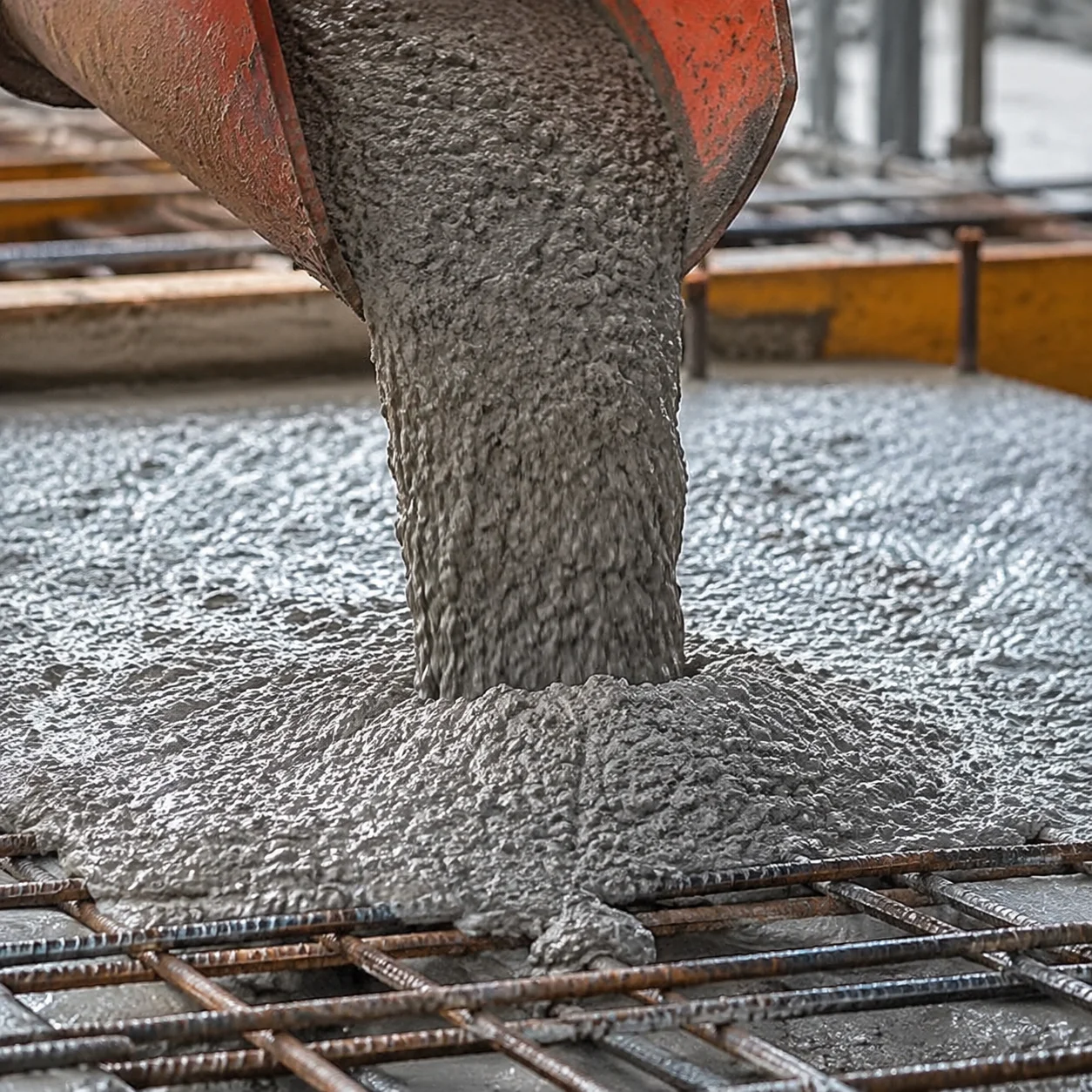
Ready-Mix Concrete
Match admixture and concrete performance from batching through transportation, pumping and placement.
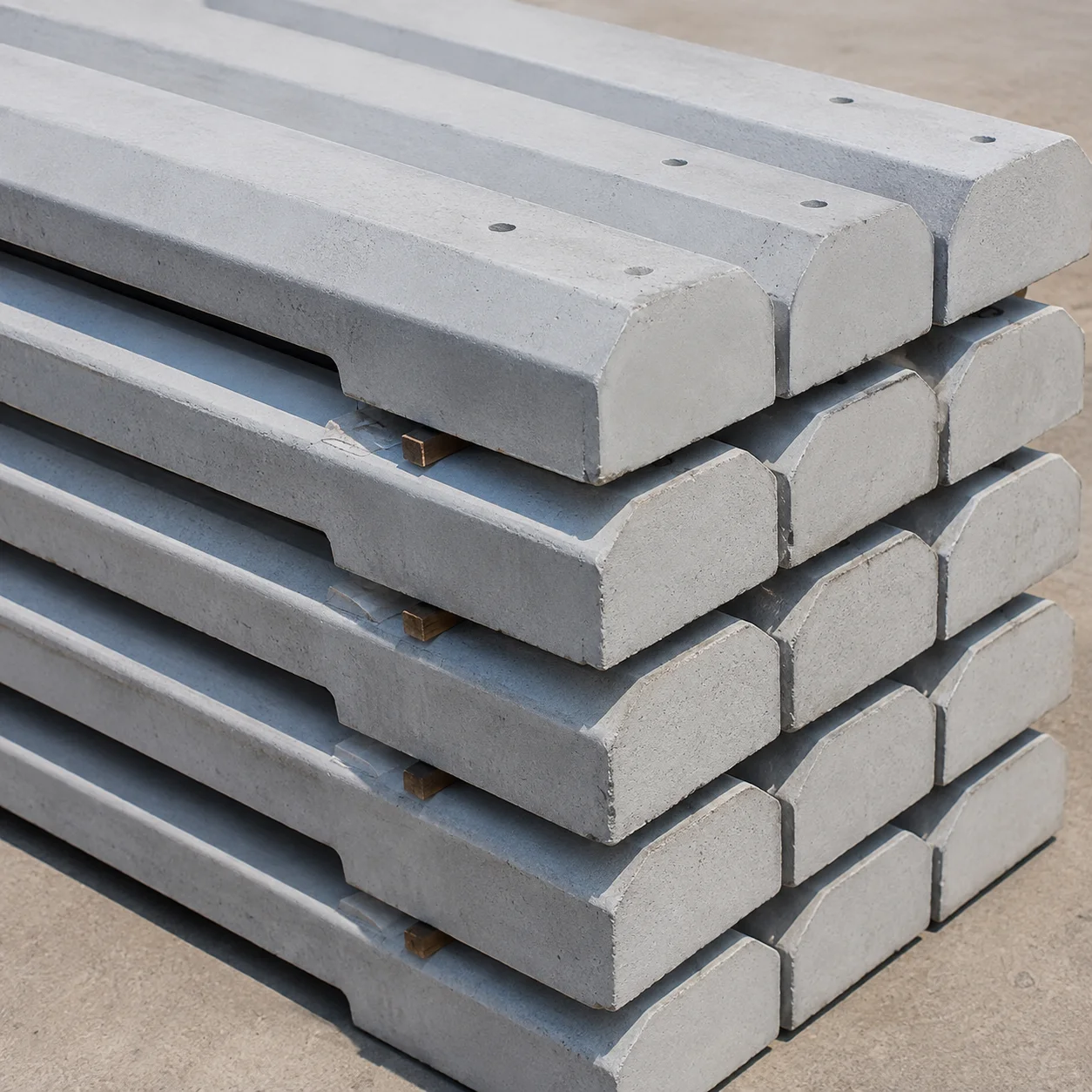
Precast Concrete
Balance fresh-concrete behavior with accelerated strength development and production cycle requirements.
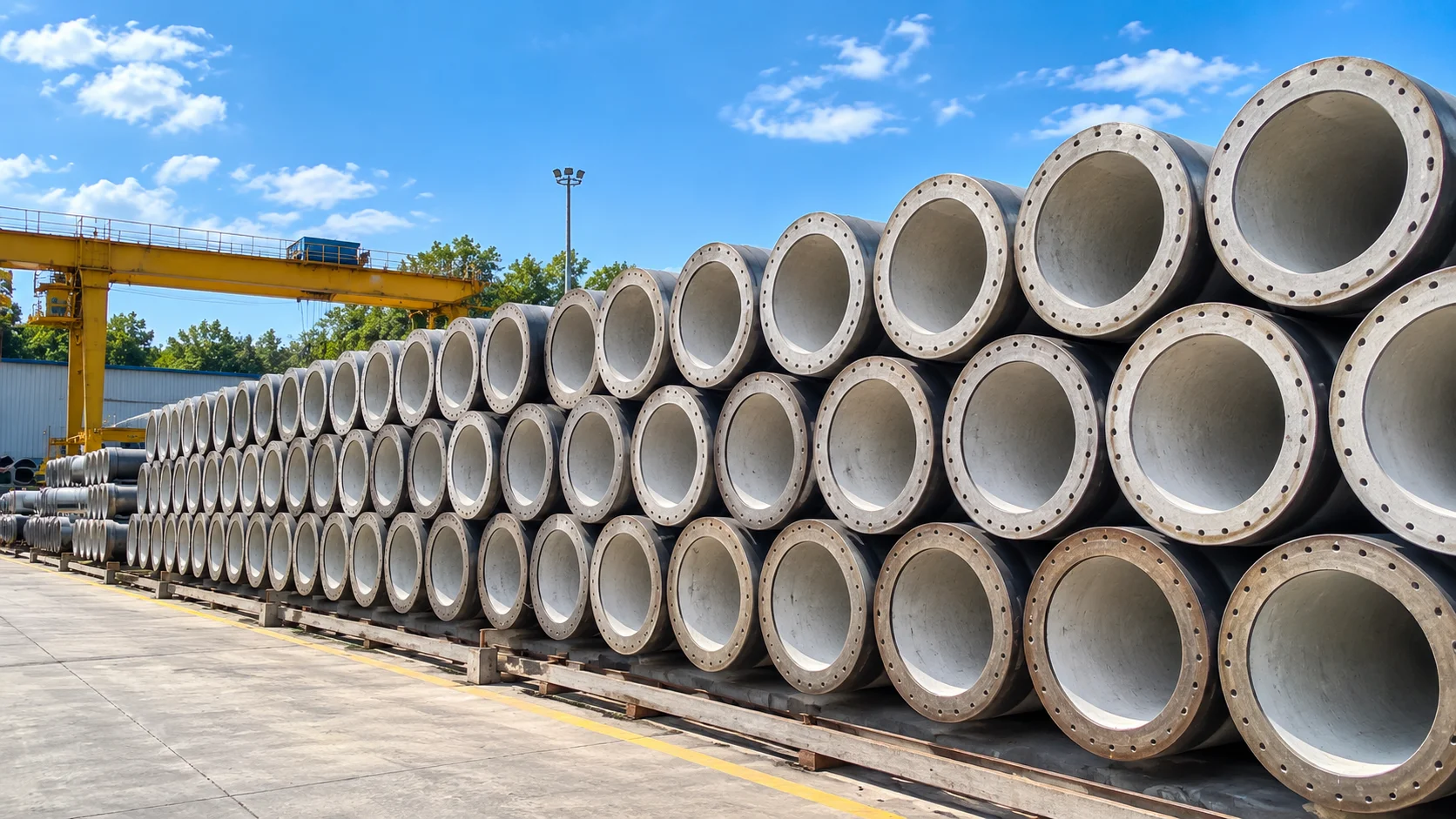
Spun Pile & Prestressed Concrete
Support stable processing, early strength development and efficient demoulding in accelerated production.
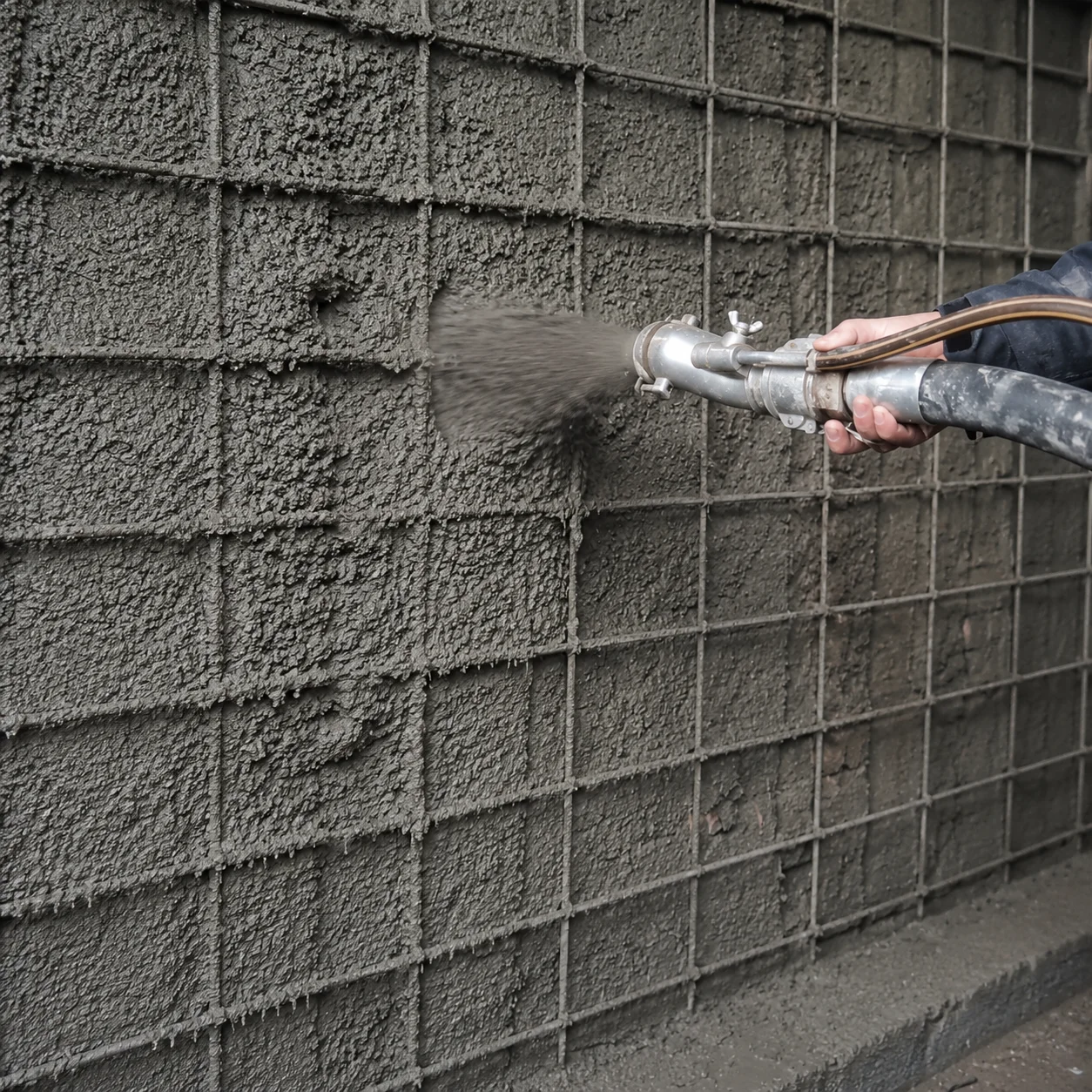
Shotcrete & Tunneling
Balance pumping behavior, spray application and early performance in demanding shotcrete systems.
Dry-Mix
Systems
From tile adhesive to self-leveling and repair mortar, we support durable performance in dry-mix formulations.
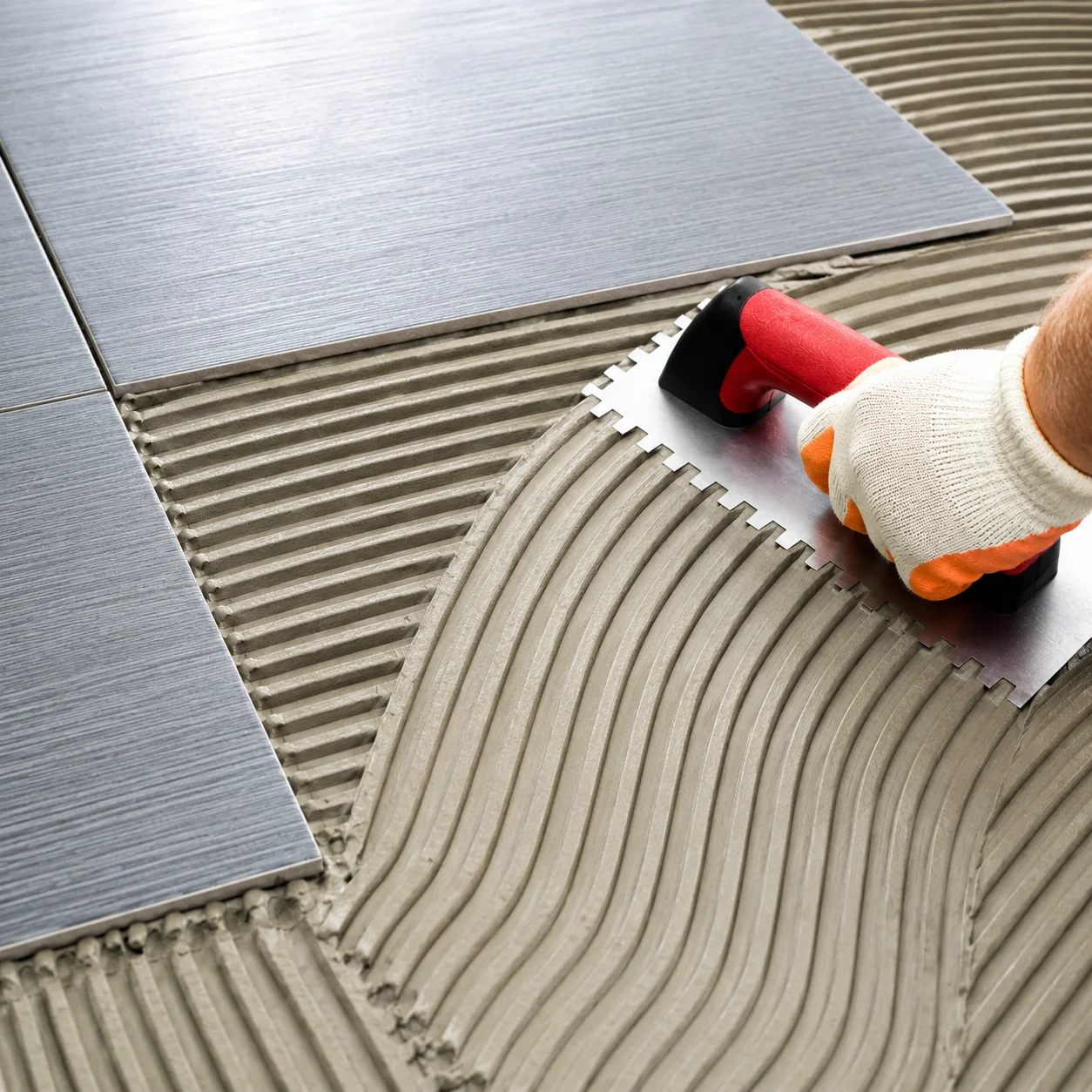
Tile Adhesive
Balance application workability, moisture retention and bond performance in cementitious tile adhesive formulations.
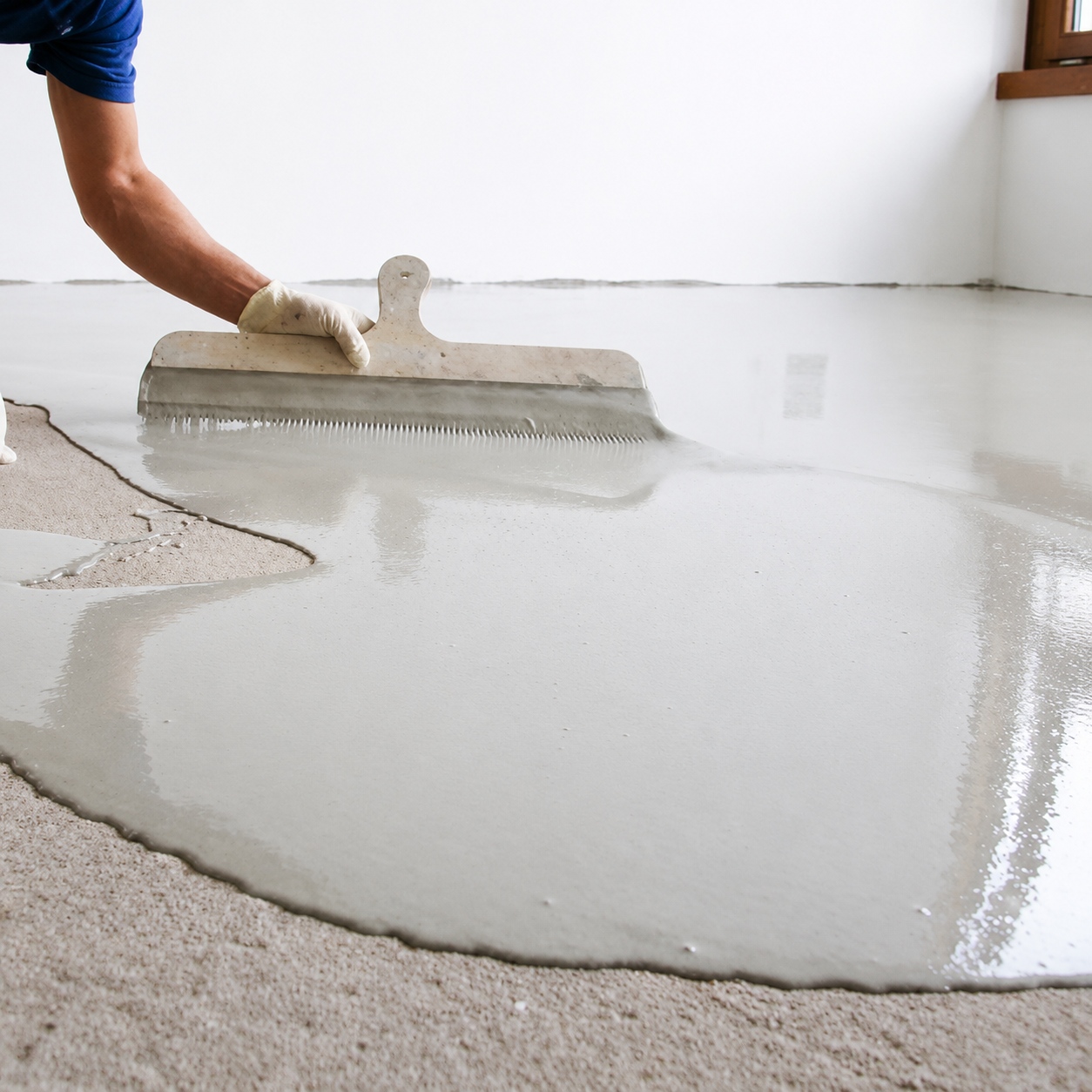
Self-Leveling
Maintain high flow while managing air, segregation and finished-surface performance.
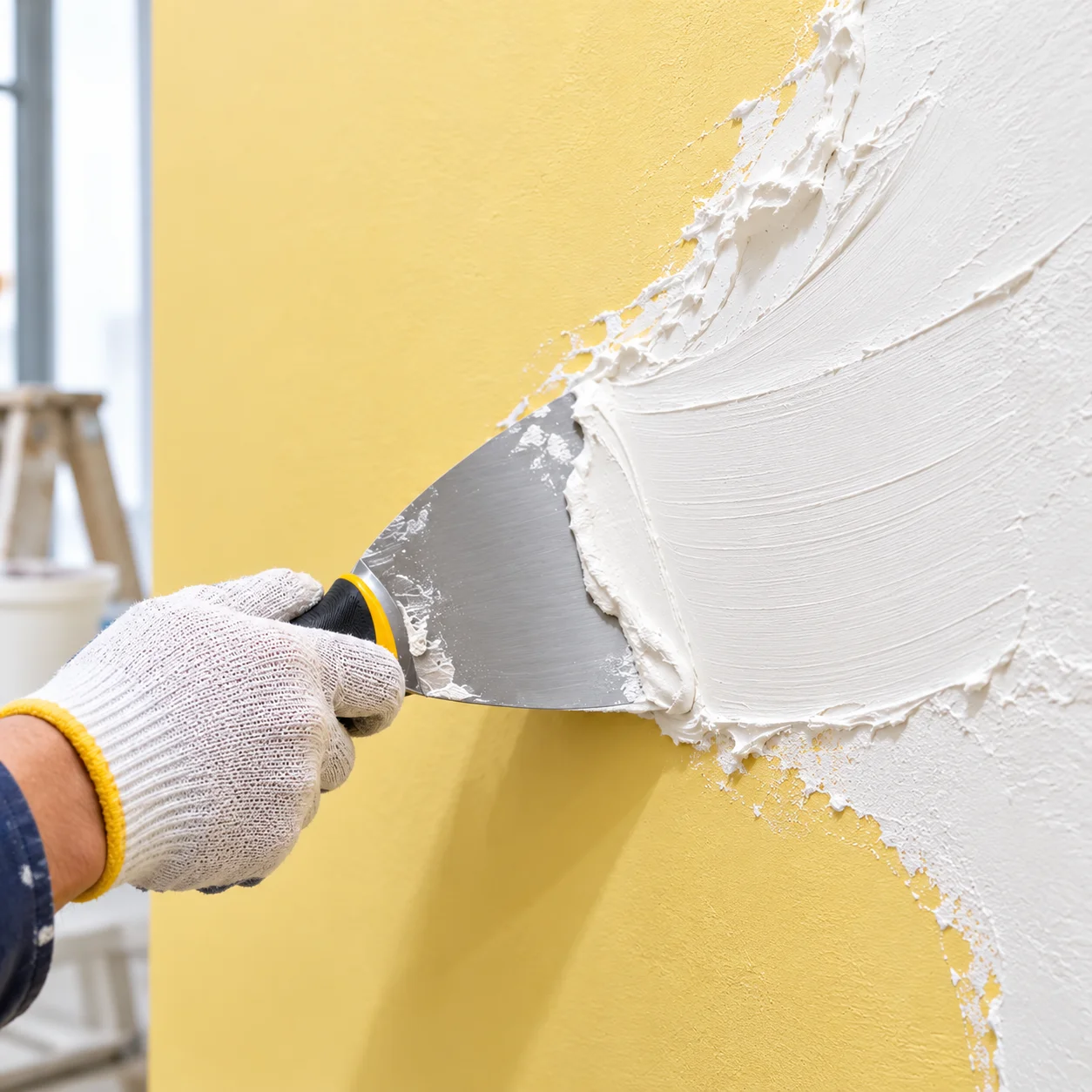
Wall Putty & Skim Coat
Support smooth application, workable time and dimensional stability in finishing systems.
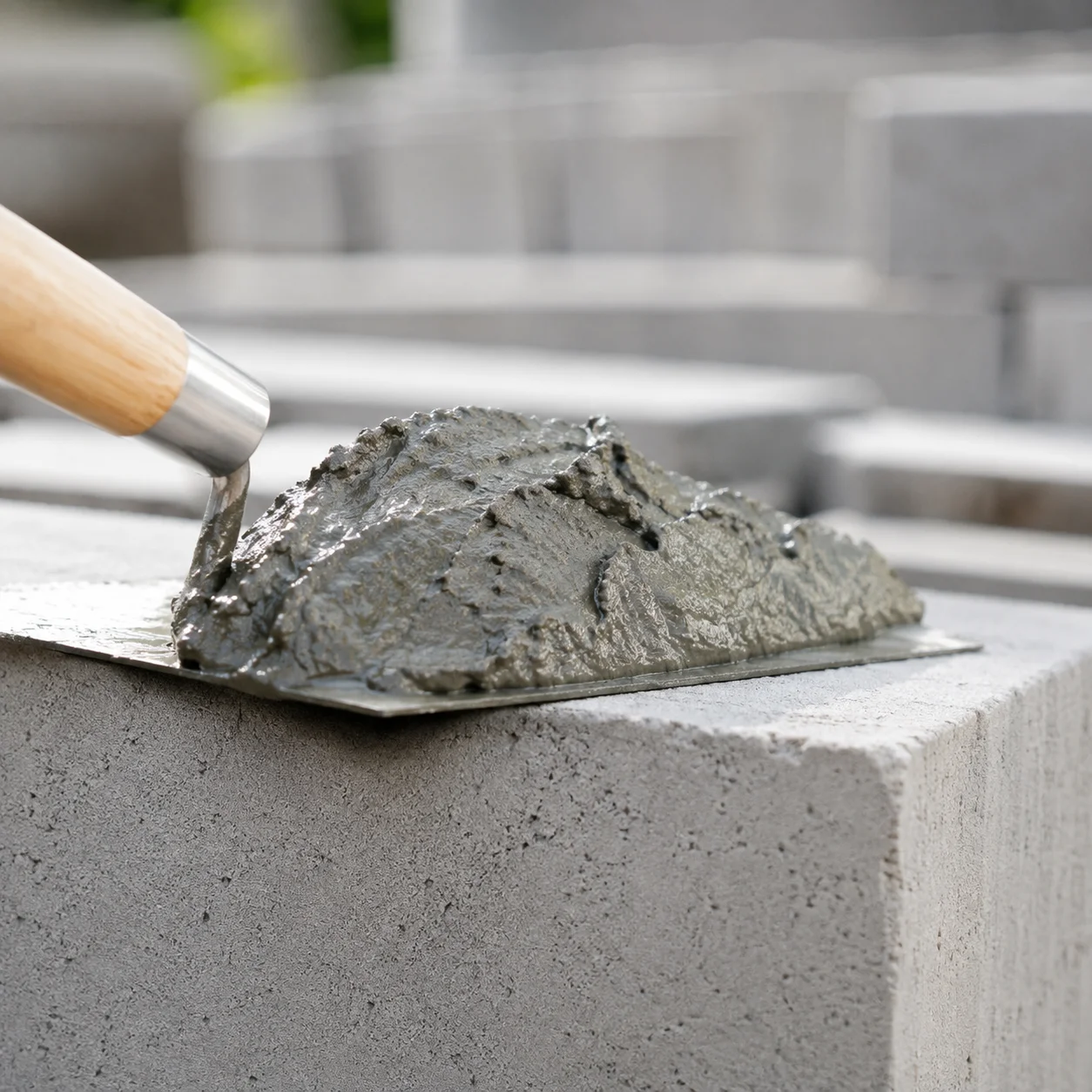
Repair & Specialty Mortar
Balance bond performance, dimensional stability and application requirements in repair and specialty systems.
Reinforcement
Systems
Fiber solutions for higher strength, better crack control and improved durability in concrete and asphalt systems.

Industrial Floors & Pavements
Fiber reinforcement helps control crack opening and supports post-crack load transfer in industrial floors and concrete pavements.
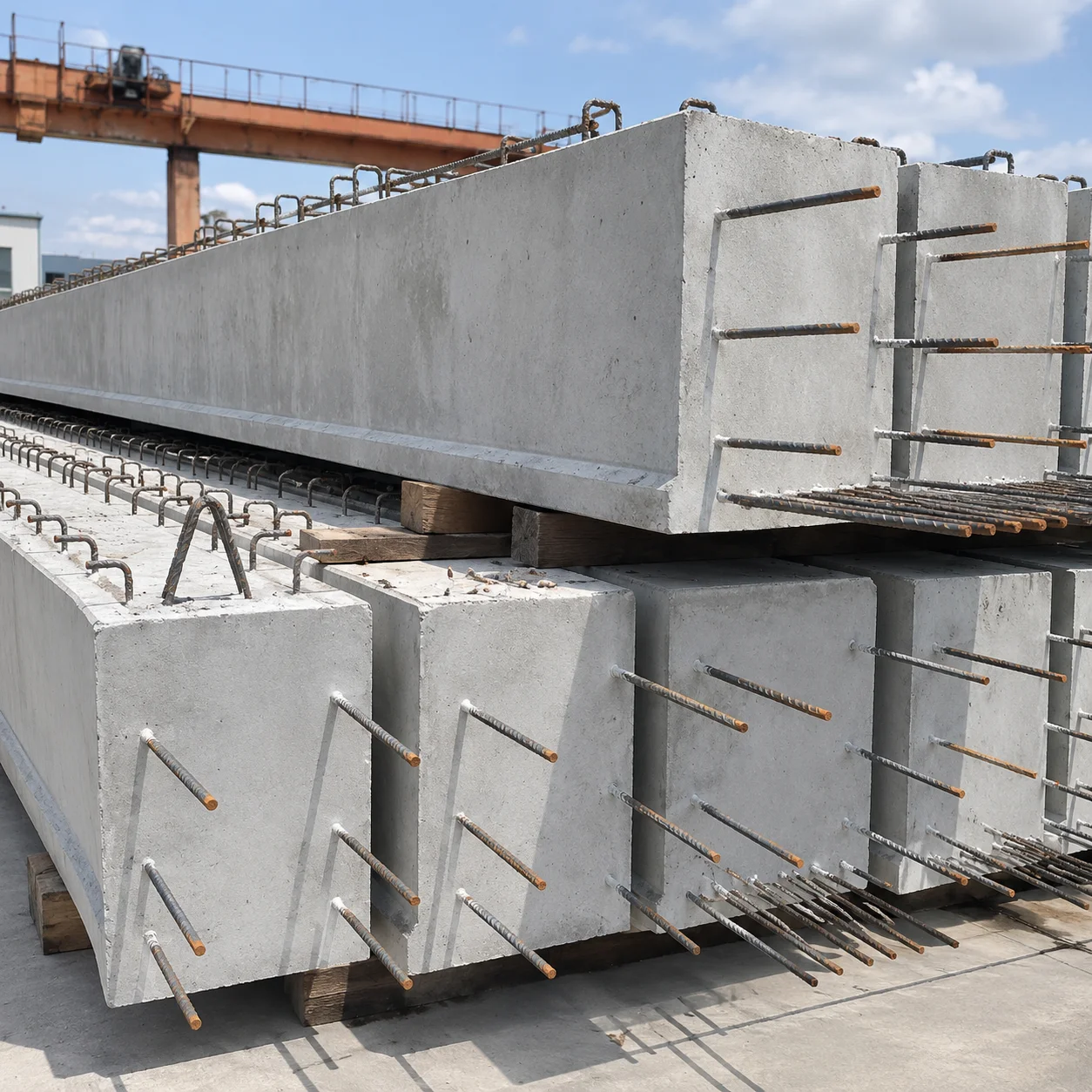
UHPC & ECC Systems
Selected high-performance fibers support crack bridging, tensile response and engineered ductility in UHPC and ECC formulations.
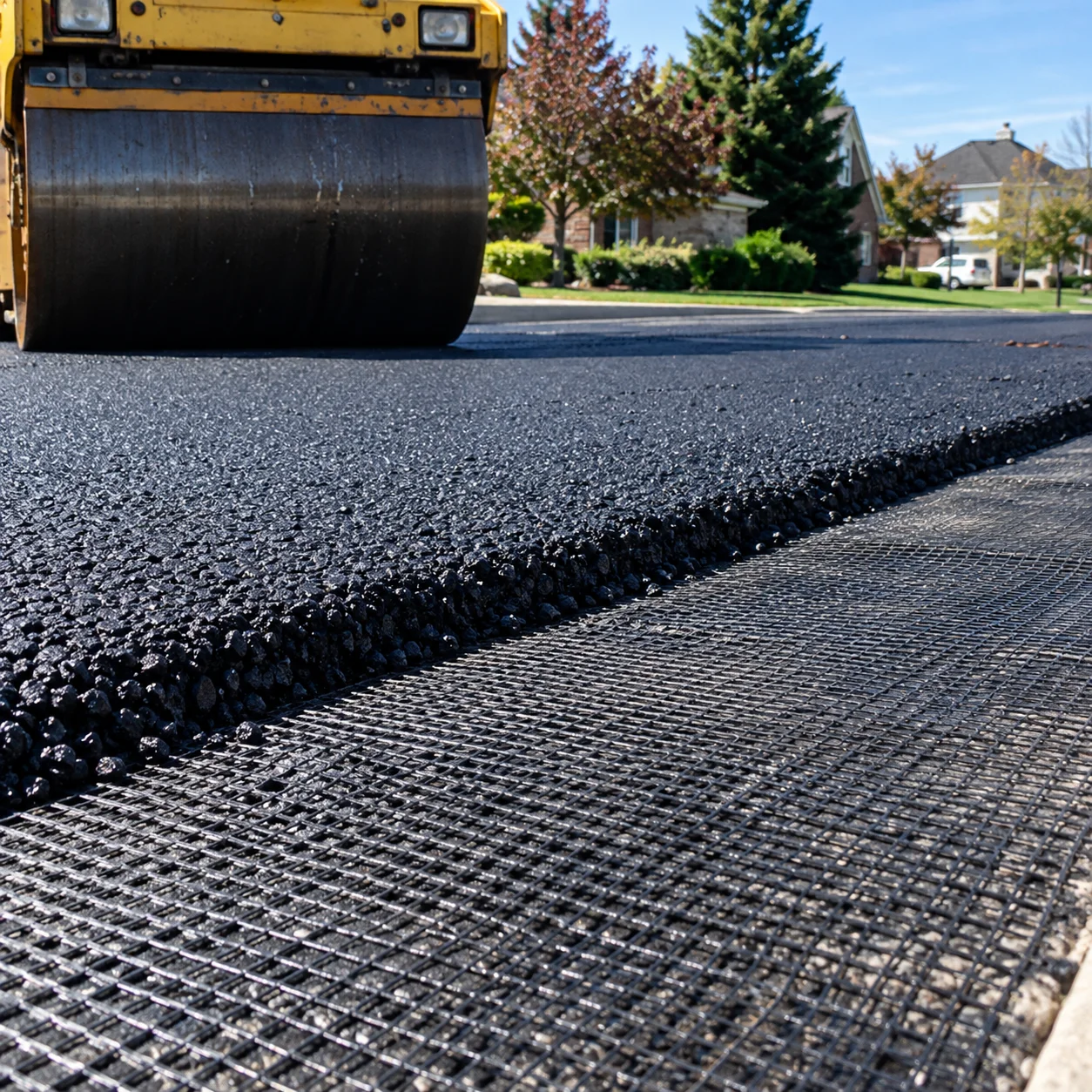
Asphalt & Road Pavements
Suitable fibers help stabilize asphalt mixtures and support resistance to deformation and cracking under traffic and temperature-related loading.
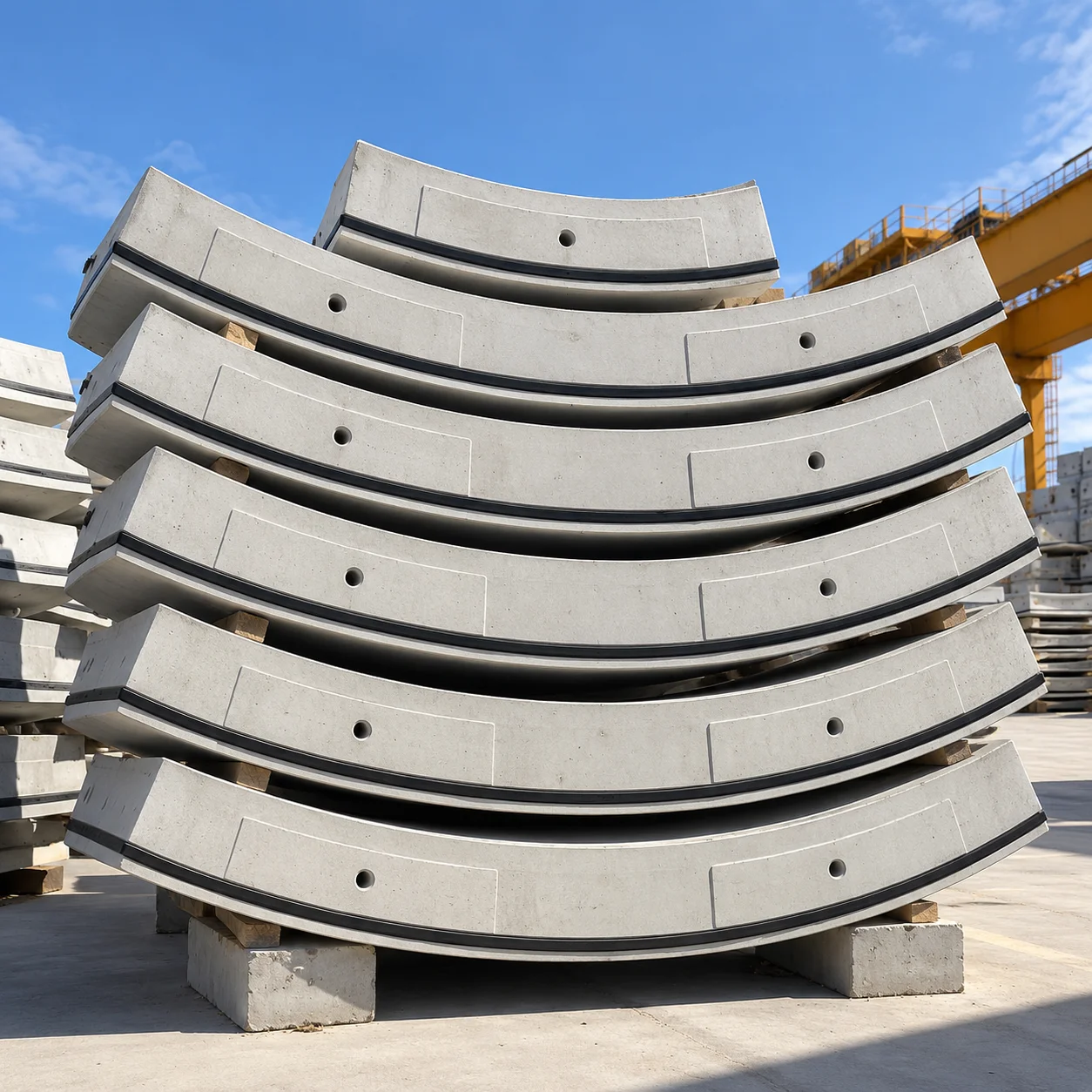
Precast & Structural Concrete
Fiber reinforcement supports crack management and specified performance in precast components and infrastructure systems.
From Material Challenges to Practical Solutions.
Real customer applications show how POLYVIA connects material selection, formulation strategy and local production requirements with practical technical and commercial objectives.
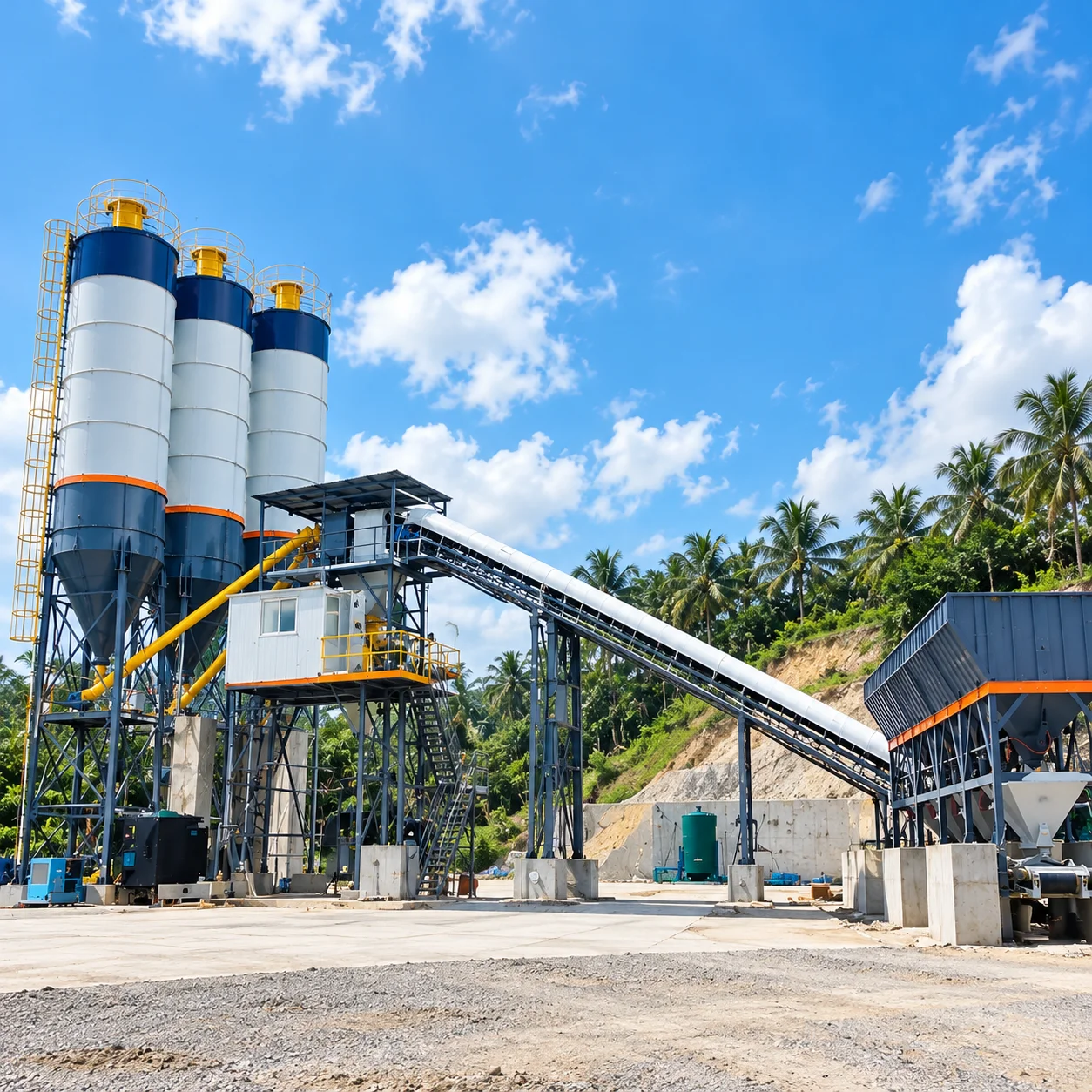 ⌖ Thailand
Reducing PCE Logistics Burden Through Local Liquid Preparation
A customer in Bangkok, Thailand previously imported liquid PCE containing approximately 50% water. Transporting this water over long distances increased shipping weight and associated freight costs.
POLYVIA™ recommended PCE F980 Flake for local liquid preparation. At an assumed 98% solids content, 1 MT of PCE F980 Flake combined with 1 MT of water yields approximately 2 MT of PCE liquid at 49% solids, reducing the need to transport water internationally.
PCE F980 Flake → Local Dissolution → Approx. 50% PCE Liquid → Local Admixture Formulation
⌖ Vietnam
Cost-Effective C2 Tile Adhesive Through Formulation Optimization
A Vietnamese customer sought to reduce C2 tile adhesive formulation costs while maintaining the required adhesion performance, workability, water retention and open time.
POLYVIA™ optimized the formulation using 50,000–100,000 mPa·s HPMC grades, adjusting HPMC and RDP dosages to improve the balance between application performance and raw material cost.
HPMC Grade Selection → HPMC/RDP Dosage Optimization → Performance Testing → C2 Tile Adhesive
Technical Guidance for Better Performance Decisions.
Explore practical guidance on material selection, formulation variables and application conditions behind common challenges.
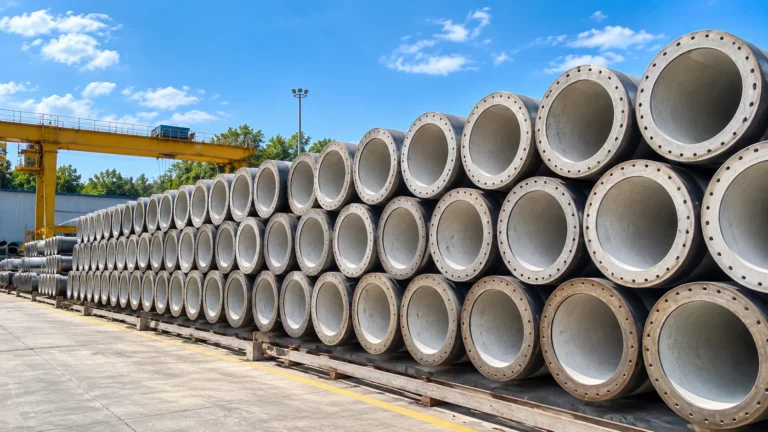
How to Troubleshoot Low Early Strength in PHC Spun Pile Production
Low early strength in PHC spun pile production can result from cement characteristics, effective water content, PCE compatibility, centrifugal forming or steam-curing conditions. This technical guide explains how to identify the causes, evaluate early-strength PCE solutions,…
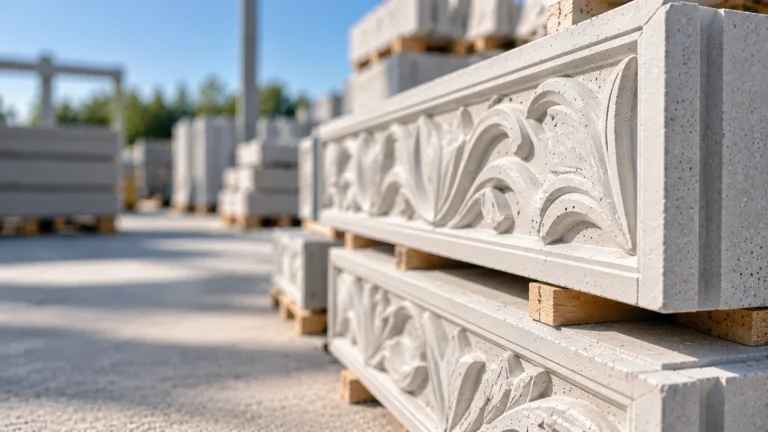
How to Reduce Surface Voids and Edge Defects in Decorative Precast Concrete
Surface bugholes, incomplete mold details and chipped edges can reduce the quality of decorative precast concrete. This technical guide explains how to investigate mold air entrapment, mixture rheology, PCE compatibility, release agents and demolding damage through…
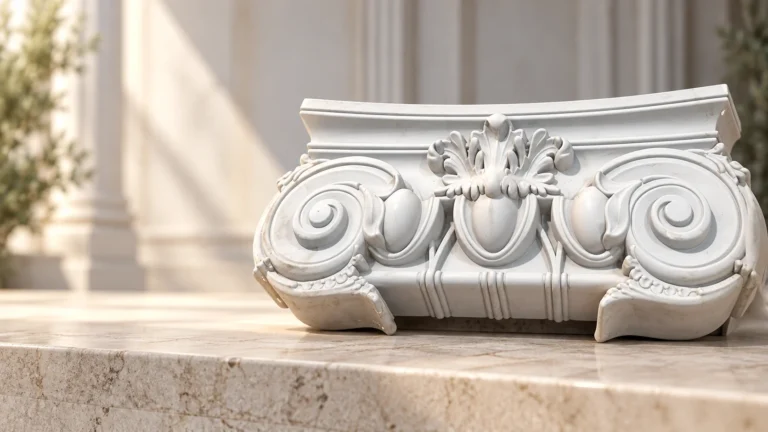
How to Improve Early Demolding in Heat-Cured Decorative Precast Concrete
Learn how to improve early demolding in heat-cured decorative precast concrete through controlled thermal curing, product-specific release criteria and practical factory trials. Explore strategies for reducing mold occupancy time while protecting surface details, edge integrity and…
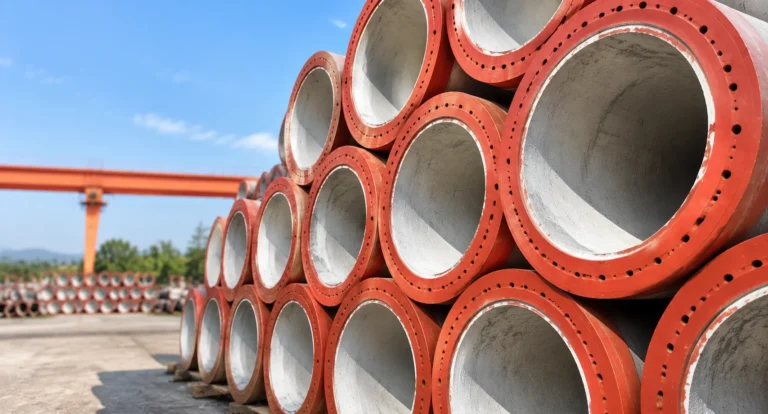
How to Troubleshoot Workability Loss Before Centrifugal Forming in PHC Spun Pile Production
A practical troubleshooting guide to workability loss in PHC spun pile concrete before centrifugal forming. Explore how production delays, cement–PCE compatibility, material variations and handling conditions affect fresh-concrete behavior, and learn how to verify corrective actions…
How to Troubleshoot Uneven Concrete Distribution During PHC Spun Pile Centrifugal Forming
A technical troubleshooting guide to uneven concrete distribution in PHC spun piles, covering mold feeding, fresh-concrete stability, centrifugal-forming conditions and verified corrective actions.
Have a Performance Challenge?
Tell us your application, raw materials, production conditions and target performance.
POLYVIA can help evaluate material selection and formulation strategy around your requirements.
with Better Materials.