CELLULOSE ETHER · HPMC

HPMC

Water Retention & Rheology Control for Dry-Mix Mortar

POLYVIA™ HPMC provides application-matched water management, rheology control, open time and workability optimization for tile adhesives, wall putty, gypsum systems and specialty dry-mix formulations.

Rather than selecting HPMC by viscosity alone, POLYVIA™ focuses on the complete mortar system—matching cellulose ether performance to binder chemistry, formulation design, application method and target fresh-mortar behavior.

HPMC
high water retention icon
High Water Retention
Rheology control for stable flow and consistency
Rheology Control
extended open time icon
Extended Open Time
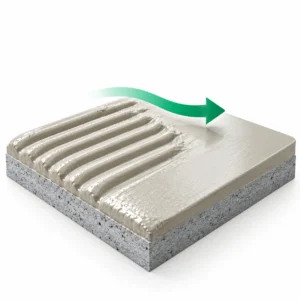
Improved workability for smooth mortar spreading and troweling
Improved Workability

PRODUCT SNAPSHOT

WHAT IS HPMC?

A Functional Cellulose Ether for Dry-Mix Mortar

Hydroxypropyl Methyl Cellulose (HPMC) is a non-ionic cellulose ether widely used in cement- and gypsum-based dry-mix formulations.

In construction materials, HPMC primarily functions as a water-retention and rheology-modifying additive, helping control consistency, workability, open time and fresh-mortar stability.

Product Type Hydroxypropyl Methyl Cellulose
Abbreviation HPMC
Polymer Type Non-Ionic Cellulose Ether
Grade Construction Grade HPMC
Main Functions Water Retention / Rheology Control / Workability / Open-Time Control
Primary Systems Cement-Based / Gypsum-Based Dry-Mix Mortar
Package 25kg/Bag, 14MT/20'FC, 28MT/40'GP
CAS No. 9004-65-3
HS Code 39123.90

SOLVE THE PERFORMANCE CHALLENGE

high water retention icon

Rapid Water Loss

Mortar loses moisture too quickly to the substrate or surrounding environment, reducing hydration efficiency and shortening workable application time.

Recommended: Improve Water Retention
extended open time icon

Short Open Time

The applied mortar surface loses workable and wetting capability too early, leaving insufficient time for tile placement, adjustment or finishing.

Recommended: Extended Open Time
Improved workability for smooth mortar spreading and troweling

Sagging & Tile Slip

Insufficient structural build-up can cause fresh mortar to sag on vertical surfaces or allow tiles to move after placement.

Recommended: Improved Rheology & Anti-Sag
Reliable fresh mortar consistency during mixing and application

High Drag & Difficult Application

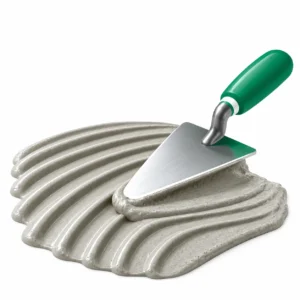
Excessive drag, poor spreadability or unsuitable consistency can make mortar difficult to trowel, level and finish.

Recommended: Optimized Workability

HOW HPMC WORKS

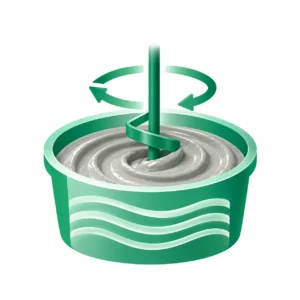
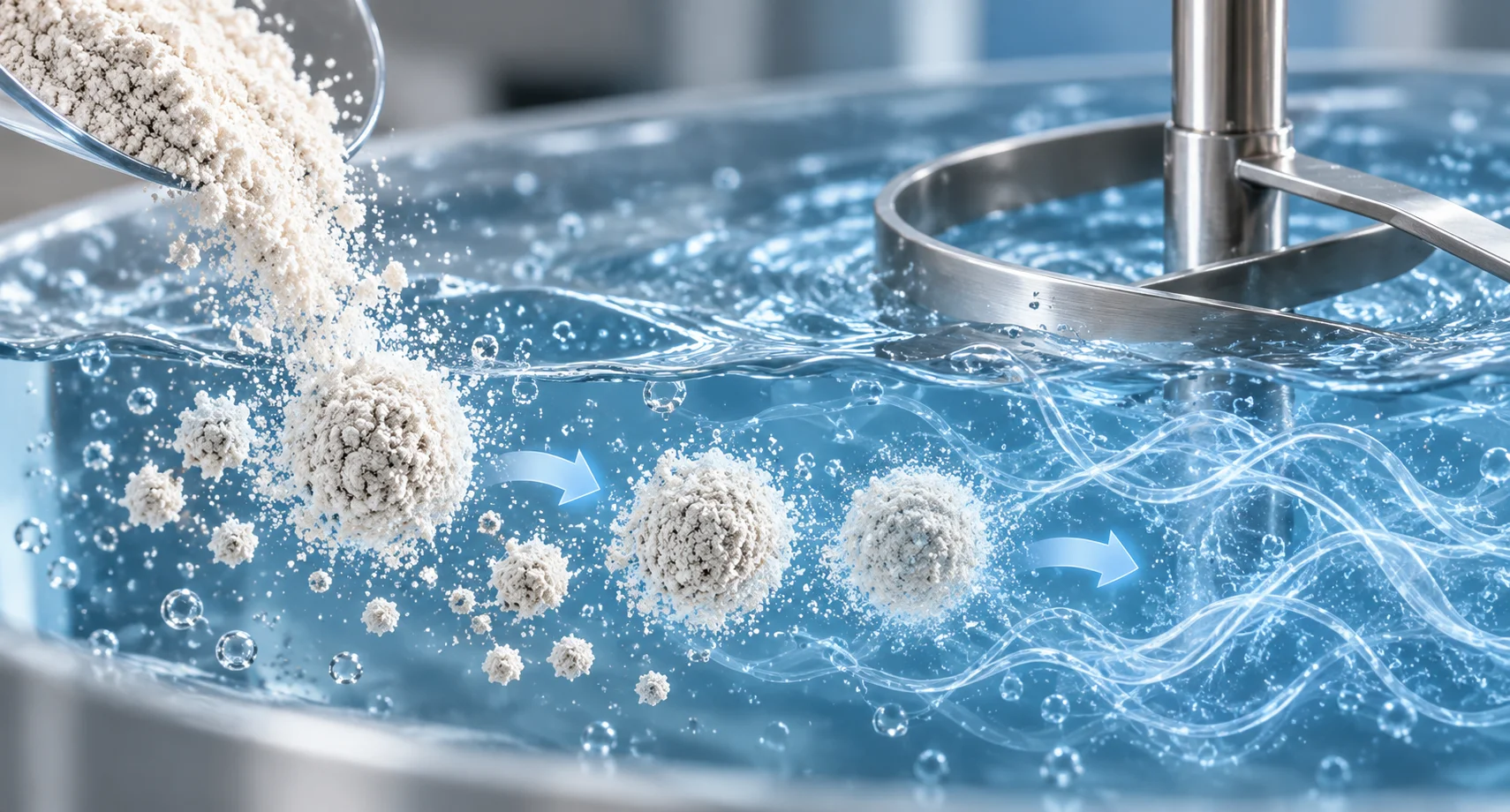
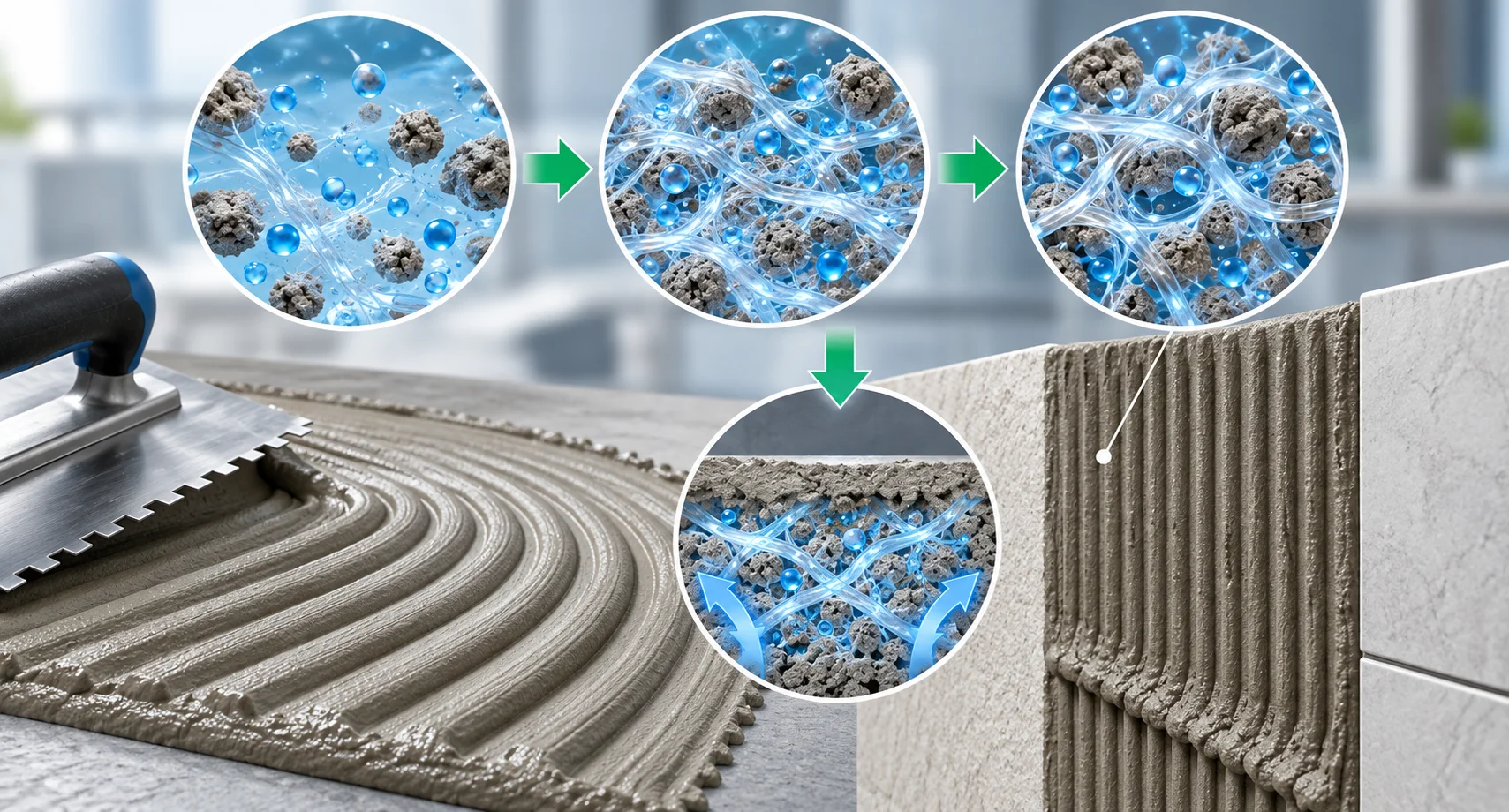
1. DISPERSION & HYDRATION.

HPMC disperses and hydrates within the aqueous phase

Polymer chains hydrate and dissolve during mixing, establishing the functional phase within fresh mortar.

HPMC disperses and hydrates within the aqueous phase
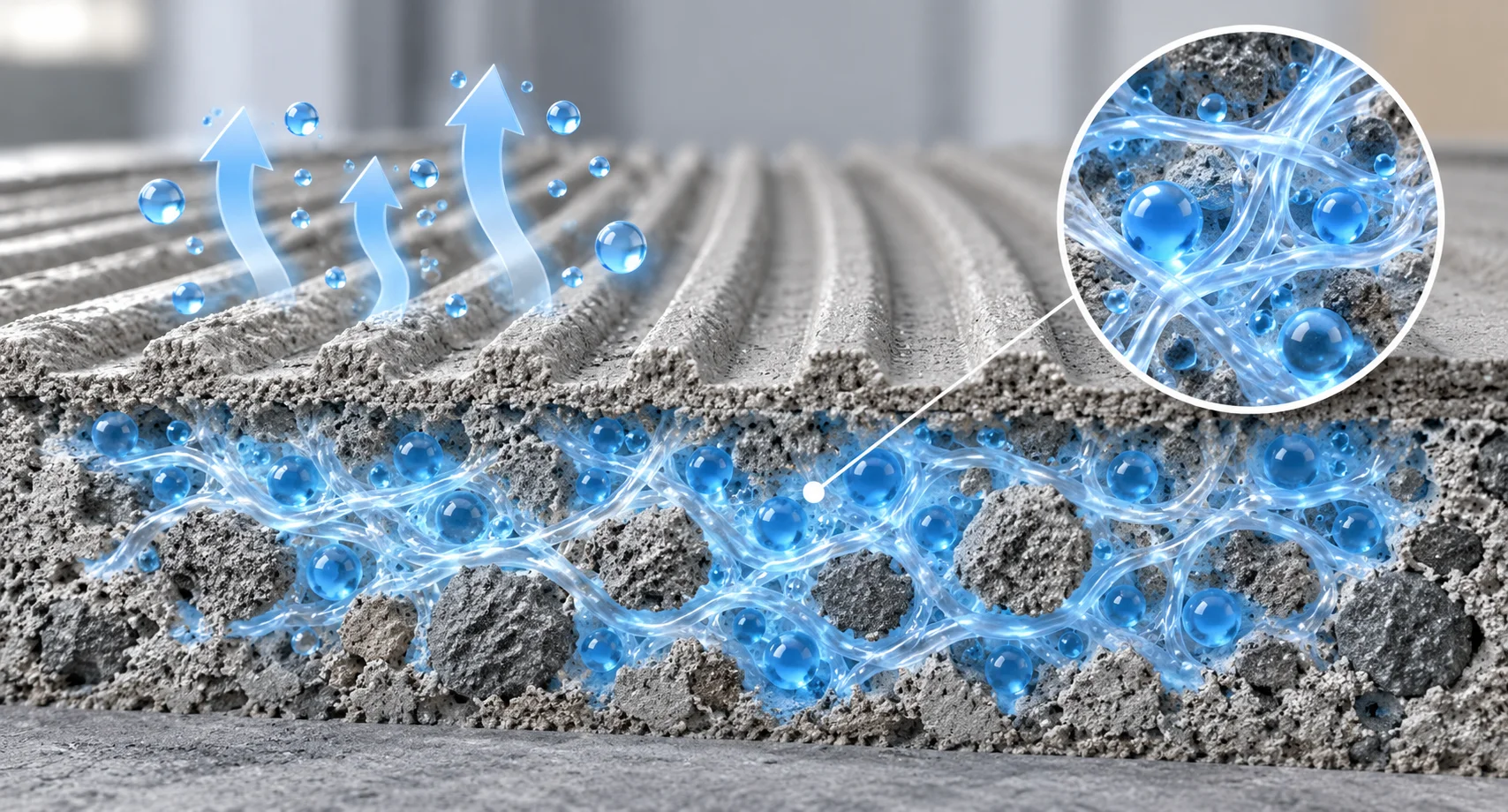
2. WATER RETENTION.

Hydrated HPMC helps control water movement within the mortar

It reduces rapid moisture loss and helps maintain water availability during application and early hydration.

Hydrated HPMC helps control water movement within the mortar
3. RHEOLOGY MODIFICATION.

HPMC modifies viscosity, flow behavior and structural stability

It balances smooth spreading during application with sufficient stability and sag resistance after application.

HPMC modifies viscosity, flow behavior and structural stability
4. APPLICATION CONTROL.

Balanced water and rheology improve application control

The optimized fresh-mortar system supports better workability, consistency, open time and application control.

Balanced water and rheology improve application control

CHOOSE THE RIGHT HPMC GRADE

Matching Cellulose Ether Performance to Mortar Requirements

POLYVIA™ HPMC grades are designed for different dry-mix mortar systems.
The optimum grade selection depends on viscosity level, water management requirements, rheology behavior, application method and target mortar performance.

Grade Viscosity, mPa.s Performance Profile Recommended Applications
HM400SL 400 Low-viscosity cellulose ether designed for flow control, water management and anti-segregation performance Self-Leveling Compounds / Flowable Dry-Mix Systems
HM50 50,000 Balanced viscosity, smooth application and general water retention control Gypsum Systems / General Dry-Mix Mortars
HM100 100,000 Balanced water retention, consistency control and workability Wall Putty / Skim Coat / General Mortars
HM150 150,000 Enhanced water retention, open time support and improved anti-sag performance Tile Adhesive / Rendering Mortars / EIFS
HM200 200,000 Higher viscosity structure control and improved resistance to sagging in demanding systems Heavy Tile Adhesive / High-Sag-Control Mortars
HM100M 100,000 Modified rheology profile for improved workability, smooth application and consistency Premium Putty / Gypsum Systems / General Mortars
HM150M 150,000 Optimized balance of open time, anti-sag behavior and application performance Premium Tile Adhesive / ETICS / Specialty Mortars

Relative performance direction for grade comparison. Actual performance depends on dosage, binder system, formulation composition and application conditions. M = Performance-Modified Grade. Grade selection should be confirmed through formulation trials.

TECHNICAL DATA

Property HM400SL HM50 HM100 HM150 HM200 HM100M HM150M
Appearance White to off-white powder White to off-white powder White to off-white powder White to off-white powder White to off-white powder White to off-white powder White to off-white powder
Viscosity, mPa.s, (2% aqueous solution, 20°C, Brookfield) 300-500 40,000–60,000 80,000–120,000 130,000-170,000 180,000–220,000 80,000–120,000 130,000–170,000
Methoxy Content 19 – 30% 19 – 30% 19 – 30% 19 – 30% 19 – 30% 19 – 30% 19 – 30%
Hydroxypropoxy Content 4 – 12% 4 – 12% 4 – 12% 4 – 12% 4 – 12% 4 – 12% 4 – 12%
Moisture, % ≤5.0 ≤5.0 ≤5.0 ≤5.0 ≤5.0 ≤5.0 ≤5.0
Ash content, % ≤3.0 ≤5.0 ≤5.0 ≤5.0 ≤5.0 ≤7.0 ≤5.0
pH Value 5.0–8.0 5.0–8.0 5.0–8.0 5.0–8.0 5.0–8.0 5.0–8.0 5.0–8.0
Particle Size, pass 80 mesh, % ≥98 ≥98 ≥98 ≥98 ≥98 ≥98 ≥98

DOSAGE & USE GUIDANCE

Practical Starting Points for HPMC in Dry-Mix Formulations

HPMC dosage and addition should be selected according to the application, product grade, binder system and required fresh-mortar performance. Uniform dry dispersion and sufficient hydration are important for consistent formulation performance.

Typical Dosage
For cementitious tile adhesives, a practical starting dosage is typically 0.25–0.50% of total dry-mix weight. Other dry-mix mortar systems may require different dosage ranges depending on formulation design and performance targets.

Recommended Addition Sequence

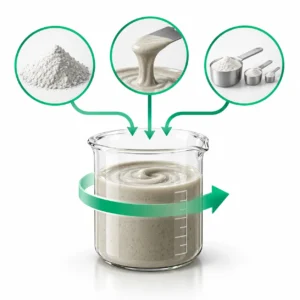
Dry Blending → HPMC Addition → Water Addition → Mixing → Hydration / Maturation → Final Mixing → Application

HPMC is normally incorporated during dry blending to promote uniform distribution throughout the powder formulation. After water addition, mix sufficiently to develop a homogeneous mortar consistency. Where required by the formulation, allow adequate hydration or maturation before final mixing and application.

Technical Note: Final HPMC dosage, mixing time and addition sequence should be optimized for the specific formulation, raw materials, production process and required application performance.


APPLICATIONS

HPMC Cellulose Ether for Application-Matched Dry-Mix Performance

POLYVIA™ HPMC provides application-matched water management, rheology control, open time and workability optimization for tile adhesives, wall putty, gypsum systems and specialty dry-mix formulations.

TILE & CEMENT SYSTEMS

Tile Adhesive (C1/C2 Systems)

Tile Adhesive (C1/C2 Systems)

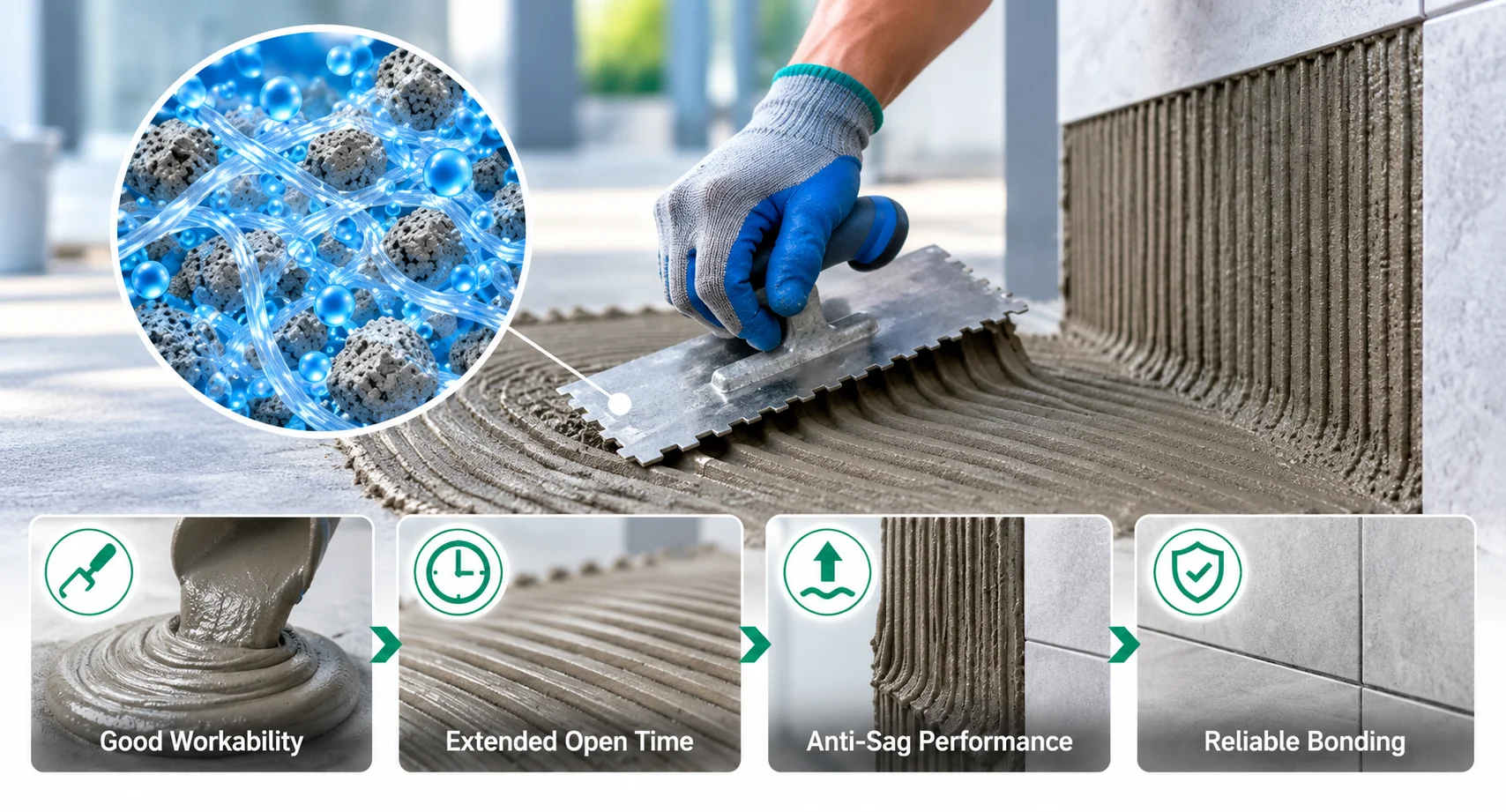
POLYVIA™ HPMC helps optimize tile adhesive formulations through controlled water retention, rheology adjustment and improved workability. Suitable for cement-based tile adhesives requiring stable consistency, extended open time, slip resistance and reliable bonding performance.

EIFS / ETICS

EIFS / ETICS

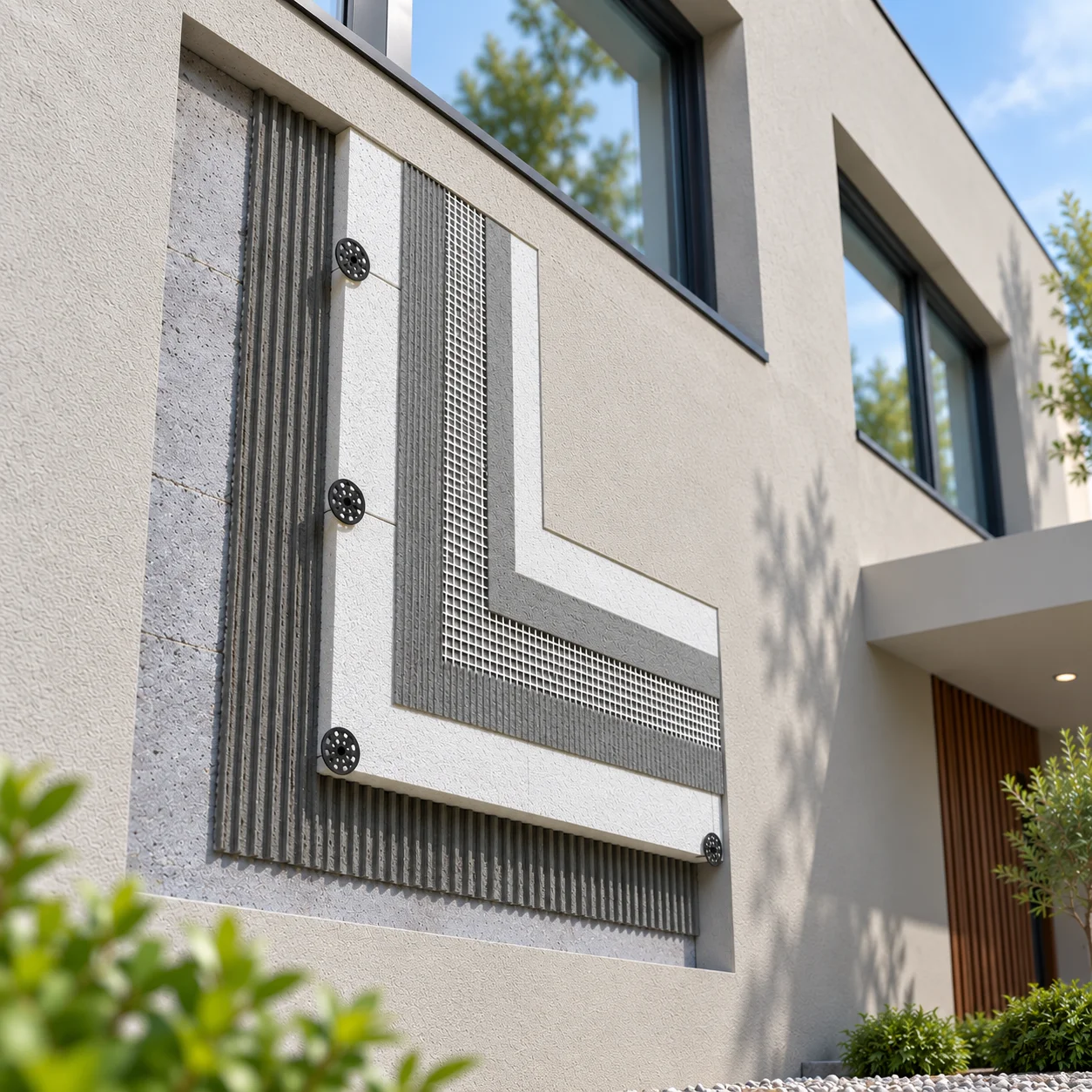
POLYVIA™ HPMC supports EIFS and ETICS mortar systems by improving water management, application consistency and resistance to sagging. Suitable for base coats, adhesive mortars and exterior insulation formulations requiring reliable workability and durability.

Wall Putty & Skim Coat

Wall Putty & Skim Coat

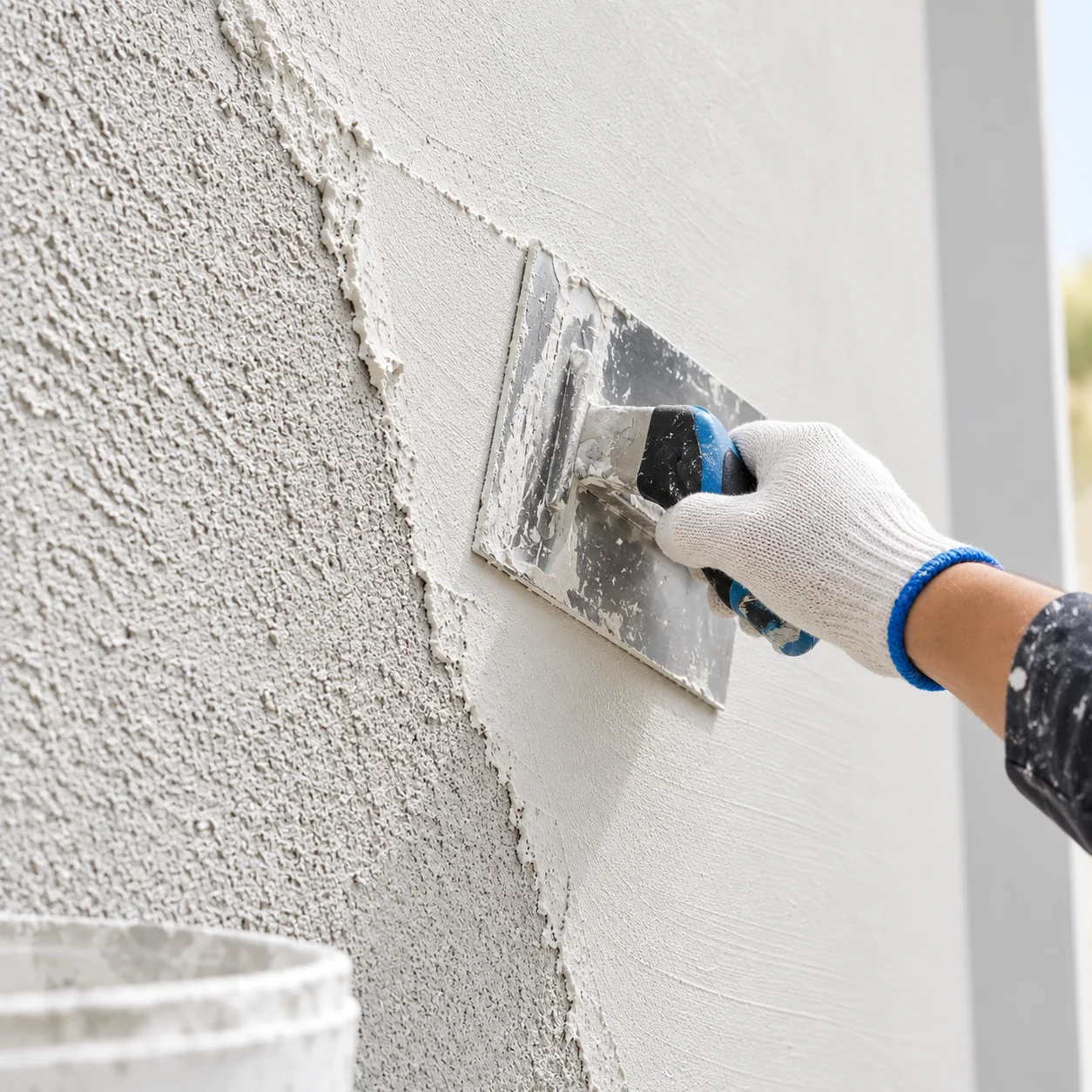
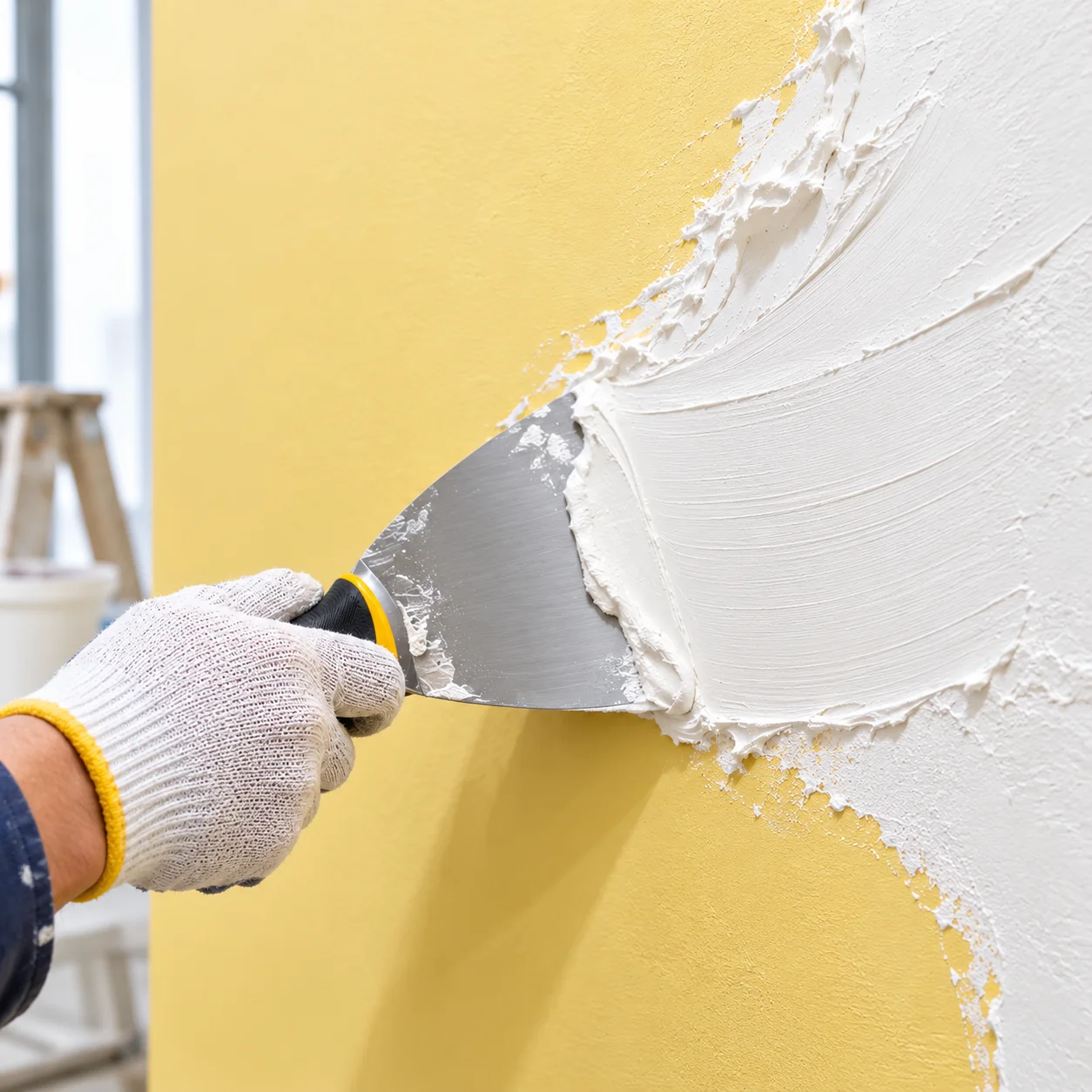
POLYVIA™ HPMC provides balanced water retention and rheological control for wall putty and skim coat formulations. It helps improve smoothness, spreadability, consistency and application performance for cement-based finishing materials.

Repair Mortar

Repair Mortar

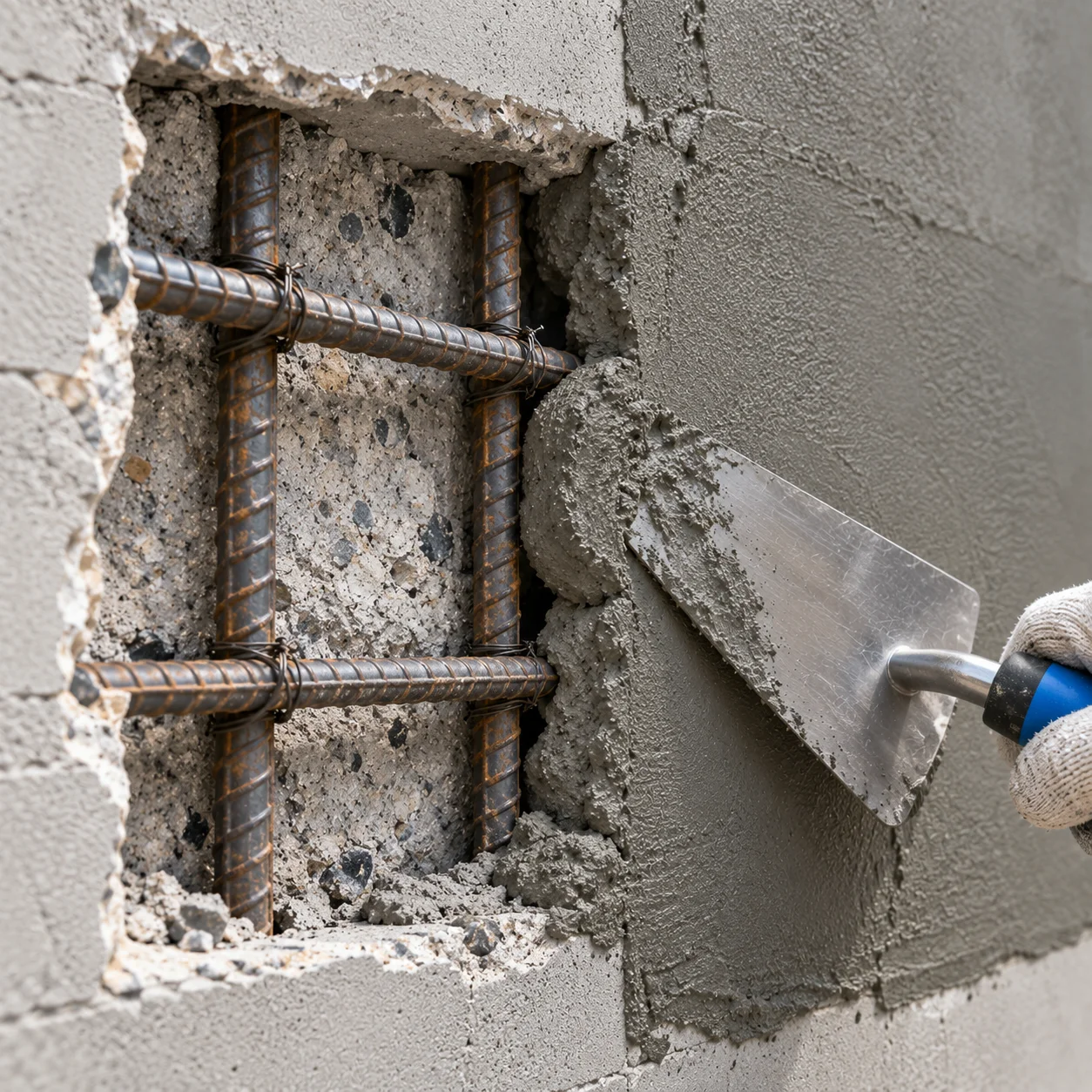
POLYVIA™ HPMC improves water management, cohesion and application behavior in repair mortar systems. It supports stable mortar consistency, reduced water loss and reliable performance for concrete repair and renovation applications.

DRY-MIX SYSTEMS

Gypsum Plaster & Gypsum Mortar

Gypsum Plaster & Gypsum Mortar

POLYVIA™ HPMC provides controlled water retention and rheology adjustment for gypsum plaster, gypsum mortar and interior finishing applications. It supports smooth application, consistent texture and improved handling performance.

Self-Leveling Compound

Self-Leveling Compound

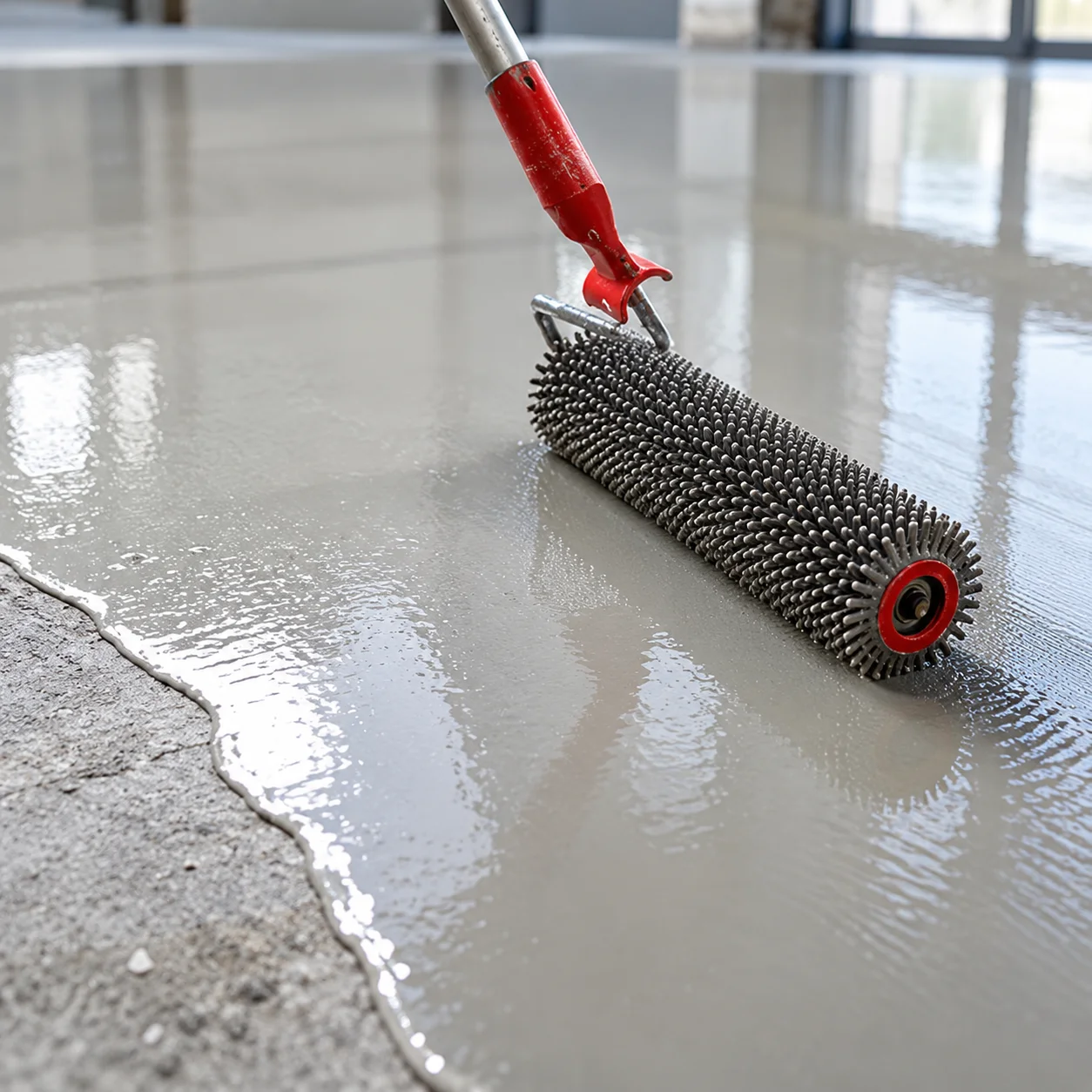
POLYVIA™ low-viscosity HPMC grades are designed for self-leveling compounds requiring controlled water management, suspension stability and flow performance. It helps maintain uniformity while minimizing segregation during application.

Render & Plaster Mortar

Render & Plaster Mortar

POLYVIA™ HPMC supports render and plaster mortar formulations by improving water retention, consistency and application properties. Suitable for interior and exterior rendering systems requiring stable workability and surface quality.

Tile Grout

Tile Grout

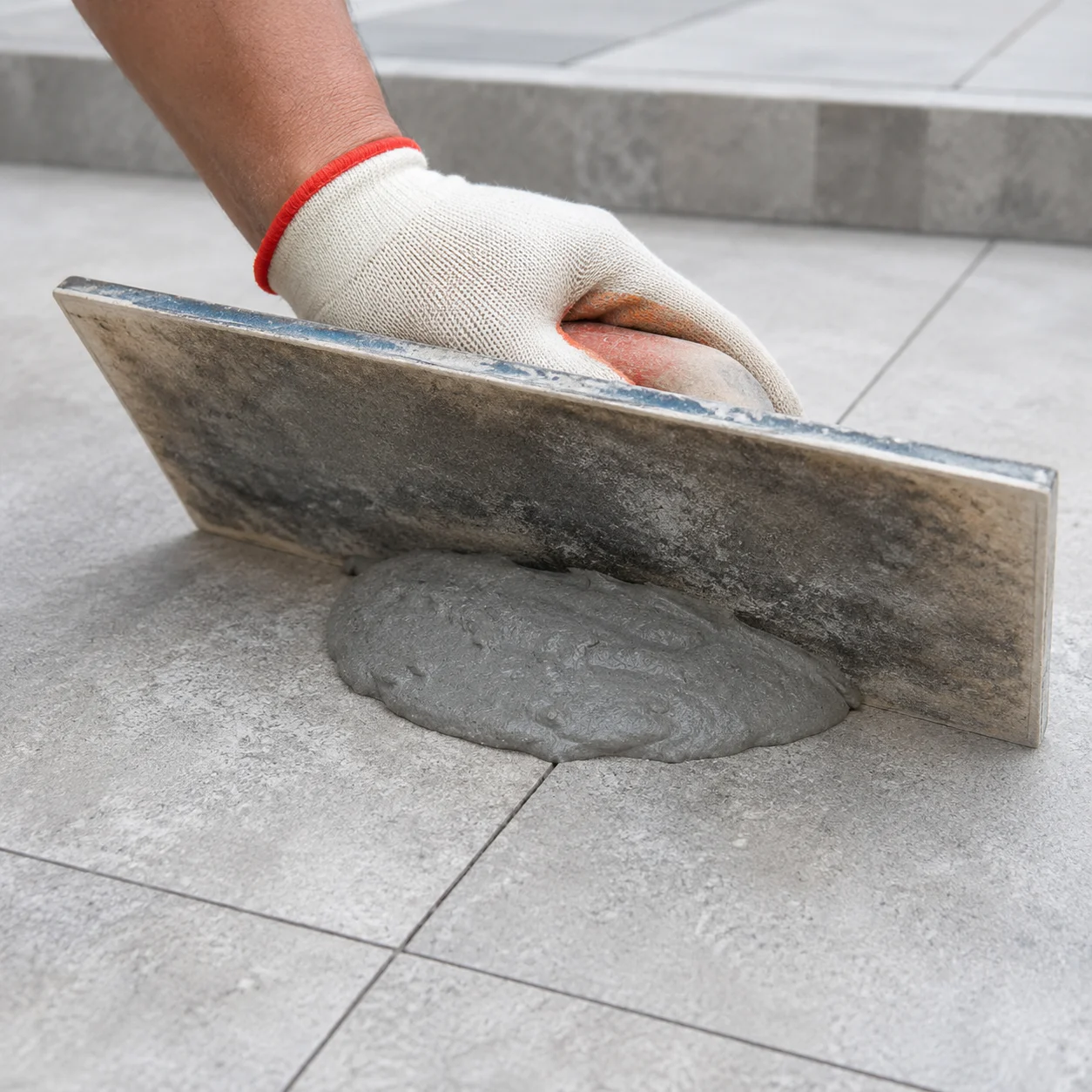
POLYVIA™ HPMC helps tile grout formulations achieve controlled rheology, stable water retention and improved application performance. It supports smooth spreading, consistent texture and reliable performance in cement-based grout systems.
Performance Note: Final performance depends on HPMC grade, dosage, binder system and the complete dry-mix formulation.

APPLICATION PERFORMANCE

Practical Performance of HPMC in Dry-Mix Mortar

HPMC helps translate controlled water retention and rheology into more predictable application performance across tile adhesives, renders, plasters and other dry-mix mortar systems.

Reliable fresh mortar consistency during mixing and application

Reliable Fresh-Mortar Consistency

Helps maintain stable fresh-mortar behavior from mixing through application for more predictable jobsite handling.

Improved workability for smooth mortar spreading and troweling

Smooth Trowelability

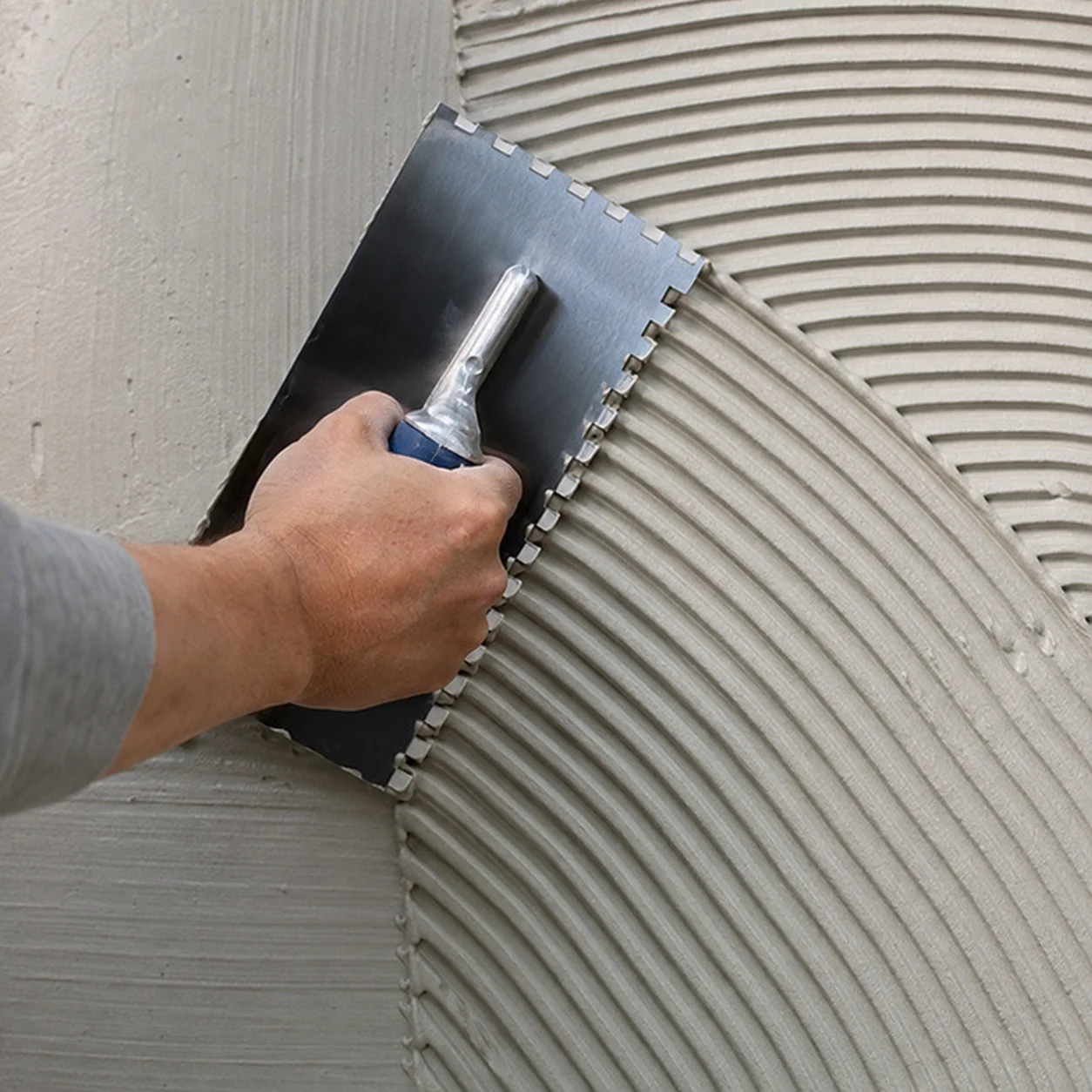
Supports smooth spreading and troweling with controlled drag for easier, more uniform mortar application.

Controlled vertical stability and sag resistance in mortar

Controlled Vertical Stability

Helps mortar maintain structure on vertical surfaces, supporting reduced sag and tile slip during application.

extended open time icon

Extended Working Open Time

Maintains workable mortar for placement, adjustment and finishing under typical application conditions.

Uniform mortar application and consistent surface finishing

Uniform Application & Finishing

Supports even mortar distribution and controlled fresh-state behavior for more consistent coverage and finishing.

Formulation adaptability through grade viscosity and dosage adjustment

Formulation Adaptability

Enables performance to be adjusted through HPMC grade, viscosity and dosage for different dry-mix formulations.

Performance Note: Final performance depends on HPMC grade, dosage, binder system and the complete dry-mix formulation.

TECHNICAL INFORMATION

HPMC Performance Depends on the Complete Formulation System

HPMC Is Not Selected by Viscosity Alone

HPMC performance depends on the interaction between cellulose ether grade, dosage level, binder system, polymers, admixtures and application requirements.

POLYVIA™ evaluates HPMC as part of the complete mortar system to achieve balanced water retention, rheology control, open time and application performance.
Binder System

Cement, gypsum and mineral components influence hydration behavior, water demand and cellulose ether performance. The binder system plays an important role in determining mortar consistency, water management and final application behavior.

HPMC Grade & Dosage

Selecting the appropriate HPMC grade requires consideration of viscosity level, modification type and dosage. These factors directly influence water retention, rheology control, open time and fresh mortar performance.

Water & Solids Balance

Water demand, filler content and aggregate grading affect mortar flow behavior, consistency and workability. A balanced water and solids system helps achieve stable application performance and formulation efficiency.

Application Requirements

Different applications require different performance priorities. Open time, anti-sag behavior, slip resistance and spreadability should be optimized according to the specific construction method and target mortar performance.

RDP Powder

RDP works together with HPMC in polymer-modified mortar systems to support adhesion strength, flexibility, crack resistance and overall application performance. The interaction between cellulose ether and polymer modification influences final mortar behavior.
PCE Superplasticizer

In high-performance and flowable mortar systems, PCE interaction with HPMC should be carefully evaluated. Proper compatibility helps maintain rheology balance, workability and admixture efficiency.

Starch Ether

Starch ether can complement HPMC in applications requiring additional rheology adjustment, anti-sag performance and improved application control. The combination helps optimize mortar handling characteristics.

Defoamer

Defoamer helps control entrained air within dry-mix formulations and supports improved density, surface quality and application consistency. Proper air management contributes to more stable mortar performance.

HPMC VS OTHER CELLULOSE ETHERS

SELECT THE RIGHT CELLULOSE ETHER FOR YOUR APPLICATION

Hydroxypropyl Methylcellulose (HPMC), Methyl Hydroxyethyl Cellulose (MHEC) and Hydroxyethyl Cellulose (HEC) are all water-soluble cellulose ethers, but they provide different performance characteristics depending on the application system.

The right cellulose ether selection should consider water retention, rheology control, workability requirements, formulation compatibility and application conditions.

PropertyHPMCMHECHEC
Primary FunctionWater Retention & WorkabilityWater Retention & Rheology ControlThickening + Rheology Control
Main Application FocusOpen Time, Anti-Sag, Slip Resistance, WorkabilityConsistency Control, Water Management, Application StabilityViscosity Build, Suspension, Flow Control
Typical Application SystemsCement-Based & Gypsum-Based Dry-Mix MortarsAdvanced Dry-Mix Mortars & Specialty Construction SystemsWater-Based Liquid Formulations
Water Retention AbilityExcellentExcellentModerate
Open Time ImprovementExcellentExcellentLimited
Anti-Sag PerformanceExcellentExcellentLimited
Workability ImprovementExcellentExcellentModerate
Thickening EfficiencyBalancedBalancedHigh
Recommended ApplicationsTile Adhesive, Wall Putty, Gypsum Plaster, Self-Leveling MortarPremium Tile Adhesive, EIFS, Renders, Specialty Dry-Mix MortarsPaints, Coatings, Detergents, Water-Based Systems
Need Help Selecting the Right Cellulose Ether?

POLYVIA provides technical support for cellulose ether selection based on application requirements, formulation conditions and target performance.

Explore Related Products:

→ MHEC Solutions
→ HEC Solutions

TECHNICAL SUPPORT

Technical Support for Cellulose Ether Applications

As an experienced HPMC cellulose ether supplier, POLYVIA provides technical support beyond material supply, including grade selection, formulation evaluation and application guidance for dry-mix mortar systems.

FREQUENTLY ASKED QUESTIONS

What is HPMC used for in dry-mix mortar? +

HPMC (Hydroxypropyl Methyl Cellulose) is a cellulose ether used to control water retention, rheology, consistency, workability and open time in dry-mix mortar.

It is widely used in tile adhesives, wall putty, skim coats, renders, plasters, EIFS/ETICS and gypsum-based systems where controlled fresh-mortar performance is required.

How do I choose the right HPMC grade for my application? +

The right HPMC grade should be selected according to the application, binder system, viscosity, water retention, rheology, open time and required workability.

Viscosity alone should not determine HPMC selection. A tile adhesive, wall putty, gypsum plaster and self-leveling formulation may require very different cellulose ether performance even when similar viscosity grades are considered.

Does higher HPMC viscosity mean better mortar performance? +

No. Higher HPMC viscosity does not automatically mean better water retention, longer open time or better overall mortar performance.

The optimum viscosity depends on the formulation and application. HPMC should be evaluated together with its modification level, water retention, rheological behavior and compatibility with the complete dry-mix system.

How much HPMC should be used in dry-mix mortar? +

Typical HPMC dosage is approximately 0.15–0.50% of total dry-mix weight, depending on the application and formulation.

For cementitious tile adhesive, practical starting ranges are 0.25–0.35% for C1, 0.30–0.40% for C2, 0.35–0.45% for C2TE/C2TES1, and 0.40–0.50% for large-format or sintered-stone adhesive.

Final dosage should be adjusted according to HPMC grade, binder chemistry, water demand and required fresh-mortar performance.

Why does tile adhesive still have a short open time after adding HPMC? +

Short open time can result from rapid water loss, high temperature, low humidity, absorbent substrates, unsuitable HPMC selection or insufficient dosage.

Increasing viscosity alone may not solve the problem. HPMC grade, dosage, water retention, cement chemistry, water demand and the complete tile adhesive formulation should be evaluated together.

Can HPMC help reduce tile slip and mortar sagging? +

Yes. Properly selected HPMC helps control fresh-mortar rheology and structural stability, supporting anti-sag performance and reduced tile slip on vertical surfaces.

However, final slip resistance also depends on HPMC modification, dosage, water addition, filler system and other rheology-controlling additives in the formulation.

What is the difference between HPMC and RDP in dry-mix mortar? +

HPMC and RDP perform different but complementary functions.

HPMC mainly controls water retention, rheology, consistency, open time and workability, while RDP (Redispersible Polymer Powder) mainly contributes to adhesion, flexibility and polymer modification of the hardened mortar.

Neither should be treated as a direct replacement for the other; their dosages should be balanced according to the required fresh- and hardened-mortar performance.

Can HPMC be used with PCE superplasticizer? +

Yes. HPMC and PCE (polycarboxylate ether) superplasticizer can be used together in cement-based dry-mix systems, but their compatibility should be evaluated in the complete formulation.

PCE Superplasticizer primarily controls cement dispersion, water reduction and flowability, while HPMC contributes to water retention, viscosity and fresh-mortar rheology. Their grades and dosages should therefore be balanced to achieve the required combination of flow, stability and workability.

NOT SURE WHICH HPMC GRADE FITS YOUR FORMULATION?

Share your application, binder system, target viscosity and performance requirements. Our technical team can recommend a suitable HPMC grade and dosage starting point.

HPMC