Fiber Dispersion
Water-soluble adhesive releases individual fibers during mixing, enabling distributed reinforcement throughout the concrete matrix when appropriate mixing procedures are followed.

POLYVIA™ Glued Steel Fiber combines high-strength steel wire with a bundled configuration for convenient handling and controlled dispersion during concrete mixing. Designed for industrial flooring, precast concrete and infrastructure applications, it supports crack control, residual strength and post-cracking toughness.
POLYVIA™ Glued Steel Fiber is a high-tensile concrete reinforcement material made from cold-drawn steel wire, with individual fibers bonded into aligned bundles using a water-soluble adhesive.
During concrete mixing, the adhesive dissolves, releasing individual fibers into the mixture. Once embedded, the fibers help transfer tensile forces across developing cracks and improve the concrete’s post-cracking response.
The product is available in multiple geometries to accommodate different concrete compositions, placement conditions and reinforcement requirements.
Steel fiber reinforcement combines effective dispersion with mechanical anchorage and crack-bridging action to improve the post-cracking behavior of concrete.
Water-soluble adhesive releases individual fibers during mixing, enabling distributed reinforcement throughout the concrete matrix when appropriate mixing procedures are followed.
Hooked fiber ends resist pullout from the surrounding concrete, supporting stress transfer between the fibers and cementitious matrix.
Fibers crossing a developing crack transfer tensile forces across the crack plane, helping control crack opening and preserve residual strength.
Fiber deformation, interfacial debonding and progressive pullout dissipate energy, supporting improved toughness and a less brittle response after cracking.
POLYVIA™ offers P-series Glued Steel Fiber grades with different lengths, equivalent diameters and aspect ratios for concrete reinforcement applications.
| Model | Diameter (mm) | Length (mm) | Aspect Ratio | Tensile Strength (MPa) |
|---|---|---|---|---|
| P-65/60 | 0.92 | 60 | 65 | >1100 |
| P-80/60 | 0.75 | 60 | 80 | >1100 |
| P-65/50 | 0.77 | 50 | 65 | >1100 |
| P-65/35 | 0.54 | 35 | 65 | >1100 |
| P-45/35 | 0.77 | 35 | 45 | >1100 |
| P-55/30 | 0.54 | 30 | 55 | >1100 |
| P-55/30 | 0.50 | 30 | 60 | >1100 |

Reinforces factory floors, warehouse slabs and heavy-duty industrial flooring, supporting residual flexural strength and crack control under service loads.
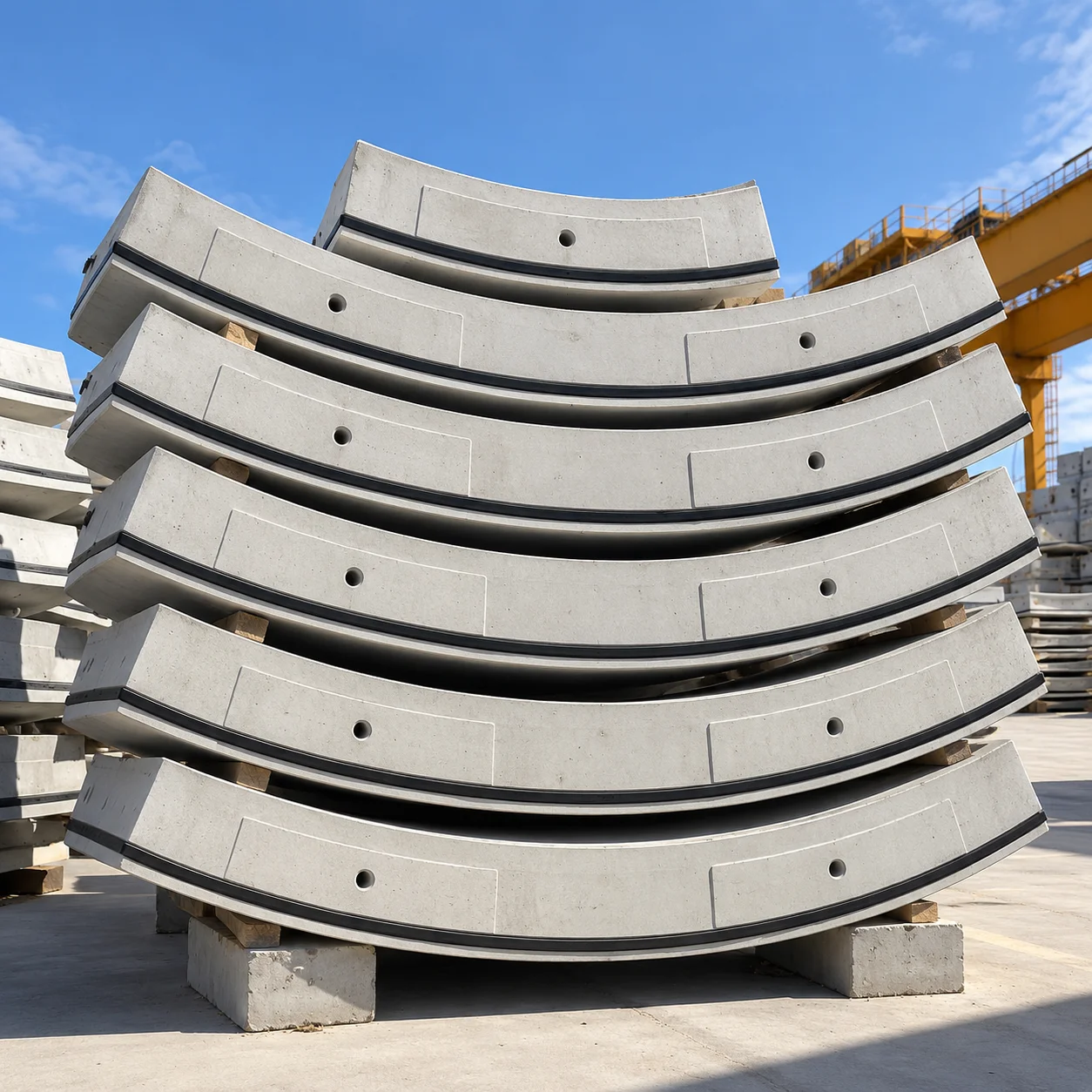
Supports reinforcement in precast piles, structural components and prefabricated concrete elements where controlled cracking and toughness are required.
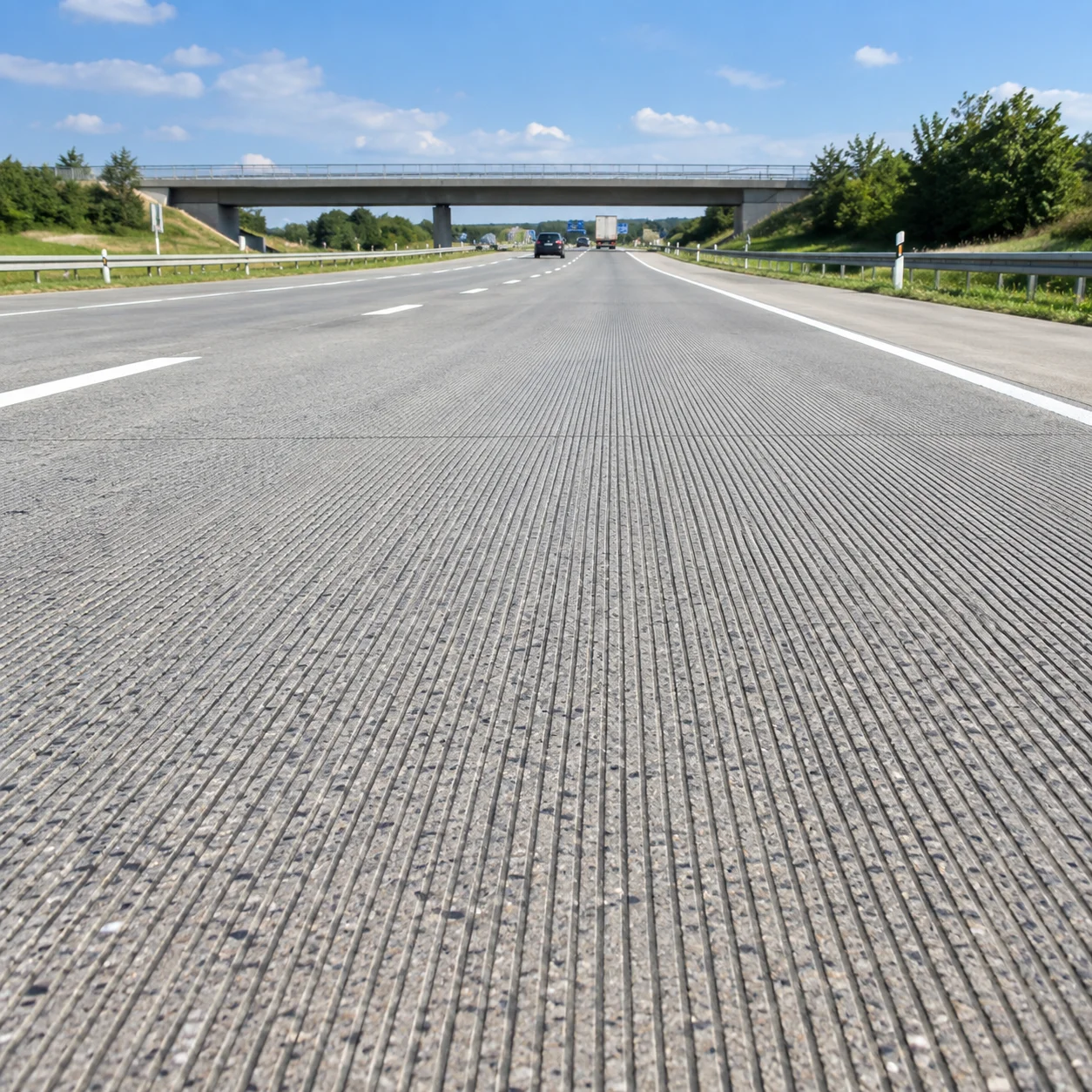
Used in road pavements and airport concrete slabs to improve crack control and residual load-bearing behavior under repeated loading.
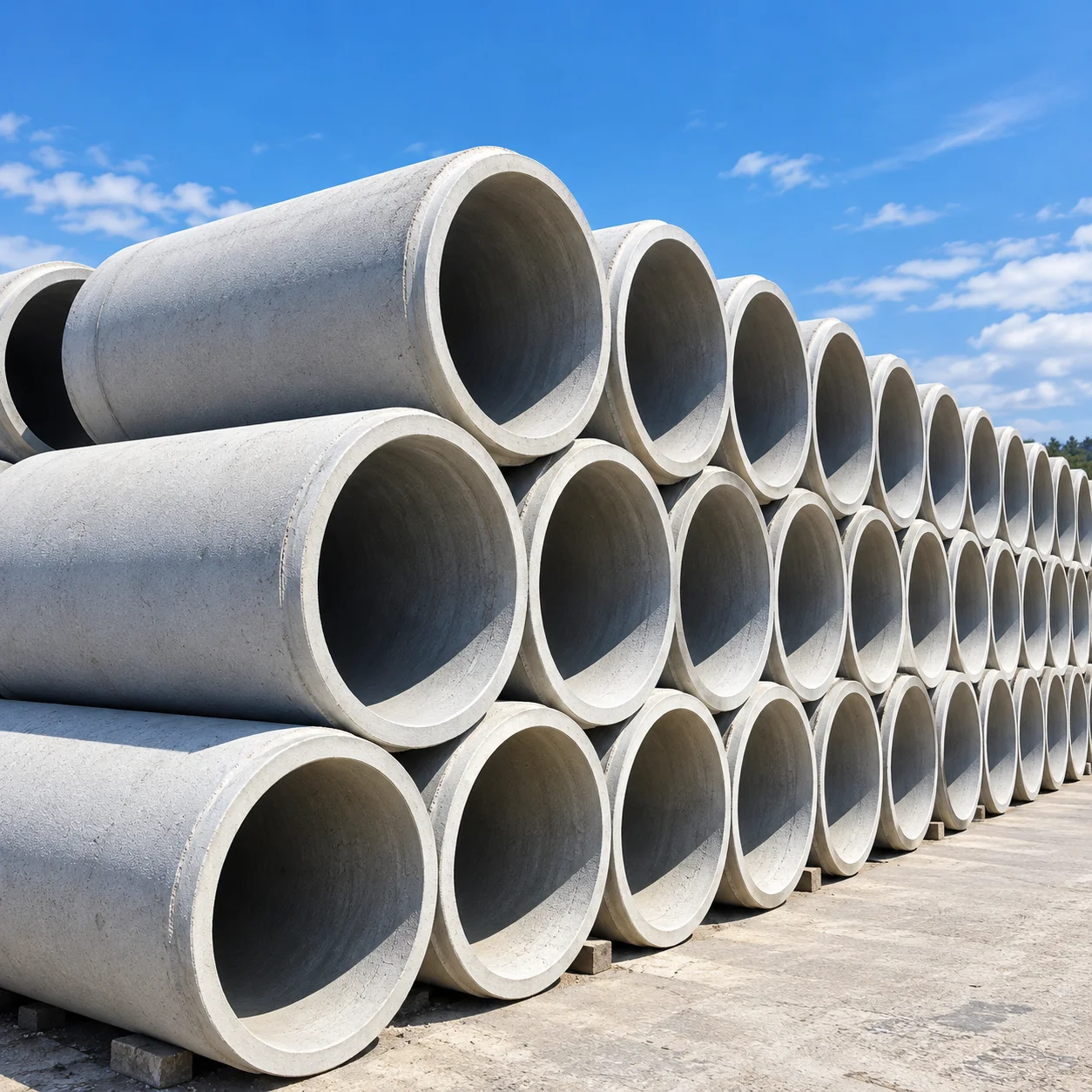
Provides distributed reinforcement in selected concrete pipe and culvert systems designed for internal pressure or external loading.

Can be incorporated into engineered bridge decks, box girders and selected concrete components to support crack control and structural toughness.
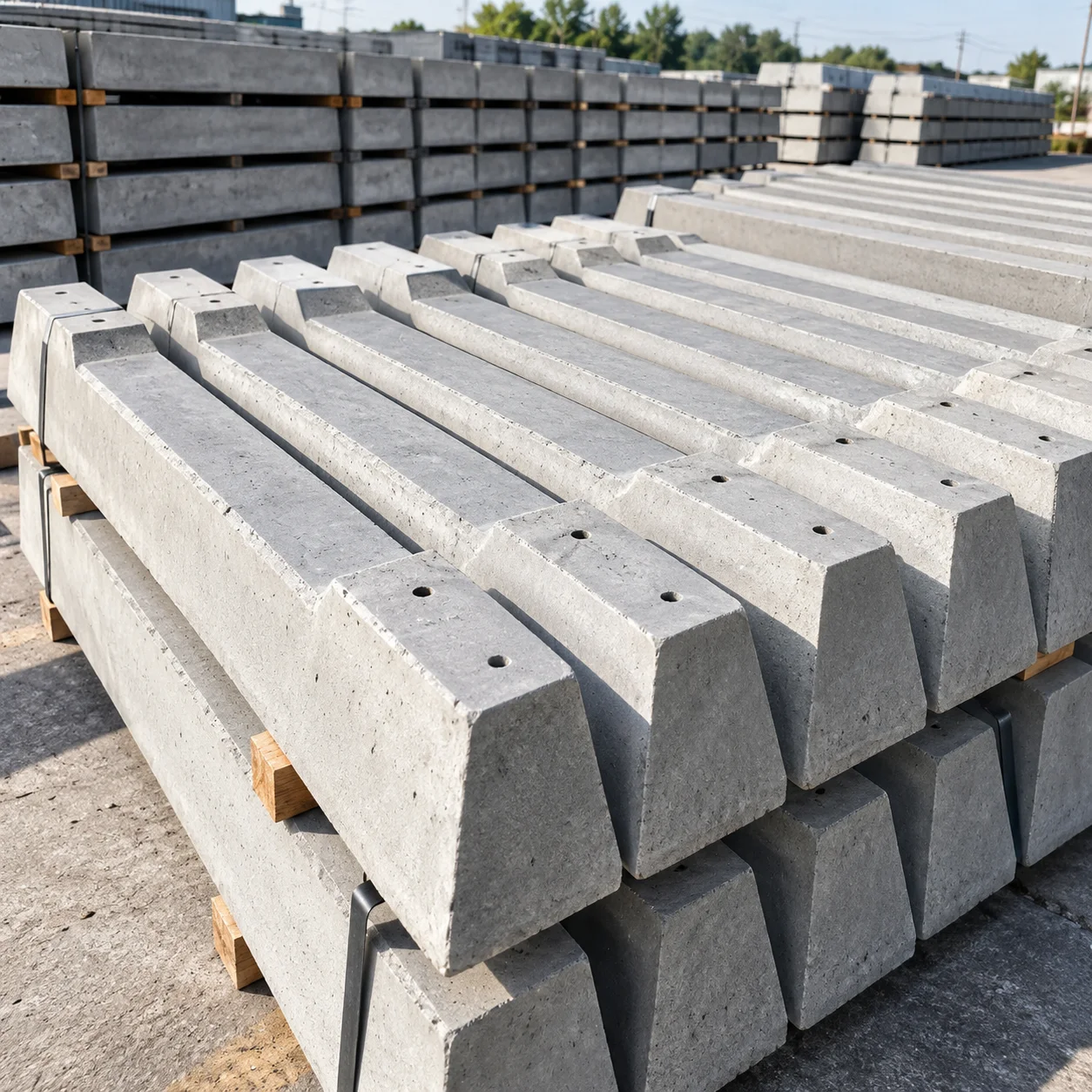
Can be evaluated for prestressed and twin-block railway sleepers requiring reinforcement performance under repeated rail traffic loading.

Applicable to selected spillways, sluice gates, channels and water infrastructure where mechanical resistance and crack control are important.

May be evaluated for quay structures, wharves and protective concrete layers subject to project-specific structural and exposure requirements.
The following information is reproduced from the supplied brochure for technical reference. Final dosage and concrete mix proportions must be confirmed through project-specific engineering evaluation.
| Parameter | Specification |
|---|---|
| Cement Grade | ≥ Grade 425 |
| Water–Cement Ratio | ≤0.50 |
| Maximum Coarse Aggregate Size | ≤2/3 of fiber length |
| Fiber Volume Fraction | 0.5–3% |
| Recommended Volume Fraction | 1.5–2.5% |
| Fiber Dosage | 5–30 kg/m³ |
| Recommended Dosage | 15–25 kg/m³ |
| Sea Sand | Prohibited |
| Chloride Salt Additives | Prohibited |
Step 01 — Steel Fiber + Coarse Aggregate | 30 s
Add steel fibers and coarse aggregate. Mix for 30 seconds.
Step 02 — Sand & Cement | 30 s
Add sand and cement. Mix for another 30 seconds.
Step 03 — Water | 3 min
Add mixing water and mix for 3 minutes.
Place and compact concrete continuously. Finish surfaces to address exposed fibers. The brochure specifies curing after 24 hours, with summer coverings and winter insulation. Follow applicable construction standards and site conditions.
POLYVIA™ Glued Steel Fiber is supplied in 20 kg cartons or composite paper bags, with 1,500–2,000 kg per pallet. Customized packaging is available upon request.
Storage: Storage conditions and shelf life are not specified in the source brochure. Contact POLYVIA for details.
The appropriate fiber grade depends on fiber geometry, aggregate grading, concrete workability, reinforcement objectives and placement conditions.
| Selection Factor | Engineering Consideration |
|---|---|
| Fiber Length | Influences crack bridging and compatibility with aggregate size |
| Fiber Diameter | Affects fiber count per unit mass and individual fiber stiffness |
| Aspect Ratio | Influences fiber engagement, pullout behavior and mixing demands |
| Mix Compatibility | Requires evaluation of workability, dosage and dispersion |
POLYVIA™ provides technical guidance for grade selection, concrete mix compatibility and fiber dispersion. Project-specific trials are recommended before finalizing reinforcement specifications.
Glued Steel Fiber consists of individual steel fibers bonded into bundles using a water-soluble adhesive. The bundles facilitate controlled addition, while the fibers separate during mixing to provide distributed concrete reinforcement.
Dosage depends on structural design, concrete composition and target residual strength. The brochure’s dosage values require reconciliation, so a final recommendation should be established through engineering evaluation and concrete trials.
Controlled fiber addition, suitable aggregate grading and adequate mixing help reduce fiber balling. Mixing procedures should be evaluated for the specific concrete composition and equipment.
Yes. Steel fibers can reduce workability, particularly at higher dosages and aspect ratios. Concrete mix proportions and admixture compatibility may need adjustment.
Partial or complete replacement may be possible in certain engineered applications, subject to applicable design standards, structural calculations and verified residual strength performance.
Grade selection should consider fiber length, diameter, aspect ratio, aggregate grading and reinforcement objectives. Project-specific testing helps confirm the appropriate specification.
Glued Steel Fiber is used in industrial floors, precast concrete, tunnel linings and other engineered concrete structures requiring crack control, flexural toughness and residual load-bearing capacity.
The water-soluble adhesive holds steel fibers together during handling and addition. During wet mixing, the adhesive dissolves, allowing individual fibers to separate and disperse throughout the concrete matrix.
POLYVIA™ provides P-series Glued Steel Fiber specifications and technical guidance for concrete reinforcement applications. Contact our team to discuss product selection, concrete mix requirements and purchasing needs.