Asphalt Matrix Reinforcement
Basalt fibers disperse throughout the asphalt mixture, forming distributed reinforcing elements within the aggregate–binder structure and supporting more uniform internal reinforcement.
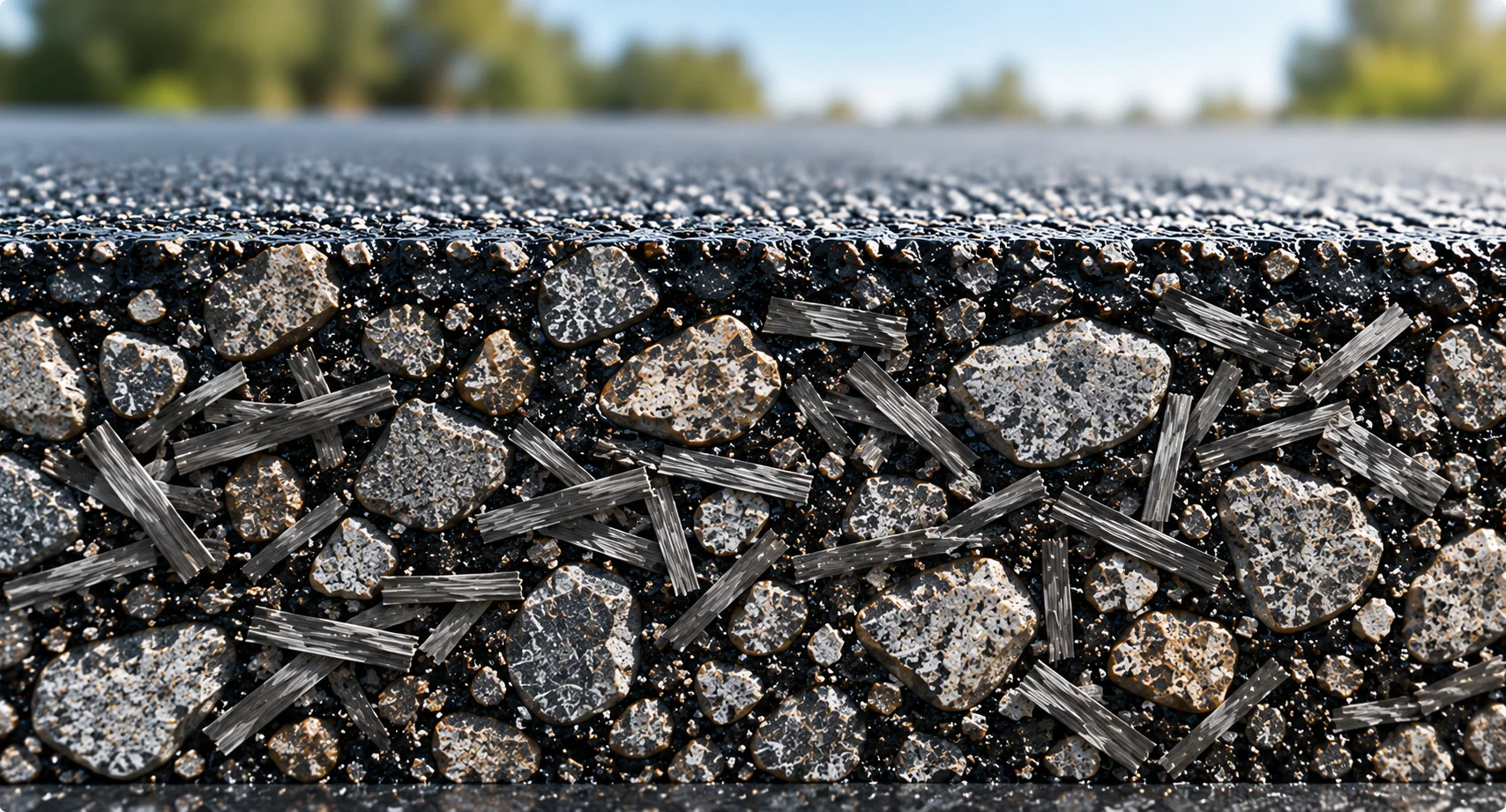

POLYVIA™ Basalt Fiber is a high-strength inorganic reinforcement fiber designed for asphalt mixtures, concrete, mortar and infrastructure applications.
With ≥1200 MPa tensile strength and ≥75 GPa elastic modulus, uniformly dispersed basalt fibers reinforce the material matrix, distribute localized stress and support crack resistance and engineering performance under demanding service conditions.
POLYVIA™ Basalt Fiber is an inorganic mineral fiber produced from natural basalt rock and processed into short fibers for reinforcement in asphalt, concrete, mortar and compatible engineering material systems.
With high tensile strength, high elastic modulus and stable inorganic fiber characteristics, dispersed basalt fibers provide multidirectional reinforcement throughout the material matrix.
This makes Basalt Fiber suitable for applications ranging from asphalt pavement and transportation infrastructure to concrete, mortar and high-performance cementitious materials.
Basalt fibers disperse throughout the asphalt mixture, forming distributed reinforcing elements within the aggregate–binder structure and supporting more uniform internal reinforcement.
Dispersed basalt fibers interact with the surrounding asphalt matrix, helping distribute localized stresses associated with traffic loading, repeated deformation and temperature variation.
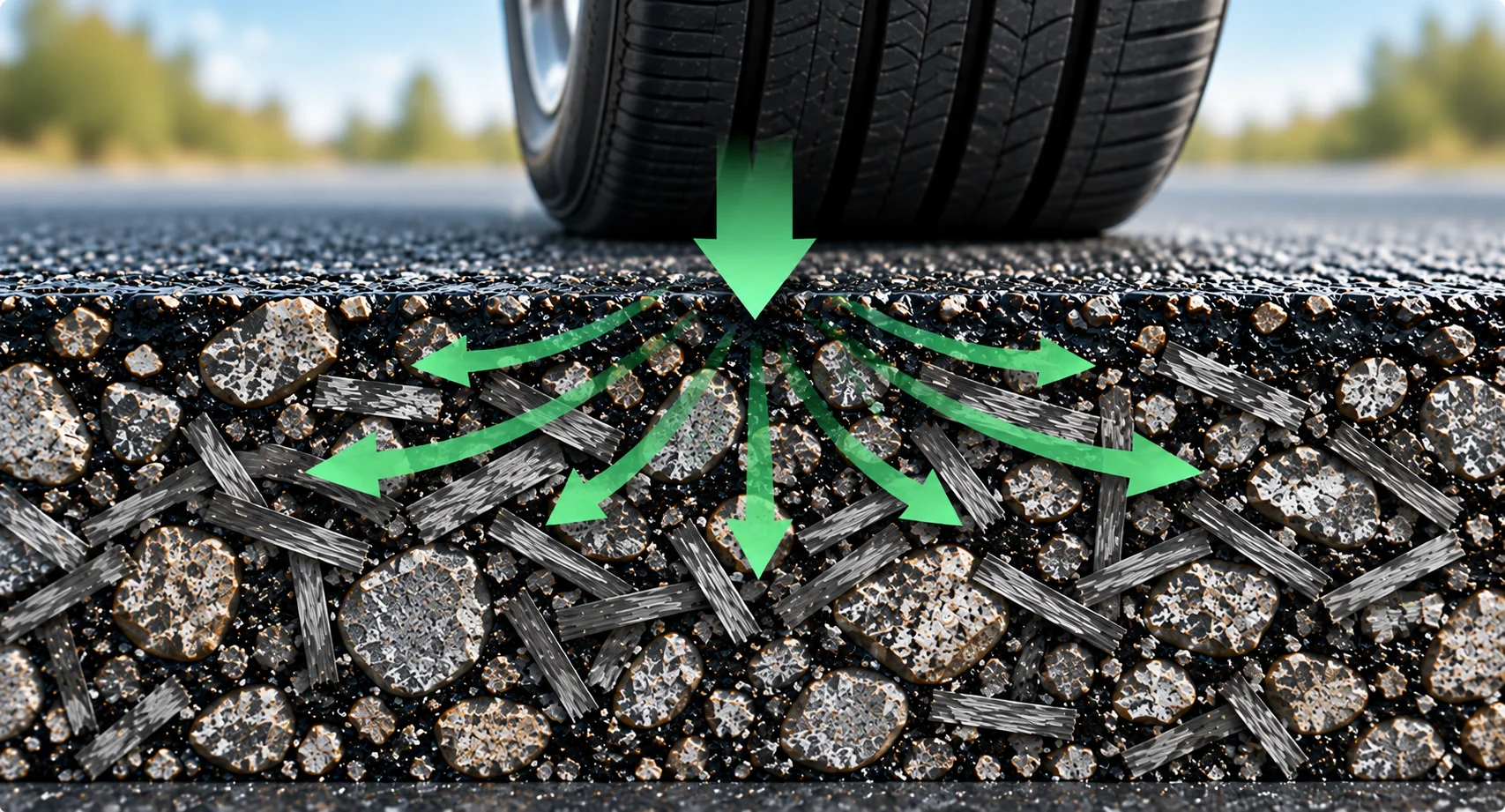
Basalt fibers intersect developing micro-cracks and remain embedded across the crack plane, helping restrict crack opening and maintain stress transfer through the cementitious matrix.
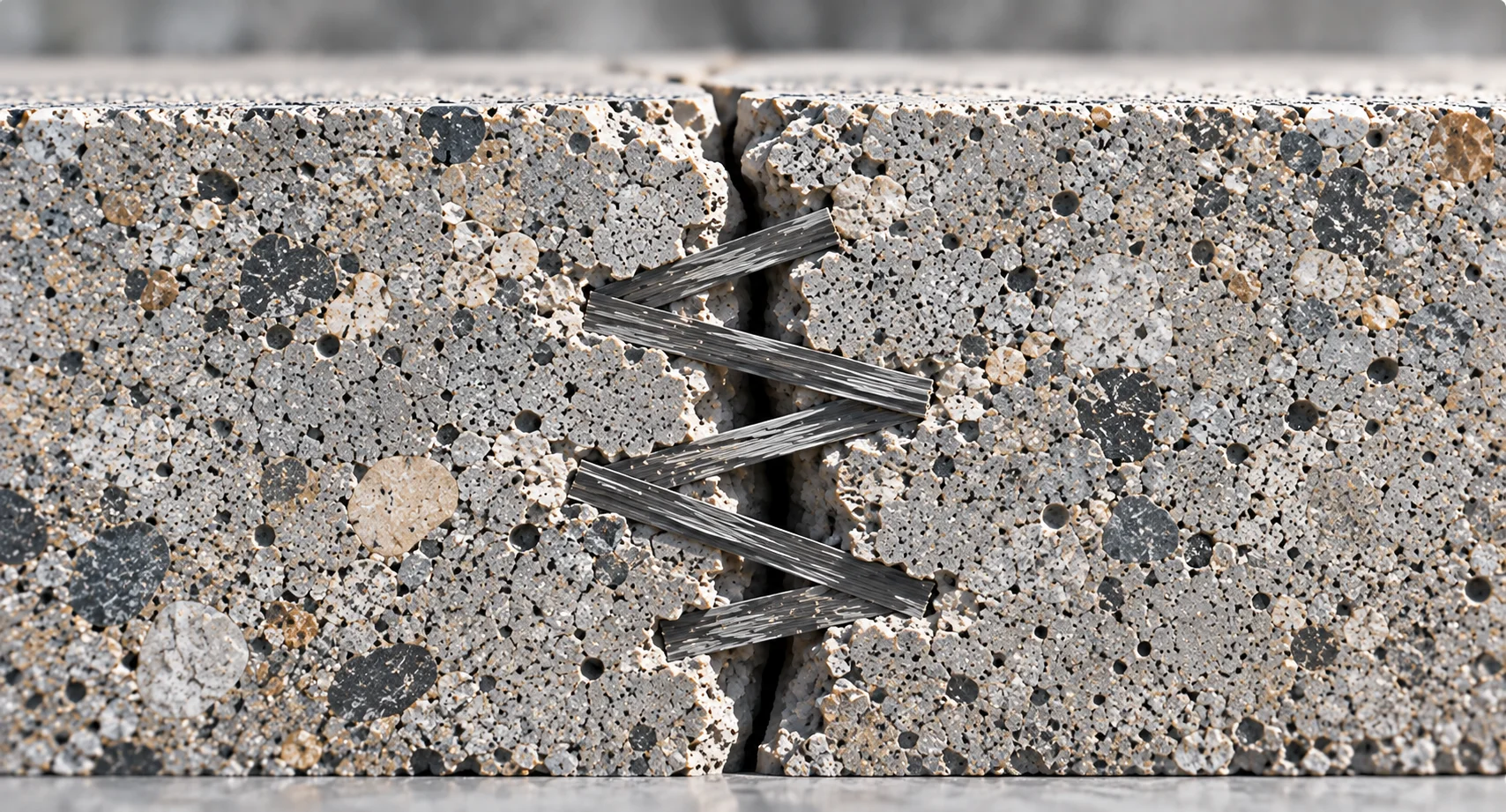
Fibers bridging cracked regions help transfer tensile forces beyond localized crack zones, supporting broader stress distribution and continued integrity of the reinforced matrix.
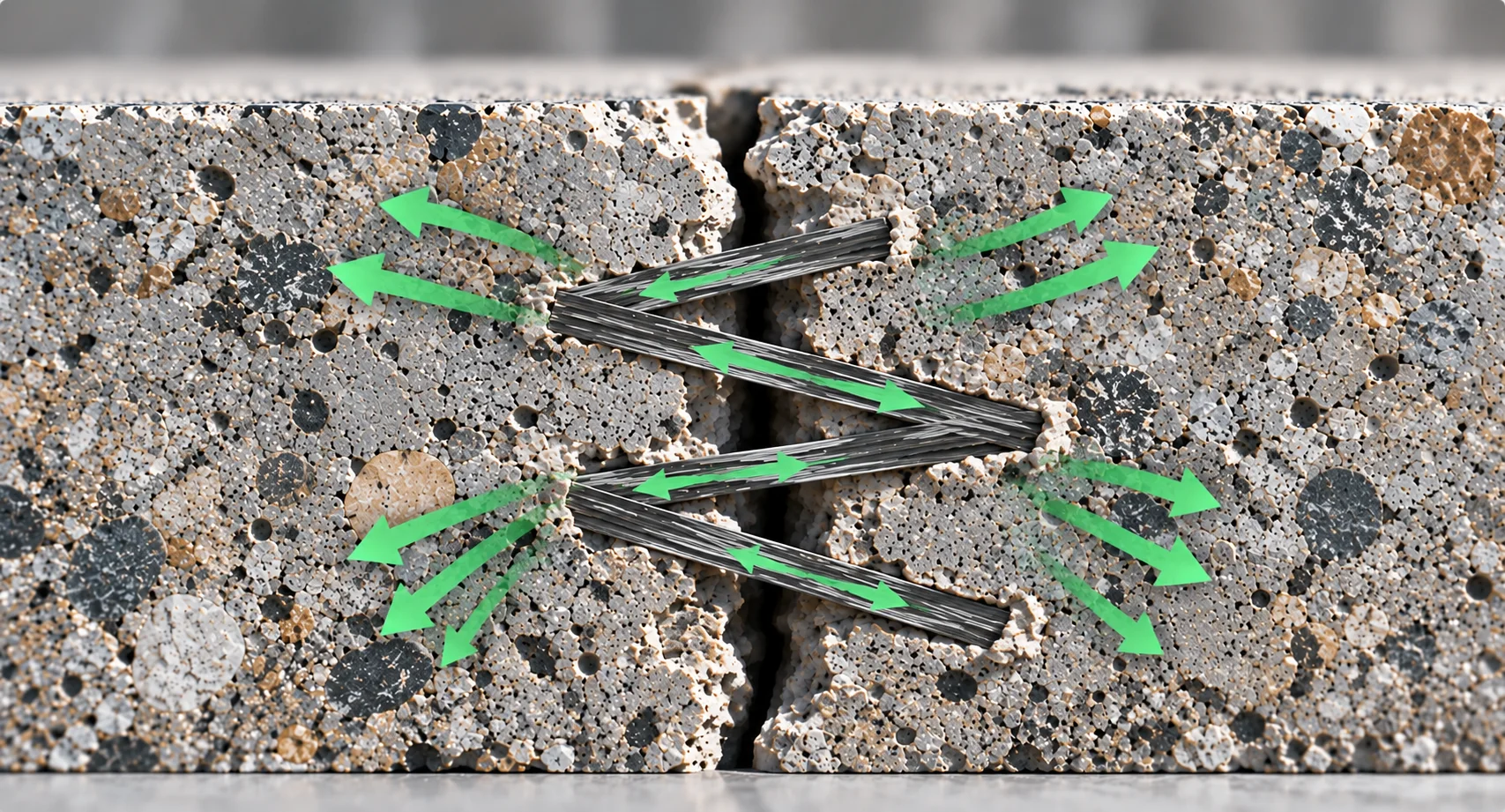
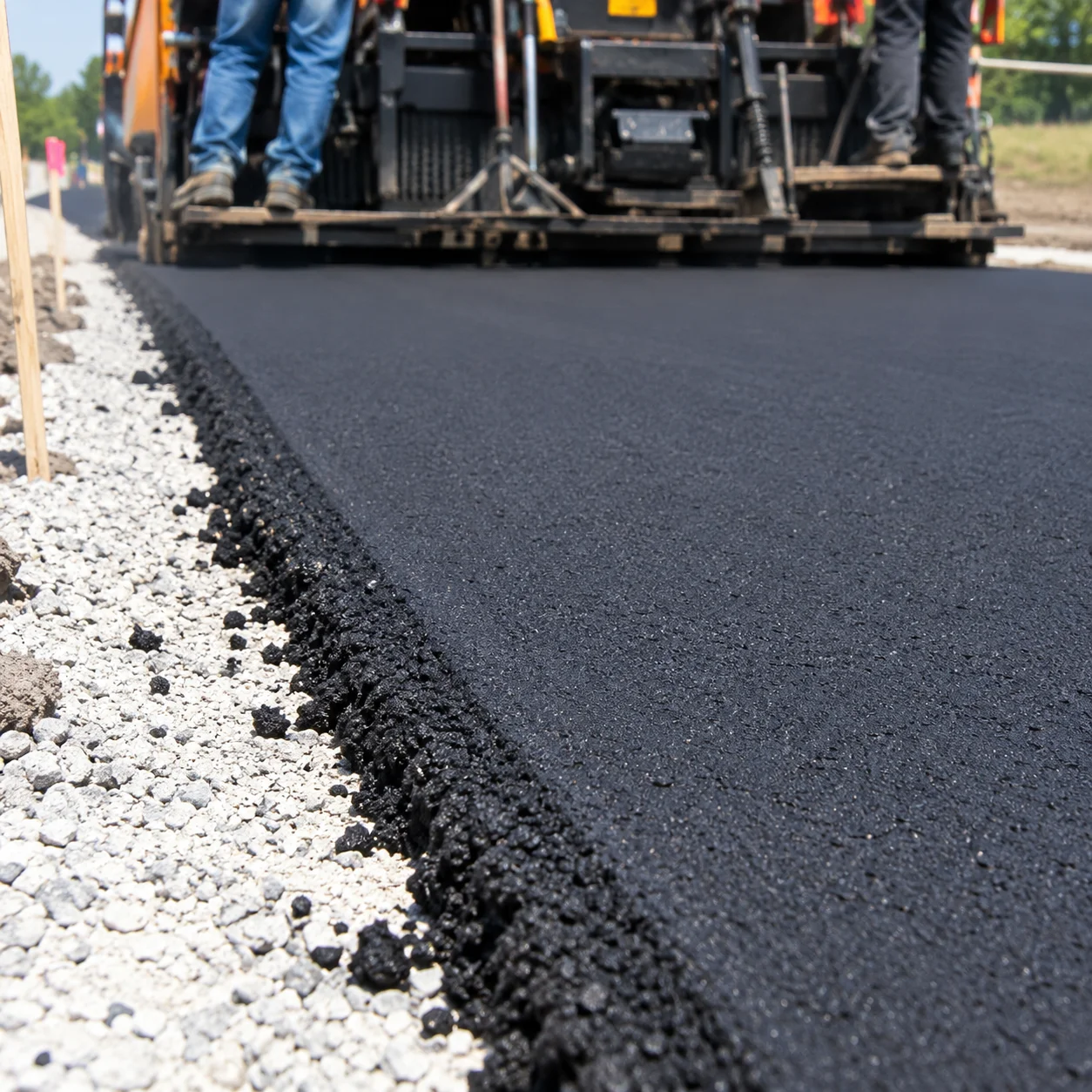
Basalt Fiber can be incorporated into AC, SMA, OGFC and other compatible asphalt pavement systems, supporting mixture reinforcement under traffic loading and temperature-related service conditions.

Basalt Fiber can be used in compatible asphalt and concrete runway materials where repeated loading, pavement integrity and crack resistance are important engineering requirements.
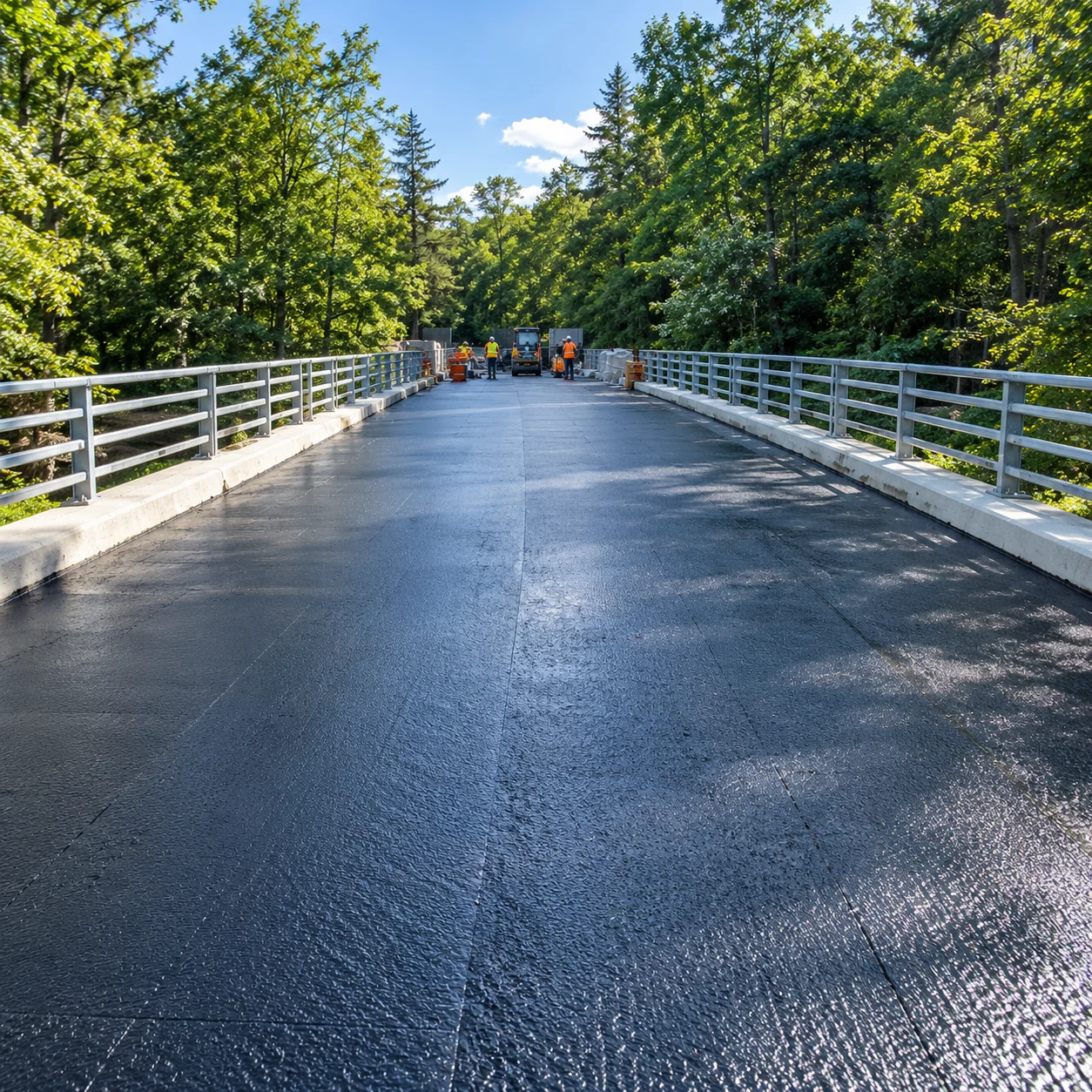
For compatible bridge deck pavement systems, Basalt Fiber provides distributed reinforcement where traffic loading, temperature variation and crack development must be considered together.
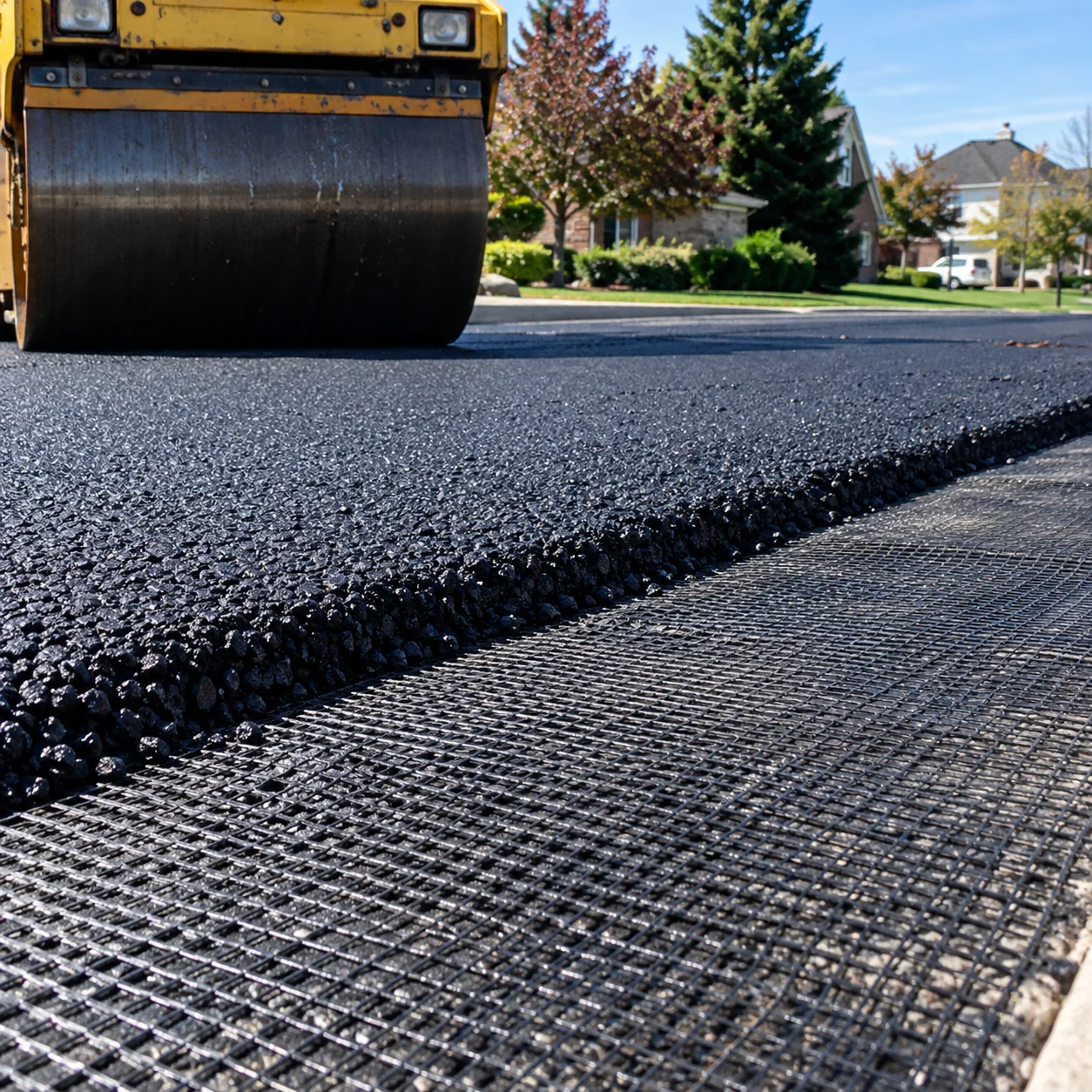
For specialized asphalt surface treatments and fiber-reinforced pavement systems, Basalt Fiber can support mixture integrity and reinforcement under application-specific service conditions.
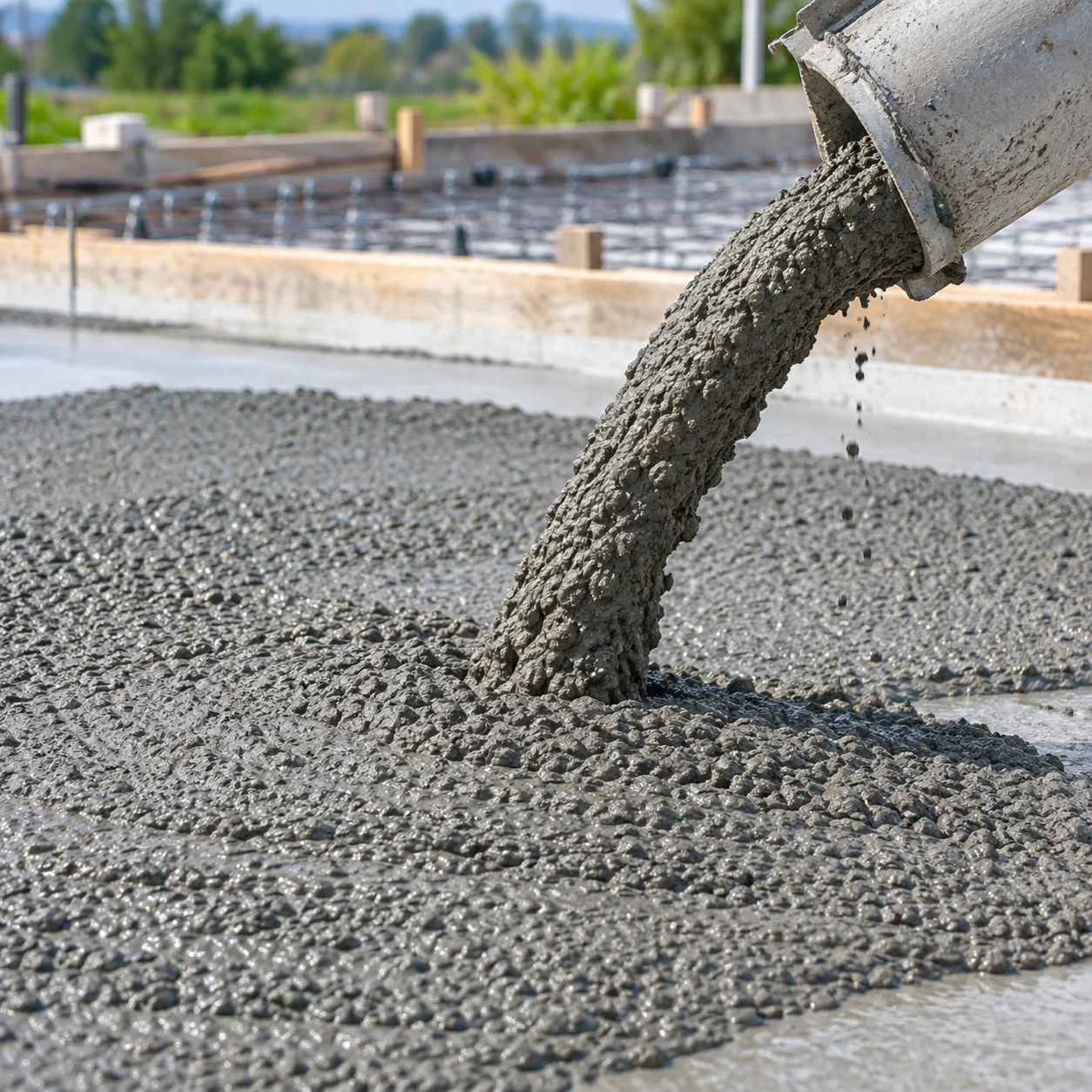
Dispersed Basalt Fibers reinforce cementitious matrices in multiple directions, helping bridge developing cracks and redistribute localized tensile stress.

Basalt Fiber can be incorporated into compatible concrete materials for dams, canals and hydraulic infrastructure, providing distributed reinforcement within the cementitious matrix.

Basalt Fiber can be incorporated into compatible industrial flooring and concrete pavement systems, providing distributed reinforcement to support crack control, stress distribution and material integrity under service loading.
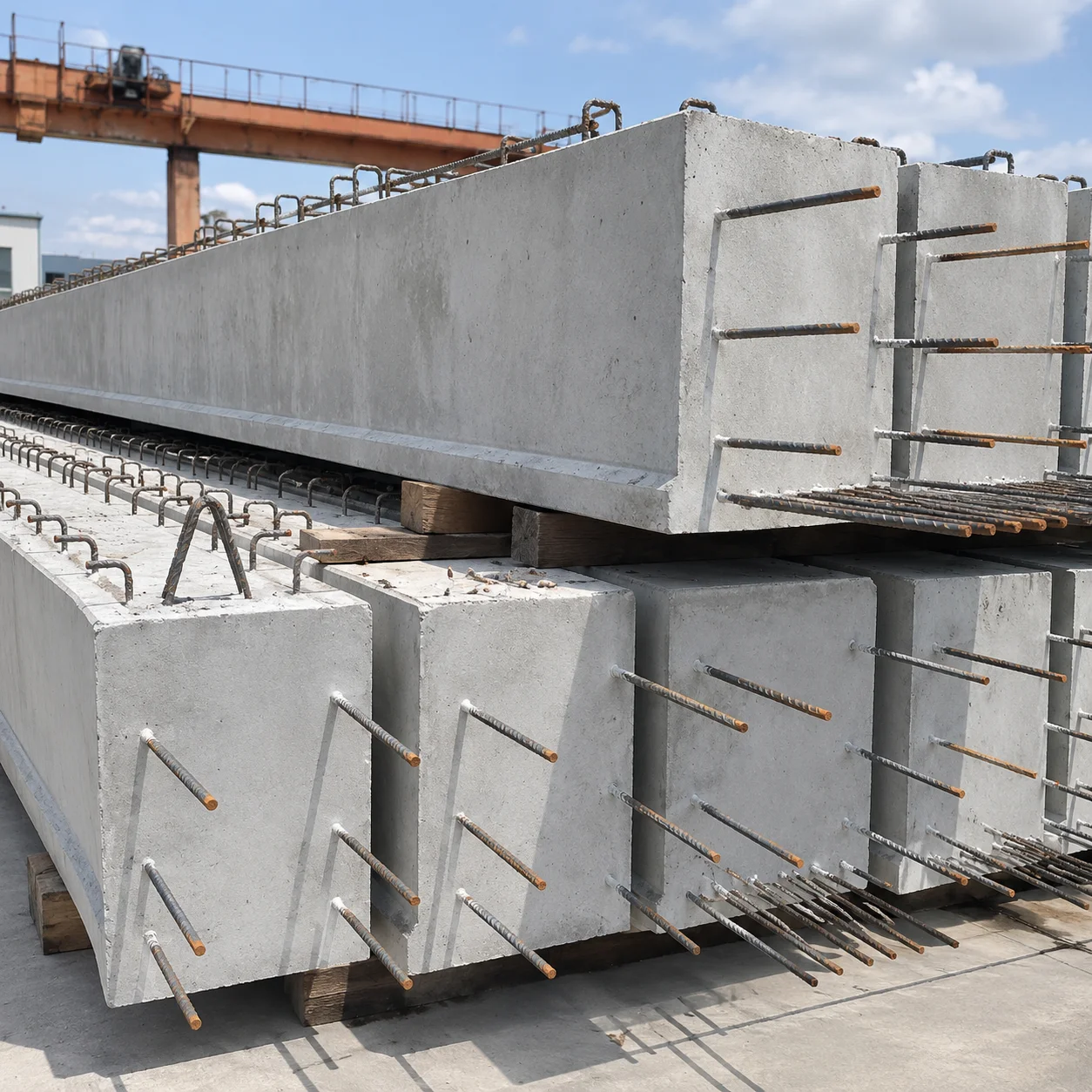
Basalt Fiber can be evaluated in UHPC and high-performance concrete where fiber dispersion, matrix rheology and reinforcement performance must be carefully coordinated.
Basalt Fiber performance depends on how effectively the fiber works with the surrounding matrix, rheology and production process. Fiber length and dosage should therefore be evaluated together with material composition, dispersion behavior and processing conditions.
Basalt Fiber should be evaluated with the complete material matrix, including aggregate gradation and asphalt binder in pavement systems, or cement, SCMs and other constituents in concrete and mortar.
The material should maintain sufficient flow, workability and stability for effective fiber incorporation. This is particularly important in UHPC and low-W/B cementitious systems, where rheology strongly influences fiber distribution.
Uniform fiber distribution is essential for effective reinforcement. Fiber length, dosage and matrix characteristics should be balanced to minimize fiber concentration, uneven distribution and processing inconsistency.
Mixing sequence, mixing time, equipment and production conditions should be matched to the material system. Asphalt, conventional concrete and UHPC require different processing strategies for effective fiber incorporation.
| Property | Specification |
|---|---|
| Appearance | Brown to Dark Gray Chopped Fibers |
| Tensile Strength | ≥1200 MPa |
| Elastic Modulus | ≥75 GPa |
| Elongation at Break | ≤3.1% |
| Density | 2.6–2.8 g/cm³ |
| Alkali Resistance | ≥75% |
| Moisture Content | ≤0.2% |
Use this range according to the supplied product guidance. Final dosage should be verified according to the mixture composition, processing behavior, fiber dispersion and target performance.
| Stage | Guidance | Key Control |
|---|---|---|
| Add Aggregate | Introduce the required aggregate. | Batch Preparation |
| Add Basalt Fiber | Add the required quantity of fiber uniformly. | Fiber Distribution |
| Add Cement | Introduce cement and other dry components. | Even Incorporation |
| Add Water | Add mixing water according to the formulation. | Controlled Addition |
| Mix Thoroughly | Continue mixing until fibers are uniformly dispersed. | Fiber Dispersion |
| Final Adjustment | Adjust final water or workability as required. | Workability Control |
Aggregate → Basalt Fiber → Cement → Water → Thorough Mixing → Final Adjustment
For Asphalt Concrete (AC), Stone Mastic Asphalt (SMA), OGFC and other asphalt mixtures, fiber addition should be matched to the actual production process rather than following the cementitious sequence above.
The addition point and mixing time should be established according to mixture design, aggregate temperature, fiber dispersion, asphalt plant configuration and binder addition sequence.
Uniform Fiber Addition → Effective Dispersion → Controlled Mixing → Production Verification
PACKAGING & HANDLING
POLYVIA™ Basalt Fiber is supplied in 1–5 kg inner plastic bags and 10–25 kg woven bags or cartons, with approximately 500 kg per pallet. Customized packaging is available upon request.
Store in the original sealed packaging in a dry, protected environment, away from moisture, contamination and package damage.
Product specifications, dosage and application guidance.
Download ↓
Safety, handling, storage and product information.
Download ↓
Batch-specific quality parameters and inspection data.
Request COA ↓Fiber selection, dosage, processing and application guidance.
Download ↓Basalt Fiber is used as a distributed reinforcement material in asphalt, concrete, mortar and compatible engineering systems, including road pavement, bridge and tunnel materials, hydraulic engineering and selected UHPC formulations.
POLYVIA™ recommends 2–5 kg/m³ as the product guidance range. Final dosage should be verified according to the mixture design, fiber dispersion, production conditions and required performance.
Yes. Basalt Fiber can be incorporated into compatible asphalt concrete and fiber-reinforced asphalt mixtures to provide distributed reinforcement within the aggregate–binder system.
Yes. It can be evaluated for Stone Mastic Asphalt (SMA) and Open-Graded Friction Course (OGFC). Dosage and incorporation should be matched to the aggregate gradation, binder system and production process.
Yes. Uniformly dispersed Basalt Fibers provide reinforcing elements throughout compatible concrete and mortar matrices and can help bridge developing cracks and redistribute localized tensile stress.
The supplied guidance uses:
Aggregate → Basalt Fiber → Cement → Water → Mixing → Final Water Adjustment
Mix until the fibers are uniformly dispersed throughout the mixture.
Basalt Fiber can be evaluated in compatible UHPC formulations, but suitability depends on matrix rheology, fiber dispersion, superplasticizer compatibility and the required mechanical performance.
Basalt Fiber should not automatically be considered a replacement for structural steel reinforcement. Short dispersed fibers provide distributed reinforcement and crack-control support, while structural reinforcement should follow engineering design requirements.
Working with asphalt concrete, SMA, OGFC, concrete, mortar or UHPC? Share your application, mixture design, production process and target performance with POLYVIA for product evaluation and technical support.