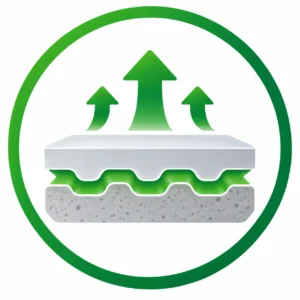
Weak Bond Strength
Insufficient polymer modification can limit adhesion between mortar and tiles, insulation boards or mineral substrates.
Recommended:
High-Adhesion Grade RDP 20

POLYVIA™ Redispersible Polymer Powder (RDP) is a VAE redispersible polymer powder designed for cementitious and gypsum-based dry-mix mortar systems. After redispersion in water, RDP particles form a flexible polymer phase within the mortar matrix, improving adhesion, flexibility, crack resistance and overall application performance.

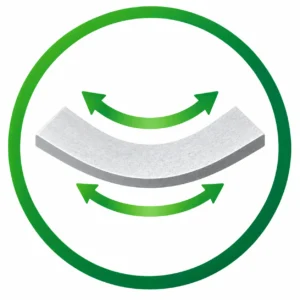
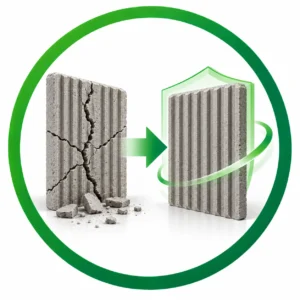

Redispersible Polymer Powder (RDP) is a spray-dried polymer powder that redisperses in water and forms a polymer phase within the mortar matrix. During drying and curing, the polymer contributes to improved adhesion, flexibility, cohesion and crack resistance, helping modify the performance of cementitious and gypsum-based dry-mix mortar systems.
Different Performance Gaps Require Different Polymer Profiles.
Insufficient polymer modification can limit adhesion between mortar and tiles, insulation boards or mineral substrates.
Mortar with insufficient flexibility may respond poorly to shrinkage, stress or substrate movement, increasing the risk of brittle behavior and crack development.
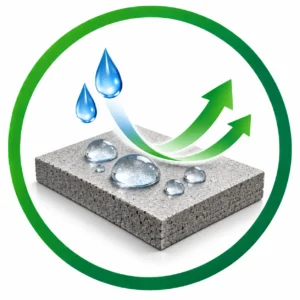
Moisture exposure can reduce the durability of insufficiently protected mortar systems, particularly where reduced water absorption and moisture resistance are required.
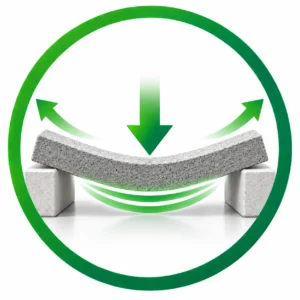
Mortar with limited deformation capacity may struggle to accommodate thermal movement, dimensional change or substrate movement without excessive stress.
Polymer Selection Principle: RDP should be selected according to the required mortar performance—not polymer dosage alone.
| Grade | Product Type | Tg, °C | MFFT | Core Performance | Recommended Applications |
|---|---|---|---|---|---|
| POLYVIA™ RDP 10 | Rigid / General Purpose | 15 to +20 | ≤4°C | Strong adhesion & good rigidity | Wall Putty, Skim Coat, Gypsum Mortar |
| POLYVIA™ RDP 20 | Multi-Purpose / Semi-Flexible | 0 to +5 | ≤2°C | Balanced adhesion & flexibility | Tile Adhesive, Render & Plaster |
| POLYVIA™ RDP 30F | Flexible | -10 to -5 | ≤0°C | Enhanced flexibility & crack resistance | C2 Tile Adhesive, EIFS / ETICS Base Coat |
| POLYVIA™ RDP 40F | High-Flexibility | -15 to -10 | ≤0°C | High deformability & crack resistance | Flexible Tile Adhesive, EIFS / ETICS |
| POLYVIA™ RDP 50H | Hydrophobic | -5 to 0 | ≤0°C | Hydrophobicity & reduced water absorption | Waterproof Mortar, Exterior Mortar |
| POLYVIA™ RDP 60L | Self-Leveling | +15 to +20 | ≤4°C | Optimized flow, adhesion & cohesion | Cement-Based Self-Leveling Compounds |
Select the appropriate RDP grade according to adhesion, flexibility, water resistance, deformability and application requirements. Final grade selection should be confirmed through formulation testing.
From Redispersion to a Polymer-Modified Mortar Matrix
RDP powder particles separate and form a uniform polymer dispersion throughout the mortar system after water addition.
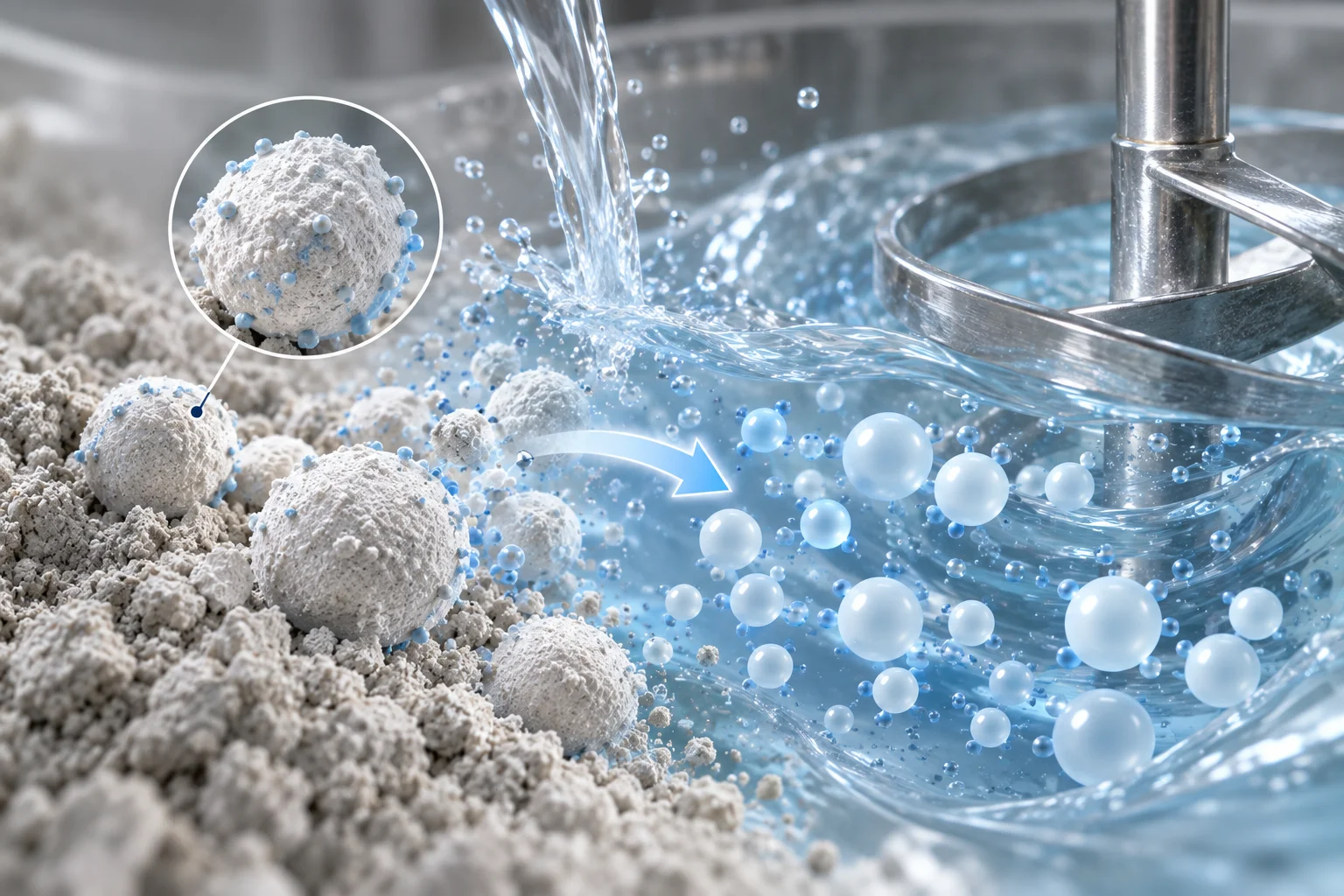
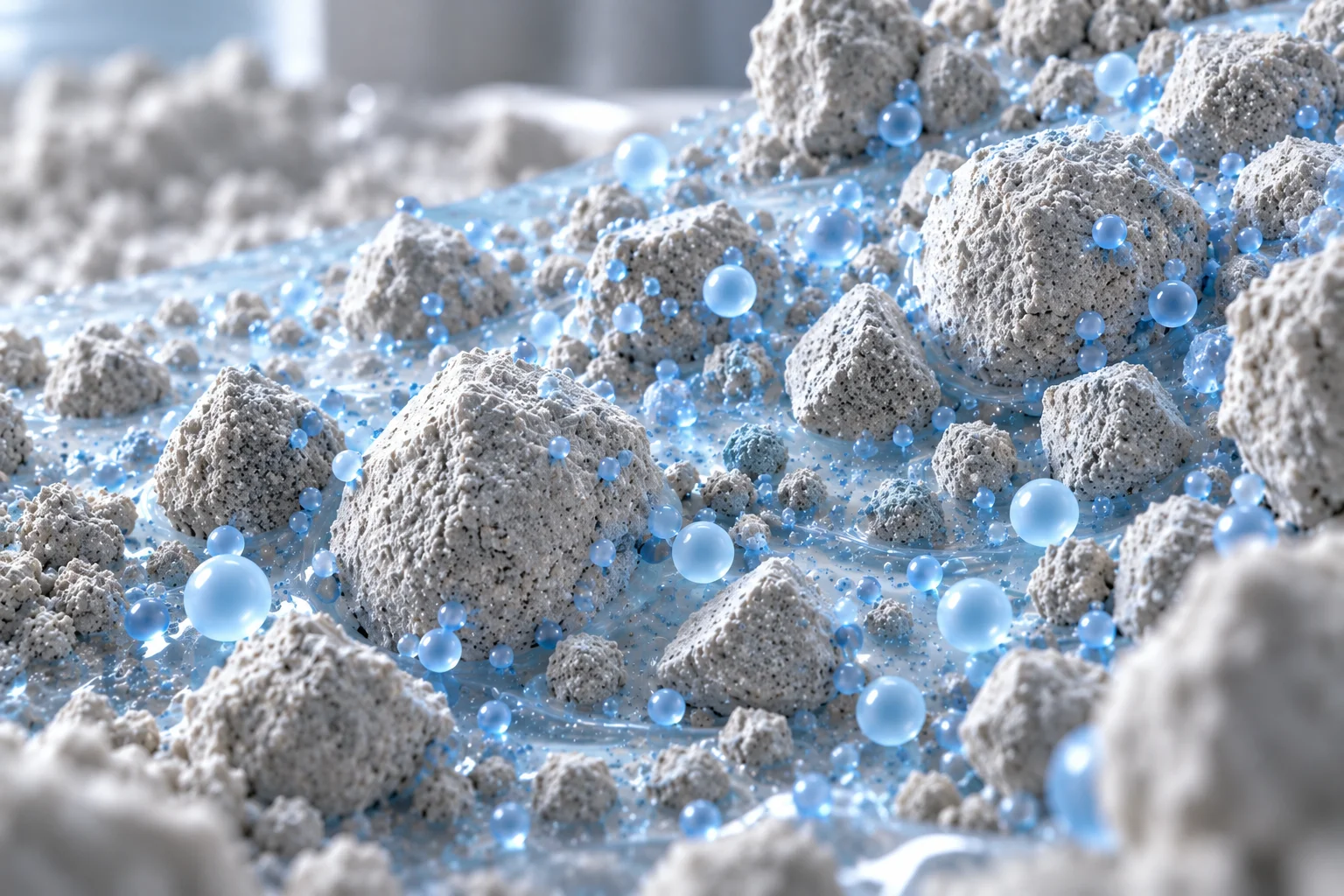
The dispersed polymer particles migrate and distribute around cement particles and fillers, creating a uniform polymer phase throughout the mortar.
As water evaporates and hydration progresses, polymer particles coalesce into a continuous film that improves adhesion and cohesion within the mortar structure.
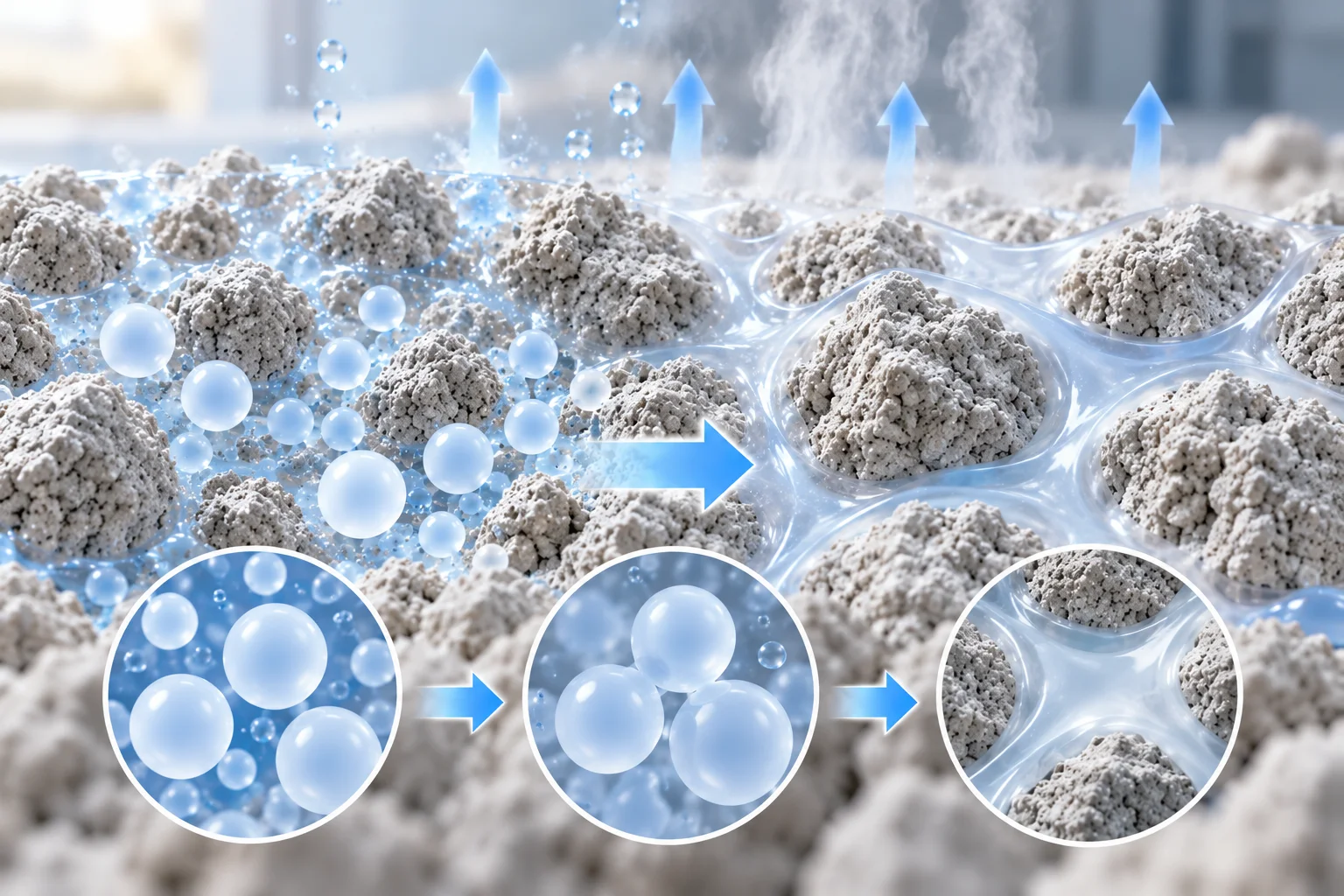
The formed polymer network enhances adhesion, flexibility, crack resistance and durability by improving the interaction between the binder matrix and polymer phase.
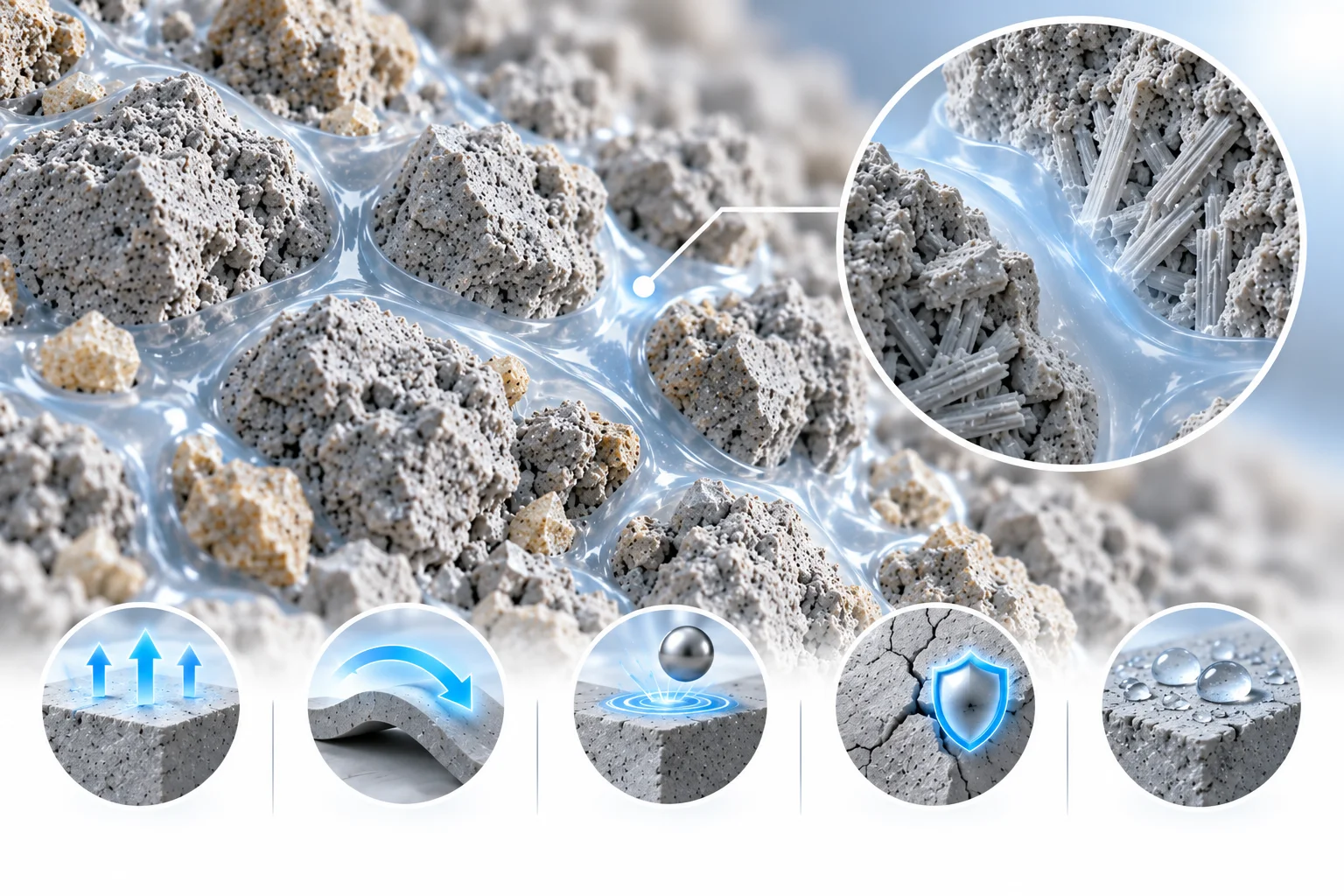
Typical physical and chemical properties of POLYVIA™ Redispersible Polymer Powder (RDP). Values may vary according to polymer type and product grade.
| Property | RDP 10 | RDP 20 | RDP 30F | RDP 40F | RDP 50H | RDP 60L |
|---|---|---|---|---|---|---|
| Polymer Base | VAE | VAE | VAE | VAE | VAE | VAE |
| Appearance | White flowing powder | White flowing powder | White flowing powder | White flowing powder | White flowing powder | White flowing powder |
| Ash content, % | 10-15 | 10-15 | 10-14 | 10-14 | 10-14 | 10-14 |
| Bulk Density, kg/m³ | 450–650 | 450–650 | 450–650 | 450–650 | 450–650 | 450–650 |
| Residual Moisture, % | ≤2.0 | ≤2.0 | ≤2.0 | ≤2.0 | ≤2.0 | ≤2.0 |
| Tg, °C | +15 to +20°C | 0 to +5°C | -10 to -5°C | -15 to -10°C | -5 to 0°C | +15 to +20°C |
| MFFT, °C | ≤4°C | ≤2°C | ≤0°C | ≤0°C | ≤0°C | ≤4°C |
| pH Value | 6.0–8.0 | 6.0–8.0 | 6.0–8.0 | 6.0–8.0 | 6.0–8.0 | 6.0–8.0 |
The values above are typical technical data and may vary by grade. Final product specifications should be confirmed by the corresponding POLYVIA™ Technical Data Sheet (TDS).
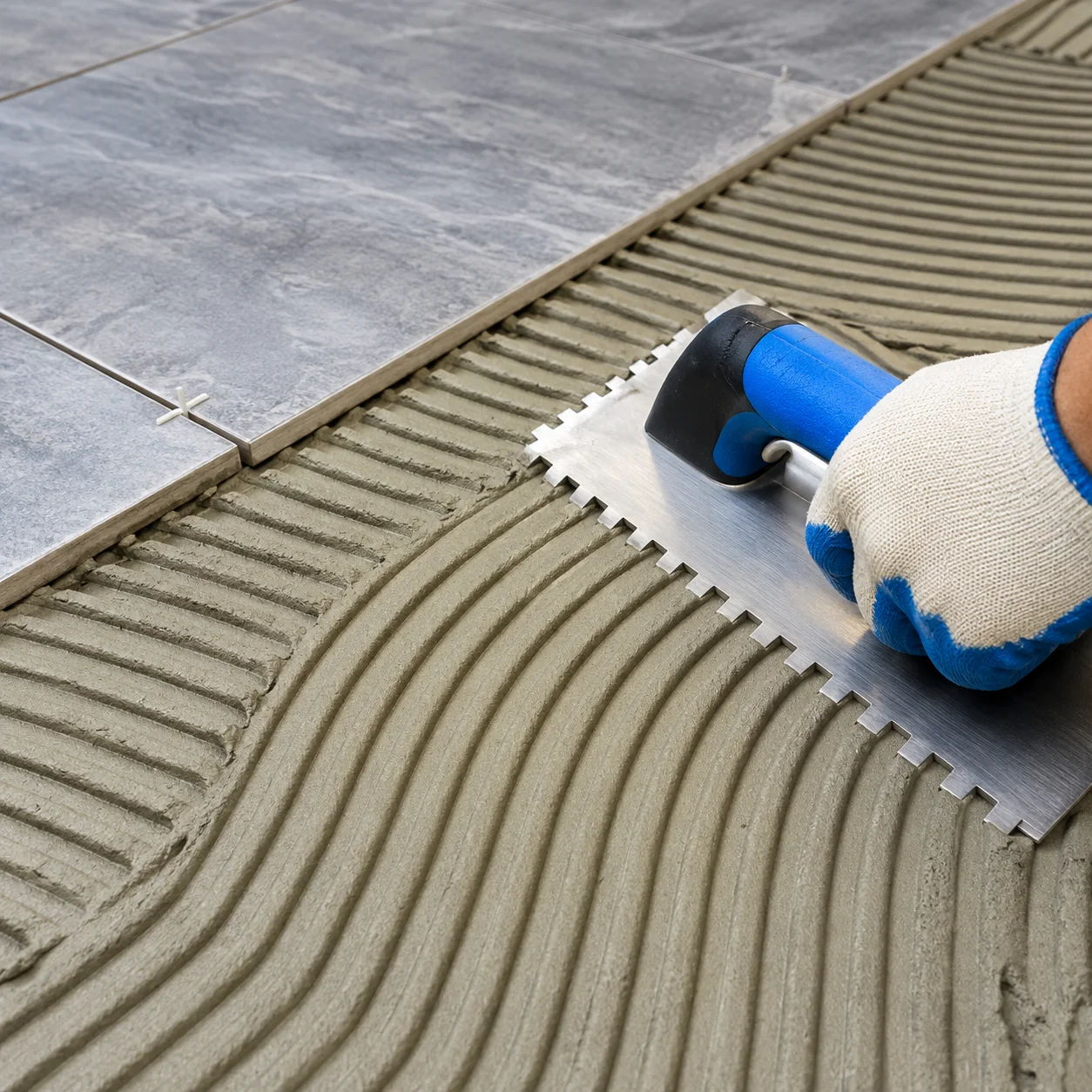
Supports stronger bonding, improved flexibility and extended open time in cement-based tile adhesive formulations.
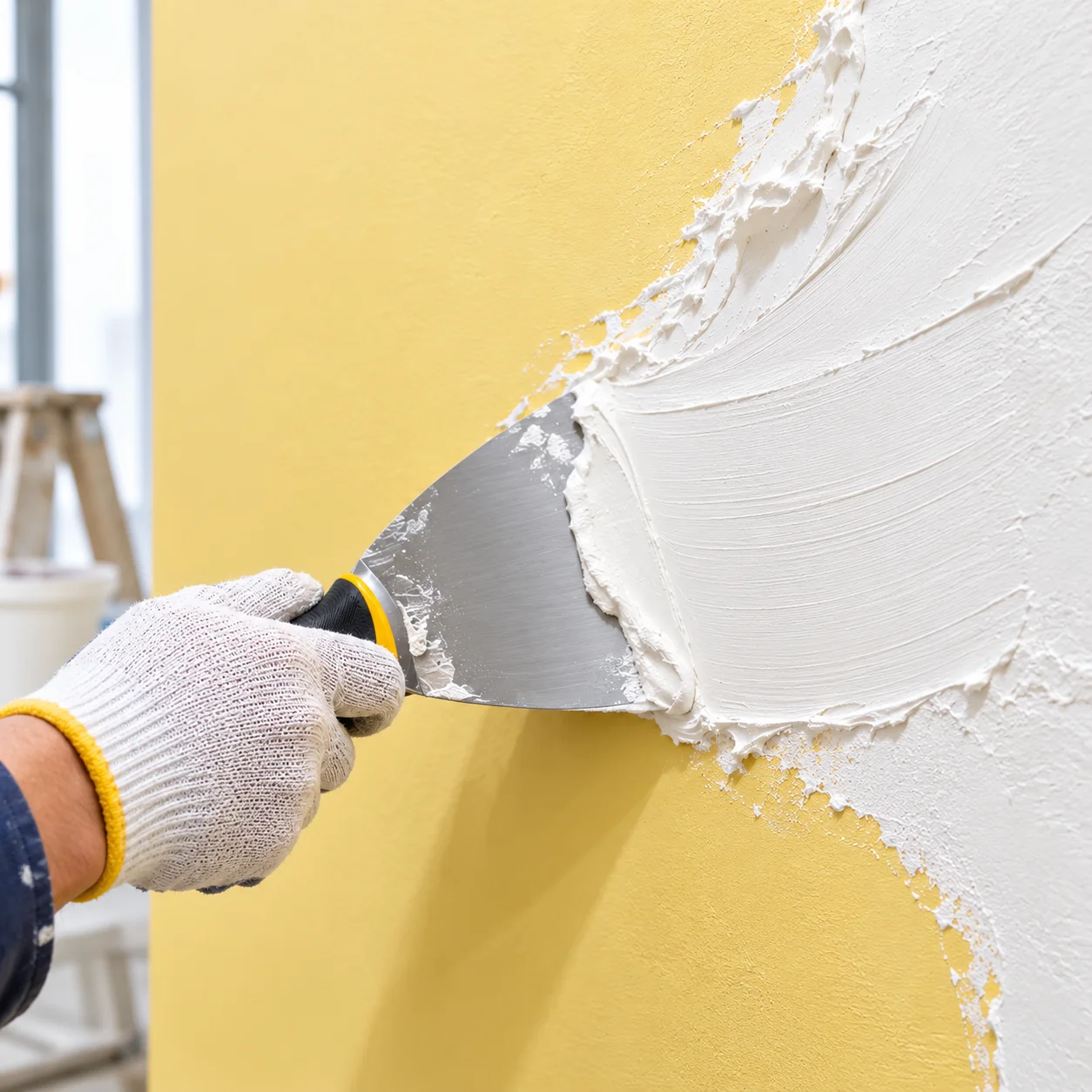
Provides polymer modification to improve adhesion, surface cohesion and crack resistance for smooth finishing applications.
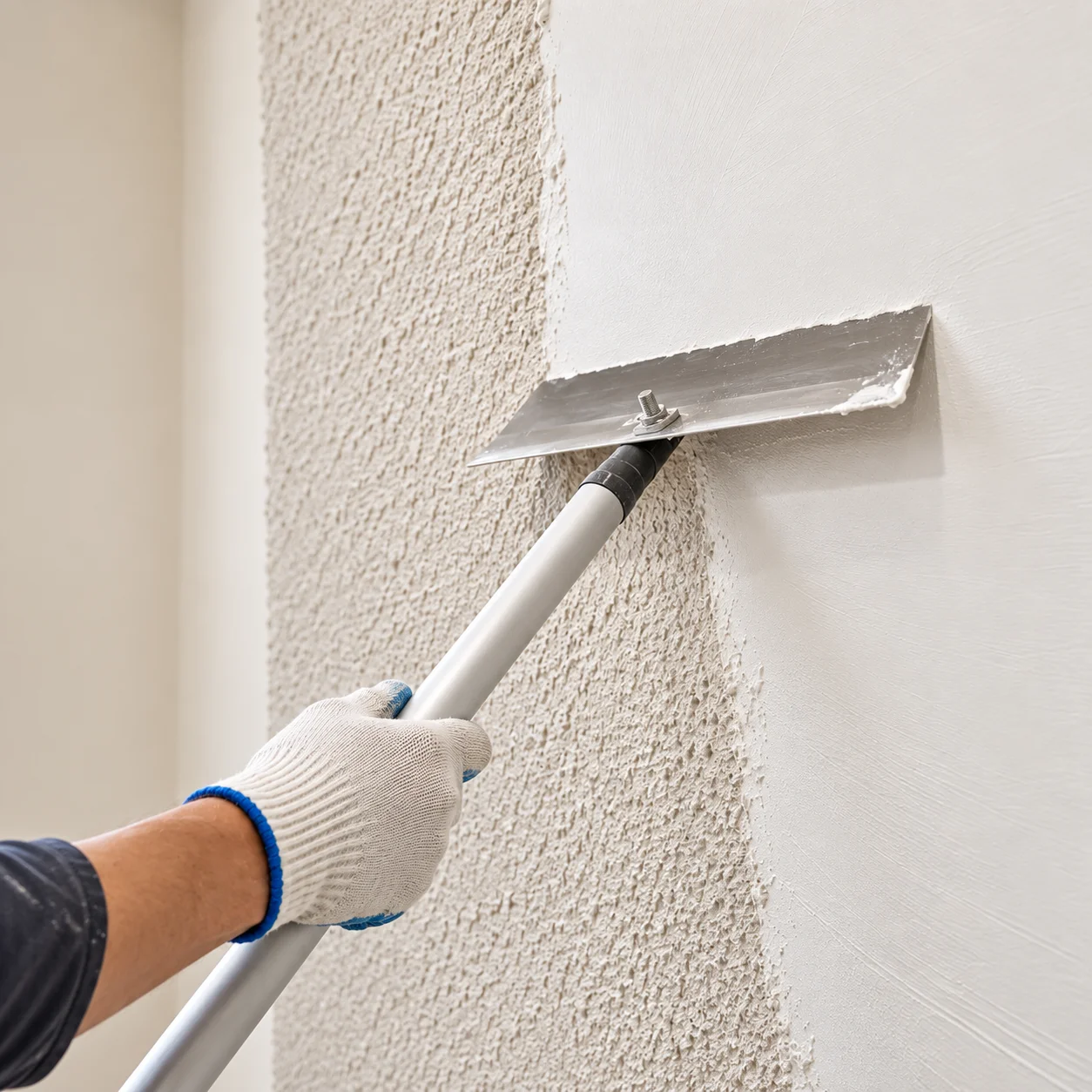
Helps create a more flexible mortar matrix with better adhesion and resistance to surface cracking.
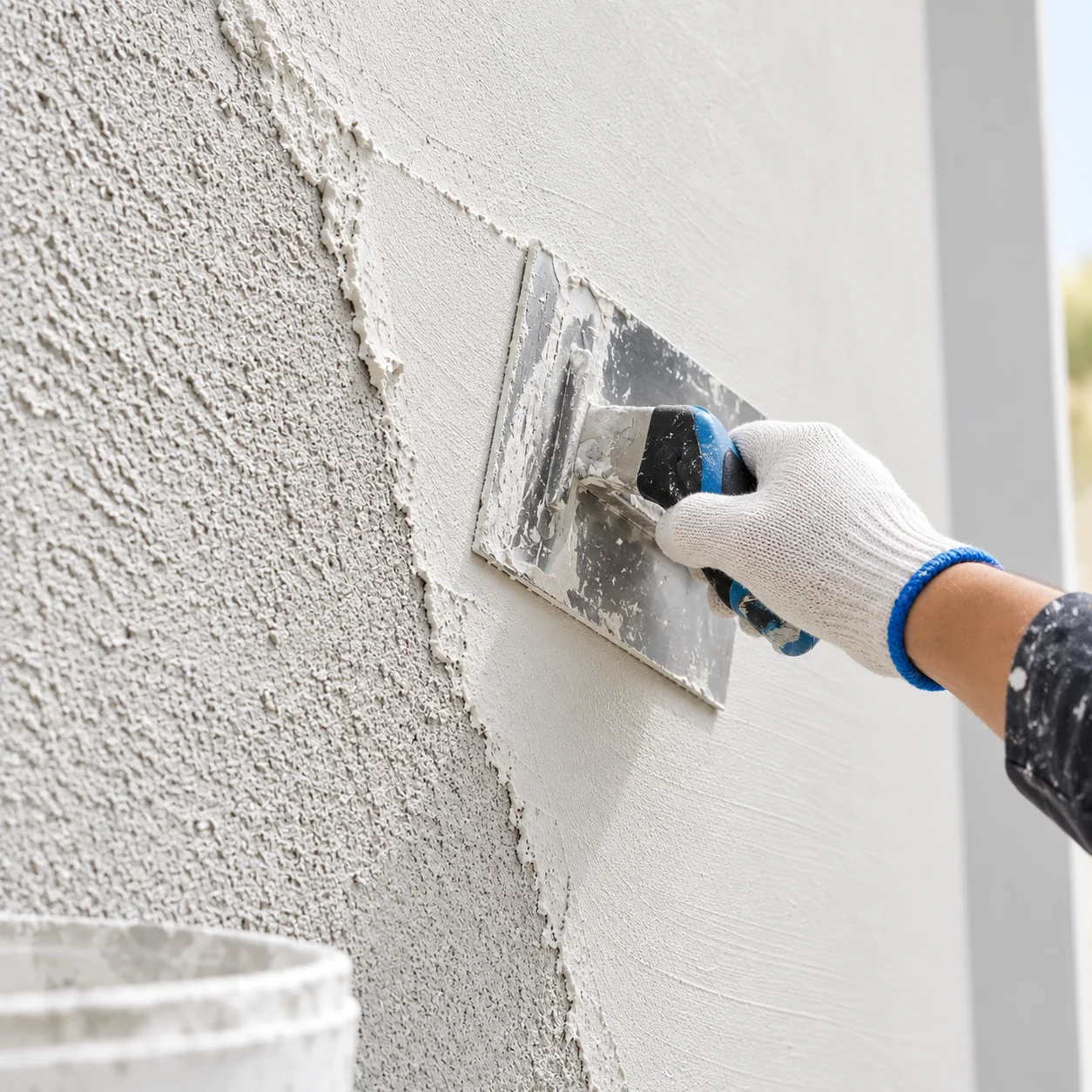
Enhances mortar cohesion and durability while supporting better adhesion and resistance to shrinkage-related cracking.
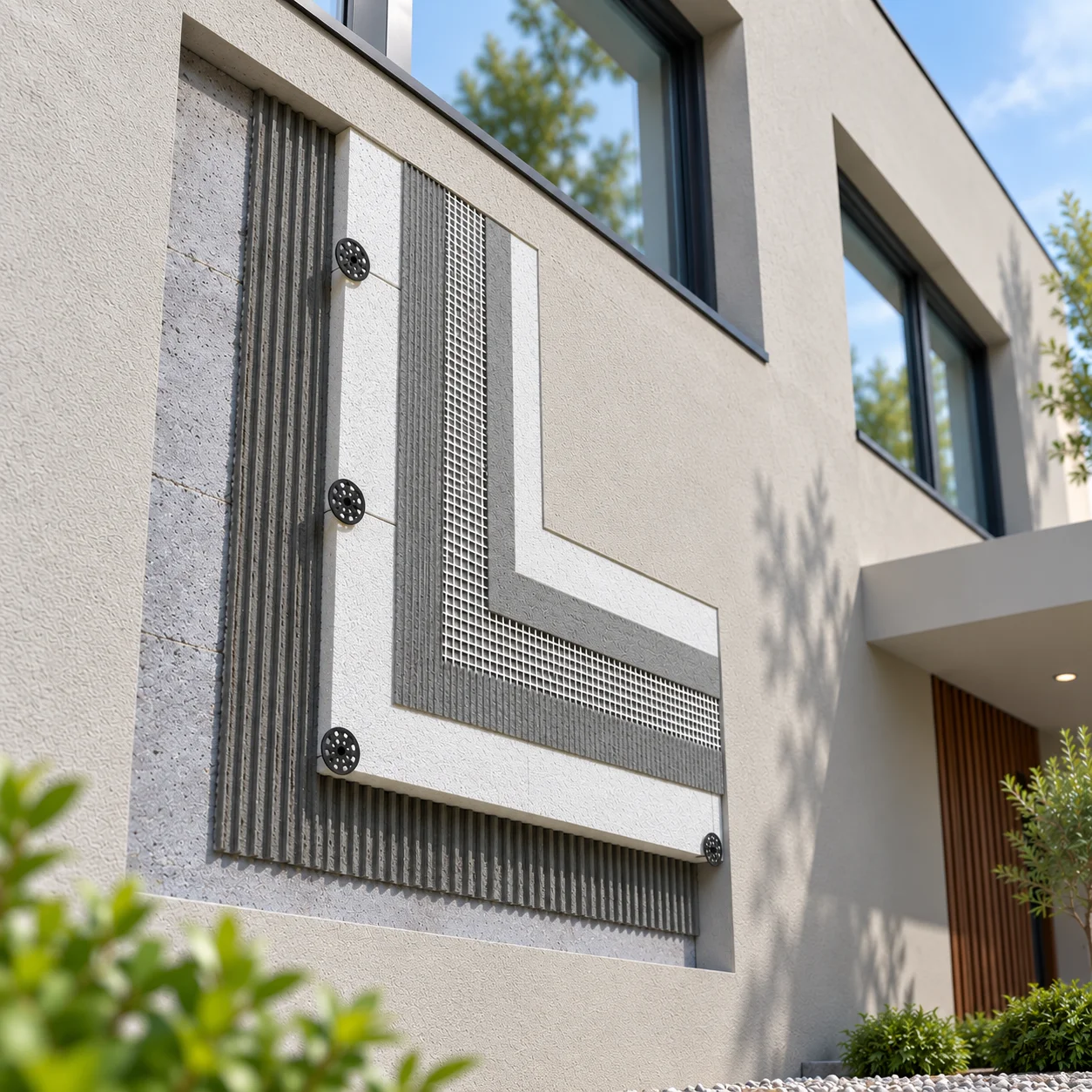
Improves polymer-modified façade systems by increasing adhesion, flexibility and crack-bridging capability under movement conditions.
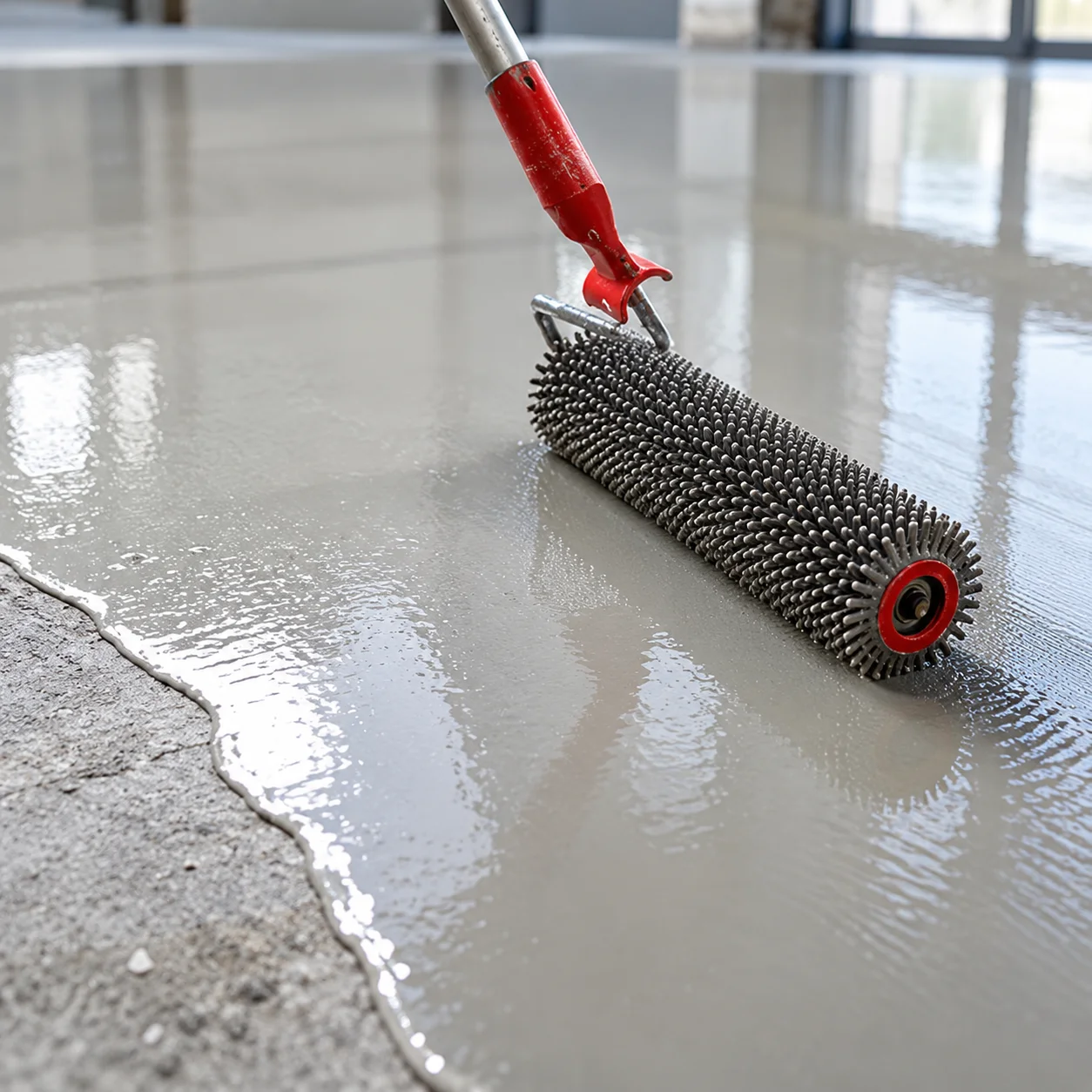
Supports smooth surface formation, substrate adhesion and flexibility in self-leveling mortar systems.
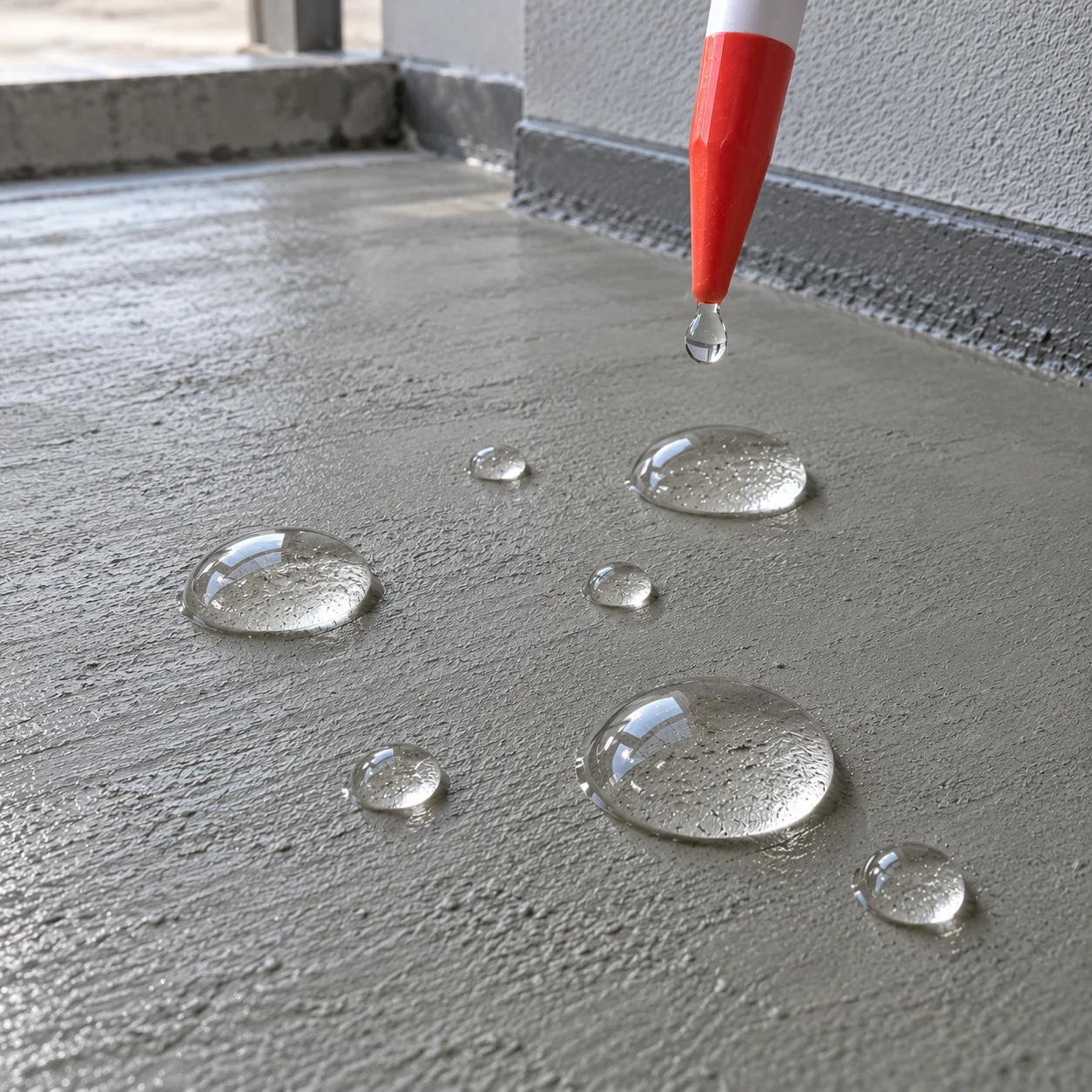
Provides polymer modification that improves adhesion, flexibility and resistance to moisture-related performance loss.
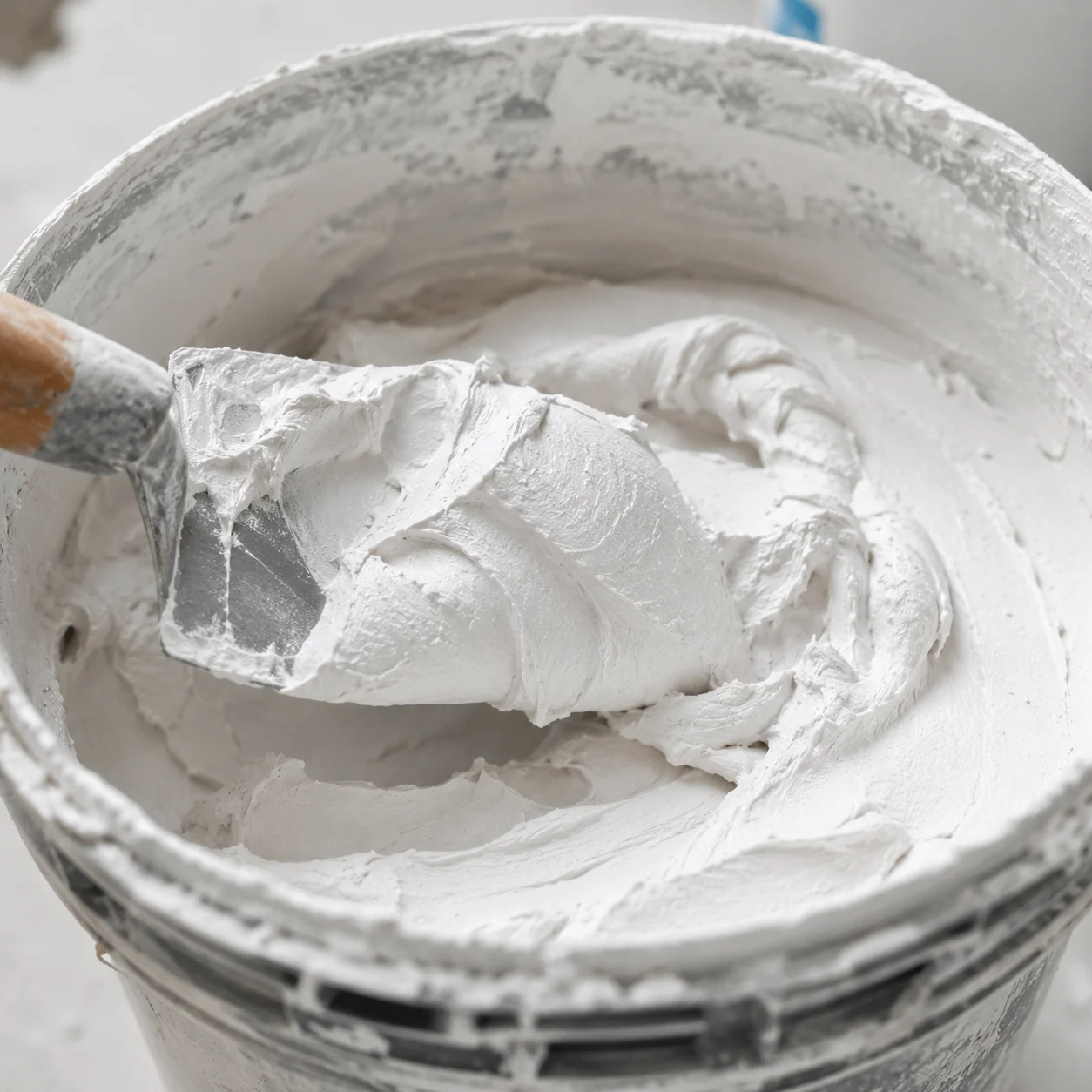
Enhances gypsum mortar cohesion, flexibility and application performance through polymer reinforcement.
RDP helps translate polymer modification into practical mortar performance during application, curing and service. Final results depend on RDP grade, dosage, binder system, substrate conditions and the complete dry-mix formulation.
Supports consistent bonding between mortar and compatible tiles, insulation boards and mineral substrates for more reliable installed performance.
Helps the hardened mortar accommodate shrinkage, thermal movement and substrate deformation with reduced brittle response.
Contributes to a tougher polymer-modified matrix that can better tolerate localized stress and movement before crack development.
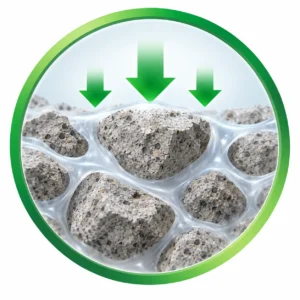
Supports cohesive matrix development and helps maintain mortar integrity during application, curing and subsequent service.
Selected RDP grades can support reduced water absorption and improved moisture resistance in formulations designed for wet or exterior exposure.
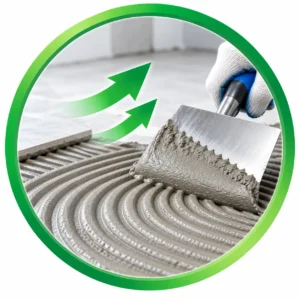
Supports cohesive fresh-mortar behavior for controlled spreading, surface coverage and finishing across different dry-mix applications.
RDP selection cannot be determined by powder specifications alone. POLYVIA™ combines polymer characterization, formulation evaluation and application testing to help match each grade to the required mortar performance.
Evaluate polymer chemistry, Tg and MFFT to understand flexibility and film-forming characteristics.
Verify moisture, ash content, bulk density and other key physical properties for grade consistency.
Evaluate how the powder redistributes in water to support consistent polymer performance after mixing.
Assess performance within cement, gypsum or mixed-binder systems under relevant formulation conditions.
Evaluate interaction with HPMC, MHEC, PCE, defoamer and other functional formulation additives.
Check workability, consistency, water demand and other application-specific fresh-state properties.
Verify adhesion, flexibility, toughness and other required properties after curing and conditioning.
Refine RDP grade and dosage according to test results and target application requirements.
Validation Note: Final grade and dosage should be confirmed through testing in the complete mortar formulation under representative application conditions.
Redispersible Polymer Powder (RDP) and Hydroxypropyl Methylcellulose (HPMC) are commonly used together in dry-mix mortar formulations. They perform different functions within the mortar system: HPMC controls fresh mortar properties, while RDP modifies the hardened mortar matrix.
| Property | RDP | HPMC |
|---|---|---|
| Material Type | VAE-Based Polymer Powder | Cellulose Ether |
| Primary Function | Polymer Modification & Film Formation | Water Retention & Rheology Control |
| Main Action Stage | During drying and curing process | During mixing and application process |
| Fresh Mortar Behavior | Supports consistency and application feel | Controls water retention, flow and workability |
| Water Retention | Limited direct contribution | Primary function |
| Open Time | Supports through improved moisture balance | Main contributor |
| Adhesion Strength | Major contributor through polymer bonding | Supports by improving application conditions |
| Flexibility | Major contributor through polymer film formation | Limited direct contribution |
| Crack Resistance | Improves stress distribution and crack bridging ability | Supports uniform hydration and workability |
| Workability | Improves mortar flexibility and handling | Controls consistency and application behavior |
POLYVIA™ provides technical support beyond RDP supply, helping customers select suitable polymer grades, optimize formulation compatibility and validate performance in real mortar systems.
Select → Optimize → Evaluate → Verify

Product properties, typical parameters and recommended applications.
Download ↓
Handling, storage and safety information.
Download ↓
Grade selection, dosage guidance and formulation recommendations.
Download ↓
Batch-specific quality documentation.
Download ↓Redispersible Polymer Powder (RDP) is a spray-dried polymer powder used to modify cement- and gypsum-based dry-mix mortars.
When mixed with water, the powder redisperses into polymer particles. During drying and curing, these particles form a polymer phase within the mortar matrix, helping improve adhesion, flexibility, cohesion and durability.
VAE RDP is a redispersible polymer powder based on vinyl acetate-ethylene copolymer technology.
It is widely used in tile adhesive, EIFS/ETICS, skim coat, repair mortar, self-leveling compounds and other polymer-modified dry-mix systems
RDP for tile adhesive improves adhesion strength, flexibility and deformation resistance, helping cement-based tile adhesives achieve better bonding performance and durability.
RDP and HPMC perform different but complementary functions.
RDP primarily provides polymer modification, improving adhesion, flexibility and toughness.
HPMC primarily contributes to water retention, rheology, workability and open-time control.
High-performance dry-mix formulations often use both additives together.
VAE polymer powder is one of the most common types of redispersible polymer powder, based on vinyl acetate ethylene copolymers. Different RDP grades provide different levels of flexibility, hydrophobicity and performance characteristics.
Yes. This is a common combination in dry-mix mortar.
RDP primarily provides polymer modification, while HPMC or MHEC controls water retention, rheology and workability. Their dosage and compatibility should be optimized as part of the complete formulation.
Redispersible Polymer Powder improves mortar performance by redistributing into polymer particles after water addition. During drying, these particles form a continuous polymer film within the cementitious matrix, improving adhesion, flexibility, cohesion and resistance to cracking.
RDP dosage depends on the application requirements, binder system, filler composition, water demand and target performance. Higher dosage levels may be required for applications requiring increased flexibility, adhesion strength or crack resistance.
Share your application, binder system, current formulation and target adhesion, flexibility or water-resistance requirements. Our technical team will help you identify the right POLYVIA™ Redispersible Polymer Powder and establish an appropriate starting formulation.