
Rapid Water Loss
Help retain and distribute water within the fresh mortar, reducing rapid moisture loss to porous substrates and the surrounding environment.

POLYVIA™ Methyl Hydroxyethyl Cellulose (MHEC) is designed for water retention, rheology control and workability in cementitious and gypsum-based dry-mix formulations.
Suitable for tile adhesives, renders, skim coats, plasters and other dry-mix mortar systems.



Methyl Hydroxyethyl Cellulose (MHEC) is a nonionic, water-soluble cellulose ether used as a rheology and water-retention modifier in cementitious and gypsum-based formulations.
In dry-mix mortar, MHEC helps control water retention, viscosity, workability and application behavior, making it widely used in tile adhesives, renders, skim coats, plasters, gypsum systems and other construction formulations.
MHEC helps manage key fresh-mortar variables that influence application performance.
Help retain and distribute water within the fresh mortar, reducing rapid moisture loss to porous substrates and the surrounding environment.
Modify viscosity and flow behavior to support more consistent mixing, spreading and application characteristics.

Maintain water availability and fresh-mortar consistency to support the required application and open-time window.
Build sufficient fresh-state structure to help mortar resist sagging or slipping and remain stable after application.
Viscosity is an important specification, but it does not independently determine MHEC performance in dry-mix mortar.
The appropriate grade should be selected according to the application, binder system, water demand, required rheology and target application performance.
| Grade | Viscosity, mPa·s | Water Retention | Open Time | Sag Resistance | Workability | Recommended Application |
|---|---|---|---|---|---|---|
| ME50 | 50,000 | ●●● | ●● | ●● | ●●● | Gypsum / General Dry-Mix |
| ME100 | 100,000 | ●●● | ●●● | ●●● | ●●●● | Wall Putty / Skim Coat / General Mortar |
| ME150 | 150,000 | ●●●● | ●●● | ●●●● | ●●● | Tile Adhesive / Render / Plaster |
| ME200 | 200,000 | ●●●●● | ●●● | ●●●●● | ●● | High-Body / High-Viscosity Mortar |
| ME100M | 100,000 | ●●●● | ●●●● | ●●● | ●●●●● | Putty / Gypsum / General Mortar |
| ME150M | 150,000 Class | ●●●●● | ●●●●● | ●●●● | ●●●● | Tile Adhesive / ETICS / Premium Mortar |
M = Performance-Modified Grade
Selection Note: Performance ratings indicate relative grade positioning rather than guaranteed mortar properties. Actual performance depends on dosage, binder chemistry, water demand, aggregate and filler system, and the complete formulation.
MHEC works through the aqueous phase of fresh mortar, combining water management and rheology modification to create more controlled and consistent application behavior.
After water addition, polymer chains hydrate and establish the functional cellulose ether phase throughout the fresh mortar.
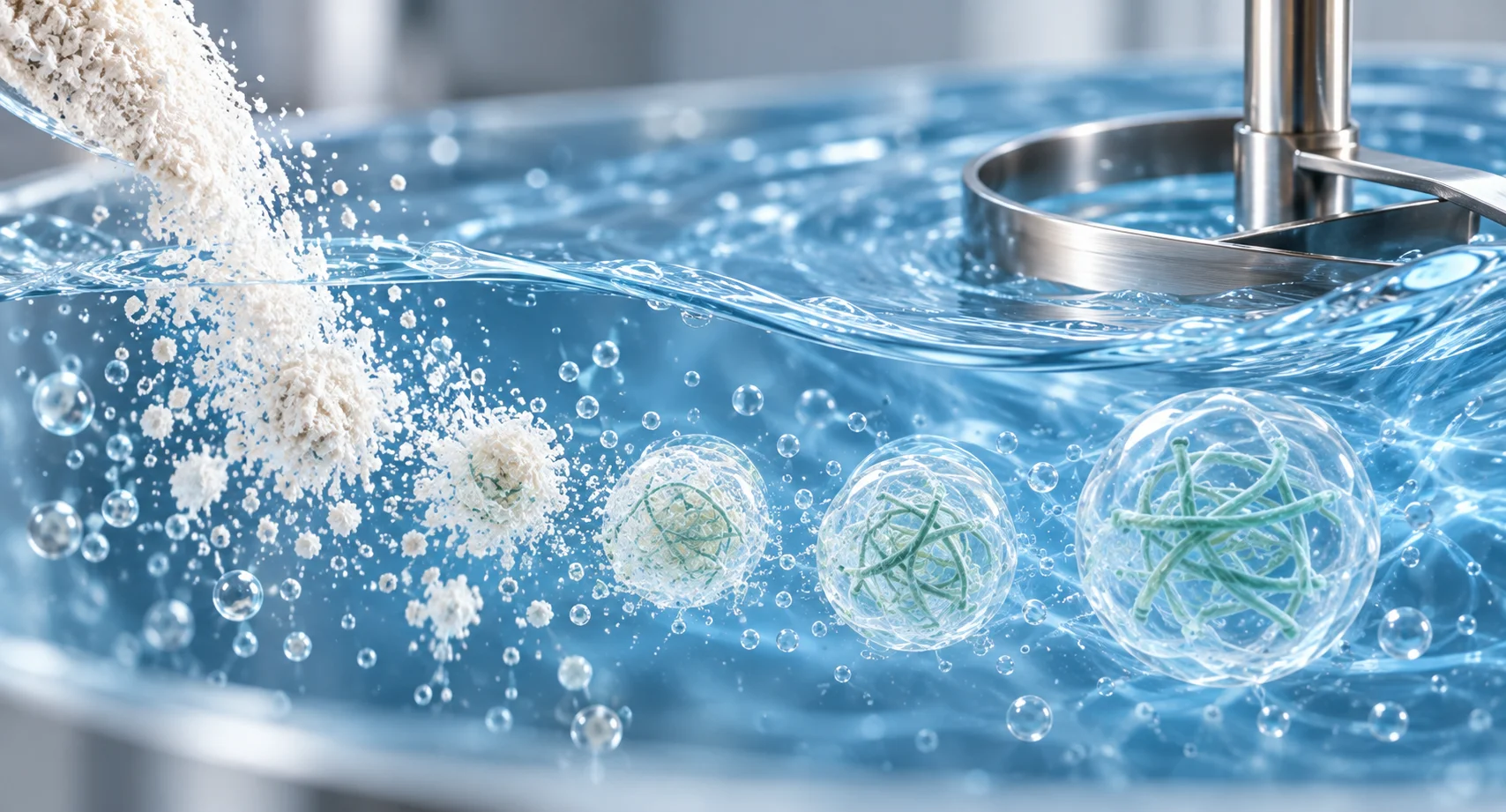
It reduces rapid moisture migration and helps maintain water availability during application and early hydration.
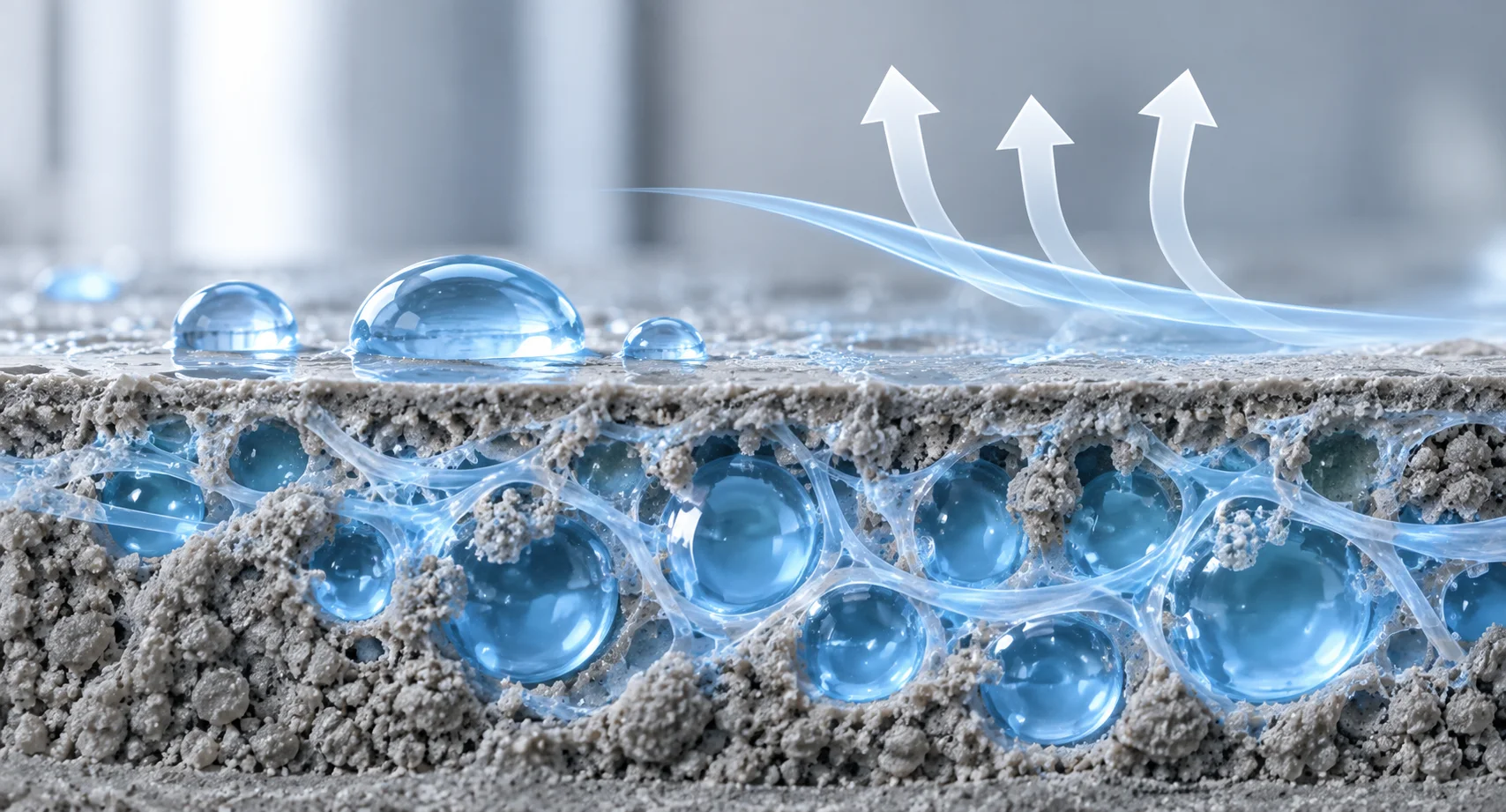
The hydrated polymer influences fresh-mortar rheology, balancing smooth spreading and workability with sufficient body and sag resistance.
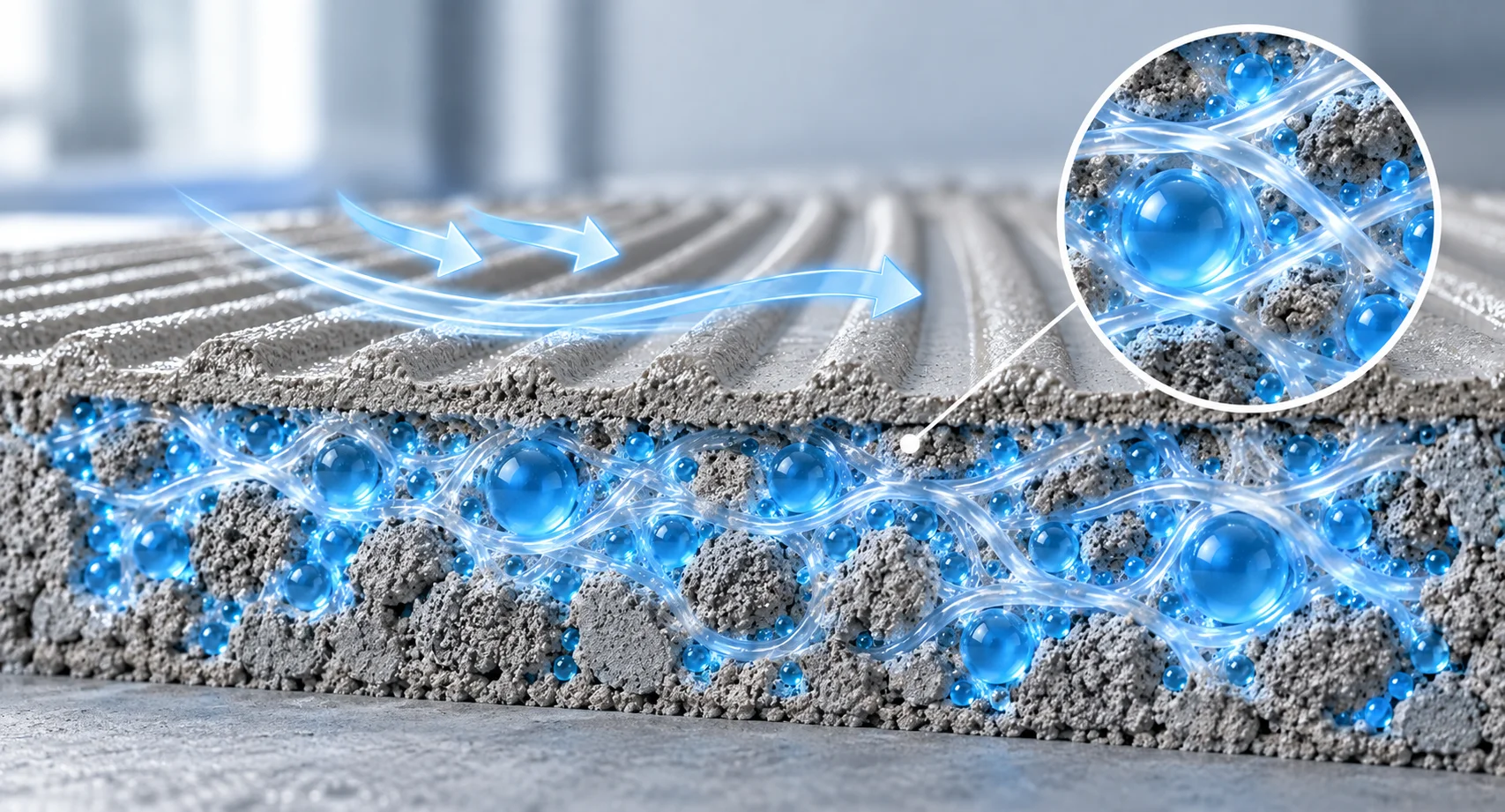
The balanced fresh-mortar system supports workability, consistency, open time and sag resistance across different application conditions.
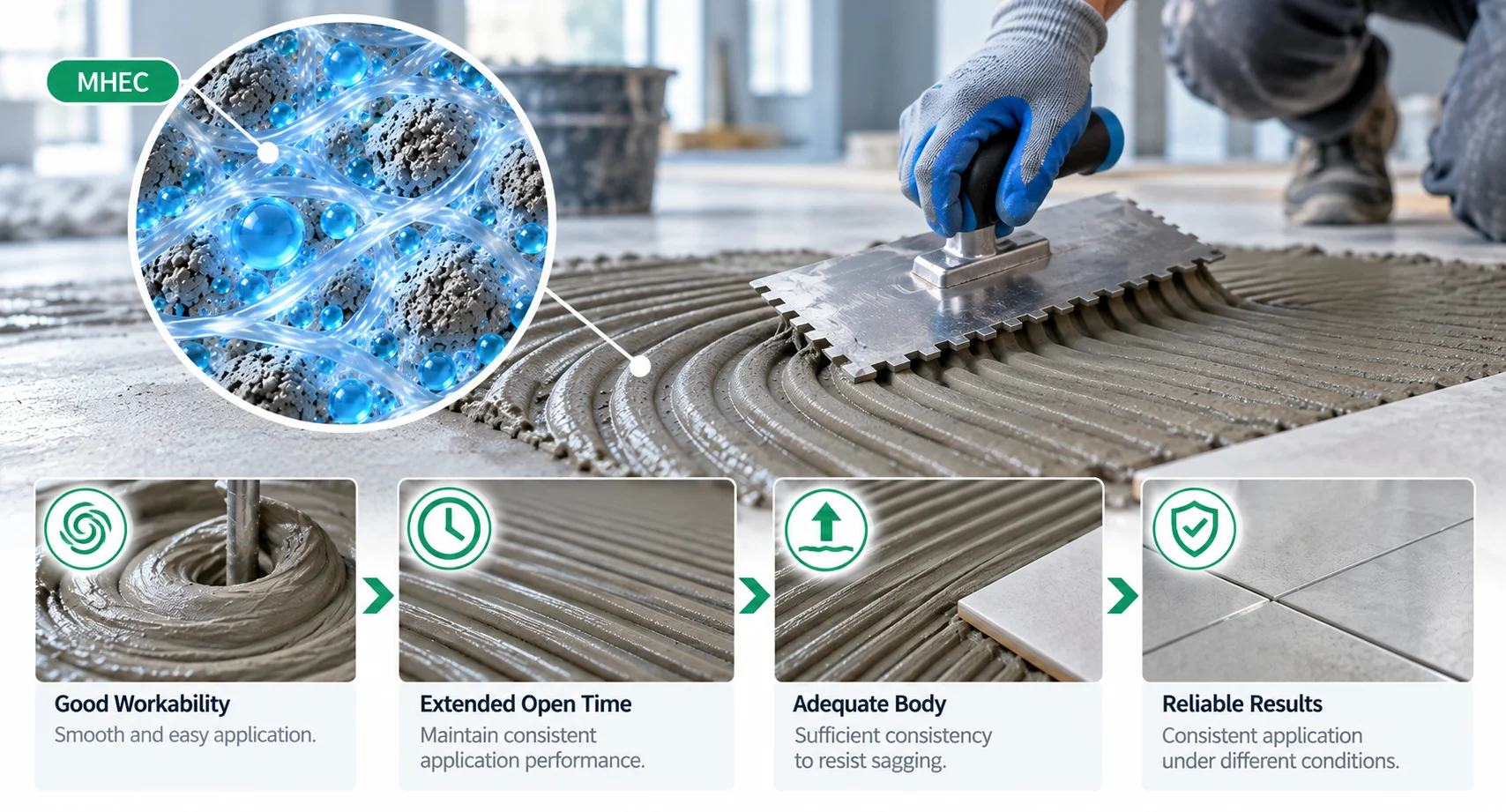
MHEC supports water management, rheology and application control across cementitious and gypsum-based dry-mix formulations. Grade selection should be matched to the specific system and performance requirements.
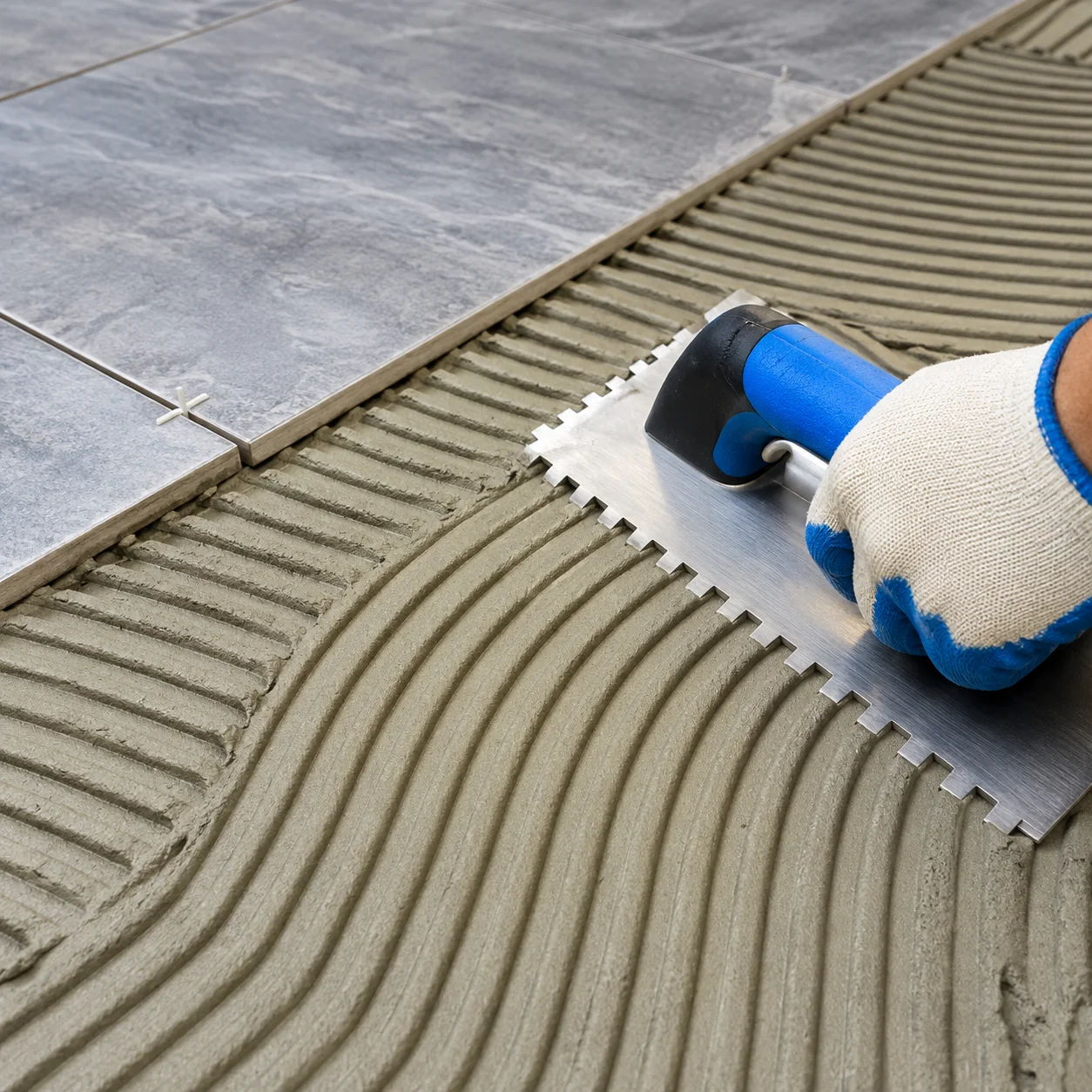
Extends workable application time while maintaining consistent rheology and sufficient structural stability for smooth troweling and reduced tile slippage.
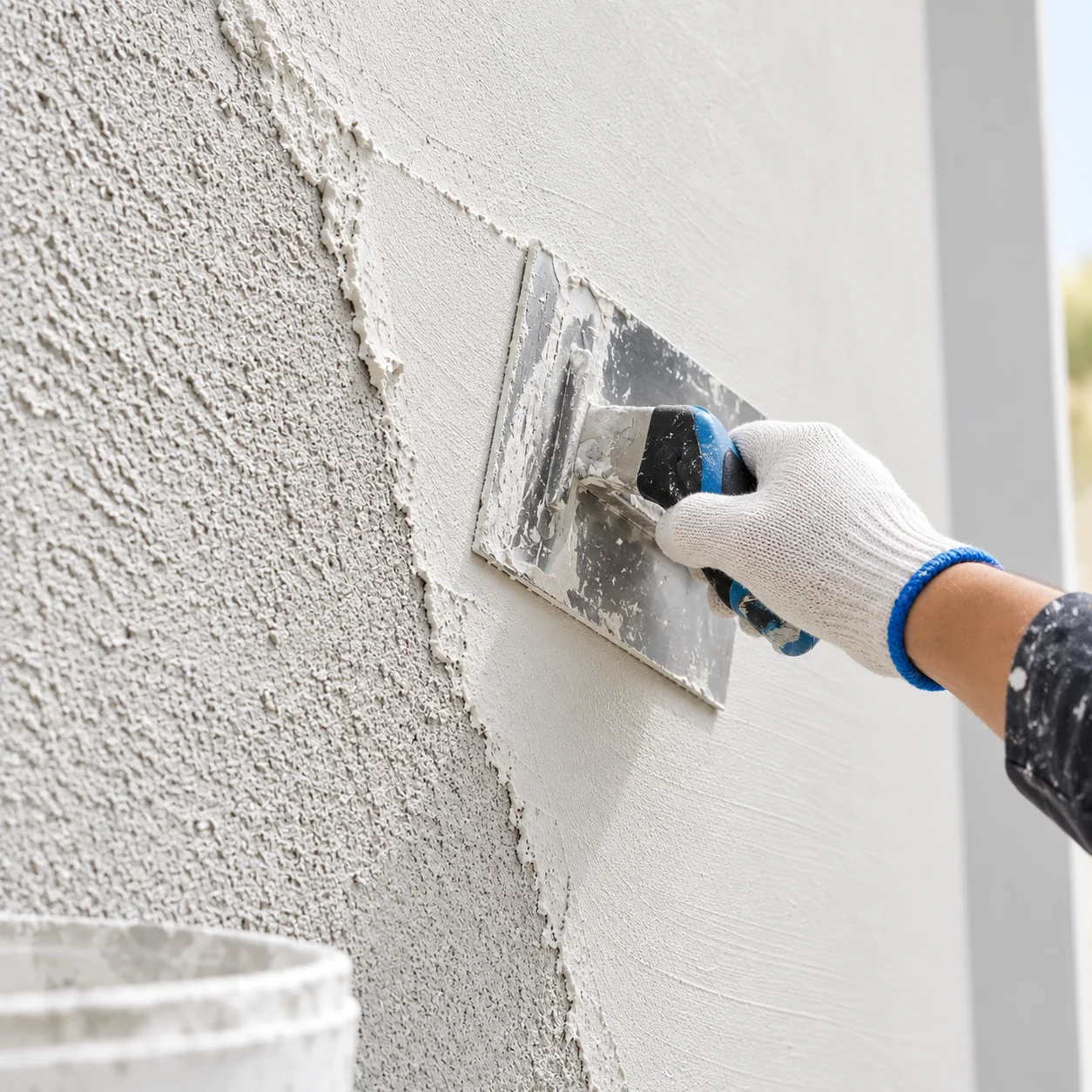
Maintains moisture availability and consistent rheology during application, supporting easier spreading, leveling and finishing across different substrates and working conditions.

Promotes smooth, uniform application by balancing water retention and fresh-state consistency for controlled spreading and thin-layer surface finishing.
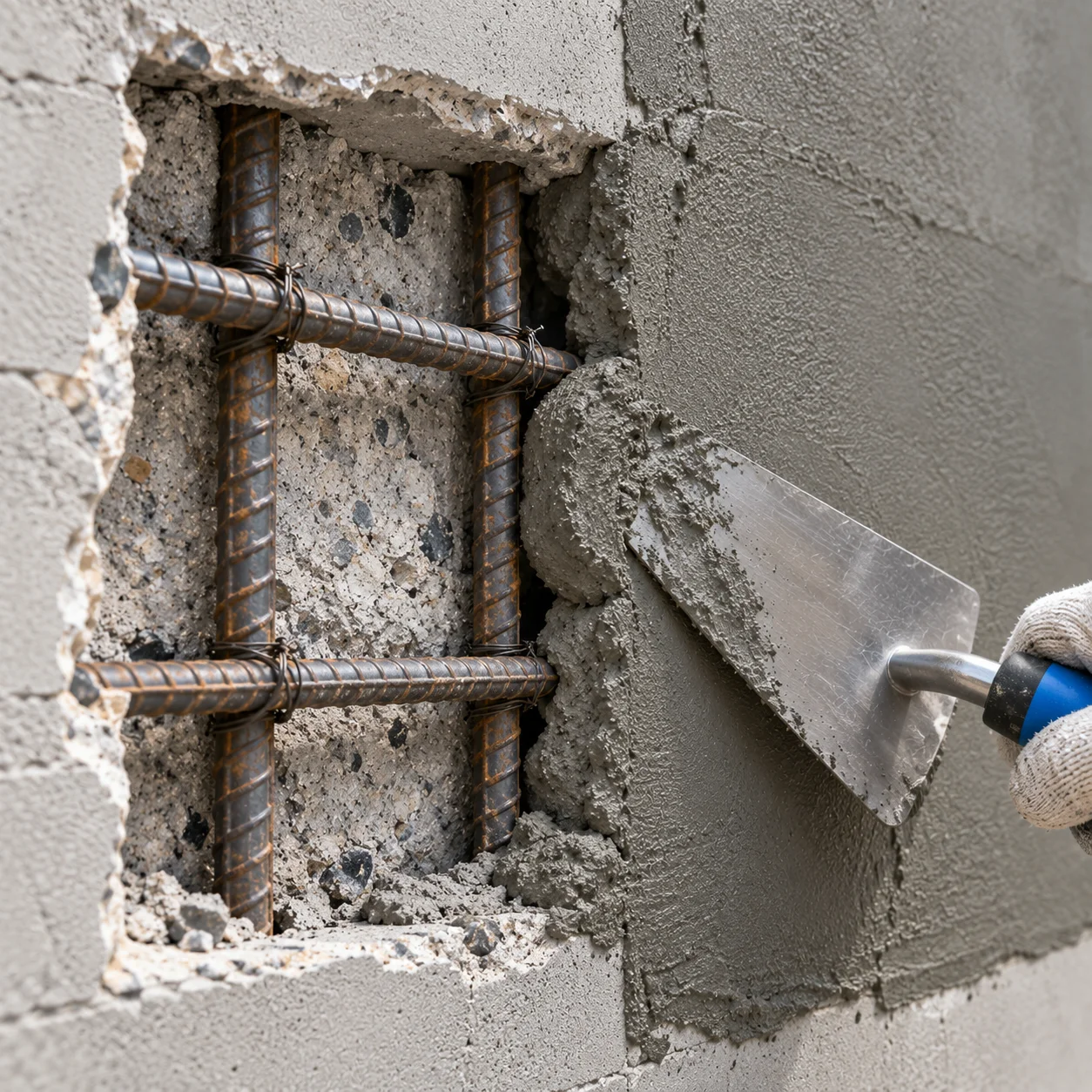
Provides controlled water retention and fresh-mortar stability, supporting consistent placement, shaping and finishing throughout the required application period.
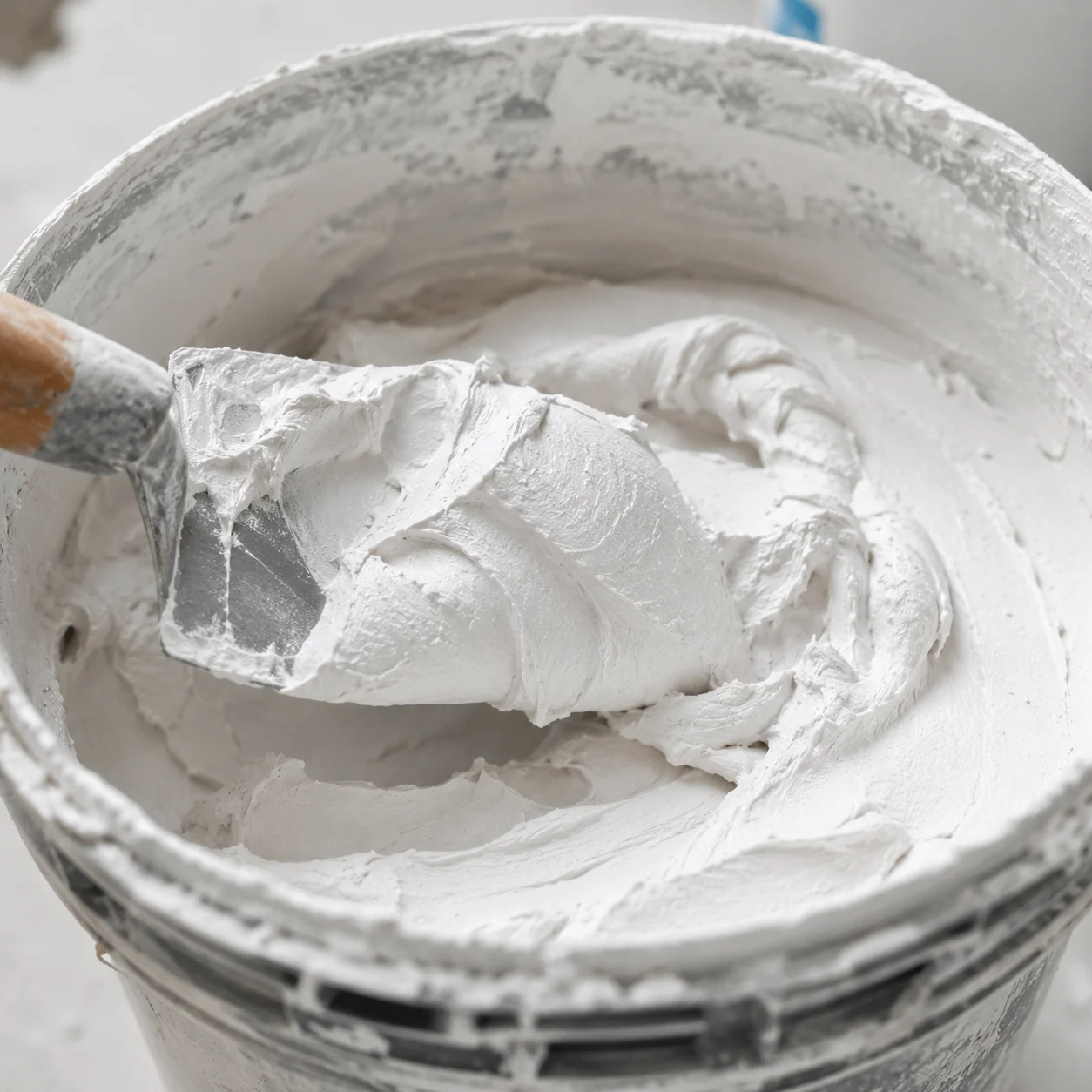
Controls moisture movement and fresh-state consistency, supporting predictable mixing, spreading and application behavior across different gypsum-based mortar formulations.
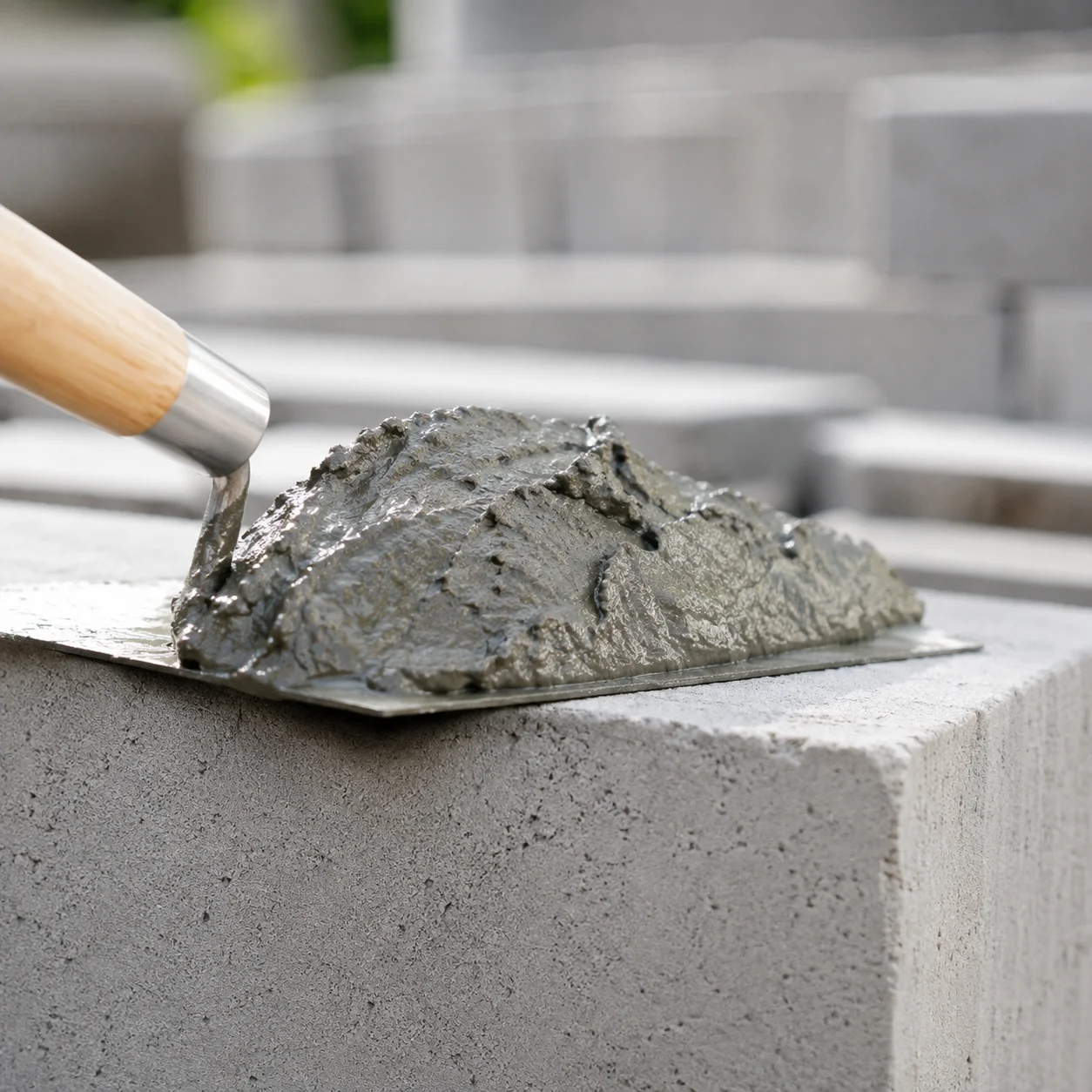
Maintains moisture availability and workable consistency during laying, supporting smooth mortar handling, joint formation and reliable application on absorbent masonry units.
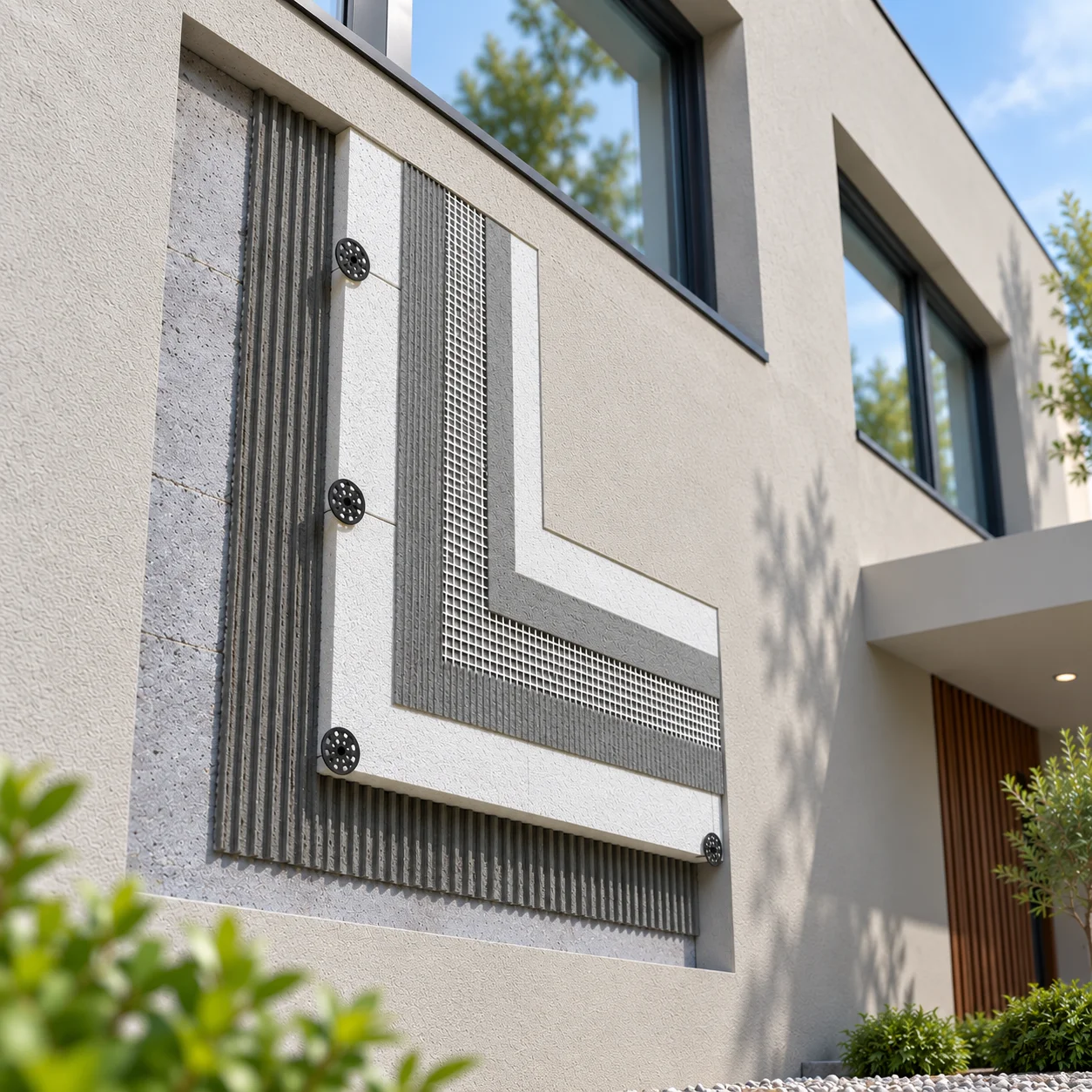
Combines workable rheology with structural stability for controlled application in adhesive, reinforcing and base-coat mortars used in external insulation systems.

MHEC Helps improve thickening, pigment suspension, anti-sag performance and workability, supporting smooth application, stable storage and uniform film formation.
MHEC translates water management and rheology control into practical fresh-mortar performance, supporting more controlled and consistent behavior throughout mixing, application and finishing.
Reduces rapid water loss from fresh mortar, helping preserve moisture availability during application and early contact with absorbent substrates.
Modifies viscosity and fresh-state rheology to achieve the required balance between easy application under movement and stability after placement.
Promotes workable consistency and easier spreading, troweling and finishing across different dry-mix mortar formulations and application methods.
Supports moisture availability and fresh-mortar consistency over the required application period, helping preserve workable conditions before final placement.
Provides fresh-state structure that helps applied mortar resist sagging and slippage, particularly in vertical and layer-applied applications.

Supports stable water and rheology control throughout application, helping reduce variations in consistency, handling and overall installation performance.
MHEC IN THE COMPLETE MORTAR SYSTEM
Its behavior is shaped by binder chemistry, grade and dosage, water demand, mineral composition and interactions with other functional additives. Effective grade selection requires evaluation within the complete formulation.
Cement or gypsum chemistry influences hydration, water demand and the conditions under which MHEC develops its functional performance.
Grade and dosage define the balance between water retention, viscosity, rheology and the required fresh-mortar application characteristics.
Water-to-binder ratio and overall water demand directly affect consistency, hydration behavior and the rheological response developed by MHEC.
Fillers, aggregates and particle grading influence water demand, packing and consistency, changing how MHEC performs within the mortar system.
Polymer modification interacts with mortar consistency and application behavior while contributing adhesion, flexibility and cohesion to the hardened system.
Particle dispersion and water reduction alter flow and water demand, making rheological compatibility with MHEC important in the complete formulation.
Used alongside MHEC where additional rheology adjustment is required, particularly for sag resistance, structural stability and application control.
Air control should be balanced with cellulose ether and other additives to manage fresh-mortar behavior, matrix density and surface quality.
FORMULATION NOTE: Evaluate MHEC within the complete formulation—not by viscosity alone.
Both MHEC and HPMC are cellulose ethers used to control water retention, rheology and application performance in dry-mix systems.
The right choice depends on the formulation, application conditions and required performance.
| Key Differences | MHEC (HEMC) | HPMC |
|---|---|---|
| Full name | Methyl Hydroxyethyl Cellulose | Hydroxypropyl Methylcellulose |
| Chemical moieties | Methoxy + Hydroxyethyl | Methoxy + Hydroxypropyl |
| Thermal‑gel temperature | 65‑75 °CSuperior high‑temperature viscosity retention | 45‑60 °CViscosity drops more significantly under heat |
| Biostability | Excellent, resistant to enzymatic degradation | Moderate, viscosity loss risk under long‑term humid storage |
| Water retention performance | Outstanding, predominant advantage at elevated temperature | Good water retention under ambient conditions |
| Cement‑based system behaviour | Slight cement retarding effect | Minimal retardation, favourable early strength build‑up |
| Gypsum‑based system compatibility | Excellent, preferred for gypsum formulations | Good general performance |
| Air entrainment tendency | Slightly higher | Relatively low |
| Function in emulsion industry | Applicable as protective colloid for emulsion polymerization | Used only as thickener, not for protective colloid |
Preferred for MHEC: Hot‑climate construction, summer‑applied mortars, EIFS render, high‑performance tile adhesive, gypsum plaster / joint compound, acrylic emulsion polymerization, water‑borne coating rheology control.
Preferred for HPMC: General‑purpose dry‑mix mortars, interior wall putty, freeze‑thaw exposed formulations, pharmaceutical excipients, cost‑optimized projects.
POLYVIA™ supports customers with MHEC grade selection, dosage optimization, formulation compatibility and application evaluation. Our approach considers the complete dry-mix system—including binder chemistry, RDP, PCE, starch ether, defoamer and application conditions—to help identify the appropriate cellulose ether solution.

Grade-specific product characteristics and technical specifications.
Download ↓
Handling, storage and safety information.
Download ↓
Practical guidance for MHEC selection and formulation evaluation.
Download ↓
Typical batch quality-control parameters.
Download ↓MHEC, or Methyl Hydroxyethyl Cellulose, is a non-ionic, water-soluble cellulose ether used as a water-retention agent, thickener and rheology modifier. It is also commonly referred to as HEMC.
MHEC helps control water retention, consistency, rheology and workability in cement- and gypsum-based dry-mix formulations.
Both are non-ionic cellulose ethers used in construction formulations. Their actual performance varies according to substitution chemistry, viscosity, modification, dosage and formulation conditions. The appropriate product should therefore be selected through application testing rather than chemical name alone.
Yes. MHEC is commonly used in cement-based tile adhesives to support water retention, open time, troweling behavior and sag or slip control.
Yes. MHEC and Redispersible Polymer Powder perform different functions and are commonly evaluated together in polymer-modified dry-mix formulations.
Yes, but compatibility should be evaluated in the complete formulation because both additives can influence fresh-mortar rheology and application behavior.
Yes. A suitable Powder Defoamer can be evaluated where foam or entrained-air control is required. Dosage and compatibility should be confirmed experimentally.
MHEC can be formulated for demanding temperature conditions, but performance depends on the specific grade, dosage, water demand and complete mortar formulation. Application testing under representative conditions is recommended.
Different dry-mix systems require different balances of water retention, rheology, open time and application behavior. POLYVIA™ helps customers evaluate MHEC as part of the complete formulation—from grade selection to application testing.