Uniform Dispersion
Fine steel fibers distribute throughout the cementitious matrix during mixing.

POLYVIA™ Micro Copper Coated Steel Fiber provides distributed reinforcement for enhanced crack control, flexural toughness and post-cracking performance in UHPC and high-performance concrete.
13 mm Length · 0.1–0.3 mm Diameter · >2850 MPa Tensile Strength
Micro Copper Coated Steel Fiber is a fine, high-tensile micro steel fiber with a copper-coated surface, engineered for UHPC (Ultra-High Performance Concrete), RPC (Reactive Powder Concrete) and other high-performance cementitious systems.
Its fine geometry enables dense fiber distribution throughout the concrete matrix, helping bridge microcracks, redistribute stress and improve flexural toughness and post-cracking performance.
From Fiber Dispersion to Crack Control
Fine steel fibers distribute throughout the cementitious matrix during mixing.
Distributed fibers form a multidirectional reinforcement network within the hardened matrix.
Fibers bridge developing cracks and transfer stress across crack interfaces.
Fiber–matrix interaction redistributes localized stresses and helps limit crack propagation.
Micro steel fiber for UHPC reinforces ultra-dense matrices through crack bridging, delivering flexural toughness and reliable post-cracking performance.

Steel fiber for RPC forms distributed micro-reinforcement within fine-grained matrices designed for high strength, toughness and controlled cracking.
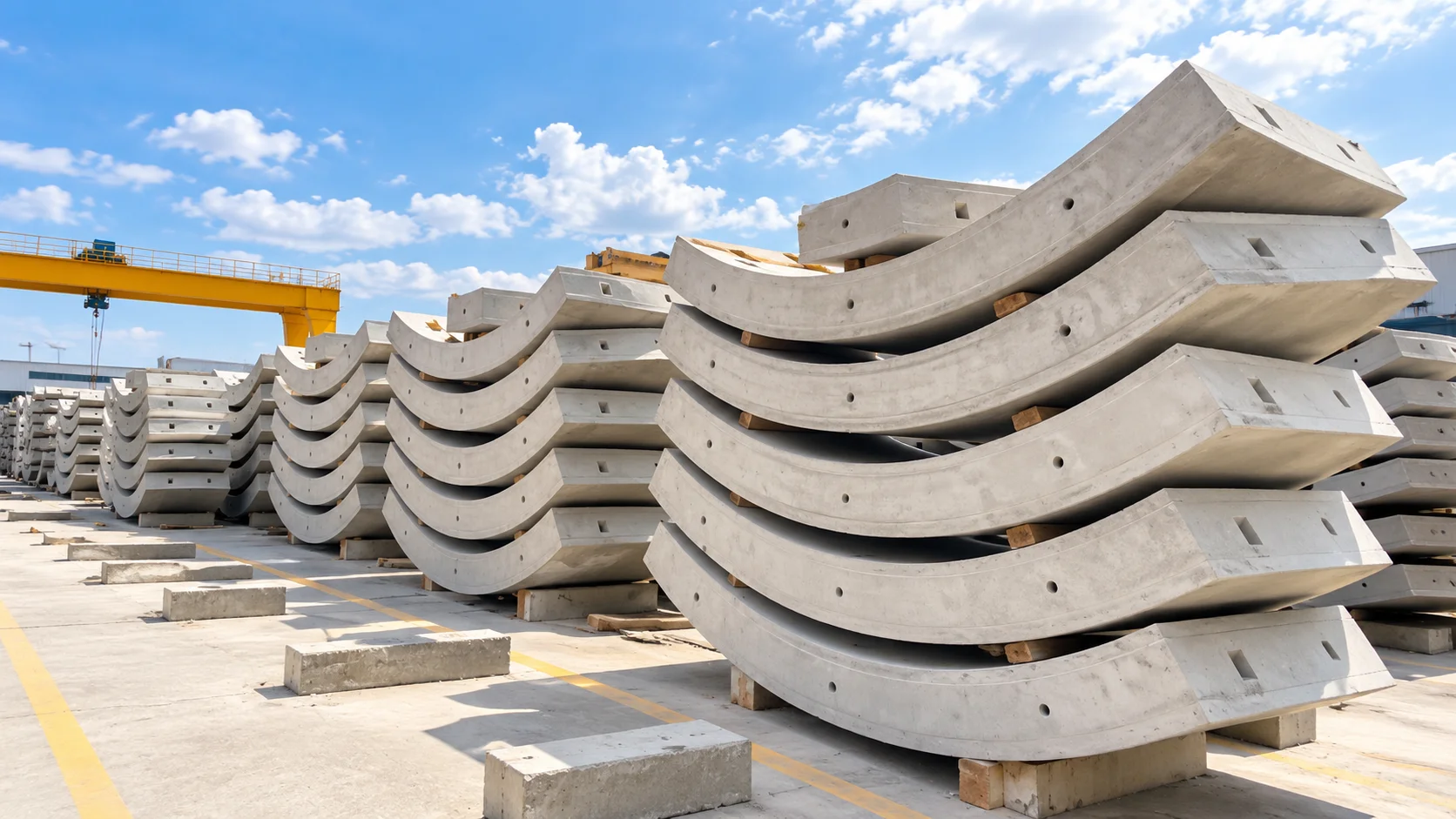
Micro steel fiber for precast concrete strengthens high-performance components where flexural behavior, crack control and dimensional integrity are critical.
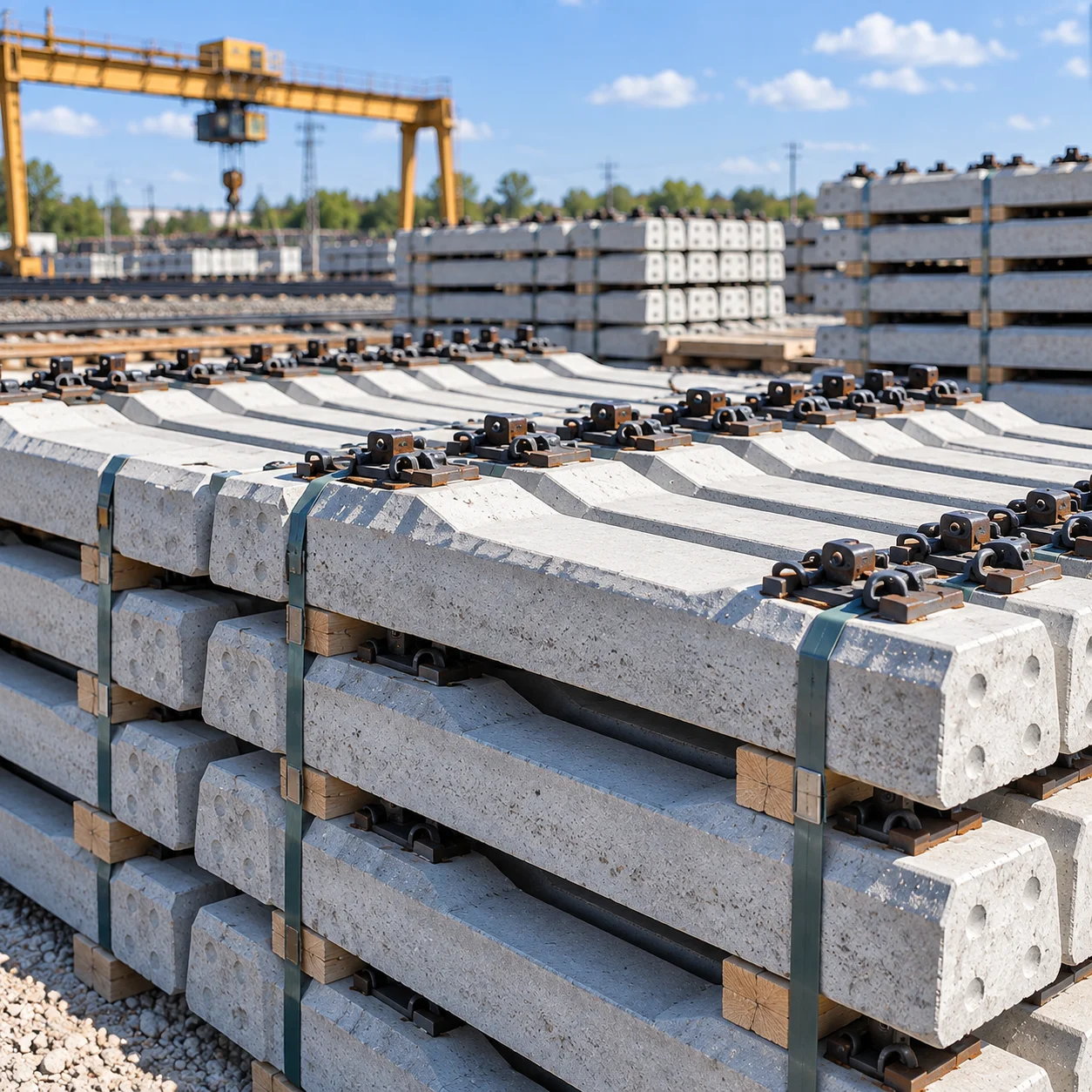
Steel fiber for railway concrete increases toughness and crack resistance in high-performance sleepers and other demanding precast railway components.

Suitable for UHPC bridge components, overlays, joints and other performance-driven infrastructure systems.
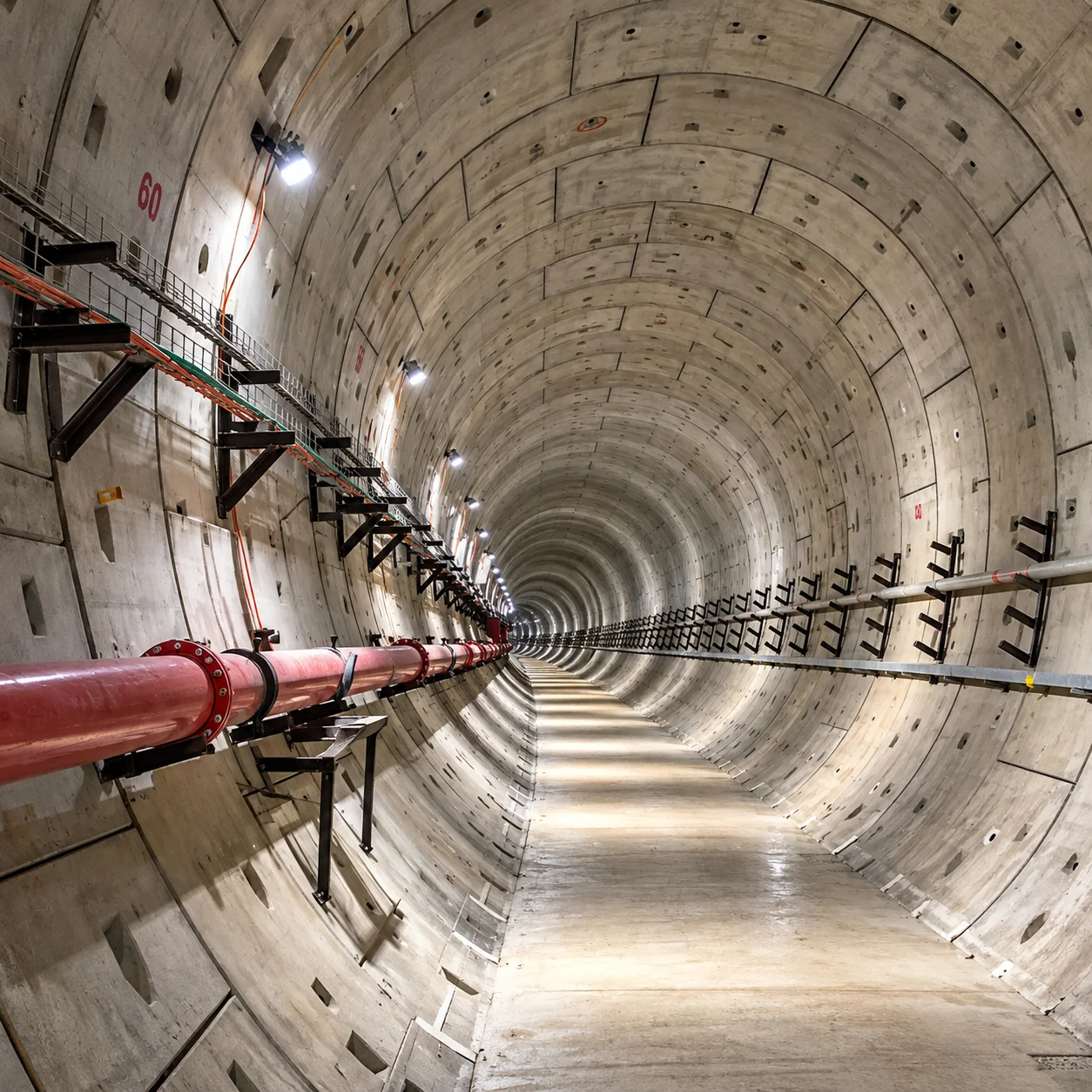
Steel fiber for tunnel segments provides distributed reinforcement and crack control in high-performance precast and underground concrete structures.
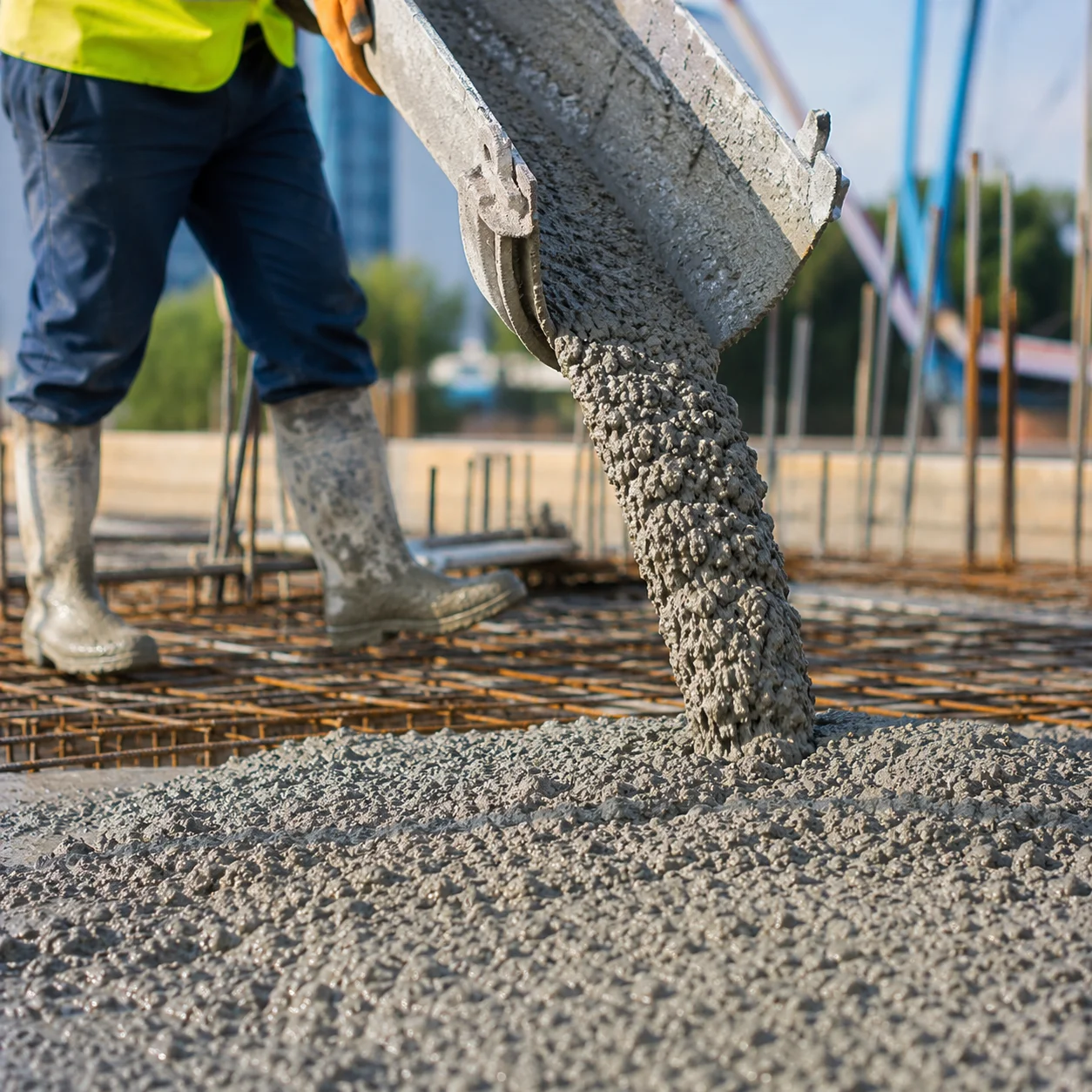
Micro steel fiber for industrial concrete improves toughness and crack control in systems exposed to heavy loads and mechanical impact.

Steel fiber for marine concrete supports crack control and structural integrity in dense, high-performance hydraulic and marine concrete systems.
UHPC and RPC typically combine low water-to-binder ratios, optimized particle packing, high binder content and high-range water-reducing admixtures.
In these dense matrices, micro steel fibers provide a high number of reinforcement elements within a relatively small volume.
The fine geometry and high tensile strength of POLYVIA™ Micro Copper Coated Steel Fiber support:
More individual reinforcement elements can be distributed throughout the matrix.
Fine fibers can intersect and bridge developing microcracks within the cementitious matrix.
Tensile strength above 2850 MPa supports demanding high-performance systems.
Fibers continue transferring stress after matrix cracking, contributing to toughness and residual load-carrying behavior.
The final performance depends on fiber content, matrix design, dispersion and fiber–matrix interaction.
Micro steel fiber performance depends on the interaction between fiber content, cementitious materials, water-to-binder ratio, PCE dosage, matrix rheology and mixing conditions. A balanced formulation helps achieve uniform fiber dispersion, controlled workability and consistent concrete performance.
Low W/B ratios support dense, high-strength matrices but require sufficient rheological control for fiber dispersion.
PCE helps achieve required flowability at low water content and can support more consistent micro steel fiber dispersion.
Excessively high viscosity may restrict fiber movement, while an unstable matrix can reduce uniform fiber distribution.
Mixer type, mixing energy, addition sequence and mixing time directly influence fiber dispersion and production consistency.
Fiber dosage and PCE dosage should therefore be optimized together rather than independently.
The appropriate dosage of Micro Copper Coated Steel Fiber depends on the concrete system, matrix design, target mechanical performance, workability and production conditions.
For conventional concrete applications, the typical dosage range is:
Recommended starting range: 15–25 kg/m³
This range can be evaluated where the primary objective is distributed reinforcement, crack control and improved mechanical performance.
For UHPC, RPC and other high-performance cementitious systems, fiber content is more appropriately controlled by fiber volume fraction:
Recommended evaluation range: 1.5–2.5 vol.%
Higher fiber contents can increase tensile and flexural performance, but also increase mixing resistance and the risk of poor fiber dispersion if matrix rheology is not properly controlled.
Application → Target Performance → Initial Dosage → Workability & Dispersion → Mechanical Testing → Production Validation
For UHPC and RPC, fiber content should be evaluated together with W/B ratio, PCE dosage, matrix rheology and mixing conditions.
Final dosage should be confirmed through trial mixes and performance testing under actual production conditions.
Different Fiber Geometry for Different Reinforcement Requirements
| Performance Factor | Micro Copper Coated Steel Fiber | Conventional Steel Fiber |
|---|---|---|
| Fiber Geometry | Fine, Short Microfiber | Larger, Longer Fiber |
| Fiber Distribution | High-Density Micro-Distribution | oarser Distributed Reinforcement |
| Reinforcement Scale | Micro / Distributed | Macro / Structural |
| Typical Matrix | UHPC / RPC / High-Performance Concrete | Conventional SFRC |
| Crack-Bridging Scale | Fine & Distributed Cracks | Larger Crack Openings |
| Fiber–Matrix Interaction | High Interfacial Contact | Larger Individual Fiber Anchorage |
| Typical Performance Focus | Tensile Response · Toughness · Post-Cracking Behavior | Toughness · Residual Strength · Crack Control |
| Typical Applications | UHPC · RPC · Specialty Precast | Floors · Pavements · Tunnels · Structural SFRC |
25 kg cartons or composite paper bags
1500–2000 kg per pallet, depending on packaging configuration.
Customized packaging can be discussed according to order quantity and handling requirements.
Store in a dry, covered and well-ventilated environment.
Protect from rain, direct water exposure, excessive humidity and contamination. Keep the original packaging sealed before use.
From Fiber Selection to Mix Validation

Product Specifications and Properties.
Download ↓
Safety, handling, storage and transportation information
Download ↓
Batch-specific quality documents
Download ↓
Guidance on selection, dosage optimization
Download ↓It is a fine, high-tensile steel reinforcement fiber with a copper-coated surface, designed primarily for UHPC, RPC and other high-performance cementitious systems.
The tensile strength of this product is above 2850 MPa.
The standard length is 13 mm, with a diameter range of 0.1–0.3 mm. Customized lengths are available according to project requirements.
Yes. Its fine geometry and ultra-high tensile strength make it particularly suitable for UHPC and other dense, high-performance cementitious matrices.
For conventional concrete, a typical range is 5–30 kg/m³, with 15–25 kg/m³ recommended as an initial evaluation range.
For UHPC and RPC, fiber content can be evaluated within 0.5–3.0 vol.%, with 1.5–2.5 vol.% as the recommended evaluation range.
Final dosage should be confirmed through mix trials and mechanical testing.
Establish suitable matrix flow before fiber addition, introduce the fibers gradually and maintain sufficient mixing energy until uniform dispersion is achieved.
Yes. PCE superplasticizer is particularly relevant in low-W/B high-performance concrete because it helps control water demand and matrix flowability. PCE dosage should be optimized together with fiber content.
Not automatically. Micro steel fiber and conventional reinforcement perform different structural functions. Any reduction or replacement of conventional reinforcement should follow the applicable structural design requirements and project specifications.
From fiber geometry and dosage to PCE compatibility and mixing optimization, POLYVIA supports the development of stable, performance-driven cementitious systems.