Rheology Modification
After dissolution and dispersion in the mixing water, HPS modifies the rheological behavior of the aqueous phase and the surrounding particle network, increasing resistance to uncontrolled movement.
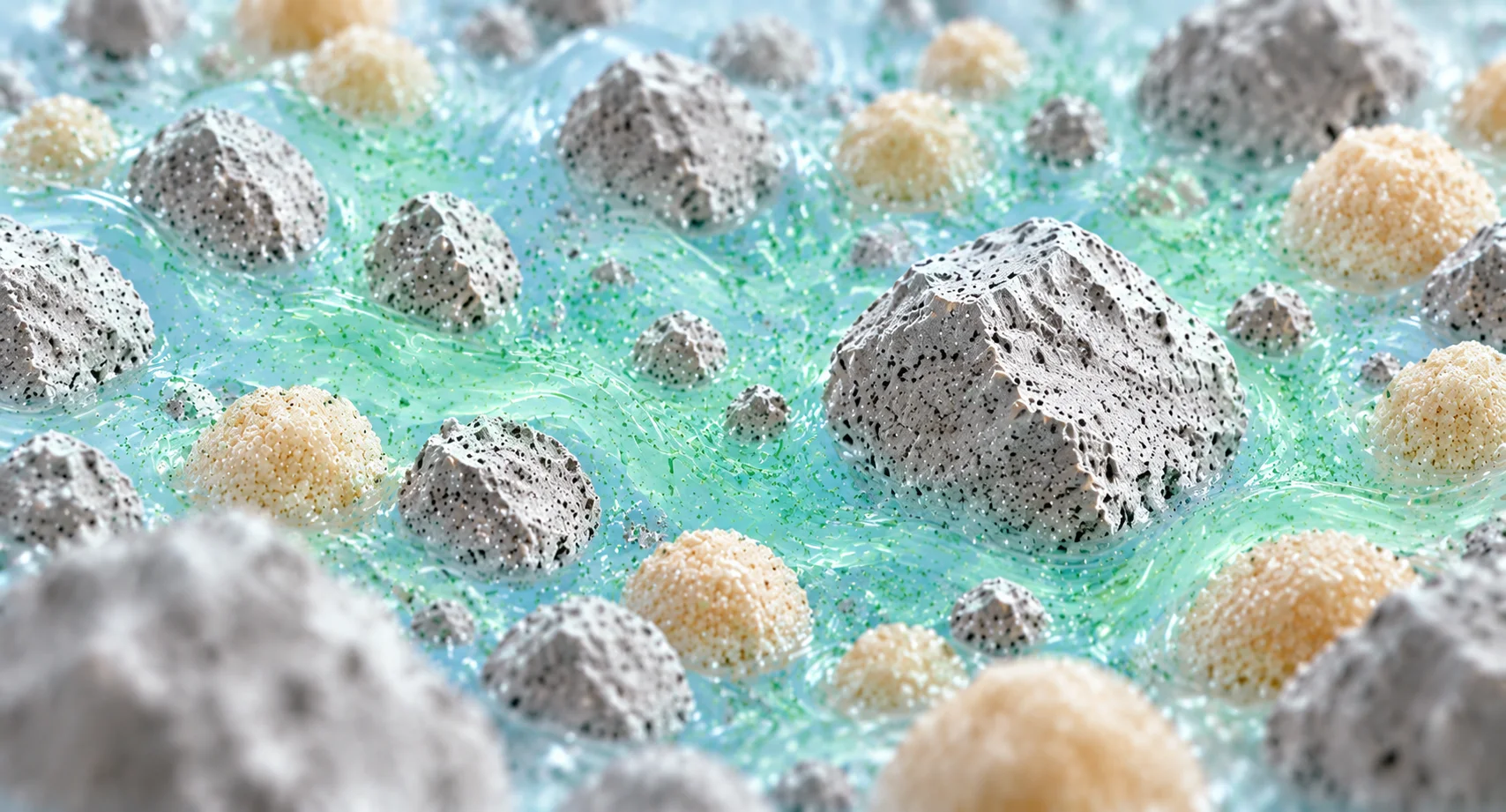

POLYVIA™ Hydroxypropyl Starch Ether (HPS) is a modified starch ether designed to improve rheology, anti-sagging and application stability in dry-mix mortar formulations.
Tile Adhesive · Wall Putty · Plaster · Specialty Mortar




Hydroxypropyl Starch Ether (HPS) is a chemically modified starch derivative used primarily as a rheology modifier and anti-sagging additive in cement- and gypsum-based dry-mix formulations.
Unlike cellulose ethers, which play a major role in water retention and working-time control, HPS is particularly useful for fine-tuning fresh-mortar rheology, structural recovery, anti-sagging and anti-slip behavior.
This makes HPS especially valuable in vertical applications where the mortar needs to spread easily during application while maintaining sufficient stability after placement.
| Items | Value |
|---|---|
| Appearance | White to Whitish Powder |
| Hydroxypropyl | 13.0–19.0% |
| Solubility | Soluble in Cold Water |
| Fineness | 95% (80 Mesh) |
| Viscosity | 50–7000 mPa·s |
| Loss on Drying | ≤10% |
| Moisture | ≤10% |
| pH Value | 8.0-12.0 |
HPS modifies fresh-mortar rheology at low addition levels, helping balance application workability with structural stability after placement.
After dissolution and dispersion in the mixing water, HPS modifies the rheological behavior of the aqueous phase and the surrounding particle network, increasing resistance to uncontrolled movement.
Under mixing, spreading or troweling shear, the mortar remains sufficiently workable for application. As shear decreases, the system develops greater resistance to flow and deformation.
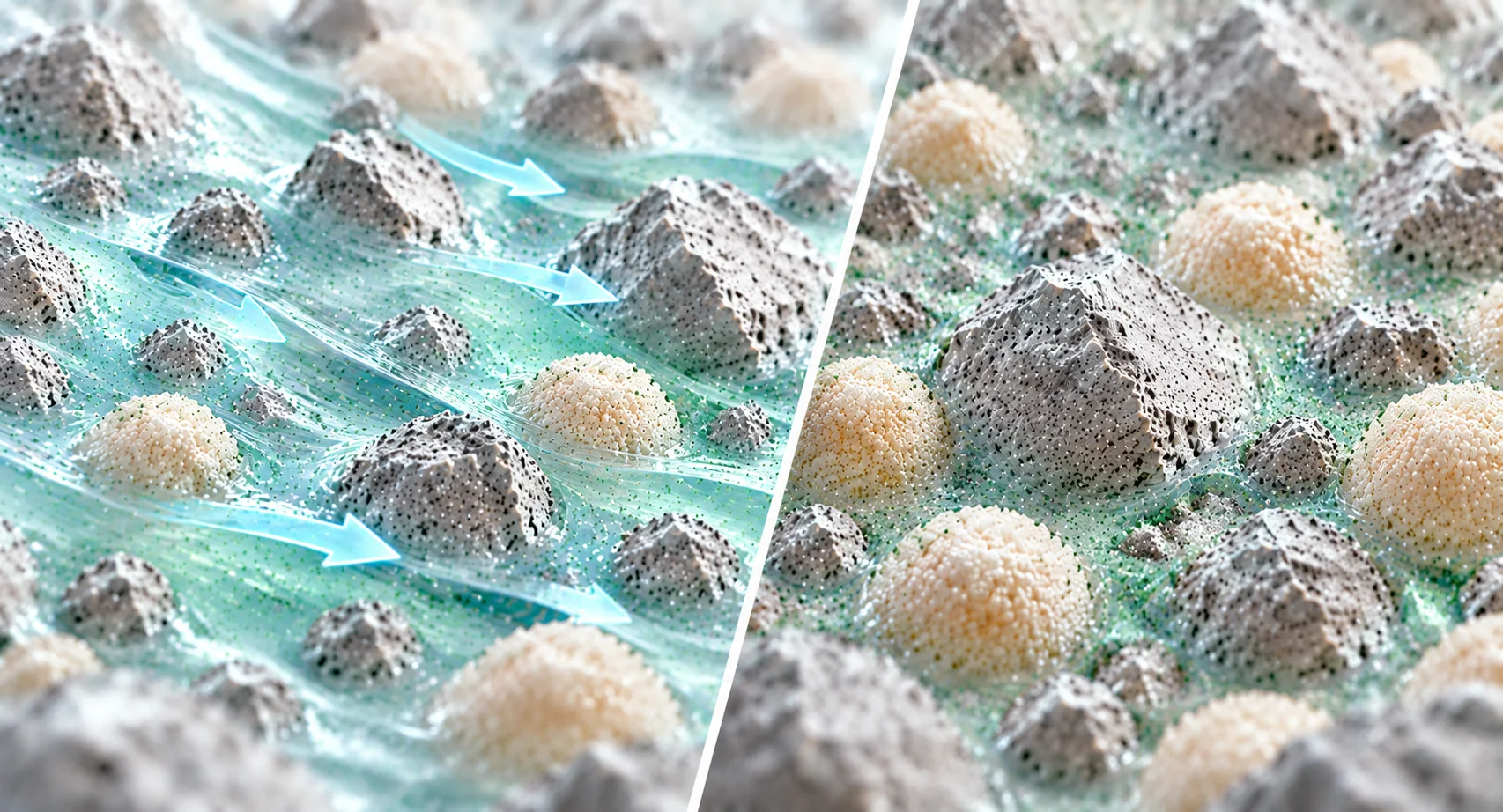
This rheological control helps the applied mortar maintain its position and geometry, contributing to reduced sagging, tile slip and deformation on vertical surfaces.
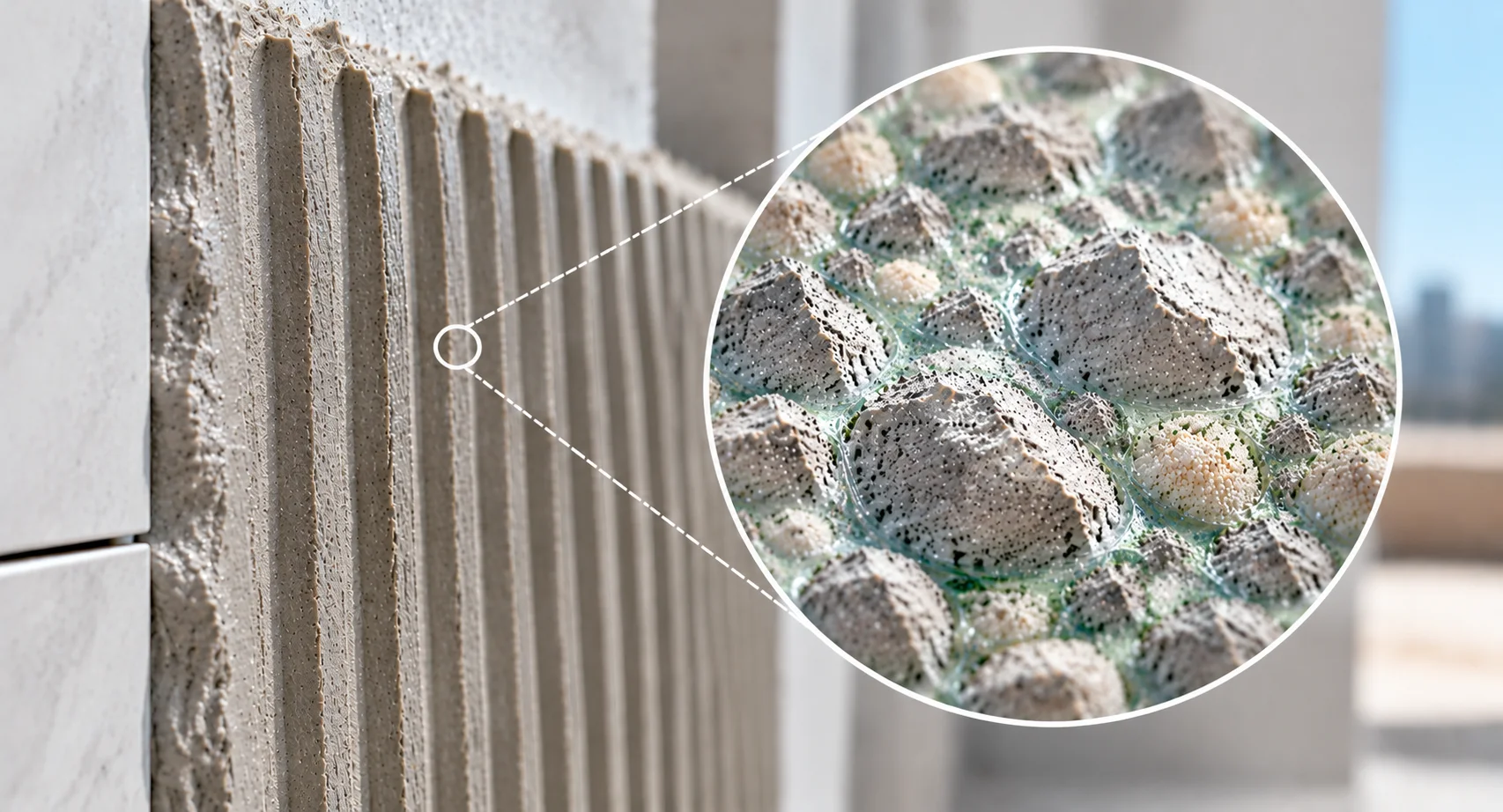
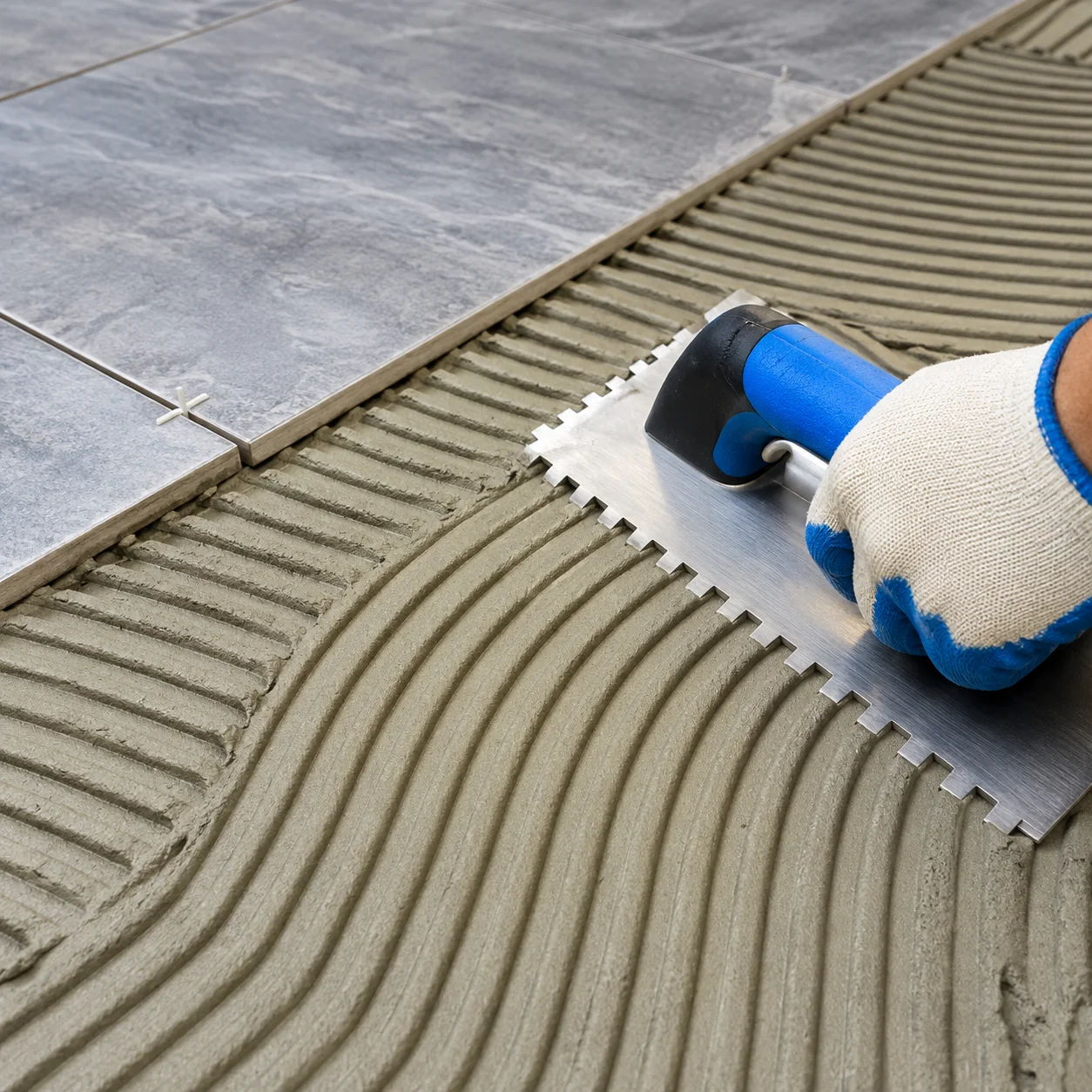
HPS powder is used in cement-based tile adhesive formulations to regulate rheology, improve anti-slip behavior and support stable application during tile installation.
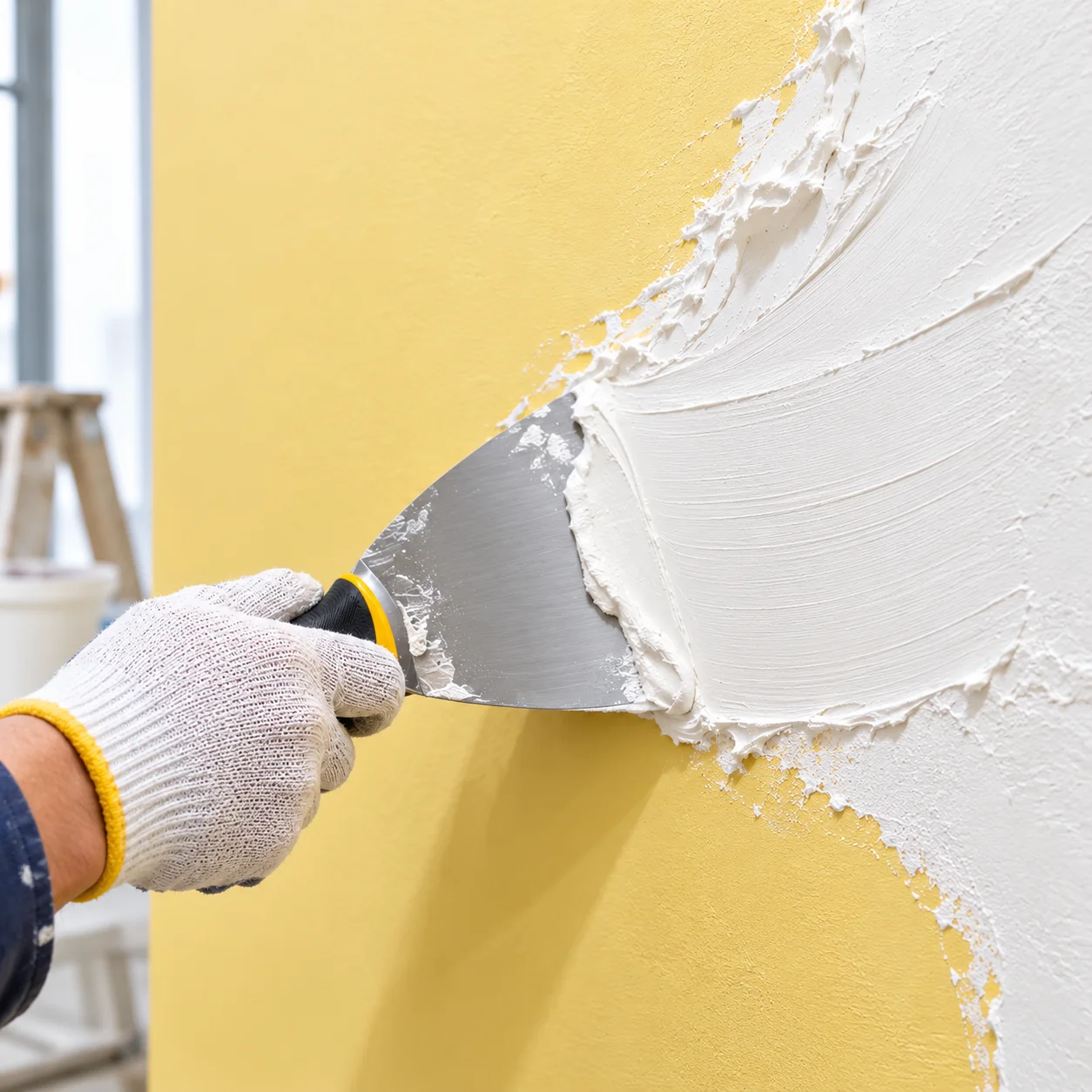
HPS helps optimize fresh wall putty consistency, supporting smooth application, controlled workability and improved stability for vertical surface finishing.
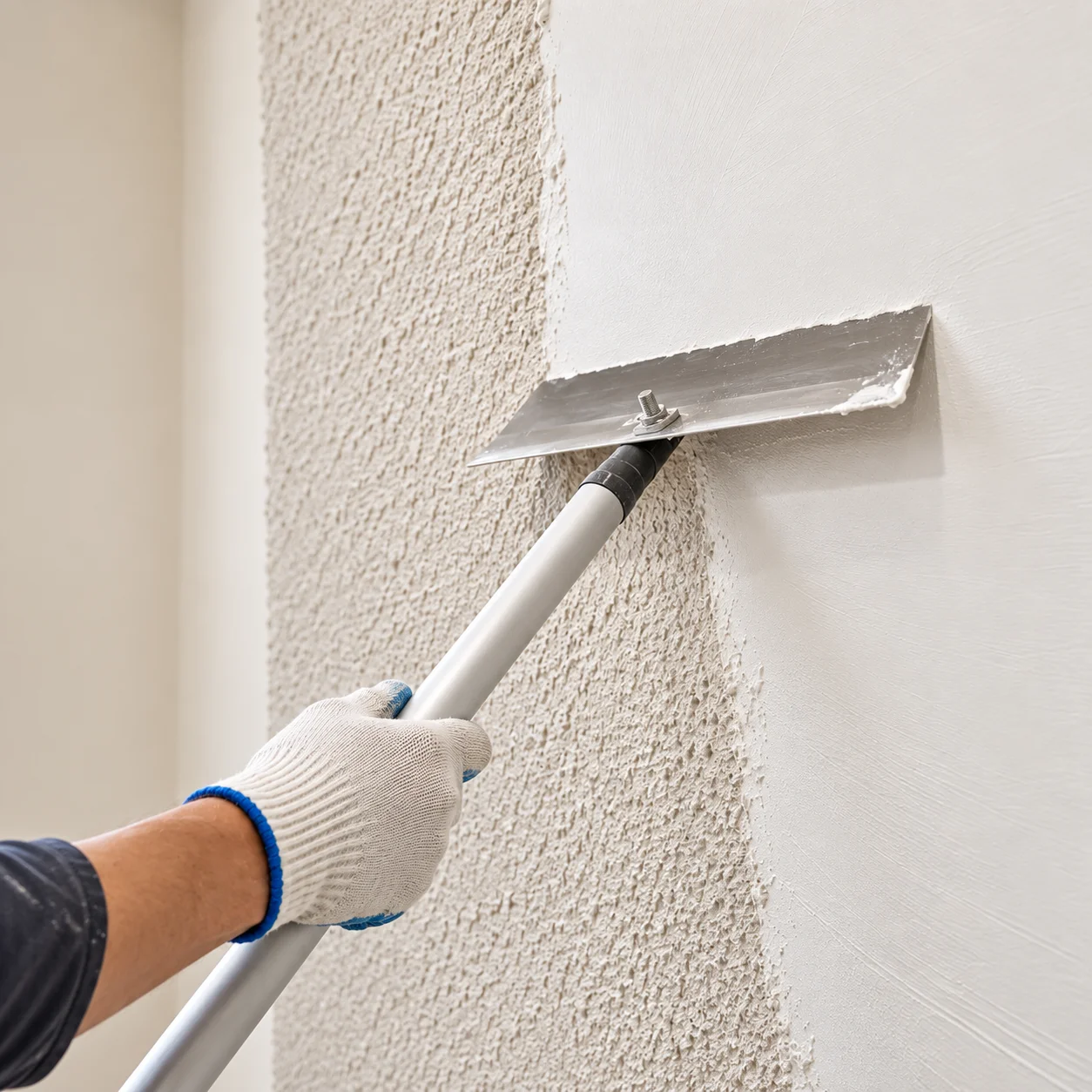
HPS helps control skim coat mortar rheology, supporting uniform thin-layer application, stable coating thickness and consistent finishing quality.
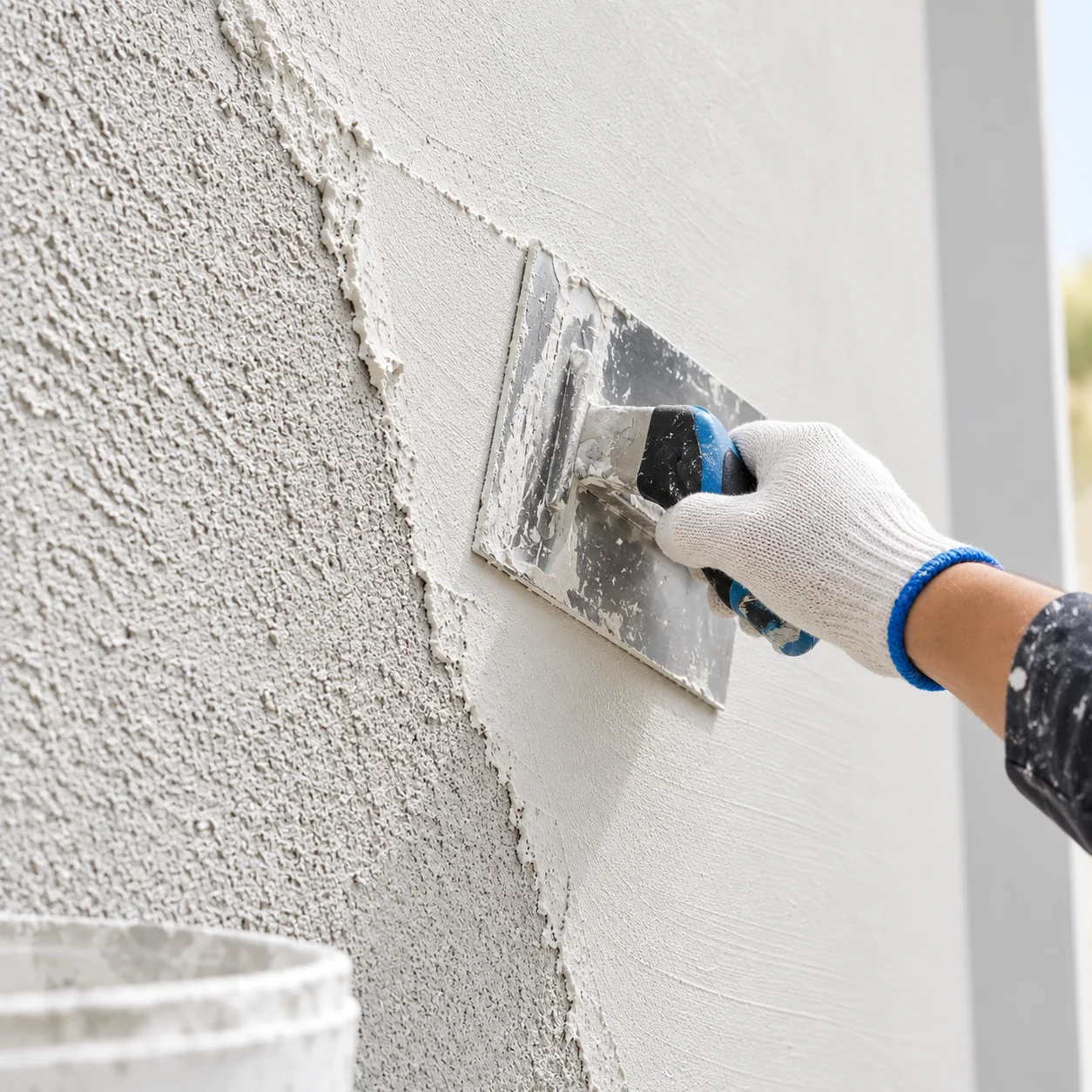
HPS supports cement plaster and render formulations by controlling fresh-mortar behavior, reducing sagging tendency and improving shape retention during vertical application.
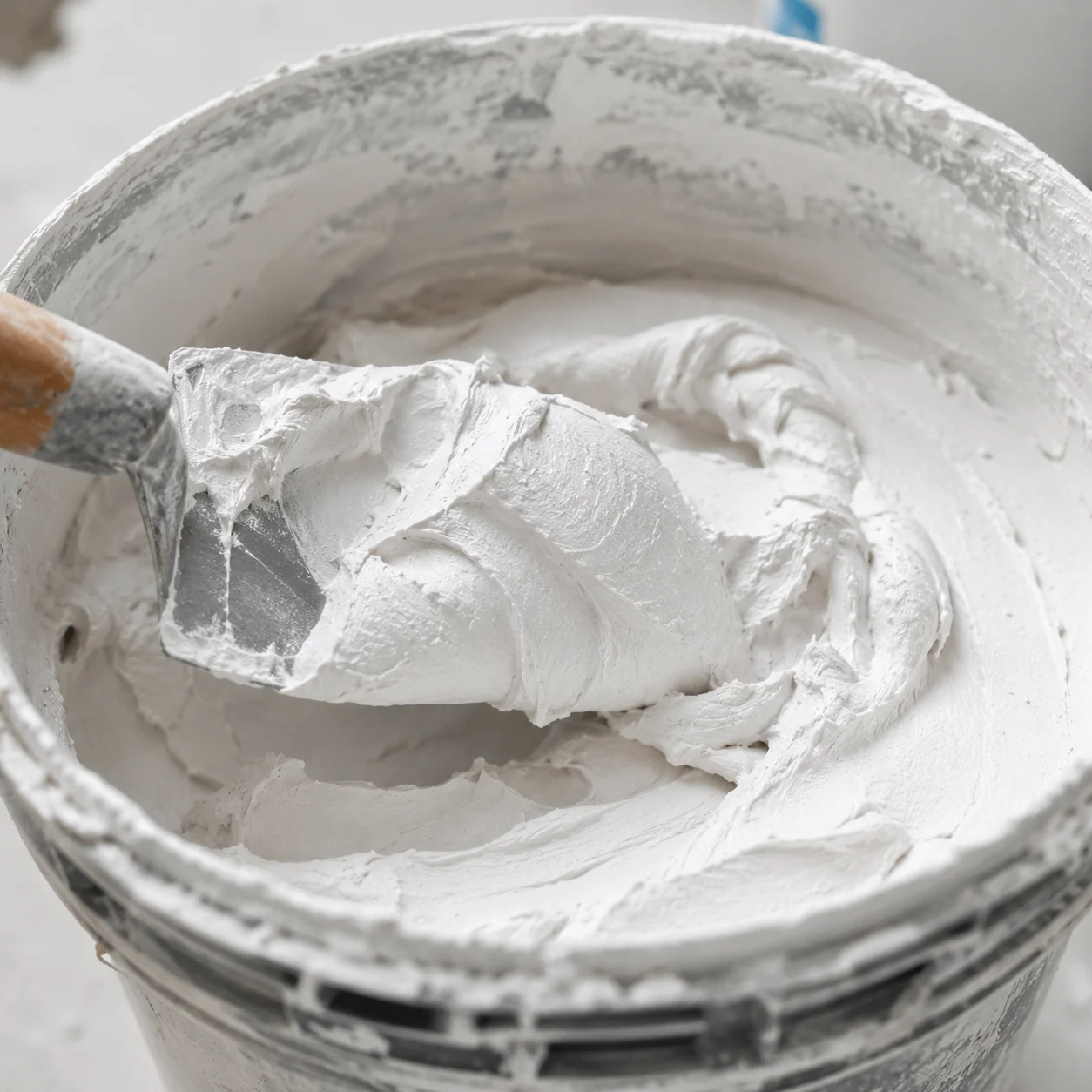
Hydroxypropyl Starch Ether helps control gypsum plaster rheology, supporting uniform application, stable consistency and improved finishing characteristics.
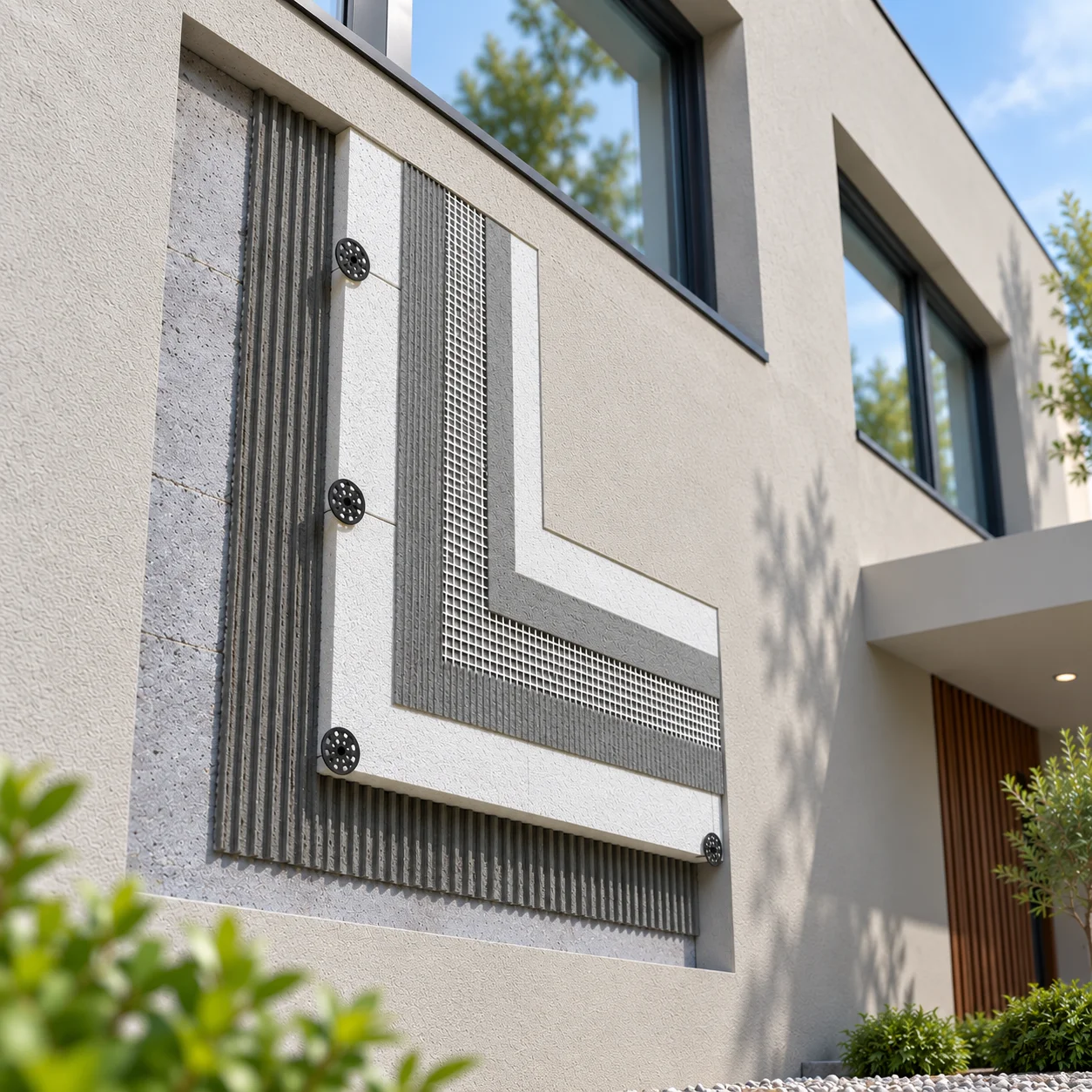
HPS is used in EIFS and ETICS mortar systems to improve vertical stability, application control and the handling properties required for adhesive and base-coat formulations.
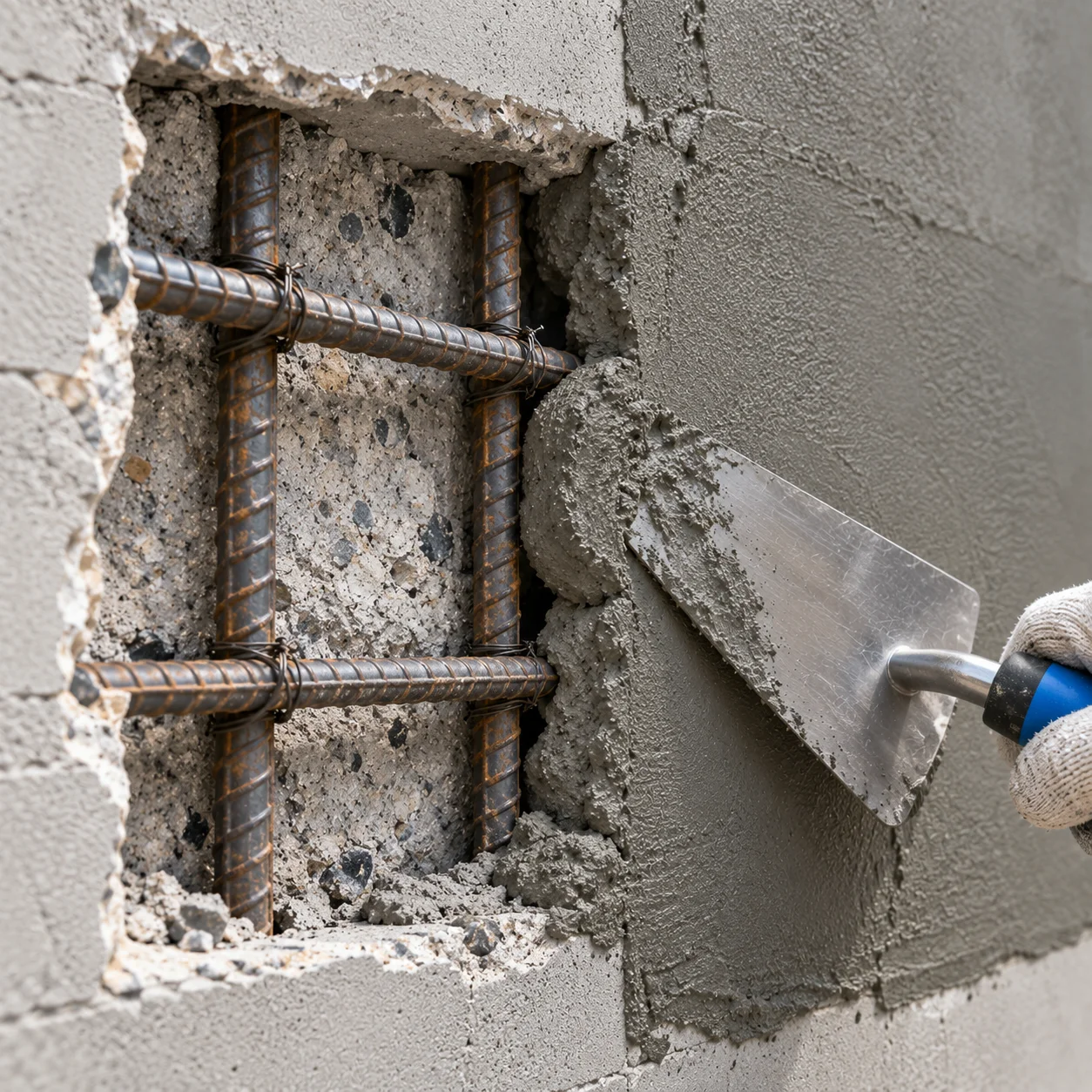
HPS supports repair mortar formulations requiring controlled rheology, shape retention and stable placement for localized and vertical repair applications.

Starch Ether (HPS) is used in oil well cementing formulations to help control cement slurry rheology, water management and suspension stability under demanding downhole conditions.
POLYVIA™ Hydroxypropyl Starch Ether (HPS) is available in different viscosity grades designed for various dry-mix mortar and industrial formulation requirements.
Each grade is optimized to provide different levels of rheology control, anti-sagging performance, workability and application stability.
| Grade | Viscosity Range | Main Performan | Recommended Applications |
|---|---|---|---|
| POLYVIA™ HPS 300 | 50–1000 mPa·s | Workability · Rheology Adjustment · Anti-Sagging | Tile Adhesive · Wall Putty · General Dry-Mix Mortar |
| POLYVIA™ HPS 1000 | 1000–3000 mPa·s | Structural Stability · Anti-Slip · Rheology Control | C1/C2 Tile Adhesive · Skim Coat · Plaster Mortar · Repair Mortar |
| POLYVIA™ HPS 3000 | 3000–7000 mPa·s | High Rheology Control · Enhanced Stability | High-Performance Mortar · Thick-Layer Systems · Specialty Formulations |
| POLYVIA™ HPS 5000 | 5000-7000 mPa·s | Fluid-Loss Control · Rheology Management | Water-Based Drilling Fluids · Completion Fluids · Workover Fluids |
Hydroxypropyl Starch Ether (HPS) is a functional rheology modifier widely used in dry-mix mortar formulations. In modern cement-based mortar systems, HPS is often combined with other additives to achieve a balanced performance profile, including workability, water retention, adhesion, air control and application stability.
The optimum additive combination depends on the complete formulation design, including cement type, filler system, cellulose ether selection, polymer modification, water demand and target application requirements.
Cellulose ethers are commonly combined with HPS in tile adhesive, wall putty and plaster formulations to balance water retention, workability and fresh-mortar consistency.
HPS works together with redispersible polymer powder (RDP) to combine rheology adjustment with polymer modification in tile adhesive, repair mortar and other cement-based applications.
HPS can be combined with PCE powder in selected mortar systems where controlled dispersion, water-demand adjustment and rheological performance are required.
HPS can be used with powder defoamer in dry-mix mortar formulations requiring balanced rheology control, air management and consistent surface performance.
POLYVIA™ Hydroxypropyl Starch Ether (HPS) and cellulose ethers such as Hydroxypropyl Methylcellulose (HPMC) and Methyl Hydroxyethyl Cellulose (MHEC) are commonly used in modern dry-mix mortar formulations.
Although both are functional additives, they provide different performance contributions.
HPS mainly focuses on rheology control, anti-sagging and anti-slip performance, while HPMC/MHEC primarily contribute to water retention, open time control and fresh-mortar consistency.
The most effective formulation approach is usually not replacing one additive with another, but optimizing their combination according to the application requirements.
| Performance Function | HPS | HPMC / MHEC |
|---|---|---|
| Rheology Control | Primary Function | Supporting Function |
| Anti-Sagging Performance | Strong Contribution | Supporting Contribution |
| Anti-Slip Performance | Strong Contribution | Supporting Contribution |
| Water Retention | Limited Contribution | Primary Function |
| Open Time Control | Limited Contribution | Primary Function |
| Workability | Improves Application Behavior | Improves Application Behavior |
| Fresh-Mortar Stability | Rheology Adjustment | Water Retention & Consistency Control |
POLYVIA™ Hydroxypropyl Starch Ether (HPS) is typically incorporated during the dry blending stage to ensure uniform distribution within the powder formulation.
Dry Components (Cement · Gypsum · Fillers) → Add HPS & Powder Additives → Uniform Dry Mixing → Water Addition → Final Mixing & Application
The optimal mixing sequence depends on the formulation design, raw materials and production equipment. HPS should be evenly dispersed before water addition to achieve consistent performance.

Product specifications and application guidance.
Download ↓
Handling, storage and safety information.
Download ↓
Guidance for product selection, dosage and formulation evaluation.
Download ↓
Batch-specific quality information available according to order.
Download ↓Hydroxypropyl Starch Ether (HPS) is a modified starch derivative used primarily as a rheology modifier and anti-sagging additive in dry-mix construction materials. Its CAS No. is 9049-76-7.
HPS is used to improve rheology, anti-sagging, anti-slip performance, workability and fresh-mortar stability in tile adhesive, wall putty, skim coat, plaster and related formulations.
The recommended dosage for this HPS specification is 0.3–0.5‰ of total dry mix, equivalent to approximately 0.03–0.05% or 0.3–0.5 kg/MT. Final dosage should be verified through formulation testing.
Yes. HPS is used in cement-based tile adhesive to improve rheological control, anti-sagging behavior and resistance to tile slip.
HPS is particularly useful for rheology and anti-sag/anti-slip adjustment, while HPMC plays a larger role in water retention, consistency, workability and open-time control.
Yes. HPS is commonly evaluated together with HPMC or MHEC because their functions are complementary. The optimum combination depends on the complete formulation.
Suitable hydroxypropyl starch grades can be evaluated in selected water-based drilling-fluid systems for fluid-loss control and rheology management. Suitability should be confirmed for the specific HPS grade and operating conditions.
Selection should consider the binder or fluid system, other additives, water demand, target rheology, application conditions and required performance.
POLYVIA provides Hydroxypropyl Starch Ether (HPS) for dry-mix construction materials and selected industrial applications, supported by formulation-oriented technical service. Reliable Materials · Practical Solutions · Consistent Performance