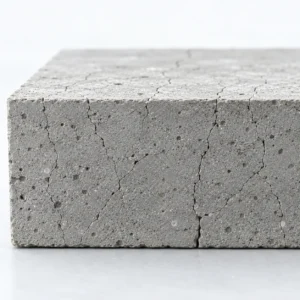
Shrinkage-Related Cracking
Shrinkage-induced stresses can initiate fine cracks in cementitious materials. Distributed PVA fibers help limit crack opening and support more controlled crack development.

POLYVIA™ PVA Fiber is a high-strength, high-modulus polyvinyl alcohol fiber designed for crack control, stress transfer and toughness enhancement in cementitious materials. It provides distributed reinforcement for concrete, mortar and specially engineered cementitious composites.




PVA Fiber (Polyvinyl Alcohol Fiber) is a high-strength, high-modulus synthetic fiber used to reinforce concrete, mortar and engineered cementitious composites (ECC).
Its hydrophilic surface promotes strong interaction with cement-based matrices, helping bridge developing cracks, transfer stress and improve crack control and toughness.
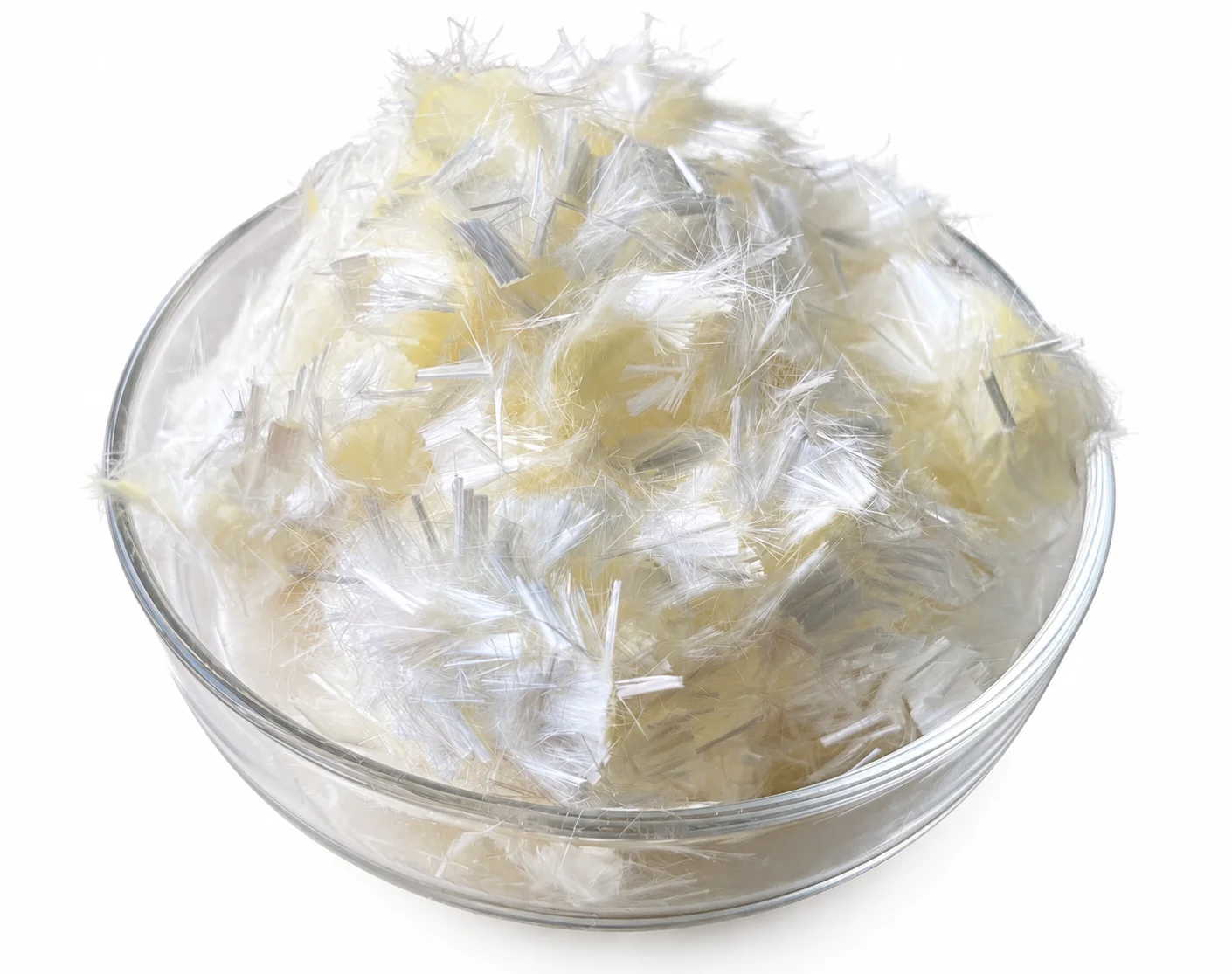
Concrete and cementitious composites can experience shrinkage-related cracking, localized tensile stresses and brittle failure. Properly selected PVA Fiber provides distributed reinforcement to help manage crack development and improve post-cracking response.
Shrinkage-induced stresses can initiate fine cracks in cementitious materials. Distributed PVA fibers help limit crack opening and support more controlled crack development.
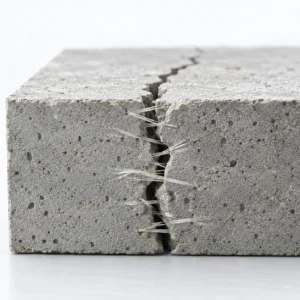
Tensile and flexural stresses can cause existing cracks to widen and extend. PVA Fiber helps redistribute localized stresses and restrict crack growth across reinforced regions.
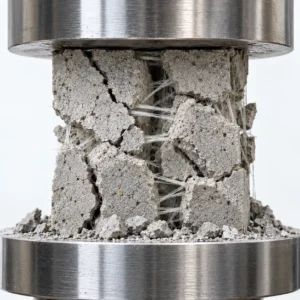
Unreinforced cementitious matrices may lose load-carrying capacity rapidly after cracking. Suitable PVA Fiber reinforcement can increase energy absorption and support a less brittle failure response.
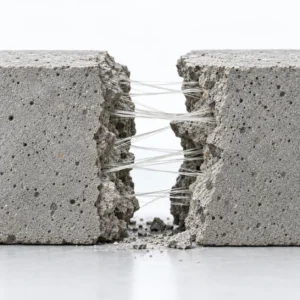
Once cracks form, cementitious components may experience reduced continuity and residual load capacity. Fibers crossing the crack plane can help maintain cohesion and contribute to post-cracking resistance.
PVA Fiber reinforces cementitious matrices through fiber dispersion, interfacial interaction and crack bridging. Its effectiveness depends on fiber properties, matrix composition and the balance between fiber bonding, pullout and rupture.
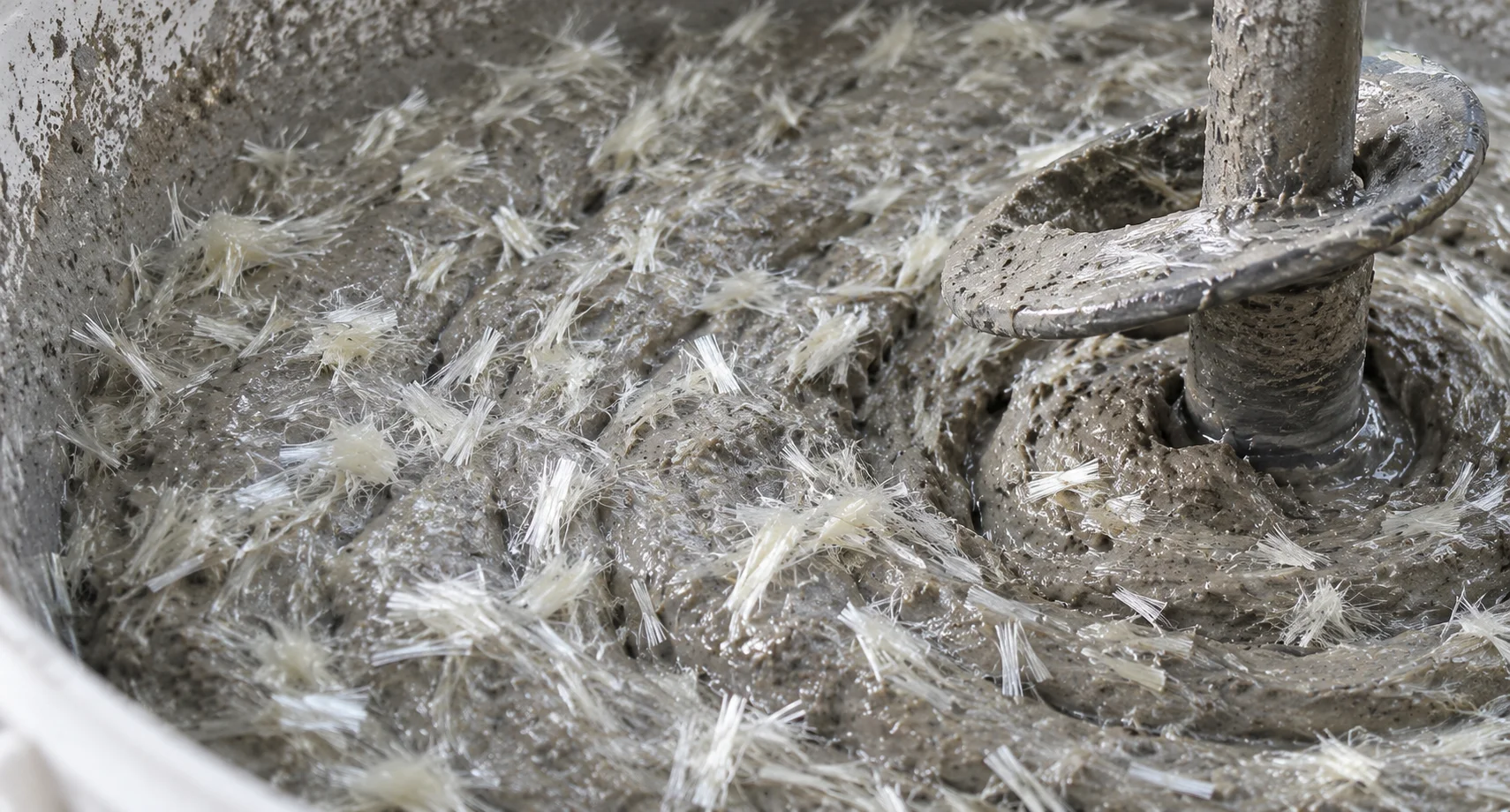
Properly dispersed PVA fibers form a multidirectional reinforcement network within the cementitious matrix, providing fiber coverage across potential crack paths. Uniform distribution creates multidirectional reinforcement across the system.
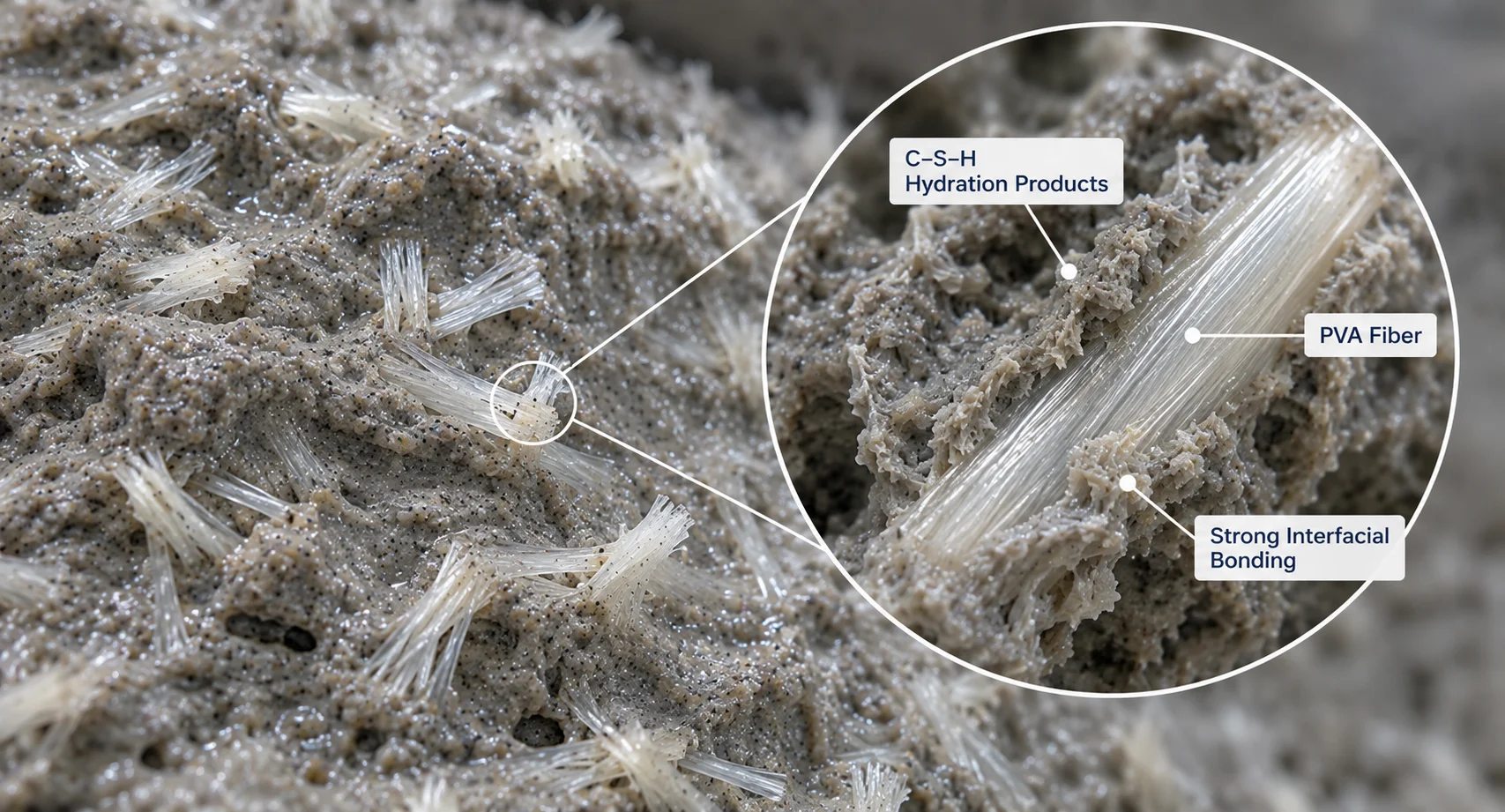
The hydrophilic PVA surface promotes interaction with the cementitious matrix. Controlled interfacial bonding enables stress transfer while influencing fiber pullout and rupture behavior.
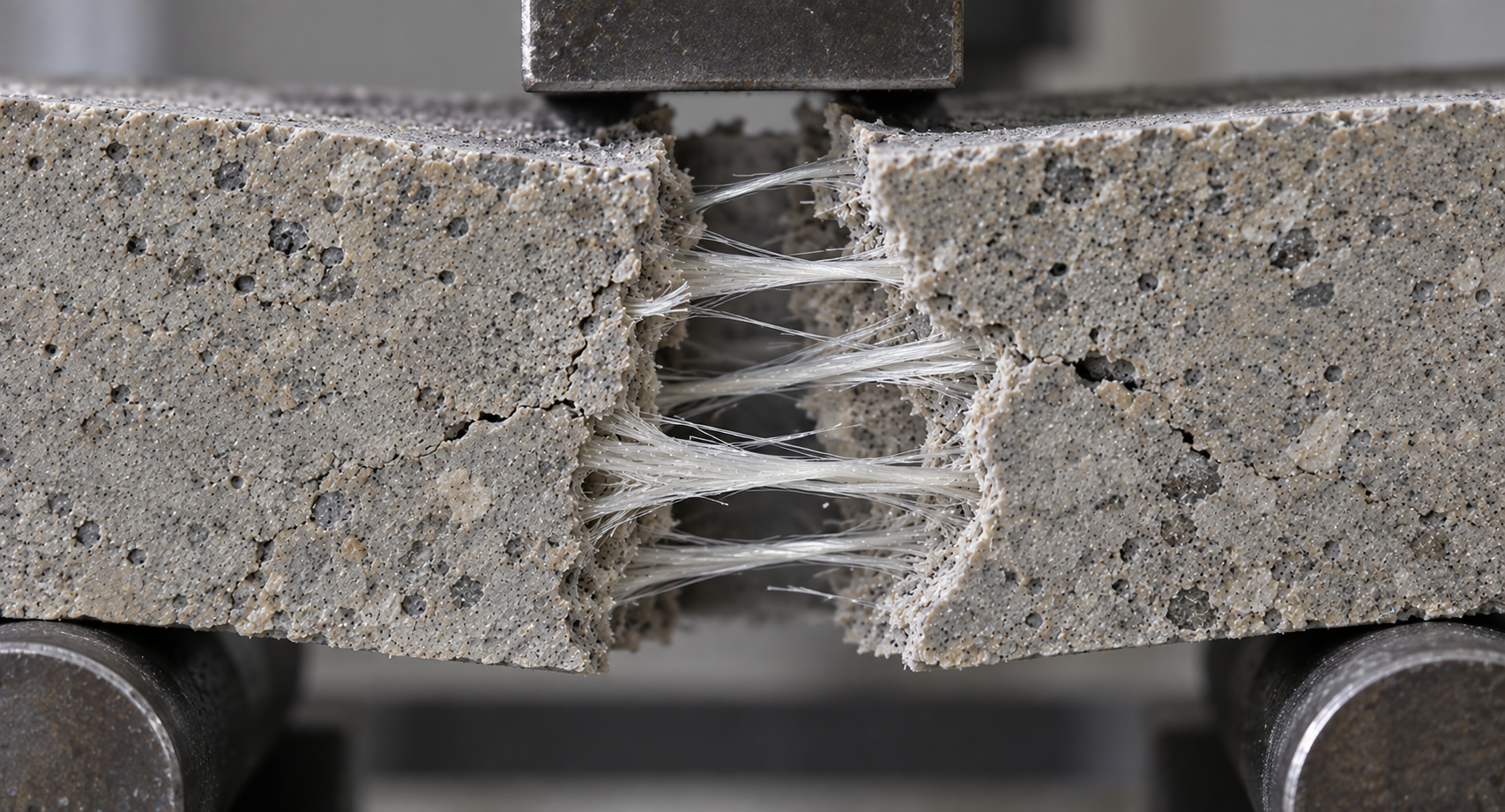
Fibers intersecting a developing crack transfer tensile forces across the crack plane, helping limit crack opening and redistribute localized stresses.
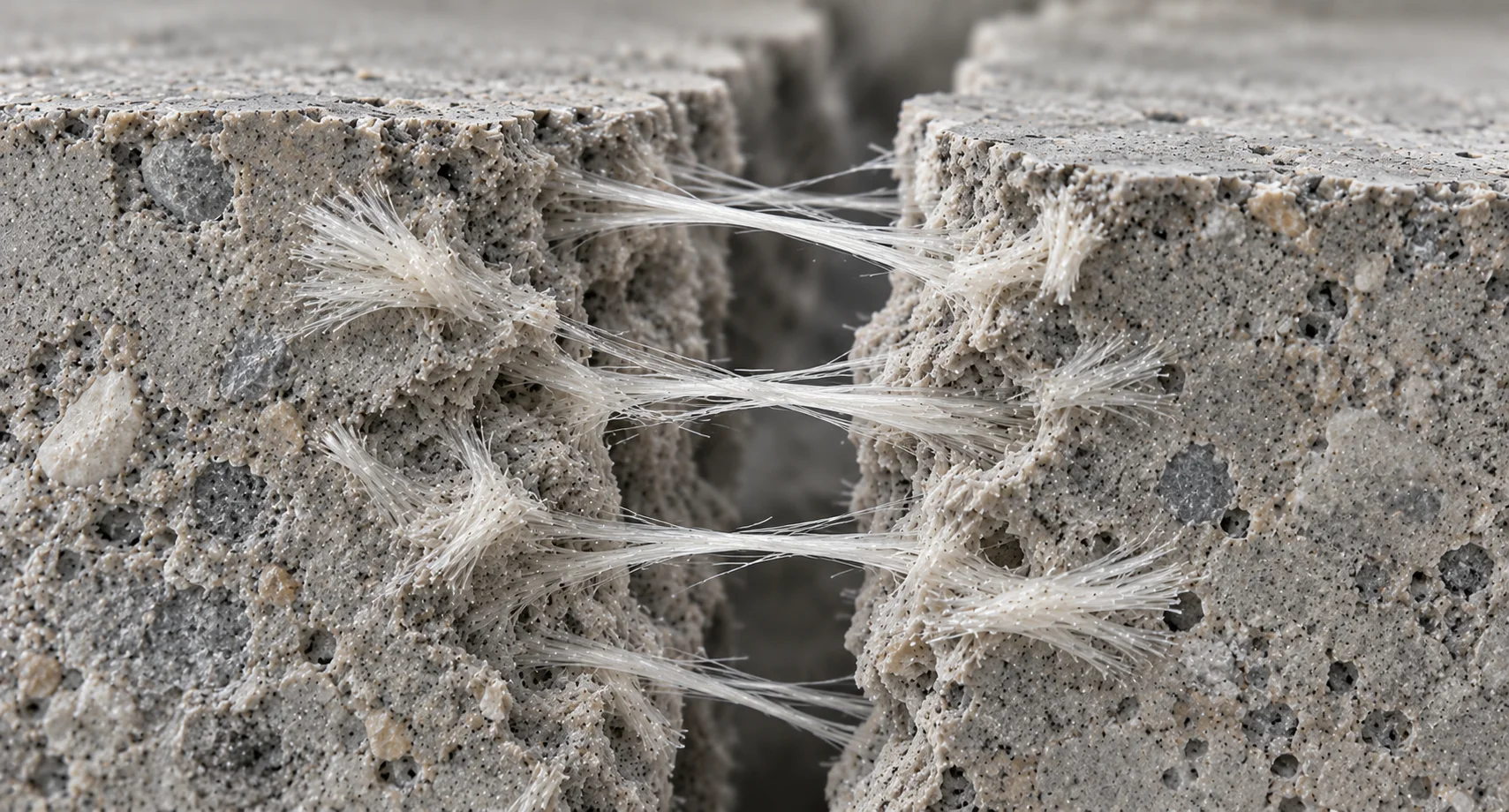
After matrix cracking, engaged fibers can continue carrying tensile forces across crack surfaces, contributing to residual resistance and energy absorption.
| Property | Specification |
|---|---|
| Material | Polyvinyl Alcohol (PVA) |
| Appearance | White Synthetic Fiber |
| Fiber Length | 6–40 mm |
| Fiber Diameter | 12–18 μm |
| Density | 1.20–1.30 g/cm³ |
| Tensile Strength | ≥ 800 MPa |
| Initial Modulus | ≥ 14 GPa |
| Elongation at Break | ≤ 12% |
| Alkali Resistance | ≥ 95% |
| Moisture Content | ≤ 2.0% |
| Melting Point | 215–220°C |
POLYVIA™ PVA Fiber is used in concrete, mortar and engineered cementitious composites where fiber reinforcement is required. Fiber grade, dosage and matrix compatibility should be selected according to the application and target performance.
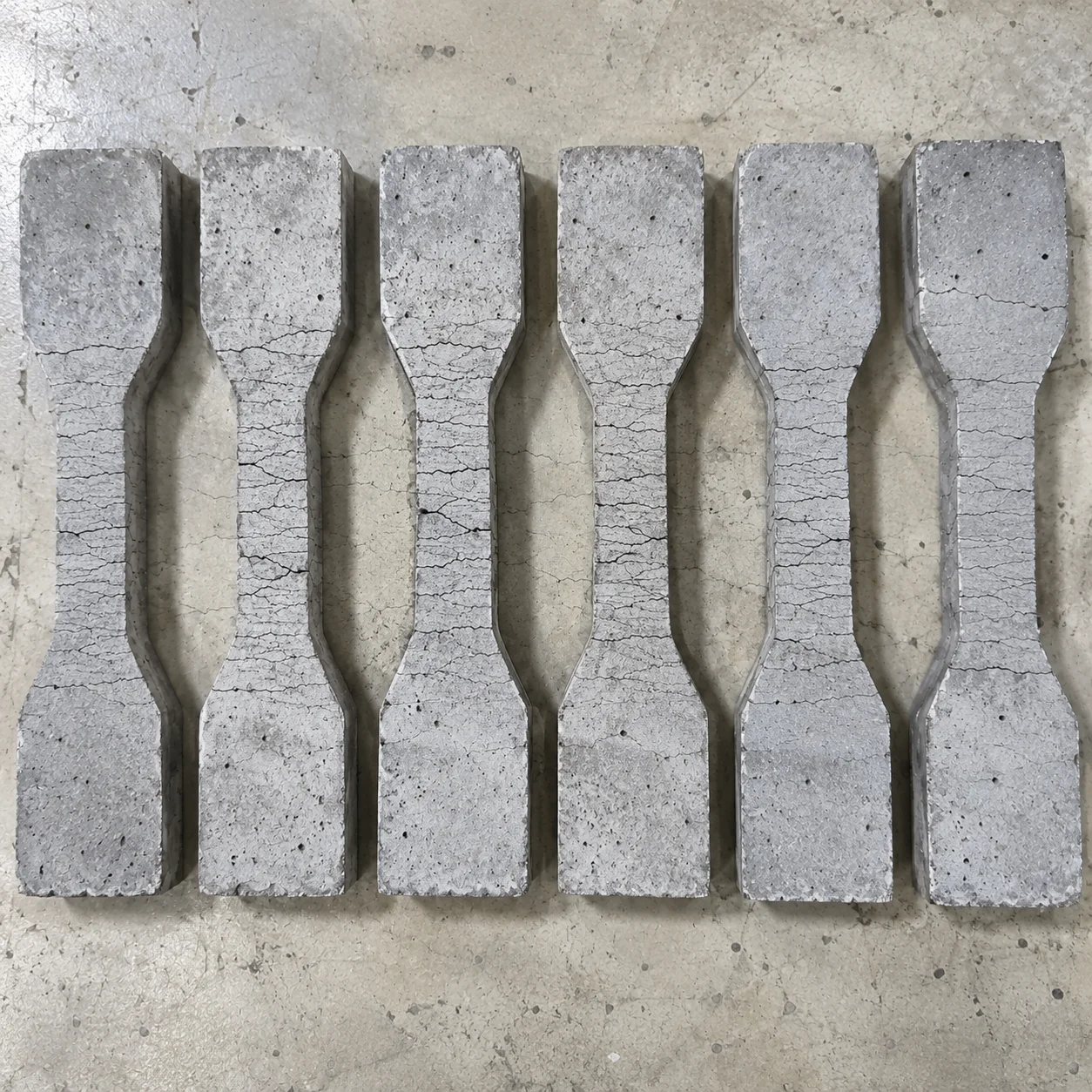
PVA Fiber can be used in Engineered Cementitious Composites (ECC) and Strain-Hardening Cementitious Composites (SHCC), where controlled fiber–matrix interaction supports multiple cracking and tensile strain-hardening behavior.
PVA Fiber can be evaluated in specially designed UHPC mixtures requiring non-metallic reinforcement, crack control and toughness. Fiber selection should account for matrix density, dispersion and target mechanical performance.
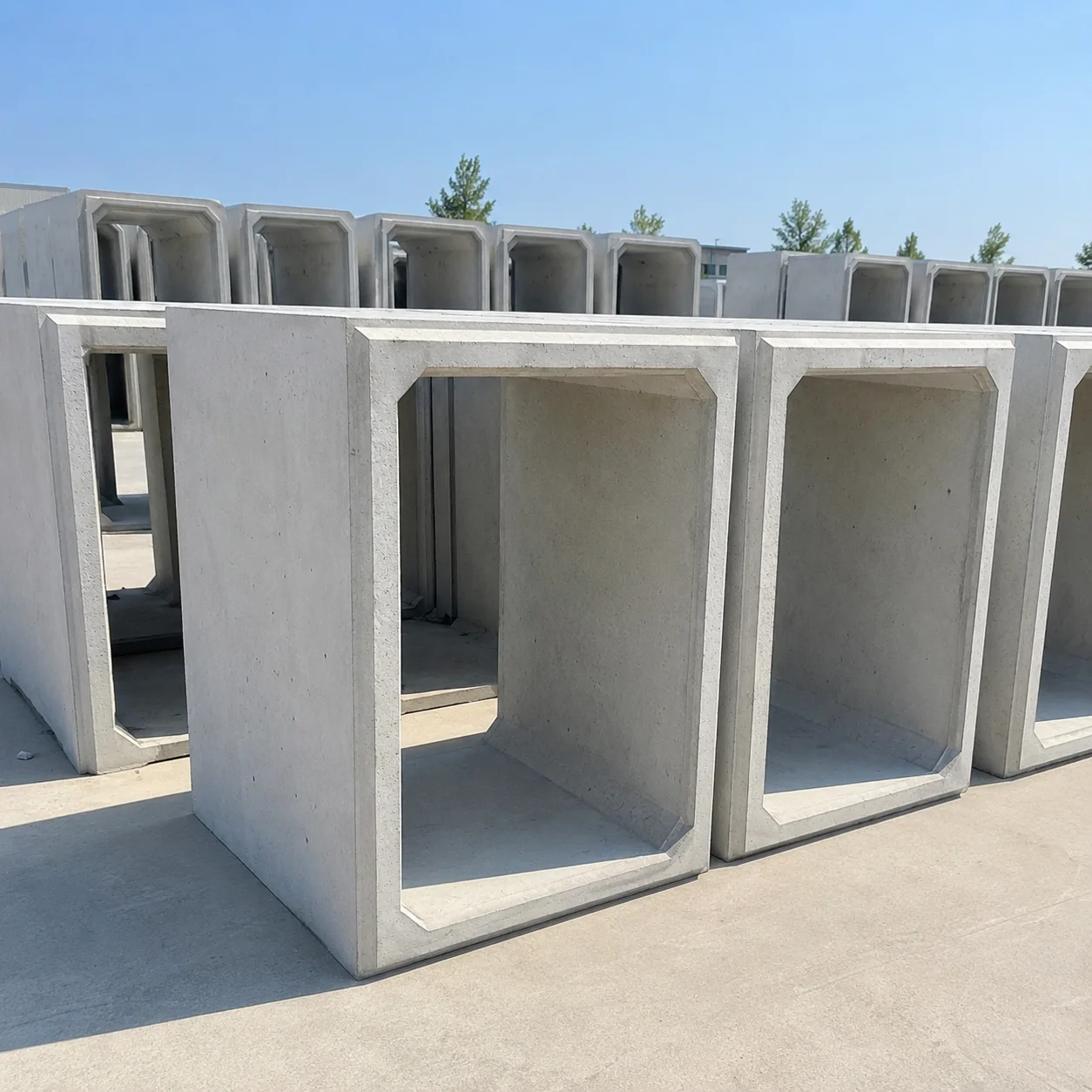
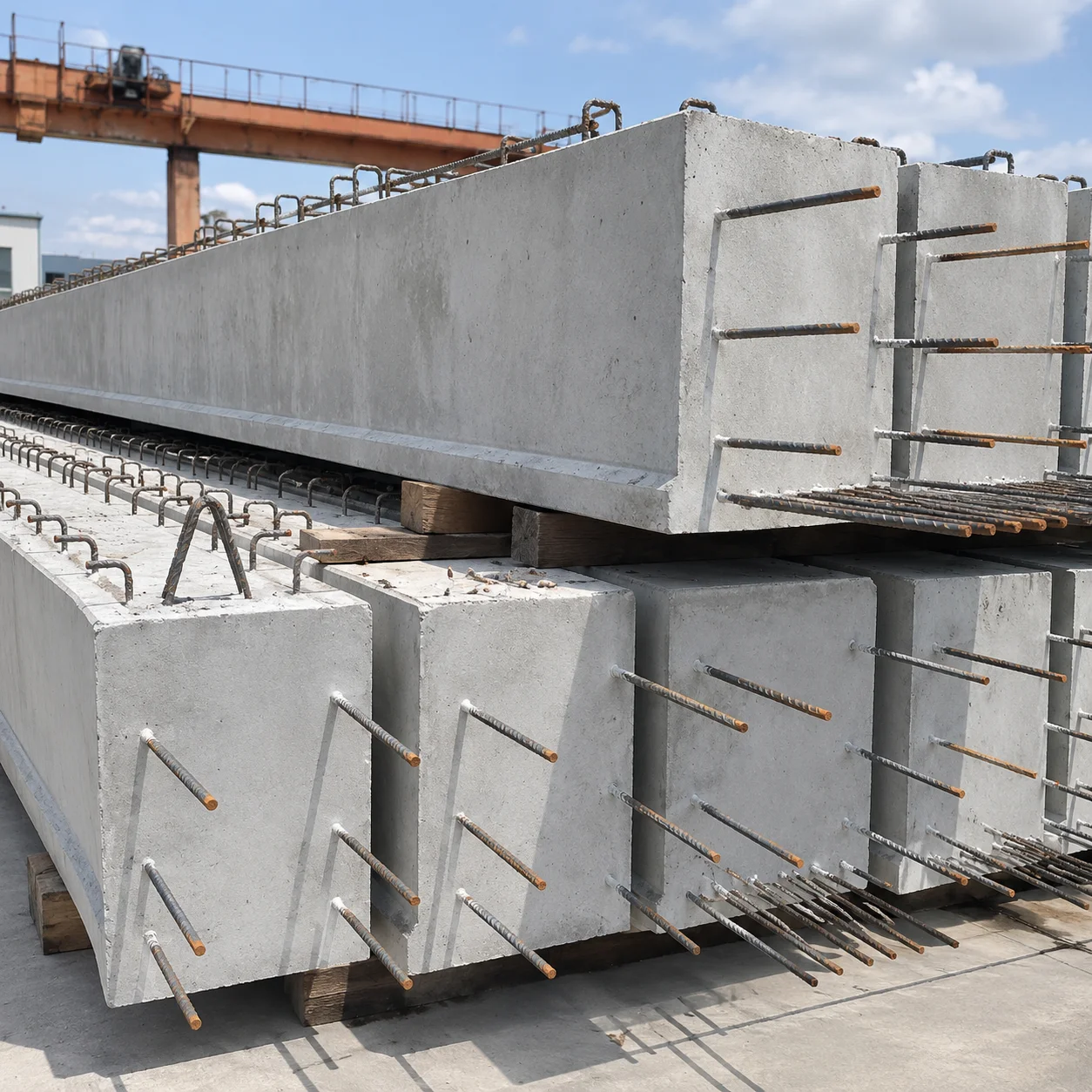
PVA Fiber can reinforce precast concrete elements by helping manage shrinkage-related cracking and localized tensile stresses. Fiber geometry and dosage should be matched to component design and production conditions.
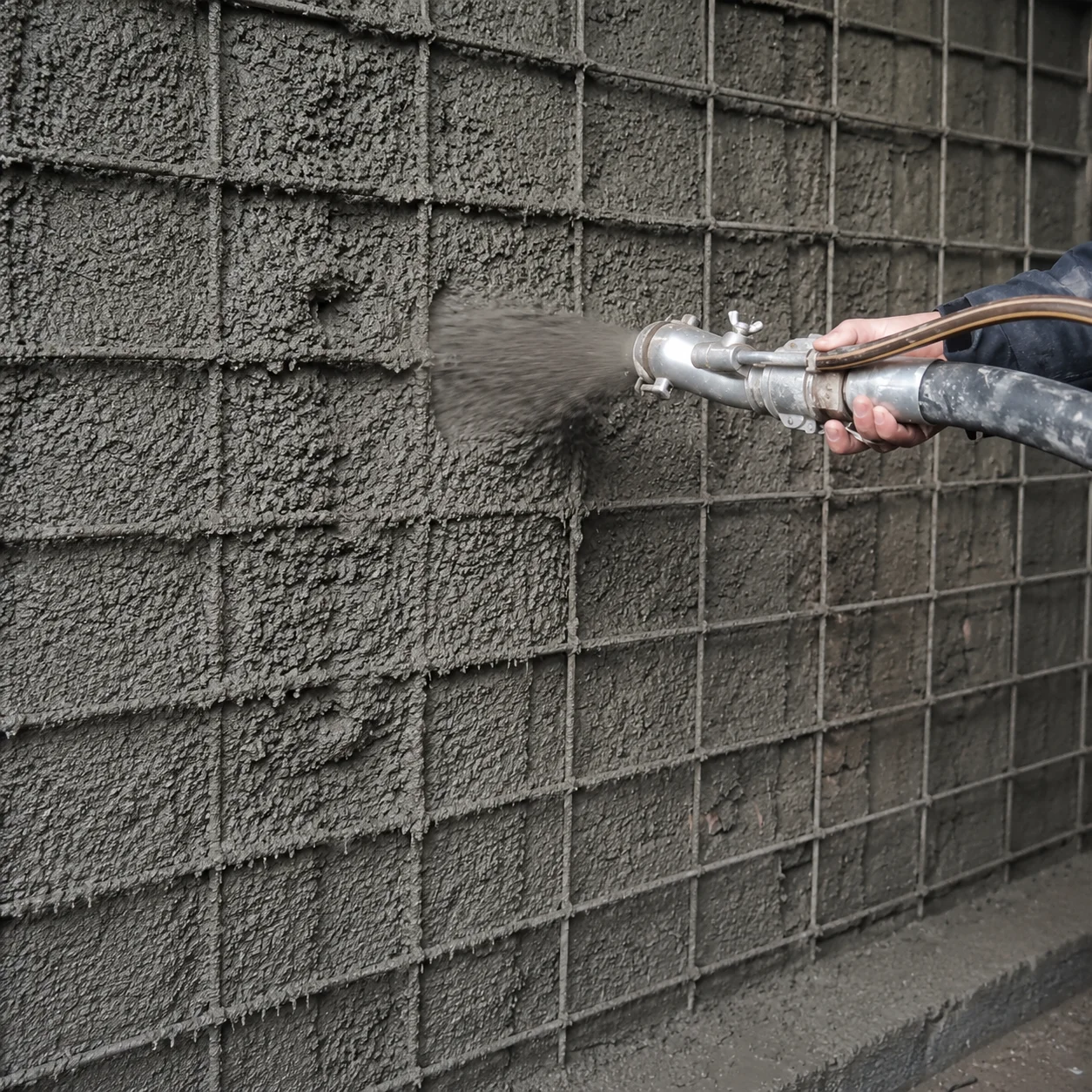
In compatible sprayed concrete systems, PVA Fiber can provide distributed reinforcement to support crack control and post-cracking behavior. Fiber selection should consider pumpability, spraying conditions and rebound.
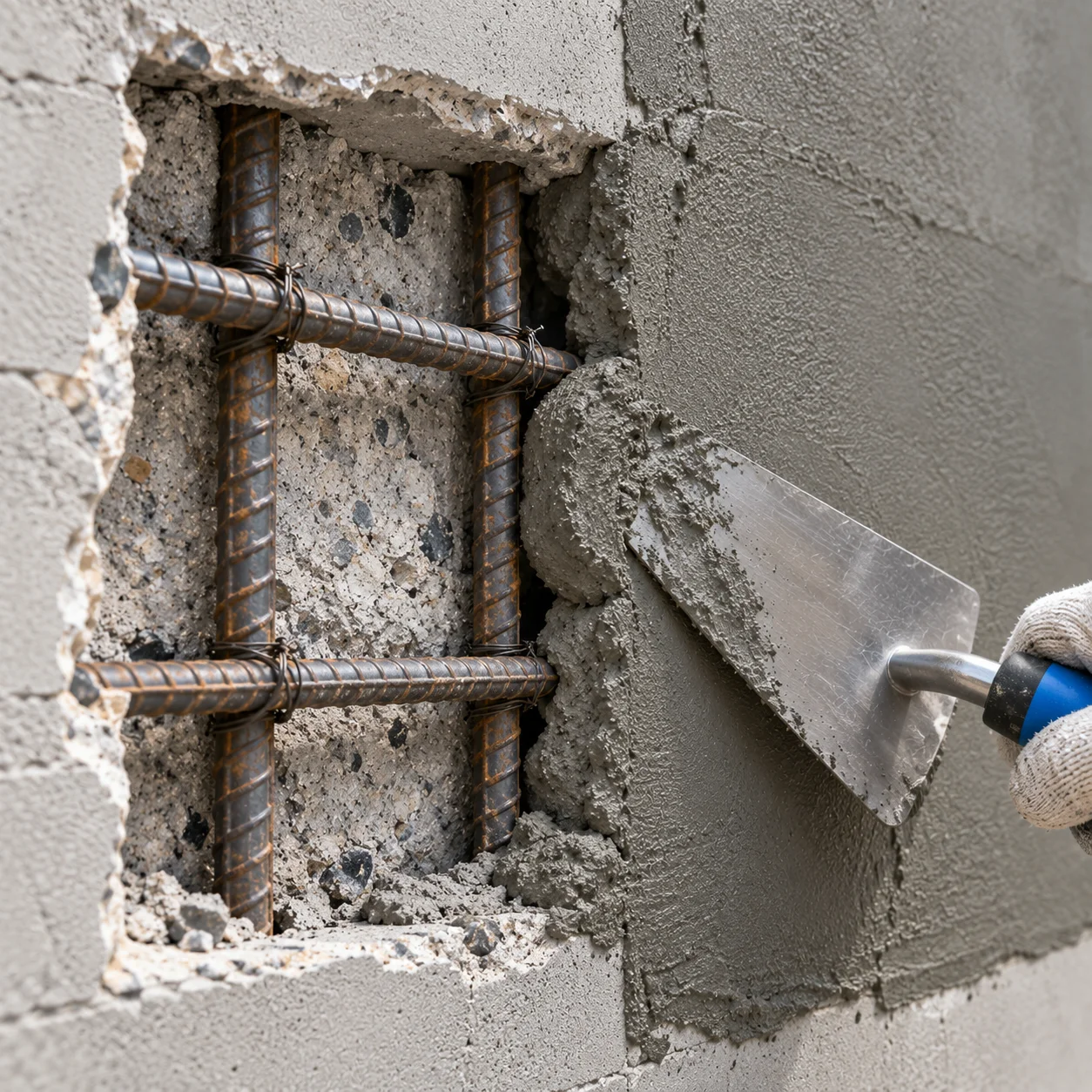
PVA Fiber can reinforce cement-based repair mortars by helping control crack development and supporting cohesion in thin repair layers. Performance depends on mortar formulation, fiber dispersion and application thickness.
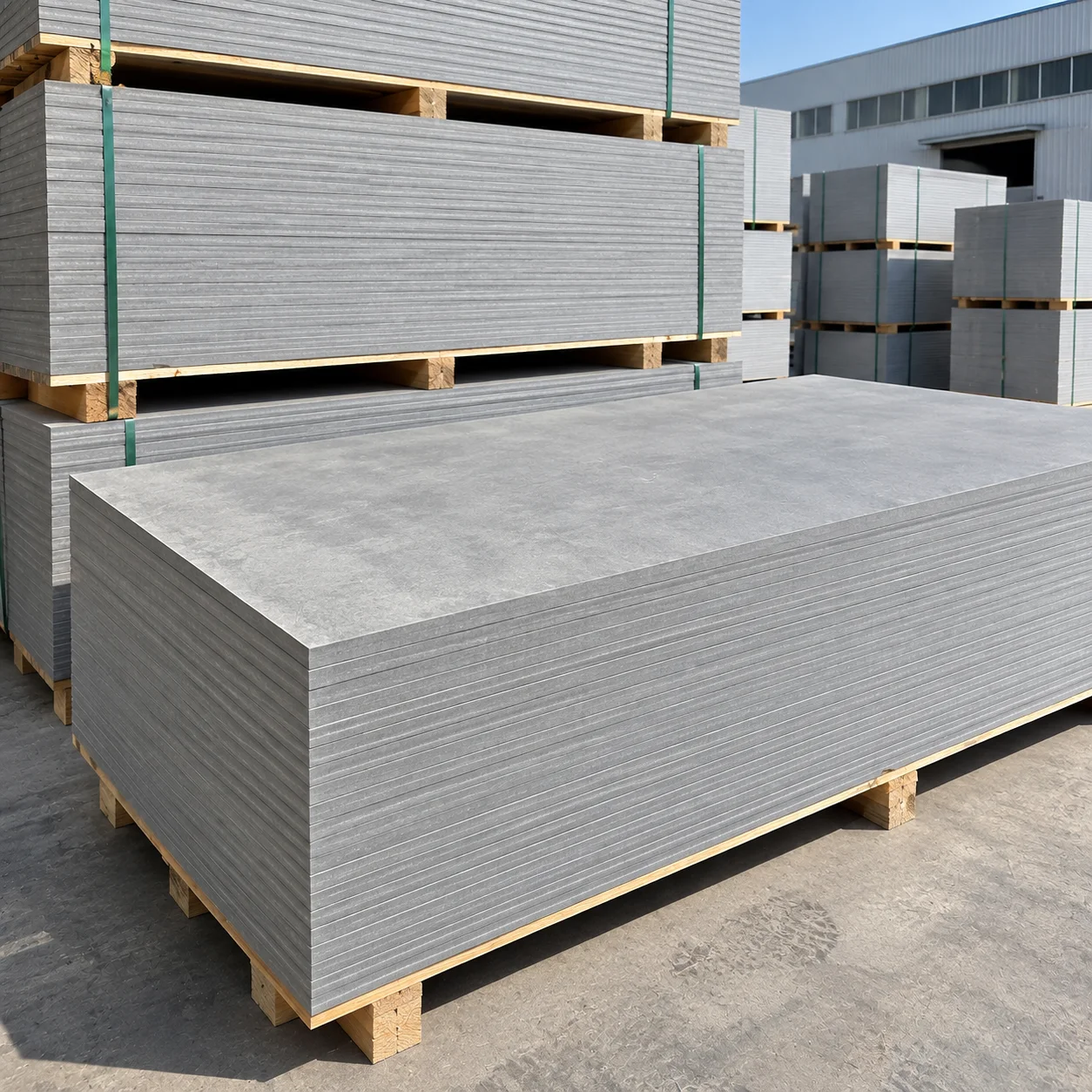
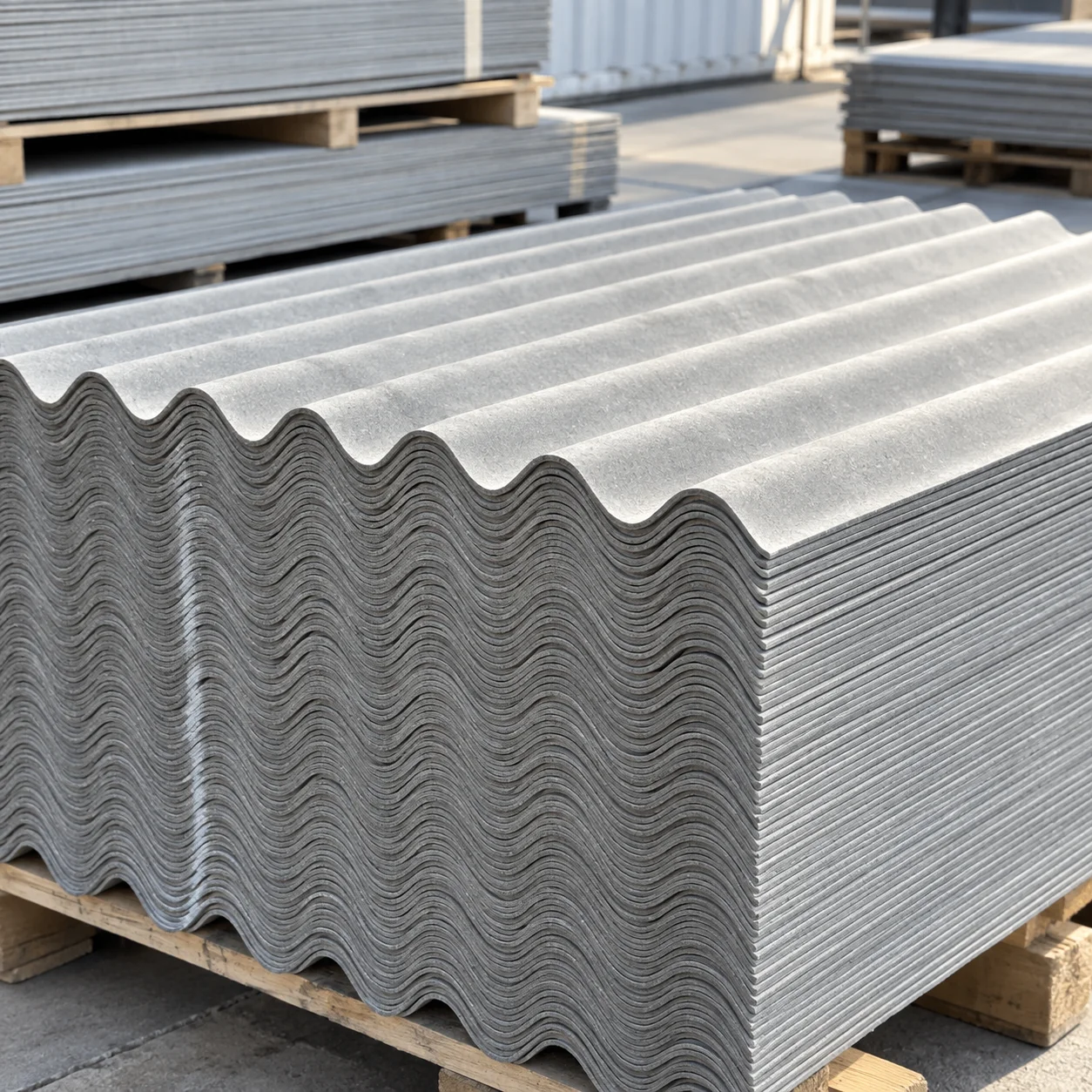
PVA Fiber provides distributed reinforcement in compatible cementitious boards and thin panels, supporting crack control and flexural toughness. Fiber selection should account for panel thickness, processing and required mechanical performance.
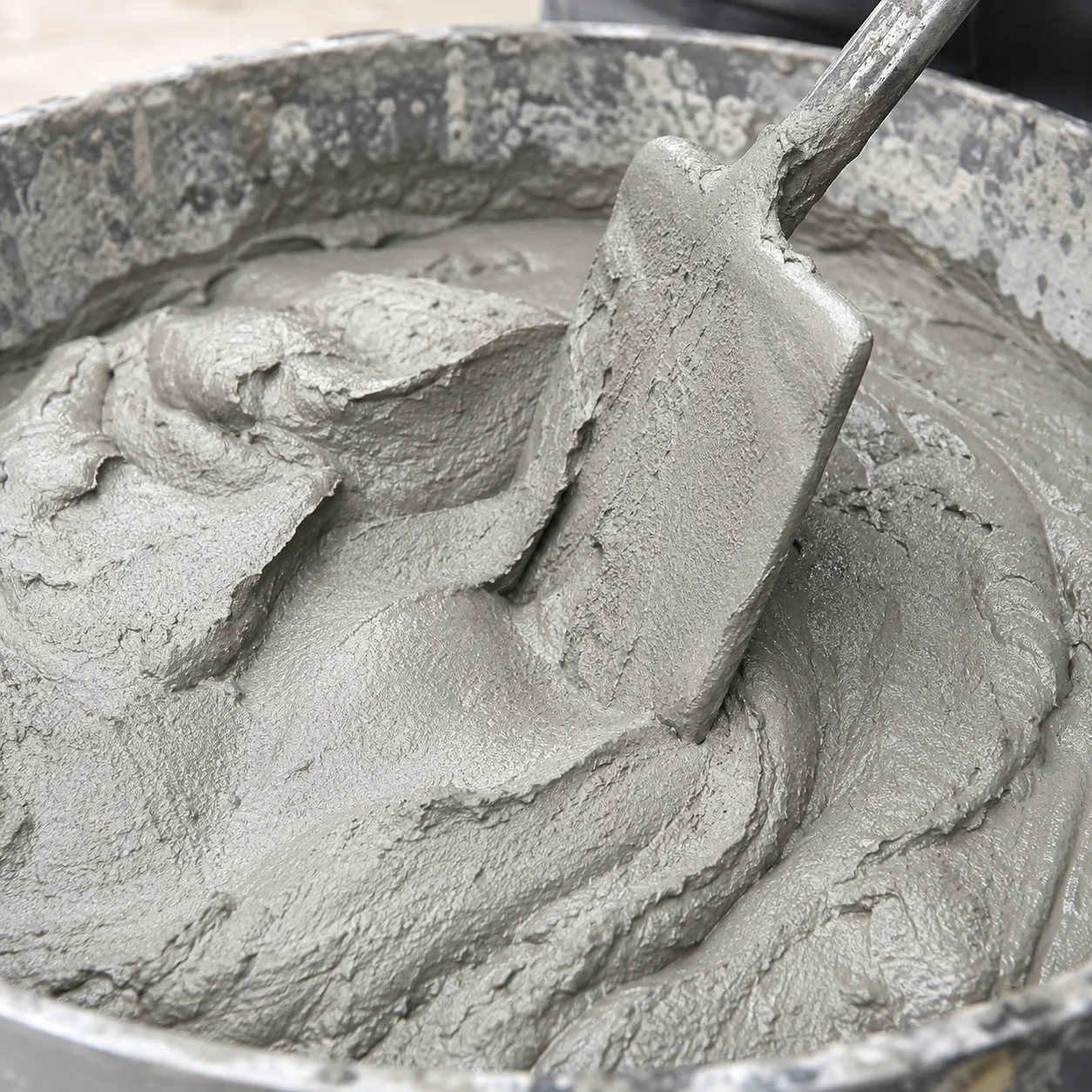
PVA Fiber can be incorporated into selected dry-mix mortar formulations requiring crack control and distributed reinforcement. Fiber length, dosage and mixing compatibility should be optimized for the intended mortar system.
PVA Fiber can be evaluated in cementitious overlay systems to help manage crack development and support composite toughness. Fiber selection should consider overlay thickness, substrate restraint and service conditions.
When properly selected and dispersed, PVA Fiber can improve the cracking response and mechanical performance of cementitious composites. The extent of improvement depends on fiber grade, dosage, interfacial properties and matrix design.
Distributed PVA fibers can help limit crack opening under shrinkage-related and mechanical stresses, supporting finer crack development in compatible cementitious systems.
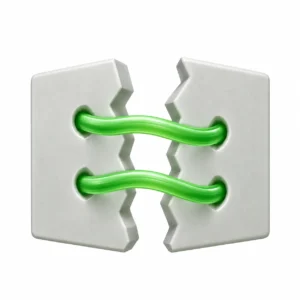
Fiber reinforcement can increase energy absorption after matrix cracking, supporting a less brittle response and improved toughness under suitable loading conditions.
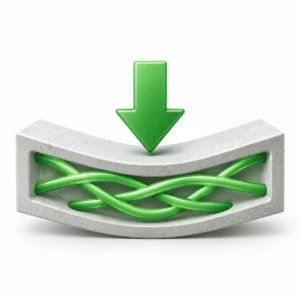
PVA Fiber can contribute to flexural toughness and post-cracking resistance by sustaining tensile stress across cracks, depending on fiber content and composite design.

As a non-metallic synthetic fiber, PVA Fiber does not undergo steel-type electrochemical corrosion, making it suitable for selected cementitious applications requiring non-corrosive reinforcement.
Formulation Note: In ECC, UHPC and other high-performance cementitious systems, PCE Superplasticizer can support particle dispersion, workability and effective fiber distribution. PVA Fiber grade, dosage and PCE selection should be evaluated within the complete mix design.
Effective PVA Fiber reinforcement requires more than selecting a fiber with high tensile strength. Fiber geometry, dosage, matrix composition and mixing conditions must be considered together to achieve the required dispersion, workability and mechanical response.
Select PVA Fiber according to fiber length, diameter, tensile properties and surface characteristics. Shorter fibers may suit fine-grained matrices, while longer fibers require careful evaluation of dispersion, workability and reinforcement objectives.
Determine fiber dosage according to the target performance, binder composition, aggregate grading and water-to-binder ratio. Excessive fiber content can reduce workability and increase the risk of fiber clustering if the mixture is not properly designed.
Evaluate the combined effects of fiber content, matrix rheology and chemical admixtures. A compatible polycarboxylate superplasticizer (PCE) may help maintain workability in suitable cementitious systems, but admixture selection and dosage require mixture trials.
Use a mixing sequence that promotes uniform fiber distribution without excessive clumping. Verify fresh-mixture behavior and the relevant hardened properties through application-specific trials before finalizing the formulation.
Formulation Note: Optimum PVA Fiber performance comes from balancing fiber reinforcement, matrix rheology and fiber–matrix interaction rather than maximizing any single parameter.
Different cementitious systems require different reinforcement strategies. Explore POLYVIA™ fiber technologies according to the required crack control, toughness and reinforcement performance.
Synthetic Microfiber for Crack Control
Fine synthetic microfiber designed for distributed reinforcement and crack control in concrete and cementitious materials.
Macro Synthetic Fiber for Concrete Reinforcement
Engineered macro synthetic fiber for crack bridging, flexural toughness and post-crack performance in concrete.
Synthetic Microfiber for Concrete
Polypropylene microfiber commonly used in compatible concrete and mortar systems to help control early-age plastic shrinkage cracking.
High-Tensile Micro Steel Fiber for UHPC & RPC
Fine high-tensile steel fiber designed for crack bridging, toughness and distributed reinforcement in UHPC, RPC and high-performance concrete.
Access technical information to support PVA Fiber evaluation, material selection and formulation development. Grade-specific specifications, quality documents and application guidance are available according to product and project requirements.

Grade-specific physical and mechanical properties.
Download ↓
Product handling, storage and safety information.
Download ↓
Typical quality-control parameters and batch specification references.
Request COA ↓
Practical guidance on dosage, fiber addition, dispersion and formulation evaluation.
Download ↓PVA Fiber is used as distributed reinforcement in cementitious materials to help control cracking, improve toughness and enhance post-cracking performance.
It is particularly suitable for ECC, high-performance mortar, precast products and other applications requiring strong fiber–matrix interaction.
PVA fibers are distributed throughout the cementitious matrix and intersect developing cracks.
When a crack begins to open, fibers bridge the crack and transfer stress across it, helping restrict crack opening and further propagation.
PVA and polypropylene fibers have different material properties and reinforcement mechanisms.
PVA Fiber generally offers higher modulus and stronger interaction with cementitious matrices, making it particularly suitable for crack bridging, toughness and engineered cementitious composites.
PP microfiber is commonly used primarily for plastic shrinkage and early-age microcrack control.
The appropriate choice depends on the required performance.
ECC requires carefully controlled interaction between the cementitious matrix and reinforcing fibers.
PVA Fiber combines high tensile strength, high modulus and strong affinity with cementitious materials, making it suitable for engineered crack-bridging behavior when used within a properly designed ECC matrix.
Recommended dosage depends on the application, fiber grade and target performance.
As a general reference, PVA Fiber may be used at approximately 0.6–1.0 kg/m³ in cement mortar or slurry and 0.6–1.9 kg/m³ in concrete for conventional reinforcement and crack-control applications.
Higher-performance systems such as ECC / SHCC typically require substantially different fiber contents and should be designed according to the specific matrix and performance target.
Final dosage should be verified through laboratory trials, considering workability, fiber dispersion, matrix rheology and mechanical performance.
Yes. Increasing fiber content can increase internal resistance and reduce flowability, particularly in fine, low-water or high-fiber-volume matrices.
Water demand, PCE dosage and matrix rheology should therefore be optimized together with the fiber dosage.
Yes. PVA Fiber is commonly used in cementitious formulations containing PCE Superplasticizer.
PCE can help maintain required flow and dispersion at low water-to-binder ratios, but the optimum PCE dosage depends on cement chemistry, SCMs, fiber loading and overall matrix design.
PVA Fiber has good resistance to highly alkaline cementitious environments and is widely used in cement-based reinforcement applications.
Actual long-term performance should still be evaluated according to the selected fiber grade, formulation and exposure conditions.
Selecting the right PVA Fiber requires matching fiber properties with your cementitious formulation and performance requirements. Share your application, target performance and mixing conditions with POLYVIA™ for grade selection and technical support.