Fiber Dispersion
Chopped AR Glass Fibers disperse throughout the fresh cementitious mixture, creating multidirectional reinforcement and increasing the likelihood that fibers intersect developing crack paths.
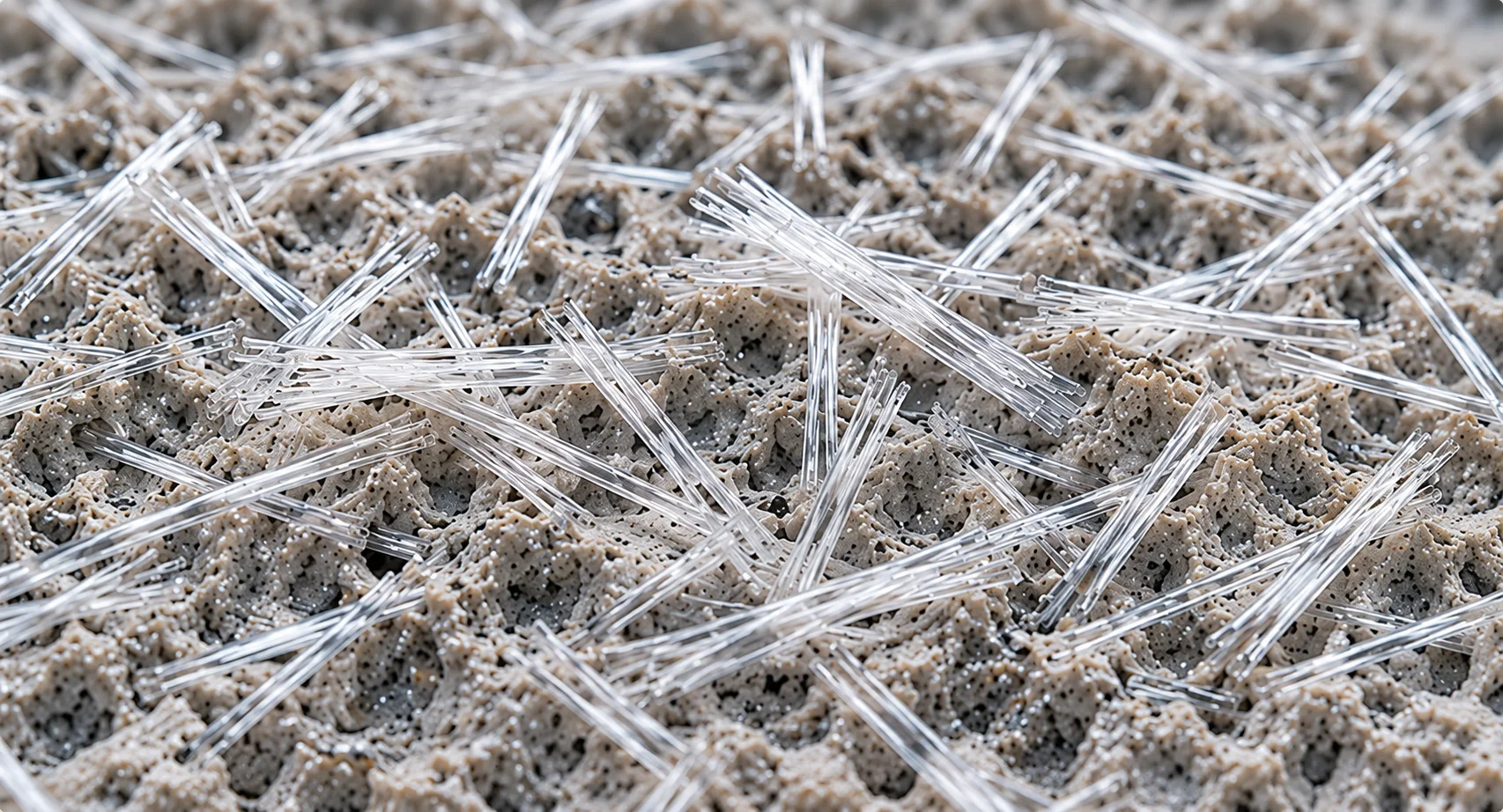

POLYVIA™ Alkali Resistant Glass Fiber is a zirconia-containing chopped glass fiber engineered for reinforcement in alkaline cementitious environments. With 16.7% ZrO₂, high tensile strength and controlled fiber lengths, it provides reliable reinforcement for GRC/GFRC, cement mortar, precast products and other fiber-reinforced cementitious materials.
16.7% ZrO₂ · 1000–1700 MPa Tensile Strength · 12 / 24 / 36 mm
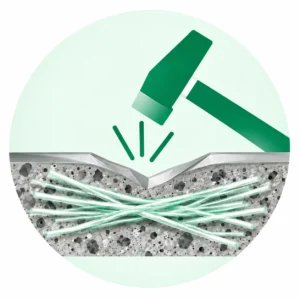
Alkali-Resistant Glass Fiber, commonly known as AR Glass Fiber, is a zirconia-containing glass fiber specifically developed for reinforcement in cementitious materials.
Unlike conventional glass fibers not designed for prolonged exposure to cement alkalinity, AR Glass Fiber combines alkali resistance with high tensile performance, allowing the fibers to function as distributed reinforcement within GRC/GFRC, mortar, precast and other cement-based matrices.
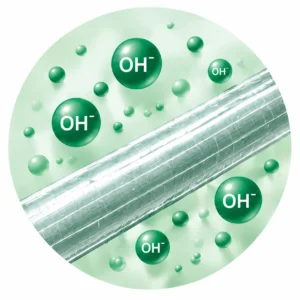
Cement hydration creates a highly alkaline environment. Glass fibers that are not specifically designed for this environment can be susceptible to alkaline attack, potentially reducing fiber integrity and reinforcement effectiveness.
AR Glass Fiber uses a zirconia-containing glass composition to provide improved resistance to alkaline exposure while retaining the mechanical properties required for cementitious reinforcement.
| Performance Factor | Conventional Glass Fiber | POLYVIA™ AR Glass Fiber |
|---|---|---|
| Designed for Cementitious Environments | Not specifically | Yes |
| Alkali Resistance | Depends on glass composition | High |
| ZrO₂ Content | Not specifically formulated for AR performance | 16.7% |
| Cement Environment | More susceptible to alkaline attack | Designed for alkaline exposure |
| Reinforcement Role | Application-dependent | Cementitious matrix reinforcement |
| Typical Applications | General composites | GRC / GFRC / Mortar / Cement Products |
Zirconia is a key component of alkali-resistant glass chemistry. It improves the fiber’s resistance to the alkaline conditions encountered in cementitious matrices, helping preserve fiber integrity and reinforcement function.
High-Zirconia Glass → Alkali Resistance → Fiber Integrity → Reliable Reinforcement
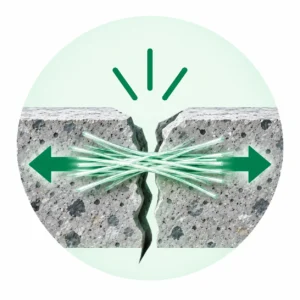
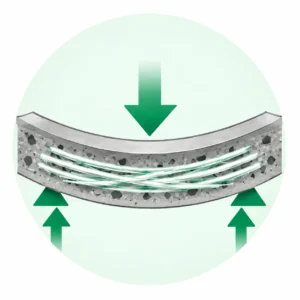
Chopped Alkali-Resistant (AR) Glass Fibers are dispersed throughout the cementitious matrix to provide multidirectional reinforcement. Their high tensile strength and modulus allow fibers to carry tensile stress after the cement matrix begins to crack, while fibers crossing the crack path help bridge and restrain crack opening.
Unlike conventional glass fibers, AR Glass Fiber contains a high level of zirconia (ZrO₂), which improves resistance to the highly alkaline environment of hydrated cement. This alkali resistance is essential for maintaining the integrity of the glass fibers during service in cement-based composites.
Chopped AR Glass Fibers disperse throughout the fresh cementitious mixture, creating multidirectional reinforcement and increasing the likelihood that fibers intersect developing crack paths.
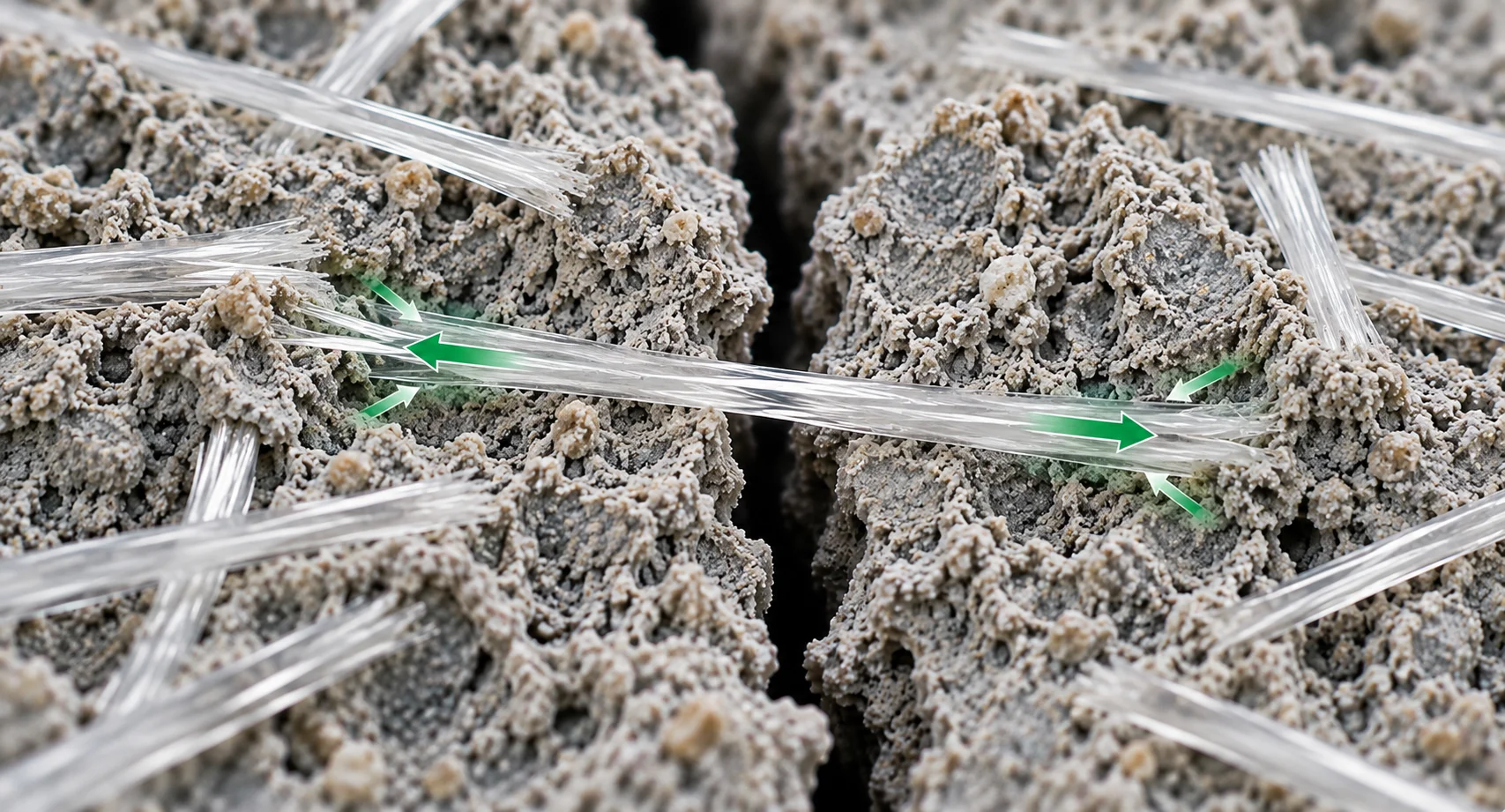
As the cementitious matrix hardens, bonding develops along the fiber–matrix interface, enabling tensile stress to transfer from the relatively brittle cement matrix to the higher-strength glass fibers.
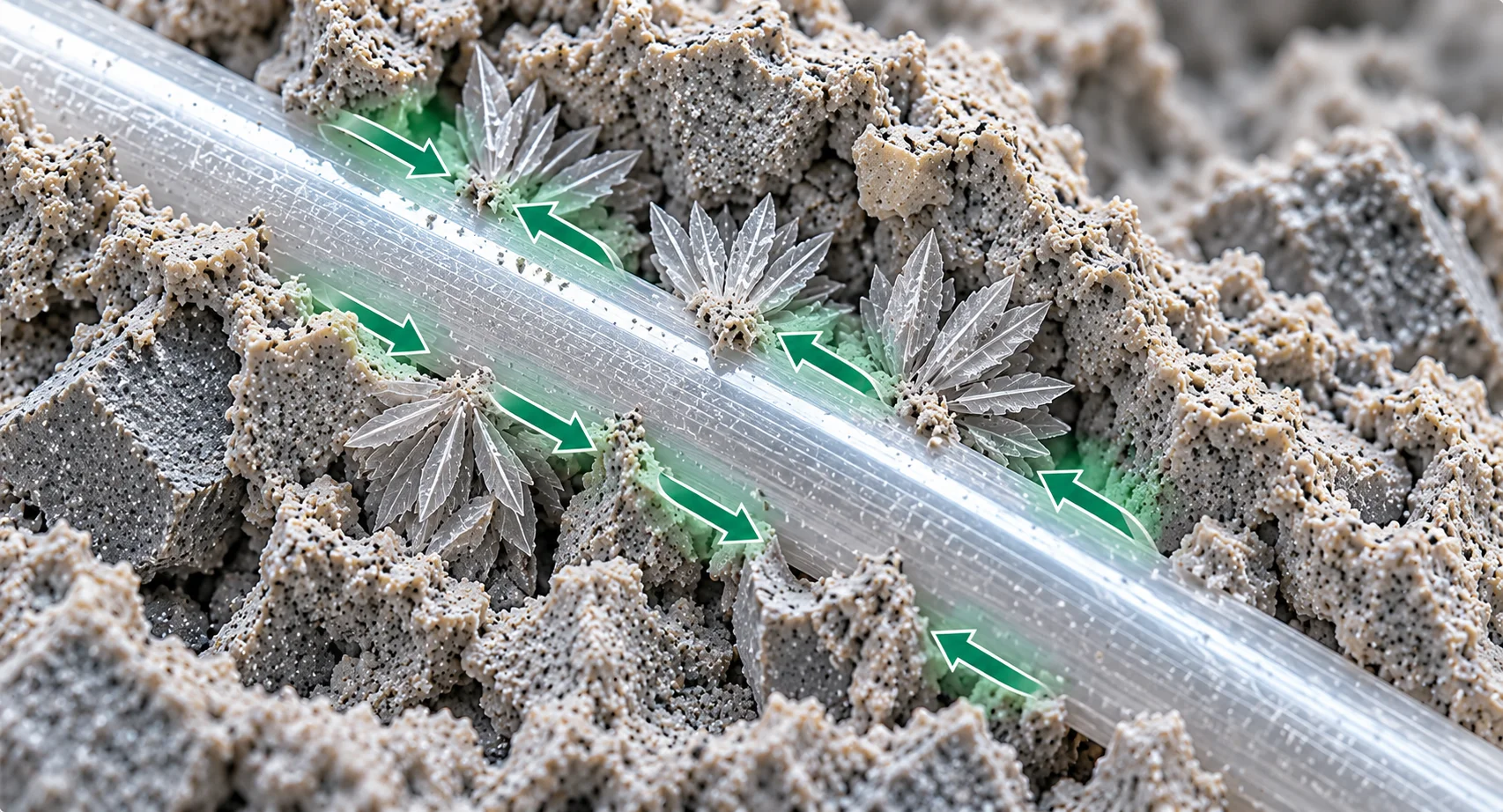
When the cement matrix begins to crack, fibers crossing the crack plane remain anchored within the surrounding matrix and carry tensile stress across the opening, helping restrain crack widening and propagation.
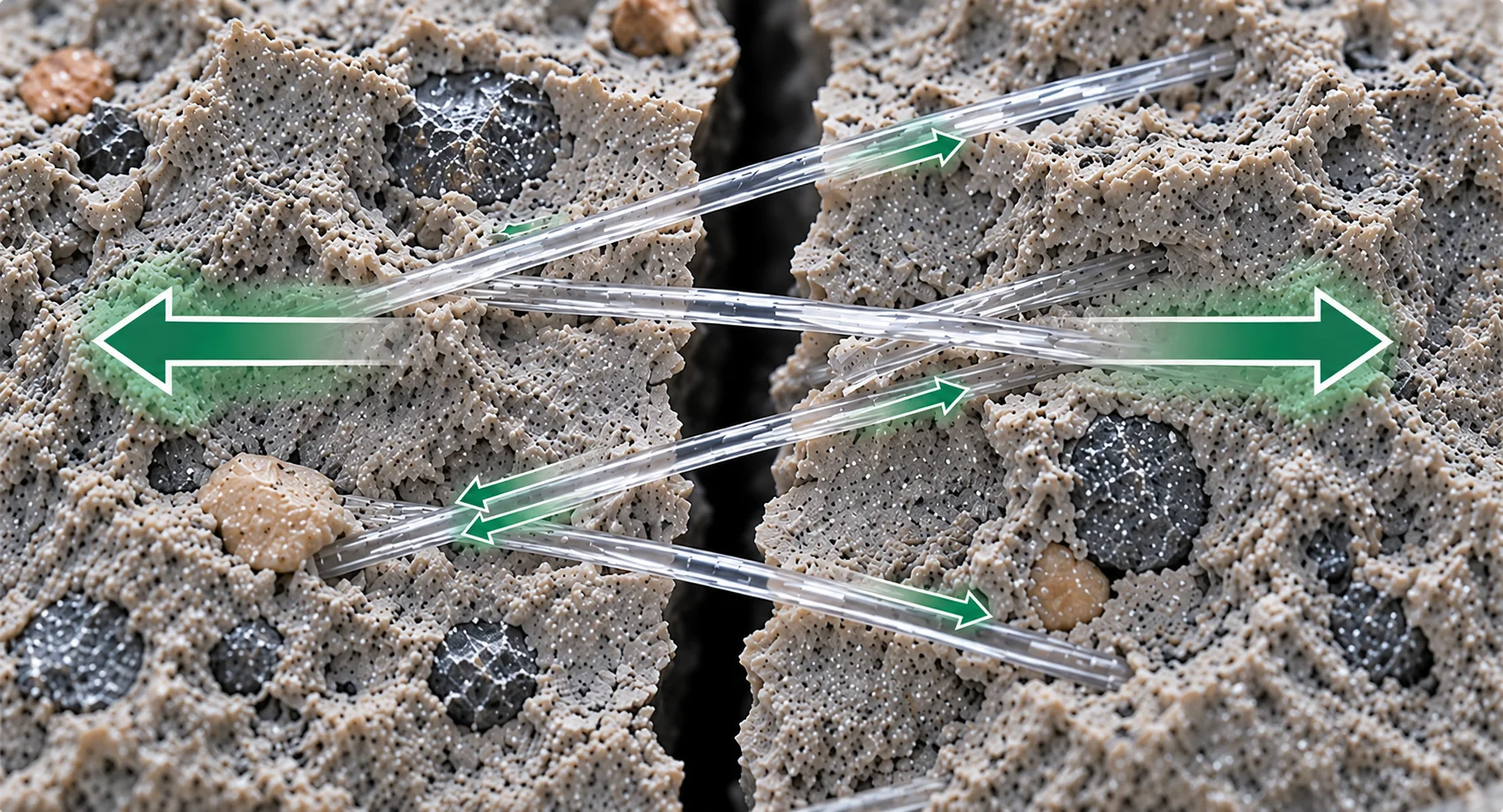
Fibers bridging the crack continue to transfer tensile stress across the cracked matrix, helping distribute localized stress and support the integrity of the fiber-reinforced cementitious composite.
| Property | Specification |
|---|---|
| Material | Alkali-Resistant Glass Fiber |
| Fiber Length | 12 / 24 / 36 mm |
| Filament Diameter | 19 μm ±20% |
| Tensile Strength | 1000–1700 MPa |
| Elastic Modulus | >72 GPa |
| Density | 2.68 g/cm³ |
| Softening Point | 860°C |
| ZrO₂ Content | 16.7% |
| Loss on Ignition (LOI) | 2.00 ±0.4% |
| Moisture Content | ≤0.5% |
| Electrical Conductivity | Extremely Low |
| Chemical Resistance | Very High |
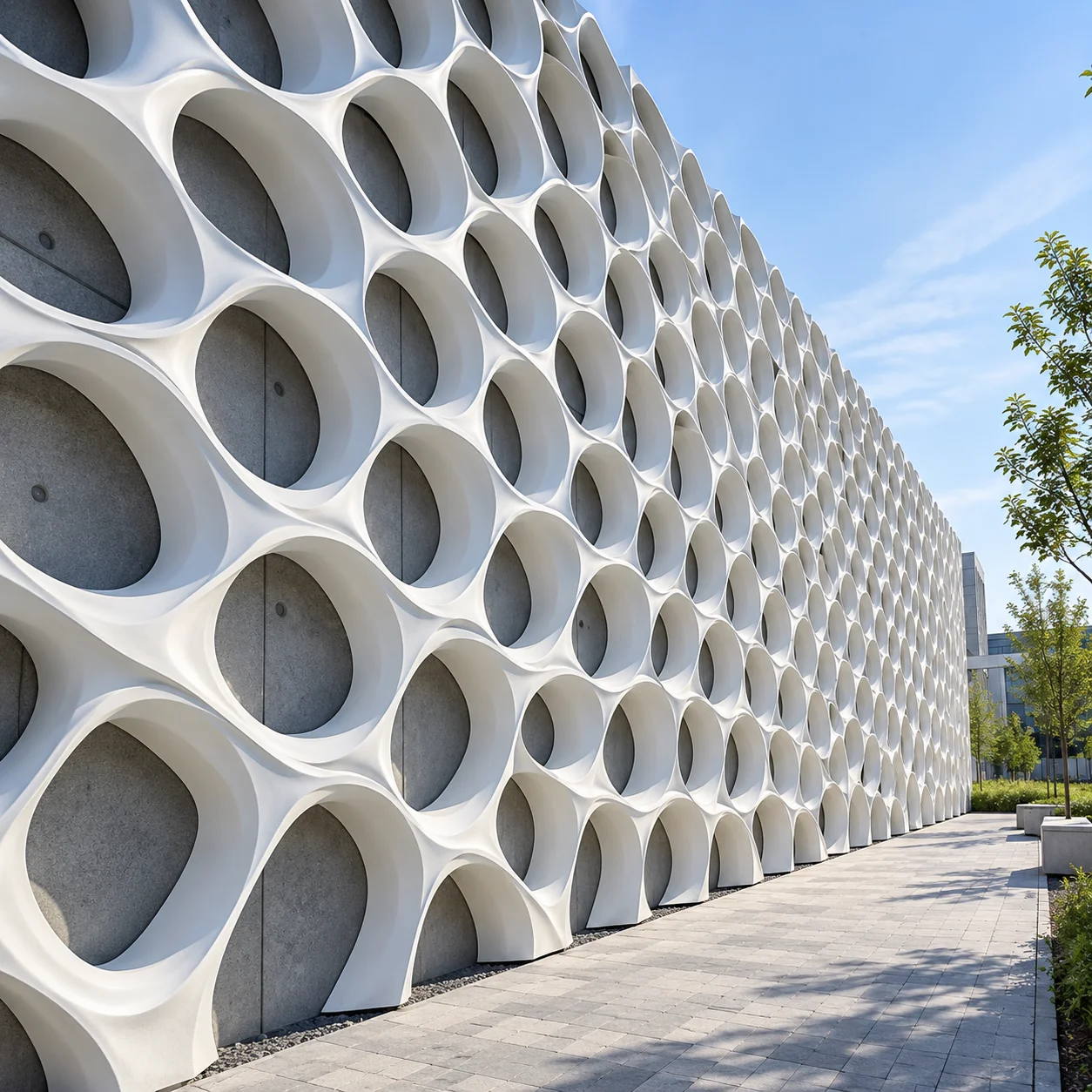
For façade panels, cladding and architectural elements where AR Glass Fiber provides distributed reinforcement within thin cementitious sections.

For cornices, moldings, profiles and complex architectural shapes requiring fiber reinforcement with reliable distribution throughout the matrix.
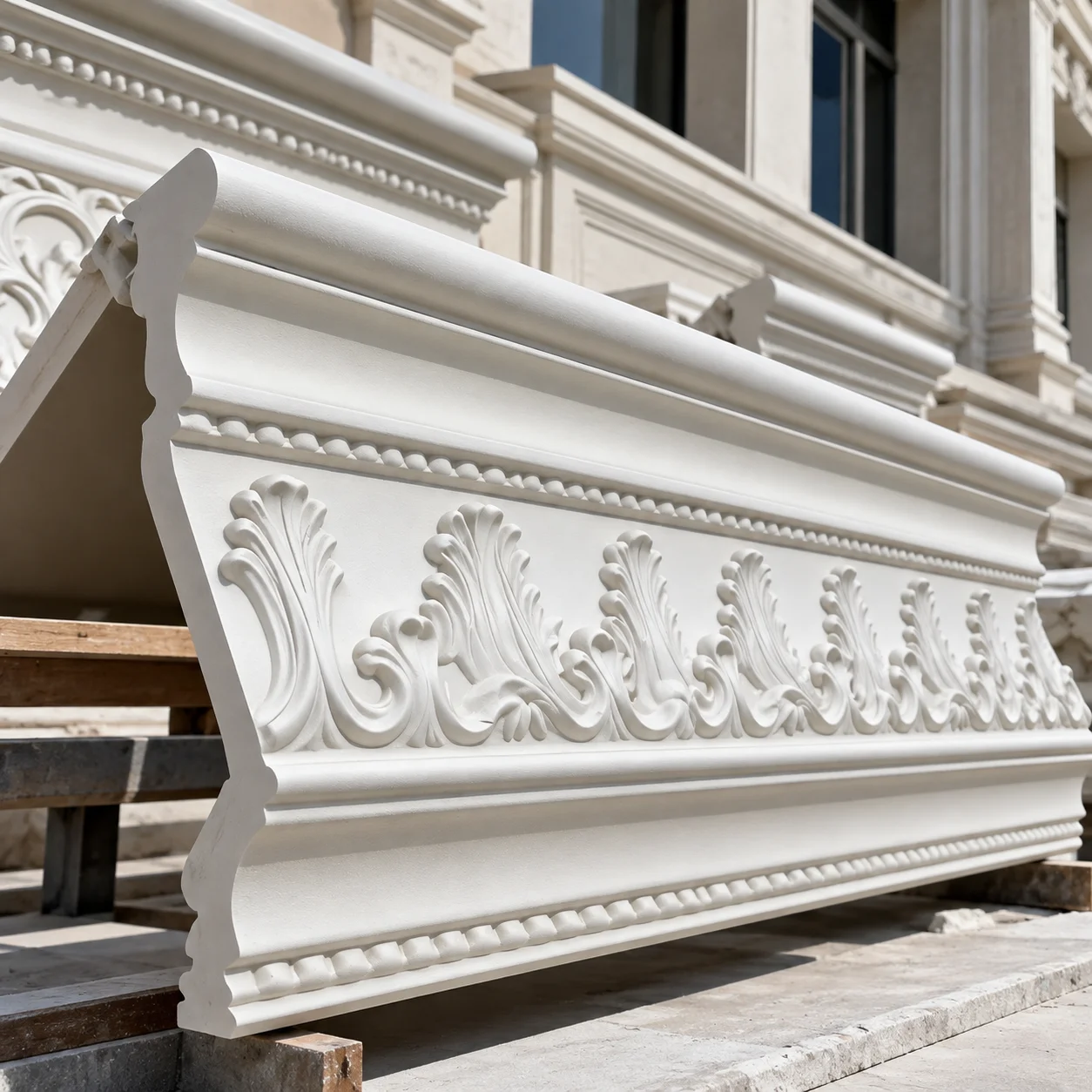
For molded cementitious components and custom shapes where fiber reinforcement supports thin sections, complex geometry and composite integrity.
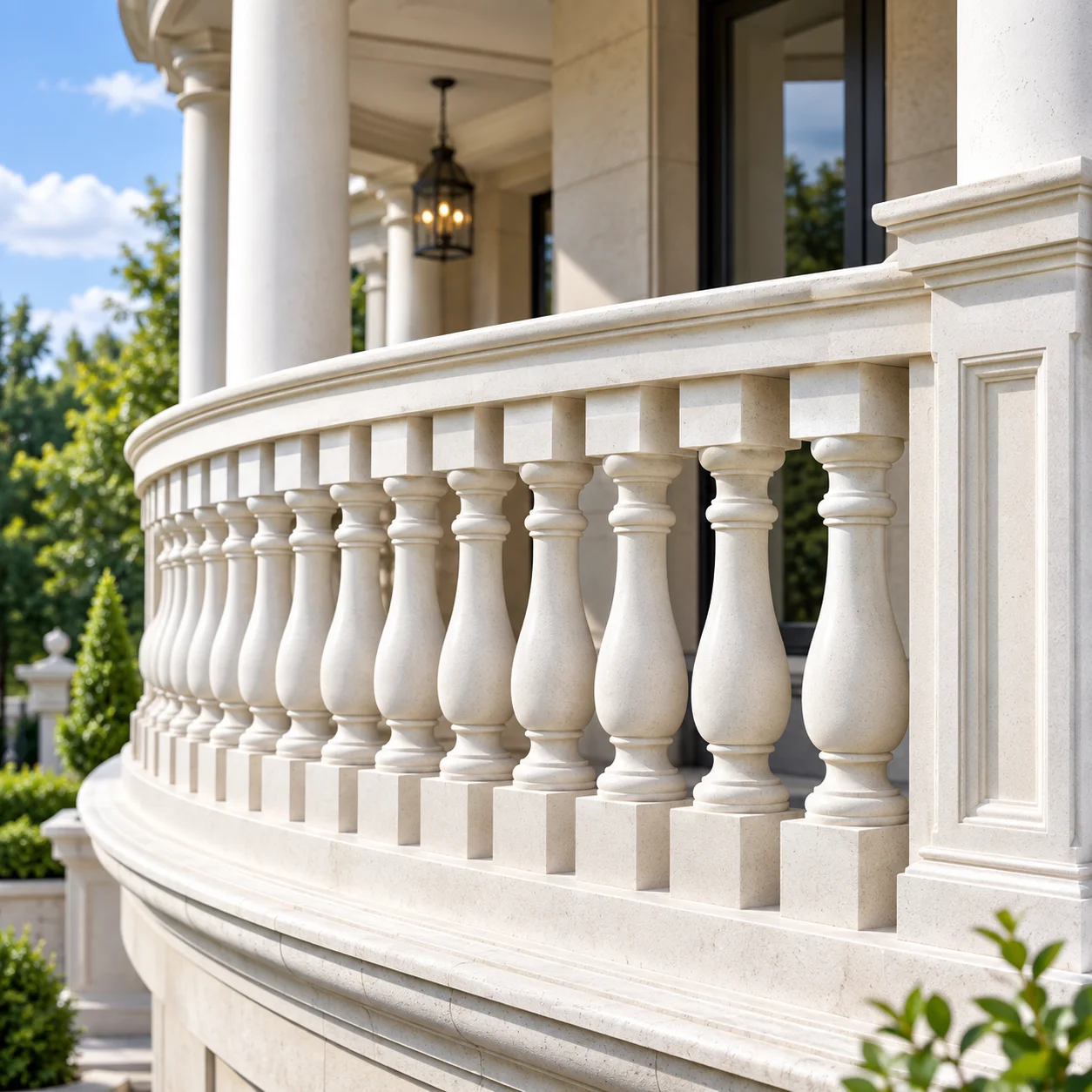
For selected factory-produced cement-based components requiring distributed reinforcement and controlled crack development.
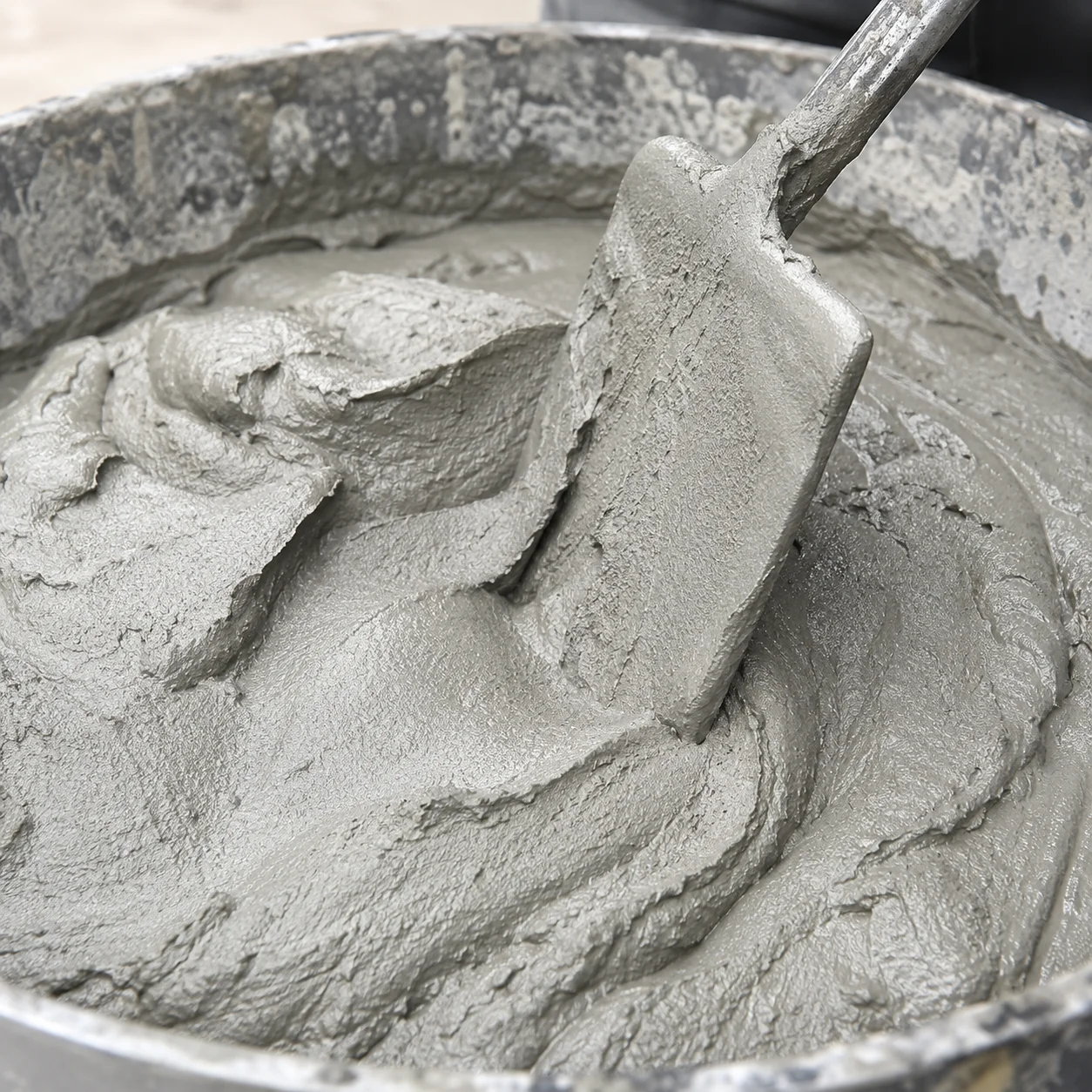
For compatible cement-based mortars requiring uniformly distributed fiber reinforcement and improved resistance to crack development.
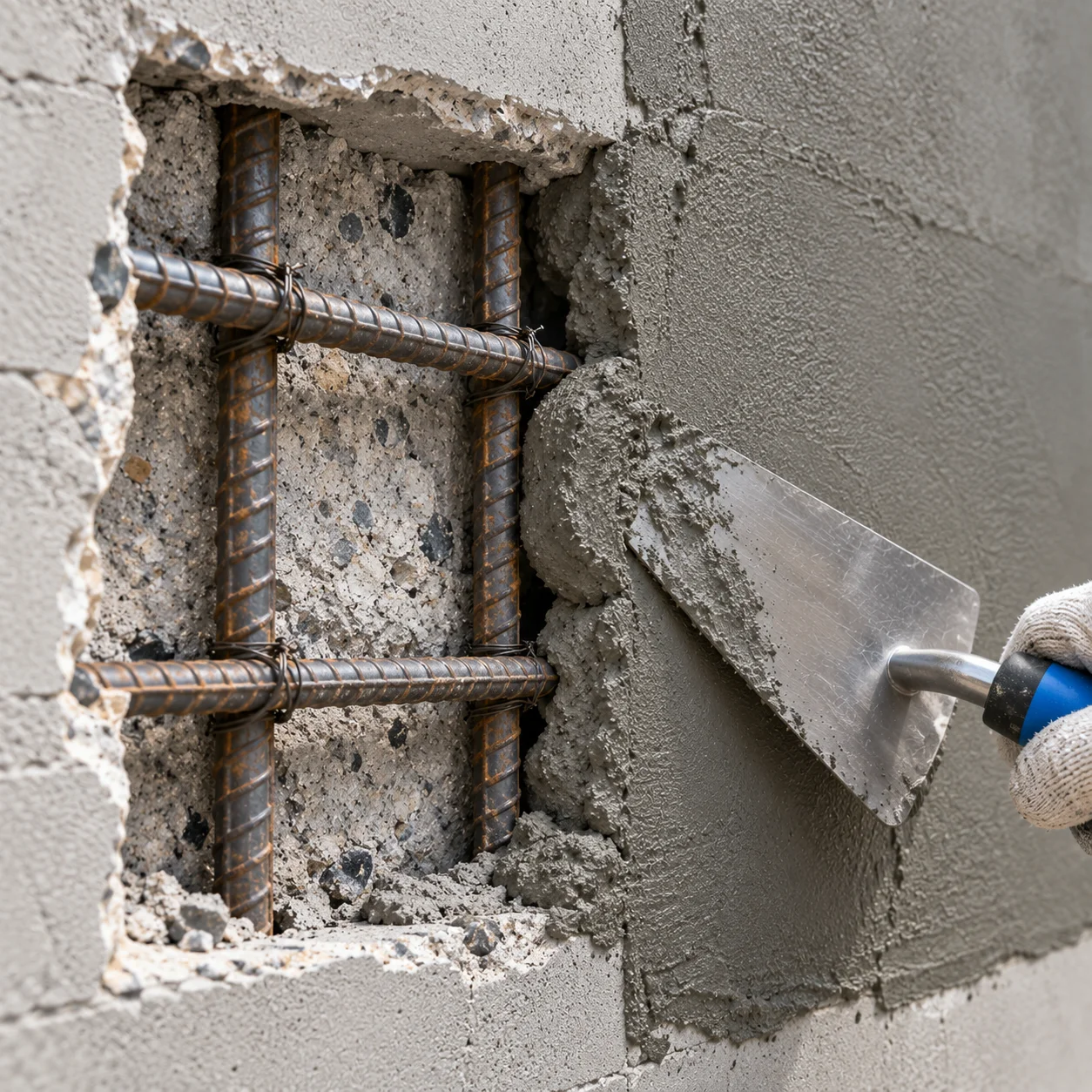
For cementitious repair systems where dispersed AR Glass Fibers help reinforce the repair matrix and restrict crack development.
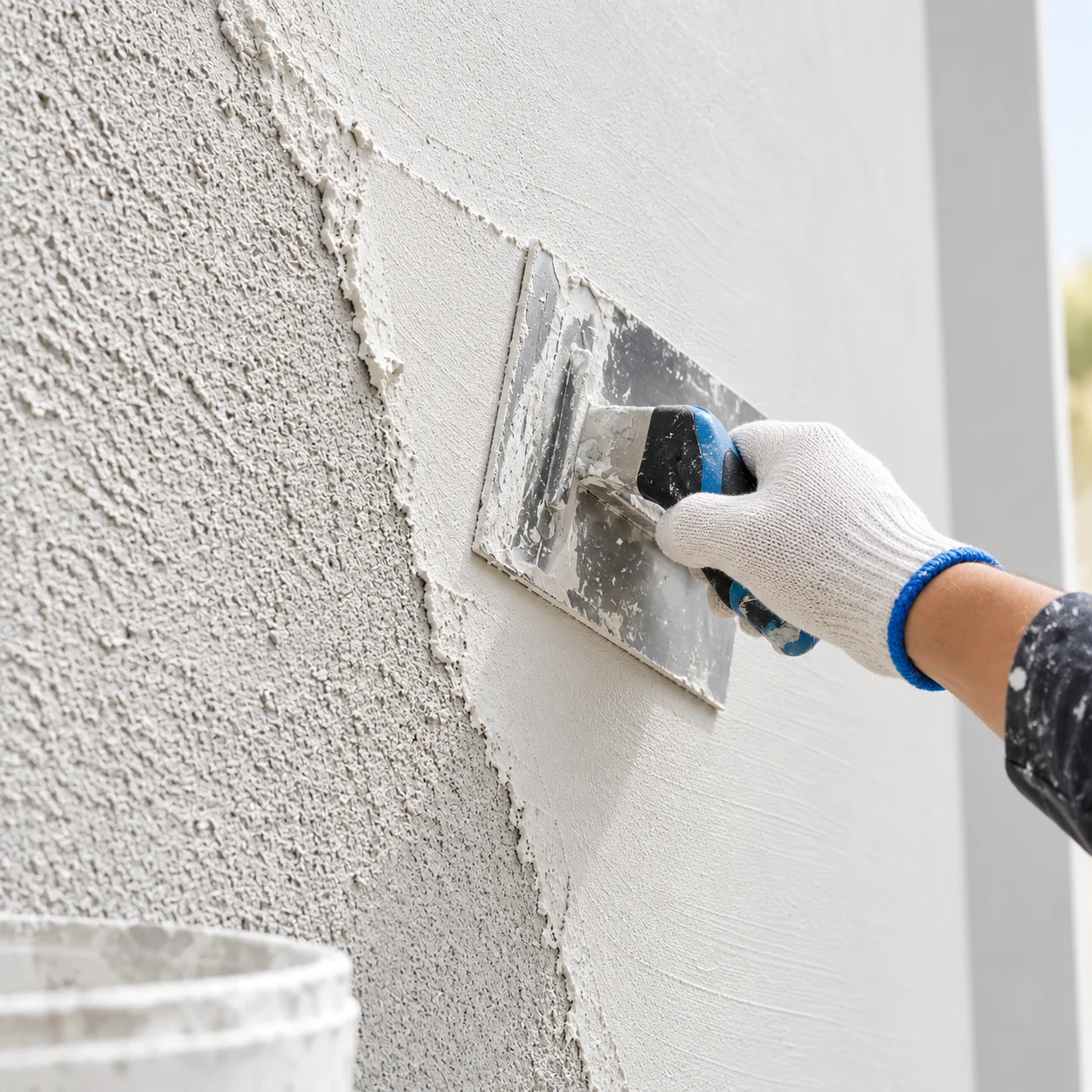
For selected cement-based renders and plasters requiring distributed reinforcement across relatively thin applied sections.
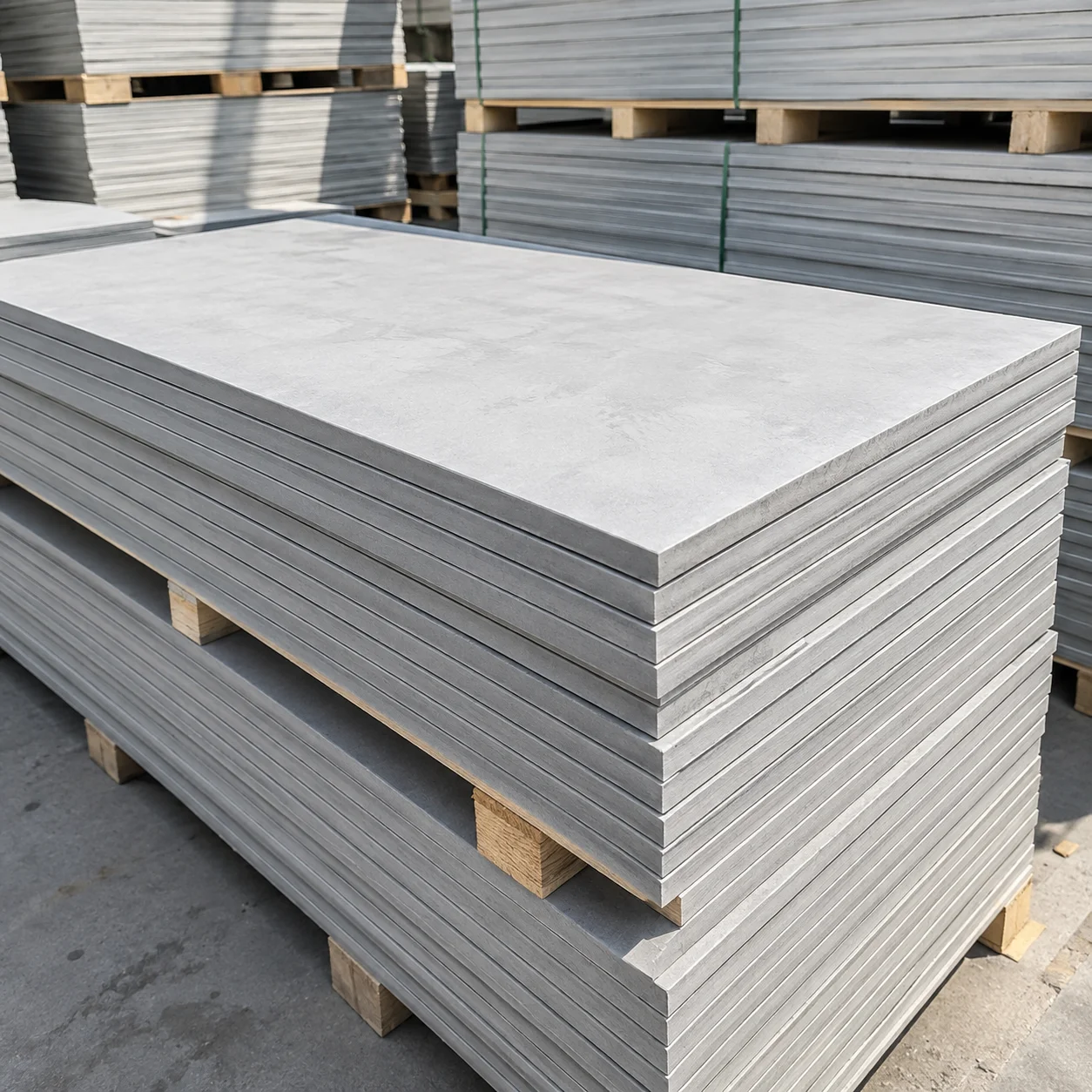
For thin panels, boards and sheet-type cementitious products where fiber reinforcement is distributed throughout the section.
POLYVIA™ AR Glass Fiber is available in 12 mm, 24 mm and 36 mm chopped lengths. Selection should consider the application, matrix rheology, mixing process and required reinforcement performance rather than fiber length alone.
| Fiber Length | Selection Focus | Typical Application Direction |
|---|---|---|
| 12 mm | Easier dispersion and incorporation | Mortars, repair systems, renders and fine cementitious matrices |
| 24 mm | Balance of processability and reinforcement | GRC/GFRC, precast products and general cementitious composites |
| 36 mm | Longer fiber reinforcement | Selected GRC/GFRC and cementitious composites where longer fibers can be effectively dispersed |
Fiber Length · Dosage · Matrix Rheology · Mixing Process · Dispersion · Component Geometry
AR Glass Fiber performance depends on the complete cementitious system. Fiber length and dosage are only part of the reinforcement design; binder composition, matrix rheology, water content, admixtures and processing conditions also influence fiber dispersion, matrix interaction and final composite performance.
Binder composition, particle packing and matrix chemistry influence the cementitious environment in which fibers must disperse and perform.
Fiber length, dosage and distribution influence crack bridging, reinforcement efficiency and performance throughout the cementitious matrix.
Compatible admixtures help control water demand, rheology, flowability, air content and other application-specific formulation requirements.
Addition sequence, mixing intensity and mixing time influence fiber incorporation and uniform distribution throughout the cementitious matrix.
Compatible Matrix + Controlled Rheology + Uniform Fiber Distribution + Effective Reinforcement
1.5–5 kg/m³ — General Distributed Reinforcement
Practical starting range for compatible cementitious systems requiring distributed reinforcement and crack control.
5–15 kg/m³ — Higher Reinforcement Level
For selected applications requiring higher fiber loading, including reinforced flooring and more demanding cementitious systems.
Recommended Mixing Sequence
Aggregate → AR Glass Fiber → Cementitious Materials → Water → Mixing → Final Adjustment
Final dosage should be verified according to fiber length, matrix rheology, mixing equipment and required reinforcement performance.
Packaging: 1–5 kg inner plastic bags, packed in 10–25 kg woven bags or cartons. Typical pallet loading is 500 kg/pallet. Customized packaging is available upon request. 10MT/20’FCL, 24MT/40HQ
Storage: Keep the product in its original sealed packaging in a dry, protected environment. Protect from moisture and unnecessary handling before use.

Product specifications & application data
Download ↓
Safety, handling & storage information
Download ↓
Batch-specific inspection data
Request COA ↓
Length, dosage & application guidance
Download ↓Alkali-Resistant Glass Fiber, or AR Glass Fiber, is a zirconia-containing glass fiber designed for reinforcement in alkaline cementitious environments. Typical applications include GRC/GFRC, mortar, precast cement products and other fiber-reinforced cementitious materials.
Zirconia (ZrO₂) improves the resistance of glass fiber to alkaline cementitious environments. This makes AR glass chemistry more suitable for cement-based reinforcement than conventional glass compositions not specifically designed for prolonged alkaline exposure.
POLYVIA™ AR Glass Fiber contains 16.7% ZrO₂.
The primary difference is glass composition and resistance to alkaline exposure.
AR Glass Fiber contains zirconia and is specifically designed for cementitious environments. Ordinary glass fibers without suitable alkali-resistant chemistry may experience greater deterioration when exposed to the highly alkaline conditions of cement-based matrices.
POLYVIA™ AR Glass Fiber is available in 12 mm, 24 mm and 36 mm chopped lengths.
Selection should consider application, matrix rheology, component geometry, mixing method and required reinforcement performance, rather than fiber length alone.
For general cementitious applications, a practical trial starting range is approximately 1.5–5 kg/m³ for distributed reinforcement, while 5–15 kg/m³ may be evaluated where a higher fiber content is required.
These ranges are starting points for formulation trials, not universal dosage limits. Professional GRC/GFRC systems may use different fiber contents and processing methods and should be designed separately.
AR Glass Fiber should be introduced using a sequence that promotes uniform dispersion without excessive fiber damage or balling.
The appropriate addition point depends on the mixer, matrix rheology, fiber length and production process. Adequate mixing should distribute the fibers throughout the matrix while avoiding unnecessary overmixing.
Both can reinforce cementitious materials, but they are different reinforcement systems rather than direct substitutes.
AR Glass Fiber is specifically designed for alkaline cementitious environments and is particularly established in GRC/GFRC, architectural cement components and thin cement-based products.
PVA Fiber is a synthetic polymer fiber used in applications where crack control, fiber–matrix interaction, toughness and ductility may be important, including engineered cementitious composites and other specialized cement-based systems.
The appropriate choice depends on the matrix design, production process, reinforcement objective and required composite performance.
Yes. GRC/GFRC is one of the primary application areas for AR Glass Fiber.
Its alkali-resistant glass chemistry makes it suitable for reinforcement in cement-based architectural panels, cladding, molded components and other GRC/GFRC products.
However, fiber length, product form, fiber content and processing method must be matched to the specific production system. General mortar dosage guidance should not be directly transferred to professional GRC/GFRC formulations.
Share your application, fiber length, dosage target and production process. Our technical team can help evaluate the appropriate AR Glass Fiber specification and starting dosage for your cementitious system.