ALKALI-FREE GLASS FIBER FOR CONCRETE & MORTAR

Alkali Free Glass Fiber

Glass Fiber for Distributed Reinforcement & Crack Control

POLYVIA™ Alkali-Free Glass Fiber combines high tensile strength, electrical insulation and chemical stability for reliable reinforcement in industrial and composite materials. Available in multiple fiber lengths for different processing and application requirements.

WHAT IS ALKALI FREE GLASS FIBER?

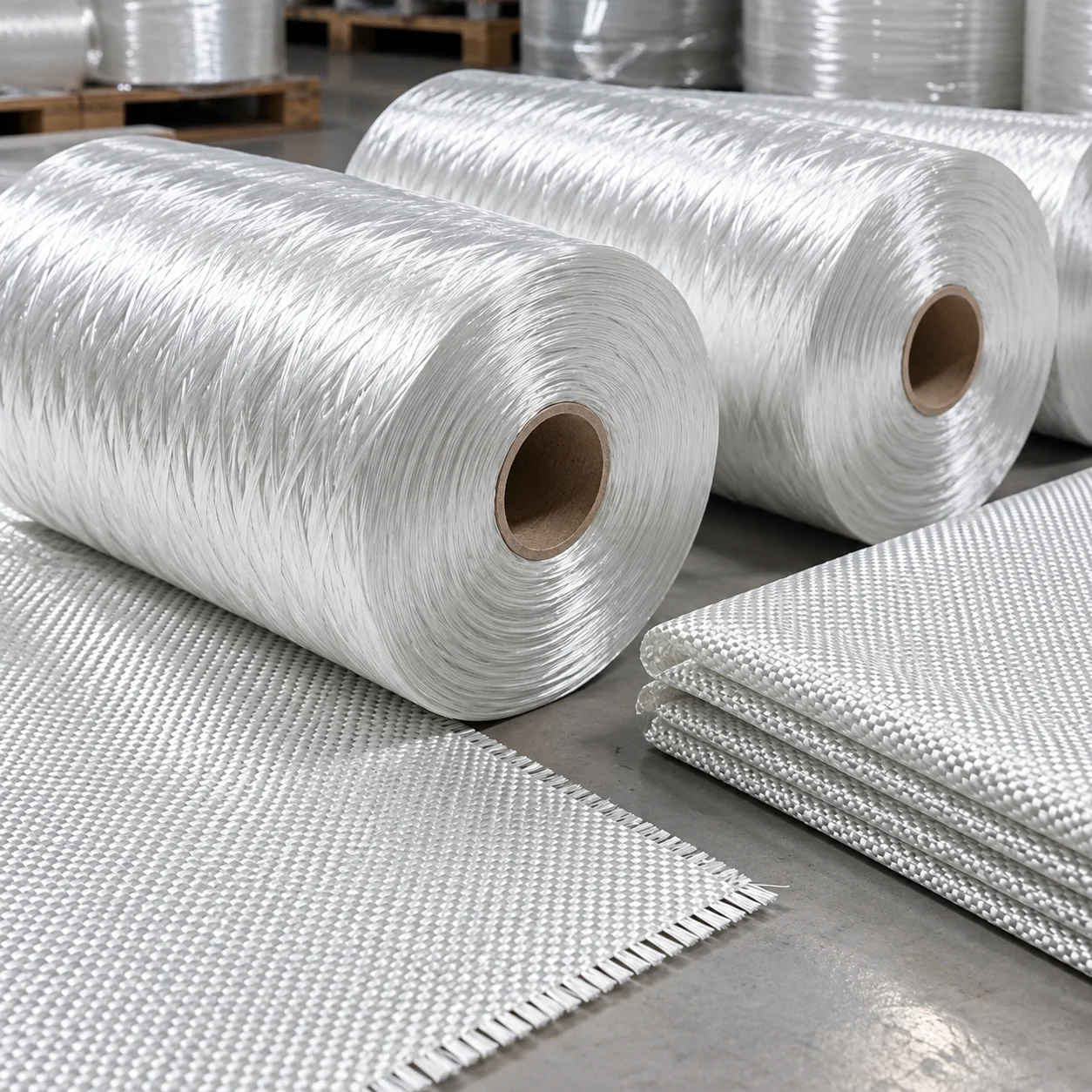
Alkali-Free Glass Fiber is an inorganic glass fiber material available in different forms and sizes for compatible engineering applications.

POLYVIA™ supplies both 3–100 mm chopped fiber and 80–1500 mesh glass fiber powder. Chopped fibers can form a distributed reinforcement network within compatible matrices, while fiber form and size should be selected according to the required function, formulation and production process.

Material Alkali-Free Glass Fiber
CAS No. 65997-17-3
Chopped Fiber Length 3–100 mm
Tensile Strength 600–1500 MPa
Density 2.7 g/cm³
Recommended Dosage 2–6 kg/m³
Primary Function Distributed Reinforcement & Crack Control

SOLVE THE PERFORMANCE CHALLENGE

Match Fiber Form & Size to the Reinforcement Requirement

Different cementitious and composite systems require different levels of fiber dispersion, crack control and reinforcement. Selecting the appropriate fiber form and size helps balance processing behavior with the required reinforcement performance.

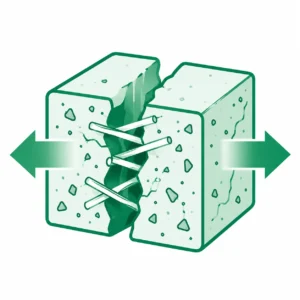
Alkali-Free Chopped Glass Fiber bridging cracks in a reinforced matrix

Brittle Matrix Cracking

Brittle cementitious and composite matrices can develop cracks under shrinkage, dimensional movement and applied stress, reducing structural integrity.

Recommended: Short Chopped Glass Fiber
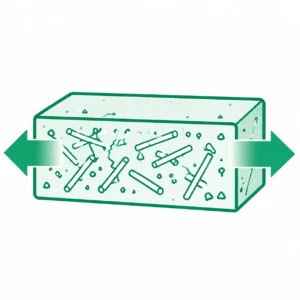
Alkali-Free Chopped Glass Fiber for tensile reinforcement in composite materials

Limited Tensile Strength

Cementitious and other brittle matrices have limited tensile capacity, allowing cracks to develop when localized tensile stresses exceed the strength of the matrix.

Recommended: Chopped Glass Fiber
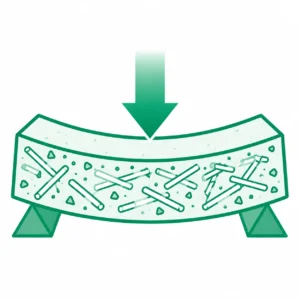
Alkali-Free Chopped Glass Fiber for flexural reinforcement under bending stress

Flexural Stress

Components subjected to bending develop tensile stresses that can initiate cracking and progressively reduce the integrity of the composite matrix.

Recommended: Medium to Long Chopped Glass Fiber
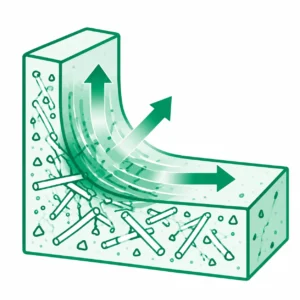
Alkali-Free Chopped Glass Fiber for localized stress distribution in composite materials

Localized Stress Concentration

Stress concentrated around cracks, edges and geometric transitions can accelerate crack propagation and localized damage in brittle composite systems.

Recommended: Distributed Chopped Glass Fiber

APPLICATION SELECTION GUIDE

Alkali-Free Glass Fiber Selection Guide

Selecting the appropriate Alkali-Free Glass Fiber requires consideration of the application, matrix system, fiber length, surface compatibility and processing method. Fiber length alone does not determine final reinforcement performance.

Application Fiber Selection Focus Processing Focus
Lightweight Cement & Wall Panels Length · Matrix Compatibility Dispersion · Panel Forming
Wall Reinforcement & Insulation Systems Length · Distribution Dispersion · Material Integration
Roofing & Waterproof Composites Fiber Distribution · Matrix Compatibility Impregnation · Composite Processing
Electrical Insulation Materials Reinforcement · Surface Compatibility Dispersion · Composite Forming
FRP Cooling Towers Matrix Compatibility · Reinforcement Resin Wet-Out · Composite Processing
Anti-Corrosion FRP Pipes & Tanks Resin Compatibility · Reinforcement Wet-Out · Uniform Distribution
FRP Infrastructure Components Length · Mechanical Reinforcement Dispersion · Composite Forming
Molded FRP Construction Components Length · Matrix Compatibility Mixing · Molding Process

Selection Logic

Application → Matrix System → Fiber Length → Surface Compatibility → Processing Method → Required Performance

HOW ALKALI FREE GLASS FIBER WORKS

How Alkali-Free Glass Fiber Reinforces the Matrix

Alkali-Free Glass Fiber reinforces compatible matrices through four connected mechanisms: fiber dispersion, fiber–matrix interaction, crack bridging and stress redistribution.

1.

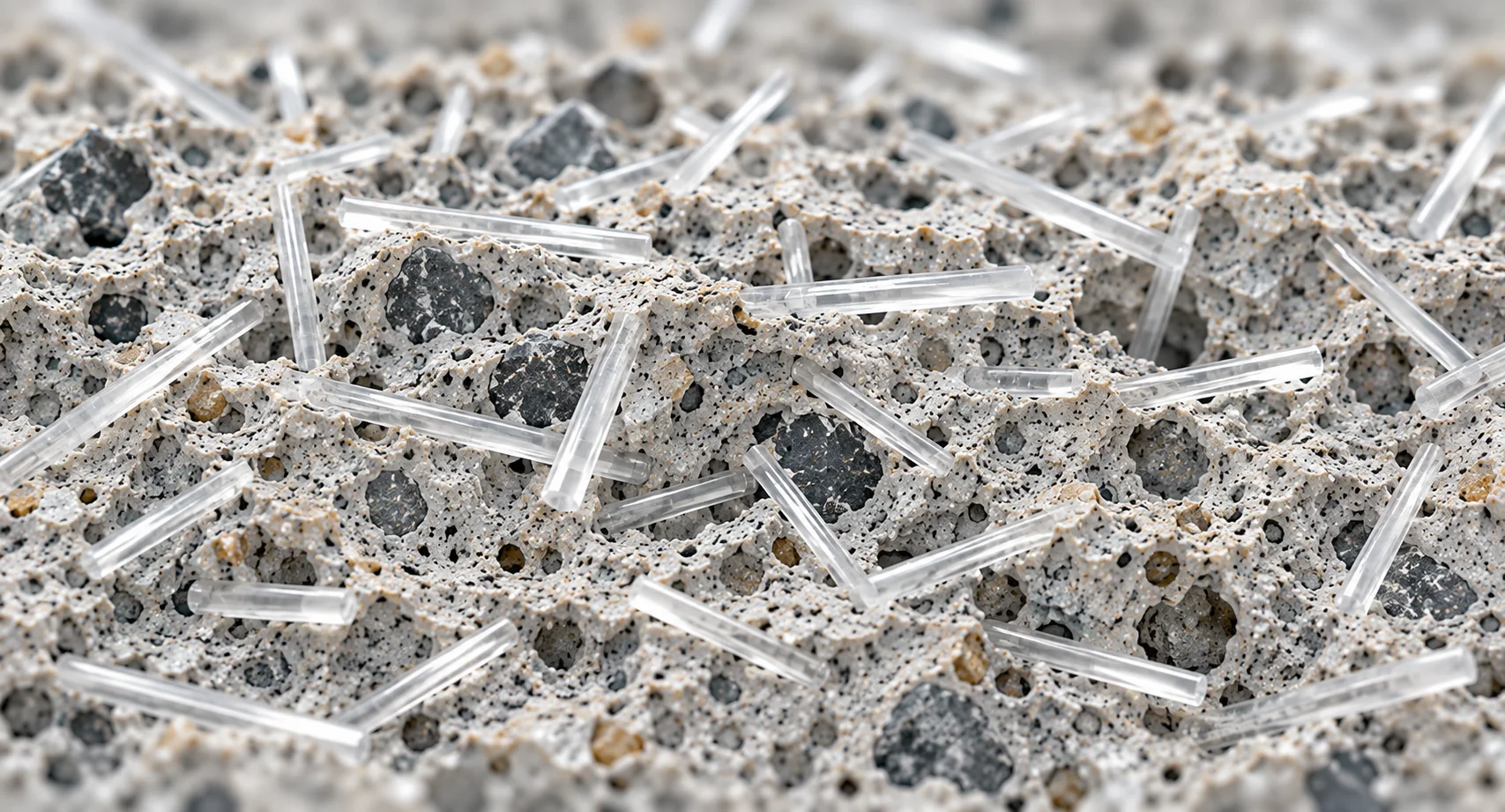
Fiber Dispersion

Chopped glass fibers disperse throughout the matrix in multiple orientations, creating distributed reinforcement and increasing the likelihood of fibers intersecting developing crack paths.

Fiber Dispersion
2.

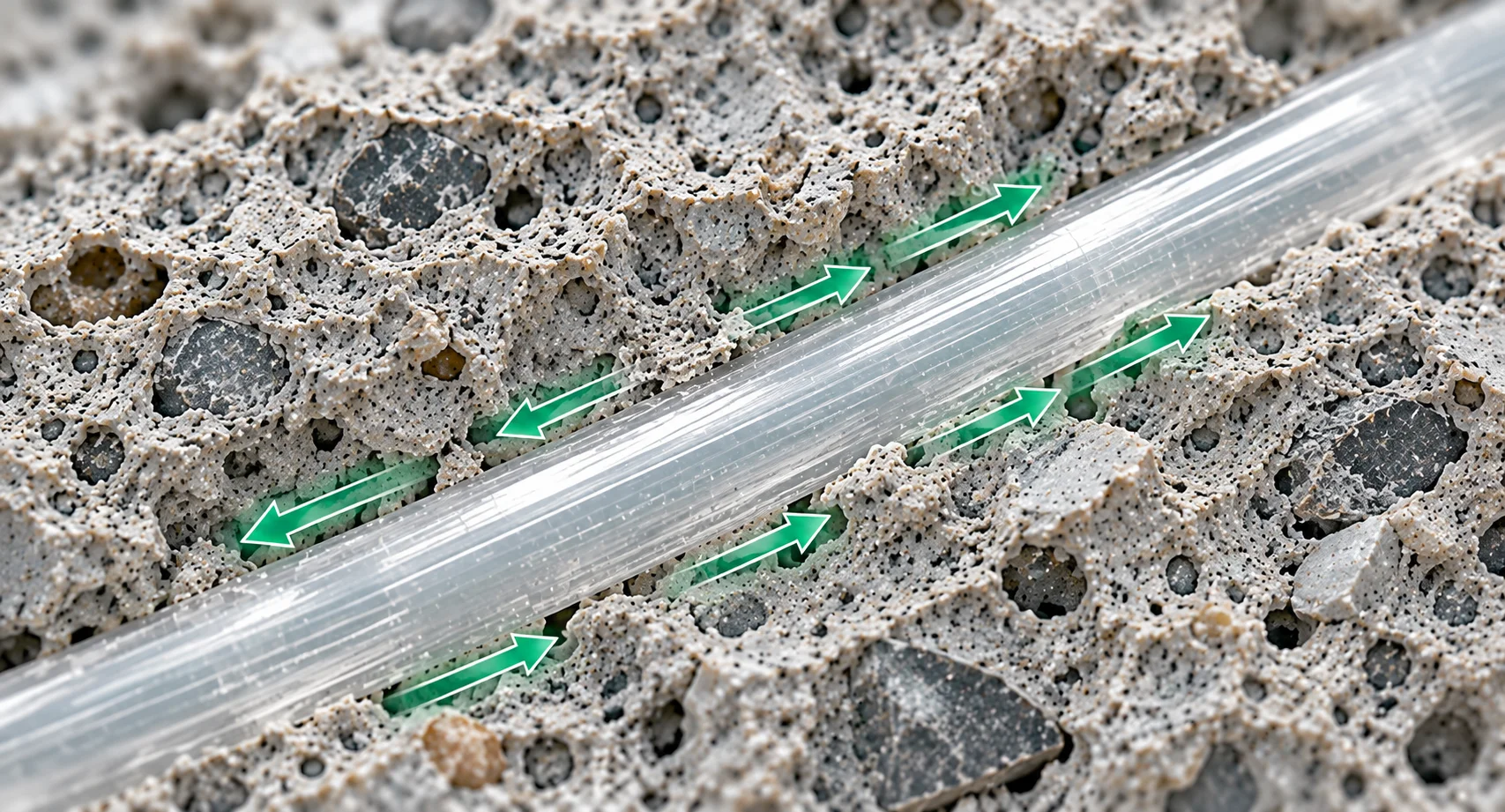
Fiber–Matrix Interaction

As the matrix develops strength, bonding and interaction along the fiber–matrix interface enable tensile stress to be transferred from the surrounding matrix to the embedded glass fibers.

Fiber–Matrix Interaction
3.

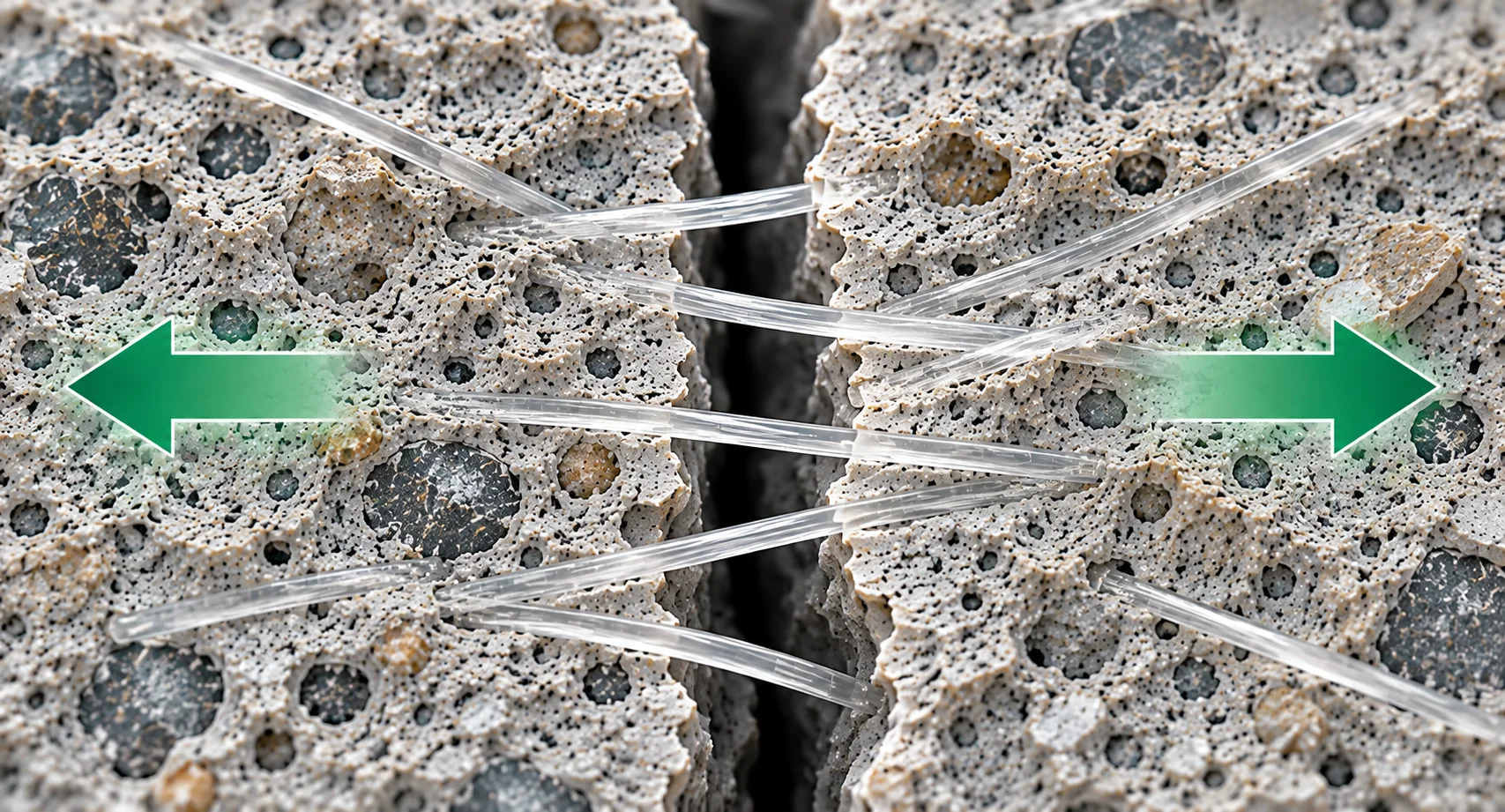
Crack Bridging

Fibers crossing a developing crack remain embedded on both sides of the crack plane, helping carry tensile stress across the opening and restrict further crack propagation.

Crack Bridging
4.

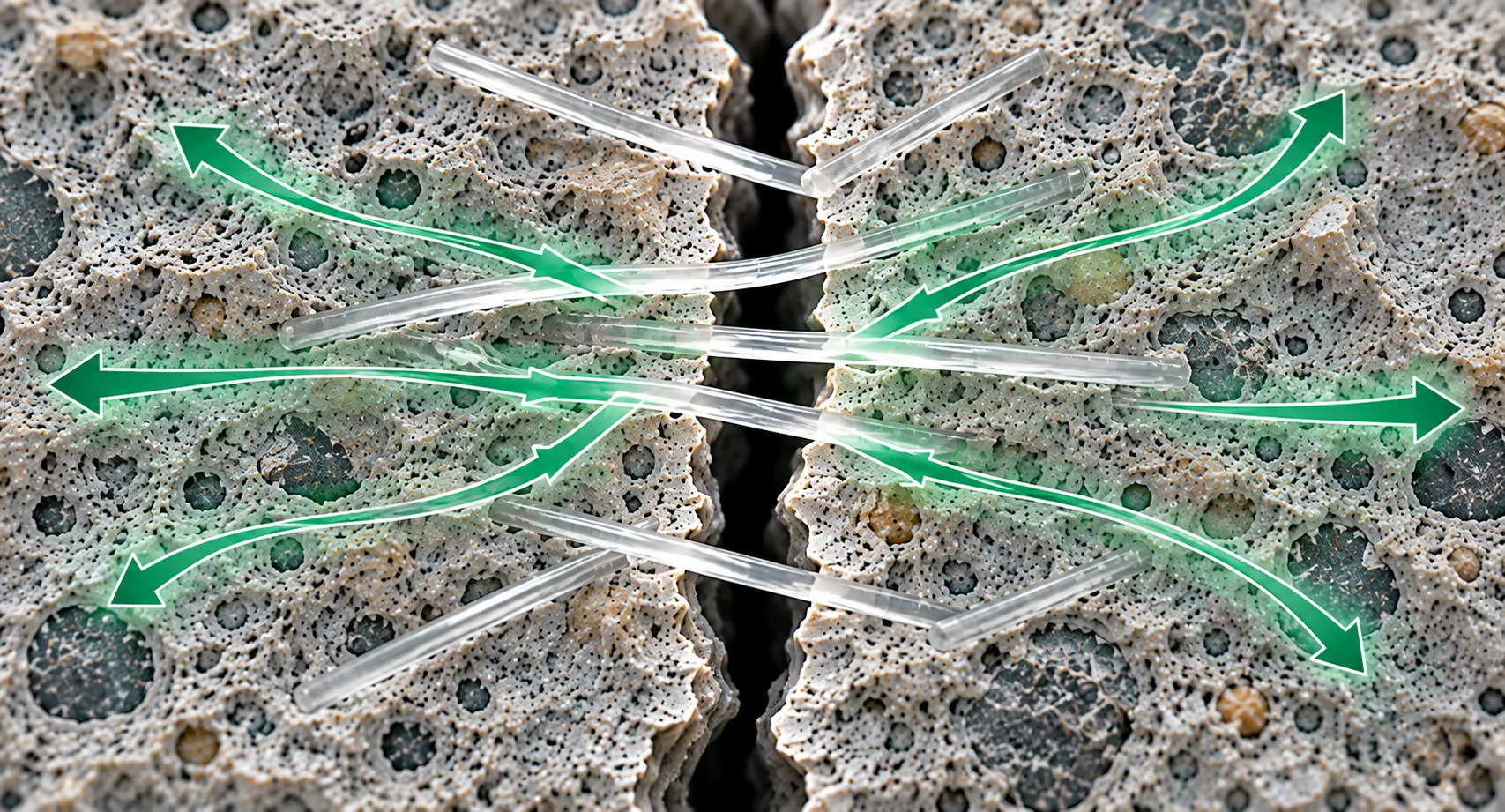
Stress Redistribution

After cracking begins, bridging fibers continue to transfer tensile stress beyond the localized crack zone, helping distribute forces through a broader region of the reinforced composite.

Stress Redistribution

TECHNICAL DATA

Property Specification
Fiber Length 3–100 mm
Tensile Strength 600–1500 MPa
Density 2.7 g/cm³
Combustible Content 1.75%
Moisture Content <1%

APPLICATIONS

Applications of Alkali-Free Glass Fiber

POLYVIA™ Alkali-Free Glass Fiber is used in compatible building materials, FRP systems and engineering composites requiring lightweight reinforcement, dimensional stability, mechanical performance or electrical insulation.

Application suitability should be evaluated according to fiber length, surface treatment, matrix compatibility, manufacturing process and required performance.

Building & Construction Materials

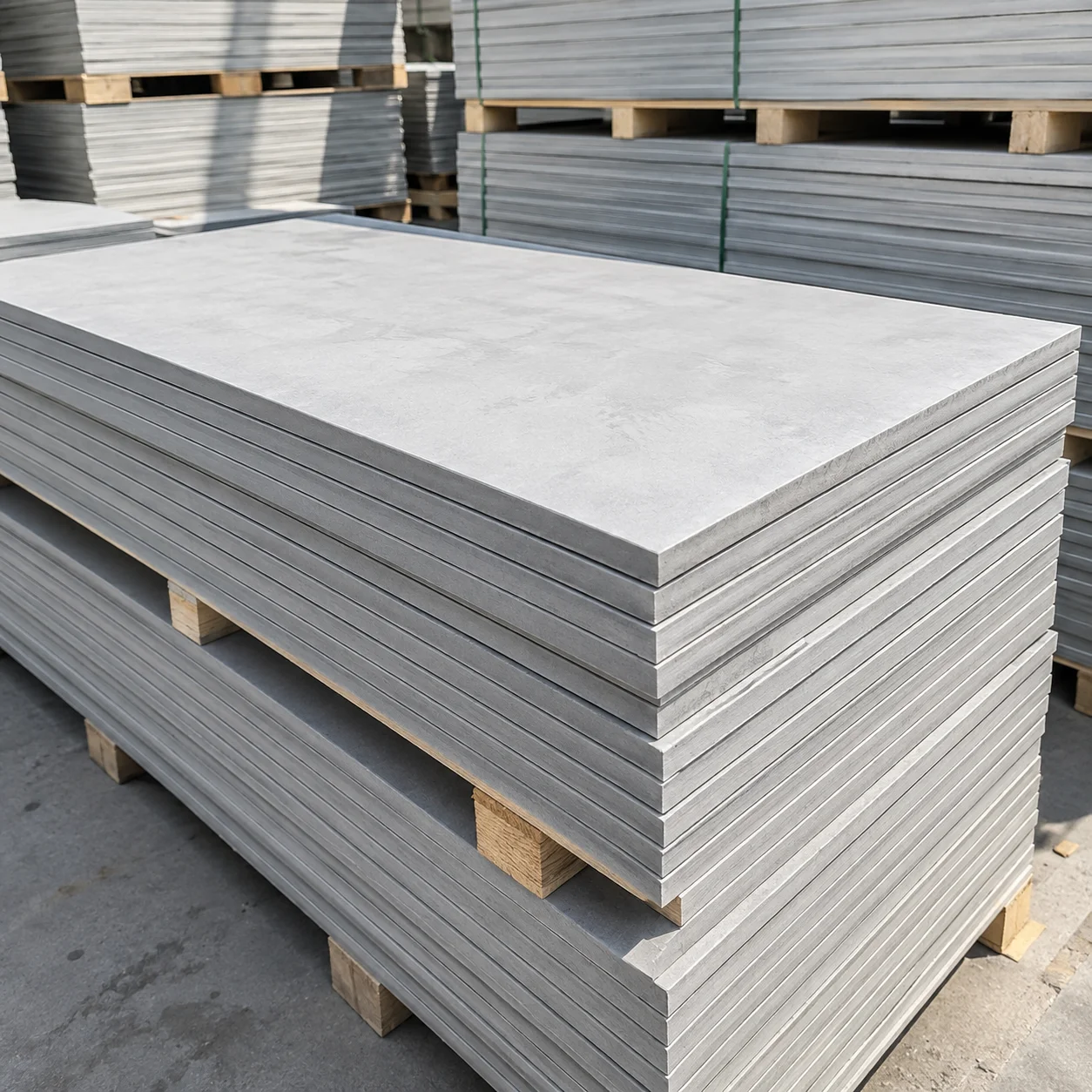
Lightweight Cement & Wall Panels

Lightweight Cement & Wall Panels

Alkali-Free Glass Fiber can reinforce compatible lightweight cement panels and wall board systems, supporting dimensional stability, matrix integrity and crack control in prefabricated building components.

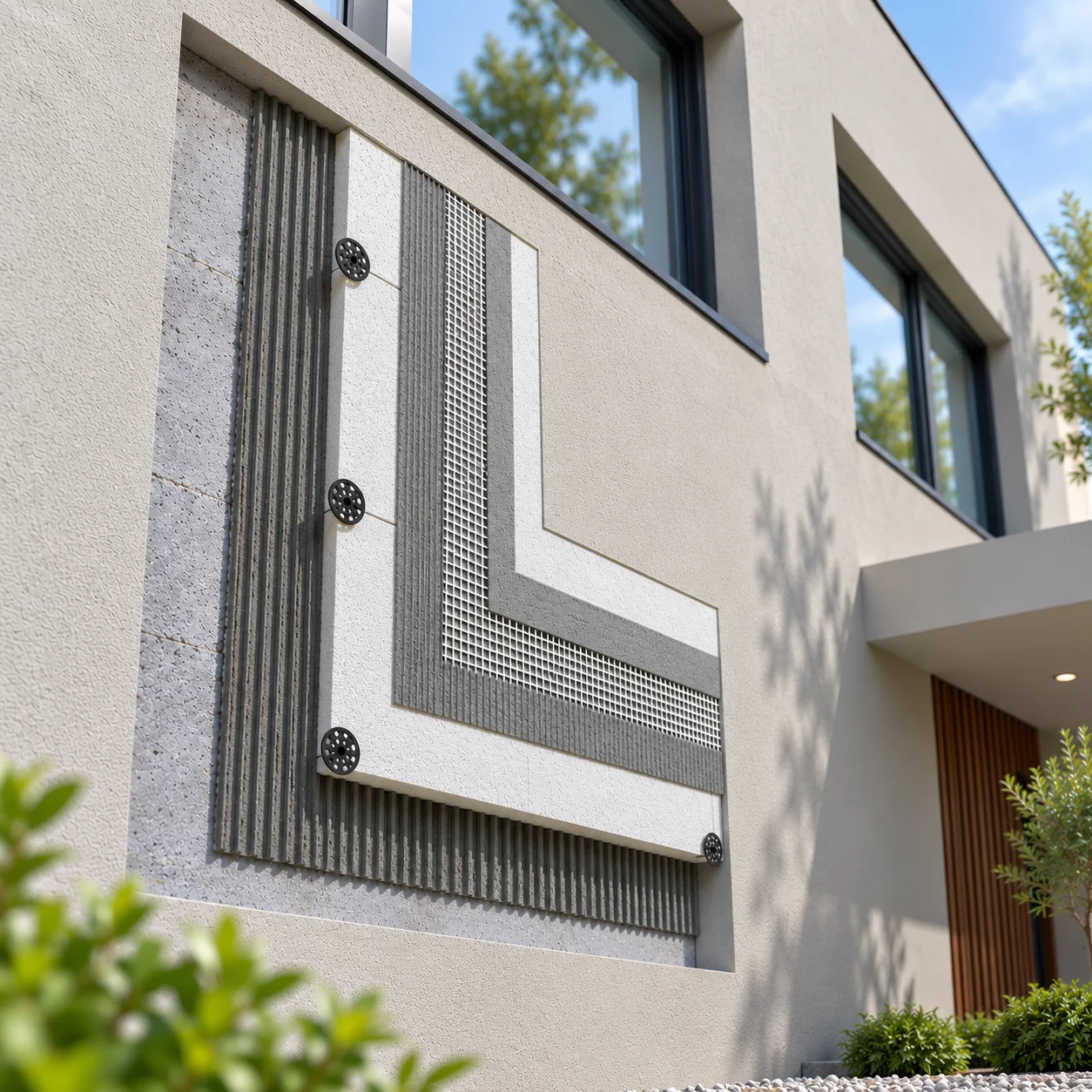
Wall Reinforcement & Insulation Systems

Wall Reinforcement & Insulation Systems

Chopped Glass Fiber can be incorporated into compatible wall reinforcement and insulation materials, providing distributed reinforcement while supporting dimensional stability and integrity in lightweight building systems.

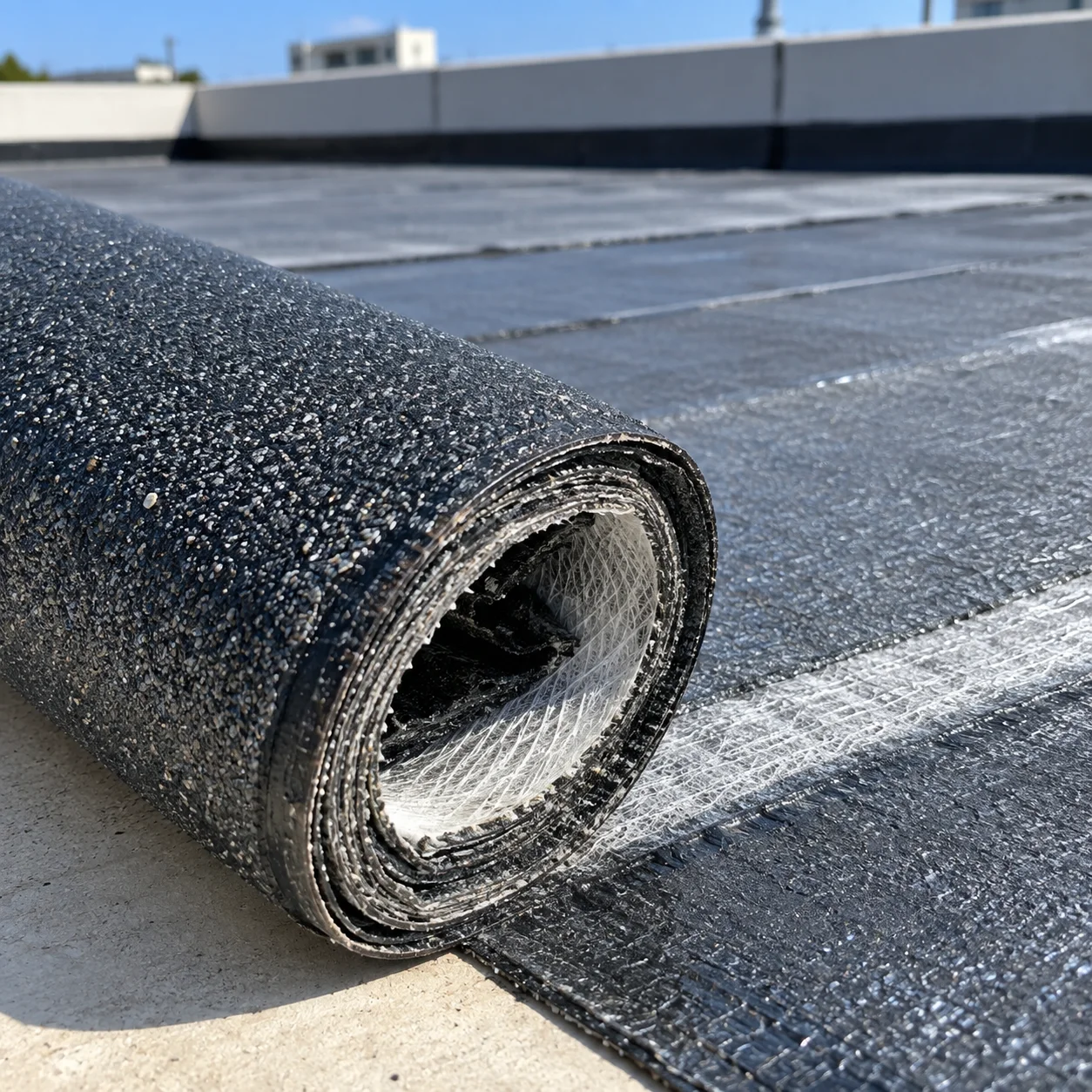
Roofing & Waterproof Composites

Roofing & Waterproof Composites

Alkali-Free Glass Fiber provides reinforcement for compatible roofing membranes, waterproof composites and reinforced building materials, supporting dimensional stability and mechanical integrity during production and service.

Electrical Insulation Materials

Electrical Insulation Materials

Alkali-Free Glass Fiber is suitable for compatible electrical insulation and construction composite materials requiring reinforcement together with low electrical conductivity and reliable dimensional stability.

FRP & Engineering Composites

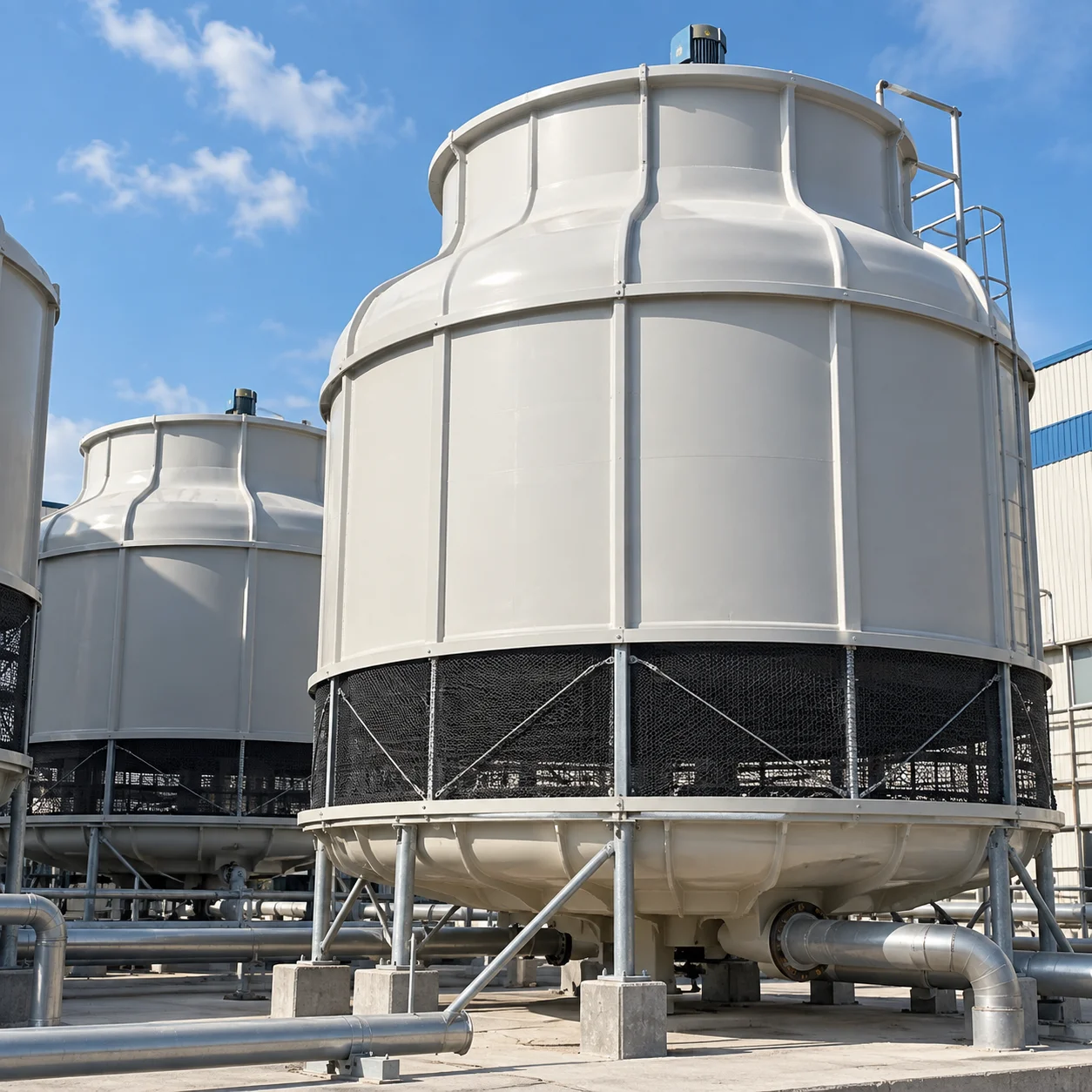
FRP Cooling Towers

FRP Cooling Towers

Alkali-Free Glass Fiber reinforces compatible FRP cooling tower panels, casings and structural components, supporting mechanical strength, dimensional stability and durability in industrial cooling systems.

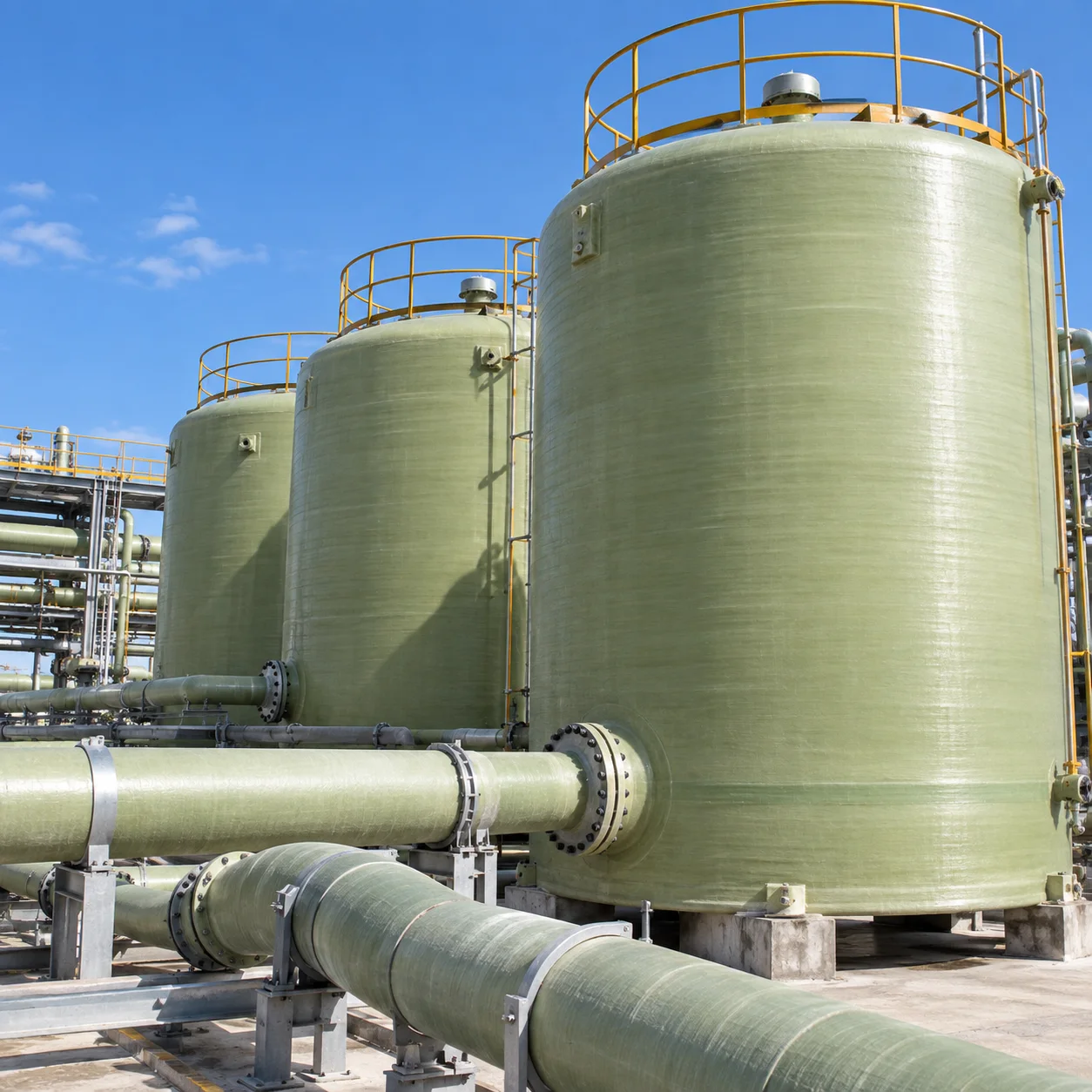
Anti-Corrosion FRP Pipes & Tanks

Anti-Corrosion FRP Pipes & Tanks

Glass fiber reinforcement is used in compatible FRP pipes, chemical tanks and corrosion-resistant equipment, supporting structural integrity in industrial fluid handling and storage applications.

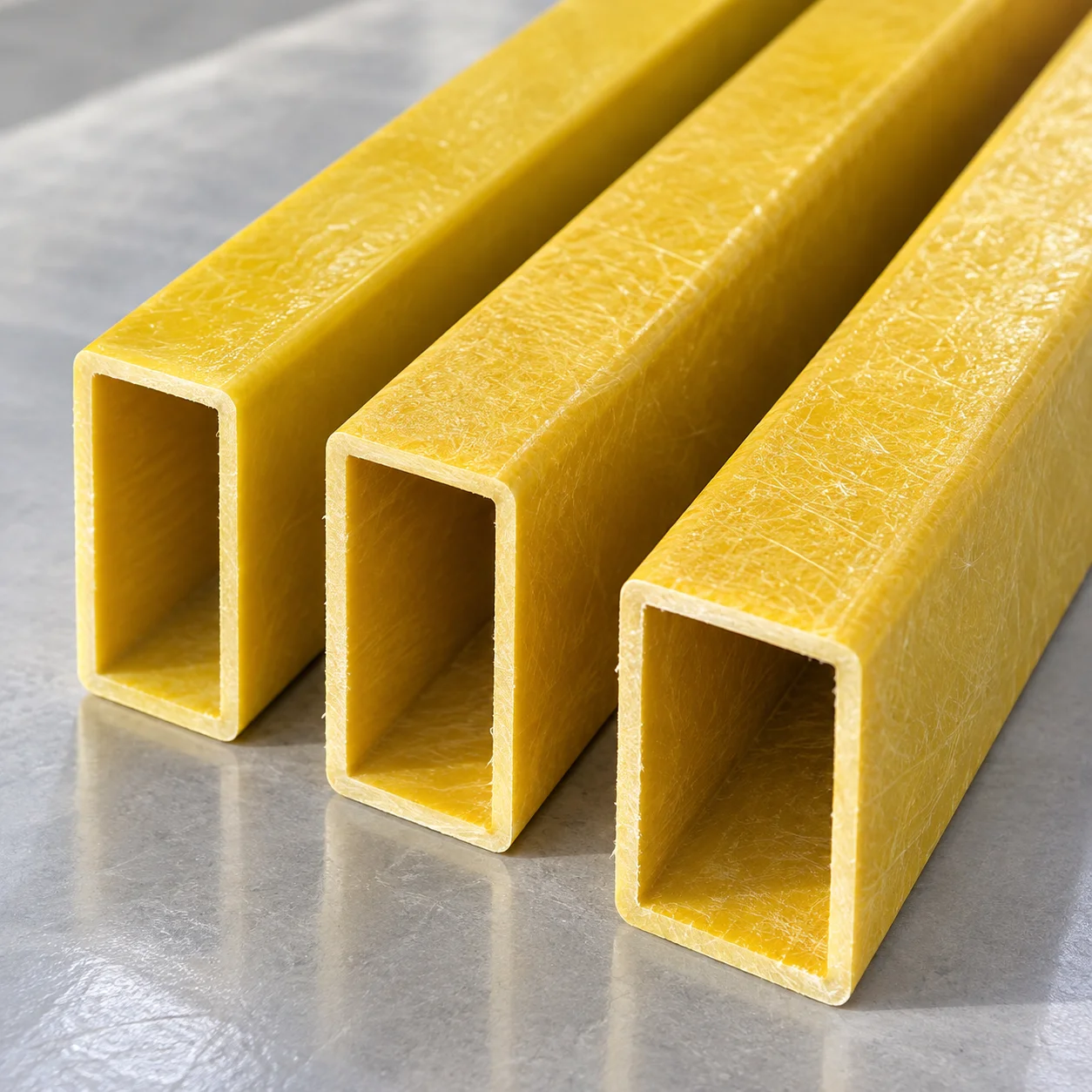
FRP Infrastructure Components

FRP Infrastructure Components

Alkali-Free Glass Fiber can reinforce compatible FRP profiles, panels and infrastructure components requiring lightweight construction, mechanical performance and dimensional stability in engineering applications.

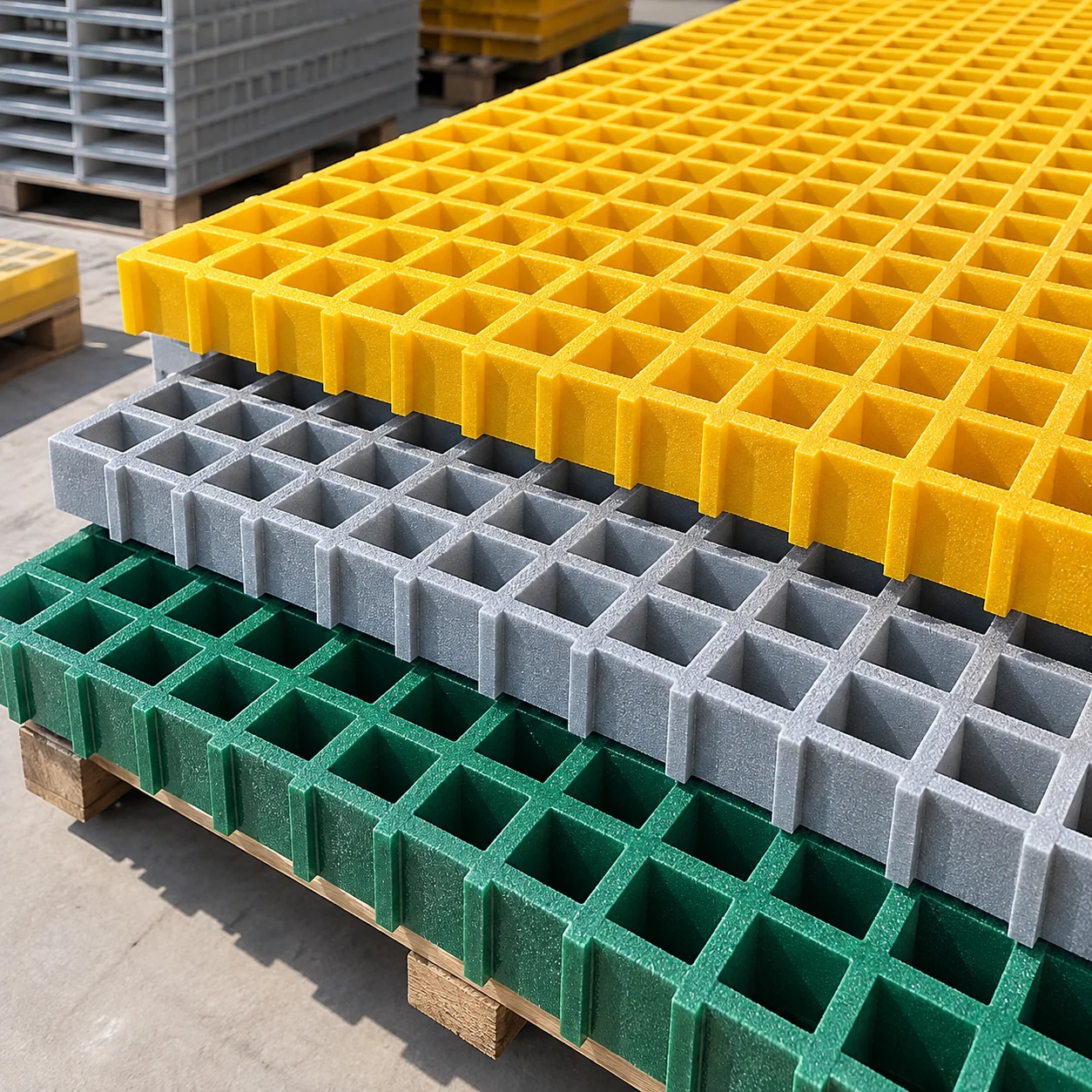
Molded FRP Construction Components

Molded FRP Construction Components

Chopped Glass Fiber can reinforce compatible molded FRP building components and composite parts, supporting distributed reinforcement, dimensional stability and reliable performance in manufactured construction products.

PERFORMANCE BENEFITS

Performance Benefits of Alkali-Free Glass Fiber

When properly selected and uniformly dispersed, POLYVIA™ Alkali-Free Glass Fiber provides distributed reinforcement and mechanical support throughout compatible composite and building-material systems.

✓

Crack Control & Resistance

Dispersed glass fibers intersect developing crack paths, helping restrict crack opening and distribute localized stresses throughout compatible fiber-reinforced material systems.

✓

Multidirectional Reinforcement

Uniformly distributed glass fibers reinforce the matrix in multiple directions, providing broader mechanical support rather than reinforcement concentrated within a single plane.

✓

Tensile Stress Distribution

Glass fibers help carry and transfer tensile forces through the reinforced matrix, reducing localized stress concentration and supporting more effective stress distribution.

✓

Composite Matrix Integrity

Fiber reinforcement supports interaction within the composite matrix, helping maintain material integrity and mechanical continuity when localized cracking or deformation begins.

✓

Non-Corrosive Reinforcement

Glass fiber provides inorganic reinforcement without the electrochemical corrosion mechanism associated with steel, supporting applications where corrosion-free reinforcement is an important consideration.

✓

Dimensional Stability

Alkali-Free Glass Fiber helps reinforce compatible composite systems against dimensional change, supporting shape retention and structural stability during processing and service.

ALKALI-FREE VS. ALKALI-RESISTANT GLASS FIBER

Alkali-Free Glass Fiber vs. Alkali-Resistant Glass Fiber

Alkali-Free Glass Fiber and Alkali-Resistant Glass Fiber are different glass fiber categories with different selection priorities and application environments.

The appropriate fiber should be selected according to glass composition, matrix system, exposure conditions, processing requirements and required reinforcement performance.

Selection FactorAlkali-Free Glass FiberAlkali-Resistant Glass Fiber
Primary PositioningComposite & engineering reinforcementCementitious reinforcement
Fiber Length3–100 mm12 / 24 / 36 mm
Key Selection FocusMatrix Compatibility · Length · ProcessingAlkali Resistance · Length · Cement Compatibility
ZrO₂ ContentNot specified16.7%
Typical Application DirectionFRP · Panels · Insulation · Building CompositesGRC · GFRC · Cement-Based Reinforcement
Alkaline Cement ExposureApplication-specific evaluation requiredDesigned for alkaline cementitious environments

The Key Difference

“Alkali-Free” does not mean “Alkali-Resistant.”

Alkali-Free Glass Fiber should not automatically be considered equivalent to Alkali-Resistant Glass Fiber (AR Glass Fiber) when long-term exposure to alkaline cementitious environments is involved.

For GRC, GFRC and other cement-based reinforcement applications, where glass fibers remain embedded in a highly alkaline matrix, an appropriately specified AR Glass Fiber with verified alkali resistance should be evaluated.

SYSTEM COMPATIBILITY

DESIGN THE COMPLETE MATERIAL SYSTEM

Fiber Performance Depends on the Complete System

Fiber tensile strength and length alone do not determine reinforcement performance.

Matrix composition, fiber length, rheology, dosage and mixing conditions all influence fiber distribution, processability and reinforcement effectiveness.

Compatible Matrix → Correct Fiber Specification → Suitable Processing → Uniform Dispersion → Effective Fiber Reinforcement

Matrix Composition

Glass fiber should be matched to the resin, composite or building-material matrix to support effective interfacial interaction, fiber distribution and reinforcement performance.

Fiber Length & Specification

Select the appropriate fiber specification within the available 3–100 mm length range according to the reinforcement requirement, material system and manufacturing process.

Processing Compatibility

Fiber addition, mixing, impregnation and forming conditions should be compatible with the selected material system to maintain processability and consistent fiber incorporation.

Fiber Dispersion

Uniform fiber distribution helps minimize localized fiber concentration and enables reinforcement to act more consistently throughout the finished composite or material matrix.

PACKING & DOSAGE & MIXING GUIDANCE

Packaging

POLYVIA™ Alkali-Free Glass Fiber is supplied in 1–5 kg inner plastic bags and 10–25 kg woven bags or cartons, with pallet loading up to 1200 kg. Customized packaging is available upon request.

Alkali-Free Glass Fiber Dosage & Mixing

Typical Dosage

2–6 kg/m³

Use 2–6 kg/m³ as a starting range where applicable. Final dosage should be adjusted according to fiber length, matrix system, processing method and required performance.

Mixing Guidance

Add Alkali-Free Glass Fiber gradually and uniformly during production to achieve consistent fiber distribution and minimize localized fiber concentration.

The appropriate addition sequence and mixing time should be determined according to the specific matrix and manufacturing process.

Key Controls

Uniform Addition · Good Dispersion · Matrix Compatibility · Process Validation

DOCUMENTS DOWNLOAD

Technical Data Sheet TDS download icon for POLYVIA products

Technical Data Sheet (TDS)

Product specifications, properties & technical data

Download ↓
MSDS safety data sheet download icon for POLYVIA products

Safety Data Sheet

Safety, handling & storage information

Download ↓
Certificate of Analysis COA request icon for POLYVIA products

Certificate of Analysis

Batch-specific quality & inspection data

Request COA ↓
Application Guide download icon for POLYVIA products

Application Guide

Selection, processing & application guidance

Download ↓

FREQUENTLY ASKED QUESTIONS

What is Alkali-Free Glass Fiber? +

POLYVIA™ Alkali-Free Glass Fiber is an inorganic reinforcement fiber available in 3–100 mm lengths for compatible concrete, mortar and engineering material systems.

What is Alkali-Free Glass Fiber used for? +

It can be evaluated for concrete, mortar, shotcrete, tunnel, bridge, underground, pavement and other compatible engineering material systems requiring distributed fiber reinforcement or crack control.

What is the difference between Alkali-Free Glass Fiber and Alkali-Resistant Glass Fiber? +

They are different product categories.

Alkali-Free Glass Fiber is selected according to fiber length, application and processing requirements, while Alkali-Resistant Glass Fiber is specifically formulated for improved resistance to alkaline cementitious environments.

For sustained high-alkalinity exposure, particularly in GRC/GFRC, an appropriately specified AR Glass Fiber should be evaluated.

What is the recommended dosage of Alkali-Free Glass Fiber? +

The recommended dosage according to the supplied product guidance is:

2–6 kg/m³

Final dosage should be evaluated according to fiber length, formulation, workability, mixing conditions and required performance.

What fiber lengths are available? +

POLYVIA™ Alkali-Free Glass Fiber is available in 3–100 mm lengths.

The appropriate length should be selected according to the material system, component geometry, mixing process and required reinforcement performance.

How should Alkali-Free Glass Fiber be added during mixing? +

For the specified cementitious mixing process, the recommended sequence is:

Aggregate → Glass Fiber → Cement → Water → Mixing → Final Water Adjustment

Mix sufficiently to achieve uniform fiber distribution throughout the material.

Can Alkali-Free Glass Fiber be used in concrete and mortar? +

Yes. It can be used in compatible concrete and mortar systems where distributed fiber reinforcement and crack control are required.

Suitability should be evaluated according to fiber specification, cementitious exposure, dosage, processing conditions and required durability.

How do I choose the right glass fiber length? +

Begin with the application and evaluate matrix rheology, component geometry, mixing equipment, processing conditions and reinforcement requirements.

Shorter fibers generally offer easier incorporation, while longer fibers provide greater potential bridging length but require greater control of fiber distribution and workability.

Find the Right Alkali-Free Glass Fiber for Your Application

Selecting the appropriate Alkali-Free Glass Fiber involves more than choosing a fiber length. Share your application, material system, production process and performance requirements, and POLYVIA can support preliminary fiber selection, dosage evaluation and processing compatibility.