Plastic Shrinkage
Surface moisture loss may generate cracking before concrete develops sufficient tensile strength.

POLYVIA Cellulose Fiber is a specially processed plant-based reinforcement fiber for concrete applications. Its distributed fiber network helps control early-age cracking, restrict microcrack development and support concrete durability in suitable construction and infrastructure applications.
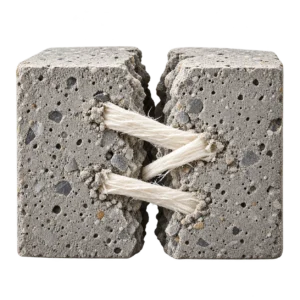
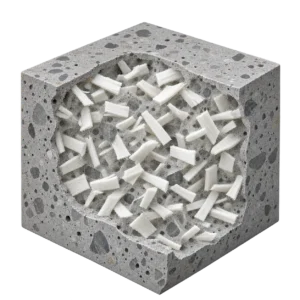
POLYVIA Cellulose Fiber is a plant-derived reinforcement material manufactured through specialized chemical treatment and mechanical processing.
The resulting short fibers are designed to disperse throughout concrete, providing multidirectional micro-reinforcement. Their hydrophilic characteristics and high specific surface area also influence interactions between the fibers and mixing water.
Cellulose Fiber is primarily intended for crack control rather than structural load-bearing reinforcement.
Concrete can develop cracks during placement, hardening and service. Four important mechanisms should be considered when evaluating crack-control reinforcement.
Surface moisture loss may generate cracking before concrete develops sufficient tensile strength.
Restricted settlement around reinforcement or changes in section depth can produce localized cracks.
Volume changes under internal or external restraint may generate tensile stresses and cracking.
Existing cracks may widen or develop further under loading and environmental changes.
When properly dispersed, Cellulose Fiber interacts with the cementitious matrix through four related mechanisms.
Short fibers disperse in multiple directions, increasing the likelihood of intersecting developing microcracks within the concrete matrix.
Fibers crossing a crack can provide bridging resistance, helping restrict localized crack opening through fiber–matrix interaction.
The hydrophilic fiber surface interacts with mixing water and may influence localized moisture distribution within the cementitious matrix.
Fiber–matrix bonding and friction enable limited tensile force transfer across developing cracks, helping redistribute localized deformation.
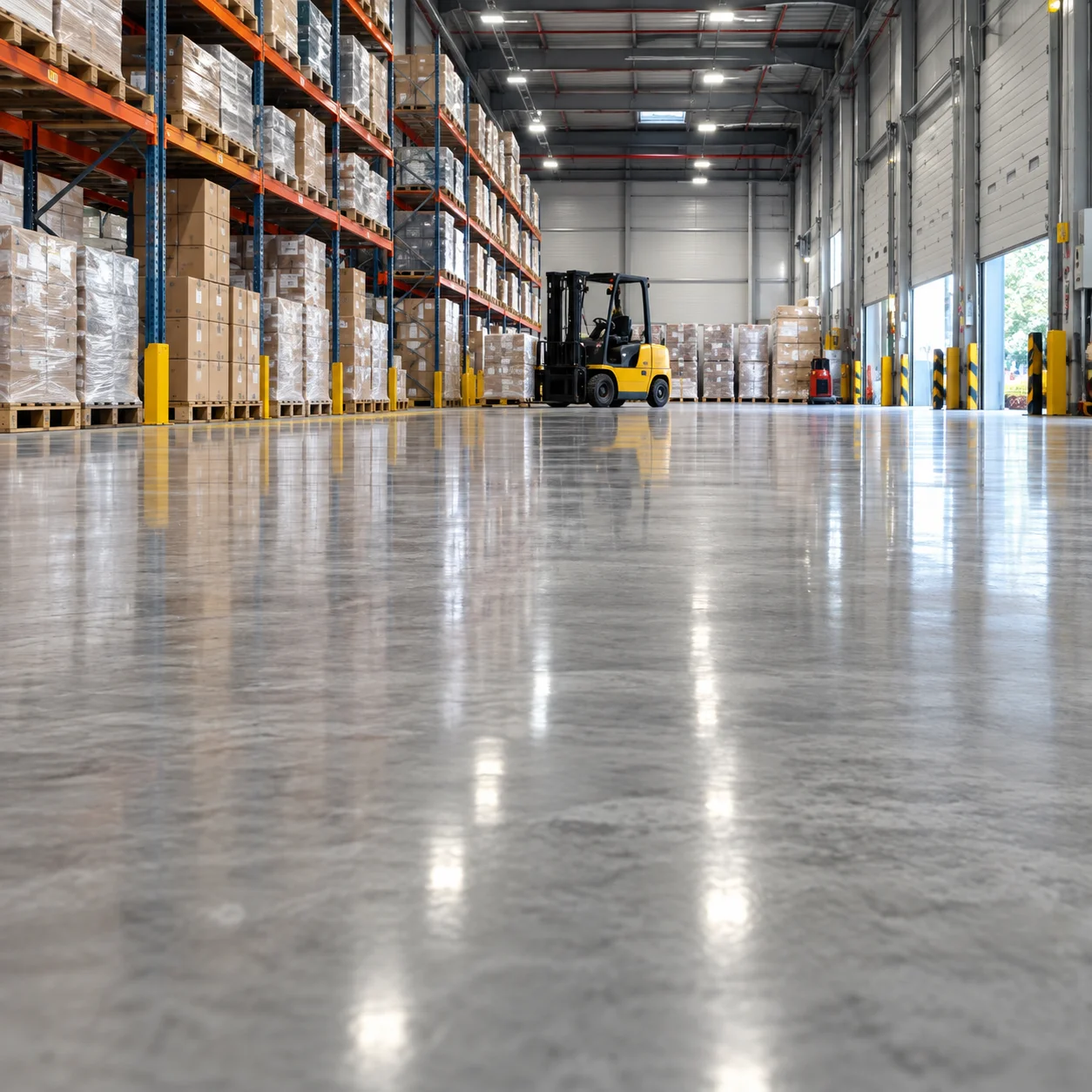
Helps manage shrinkage-related cracking in warehouse floors, industrial slabs and large concrete surfaces requiring consistent crack control.
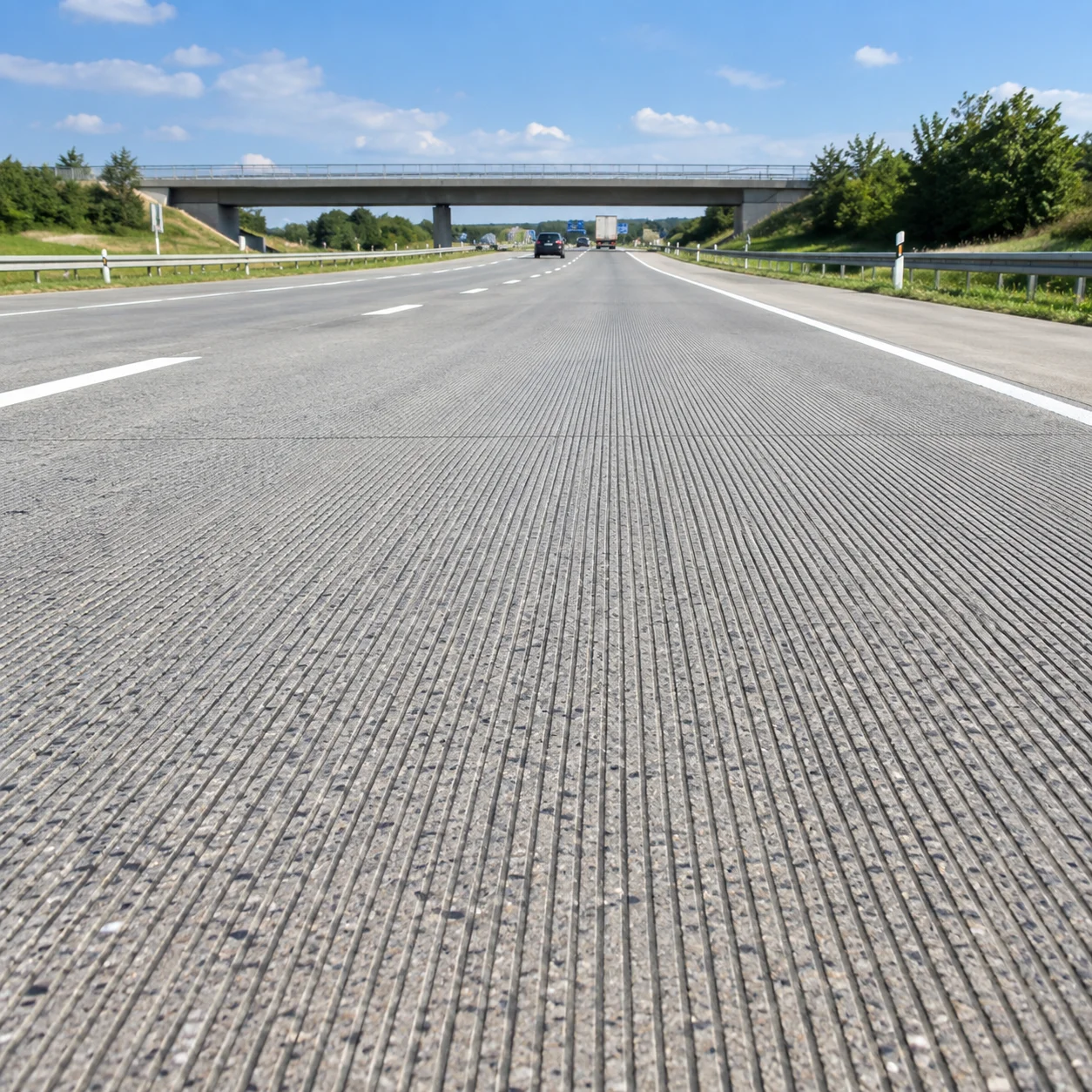
Supports early-age crack-control strategies in rigid pavements, concrete roads and exposed traffic surfaces.
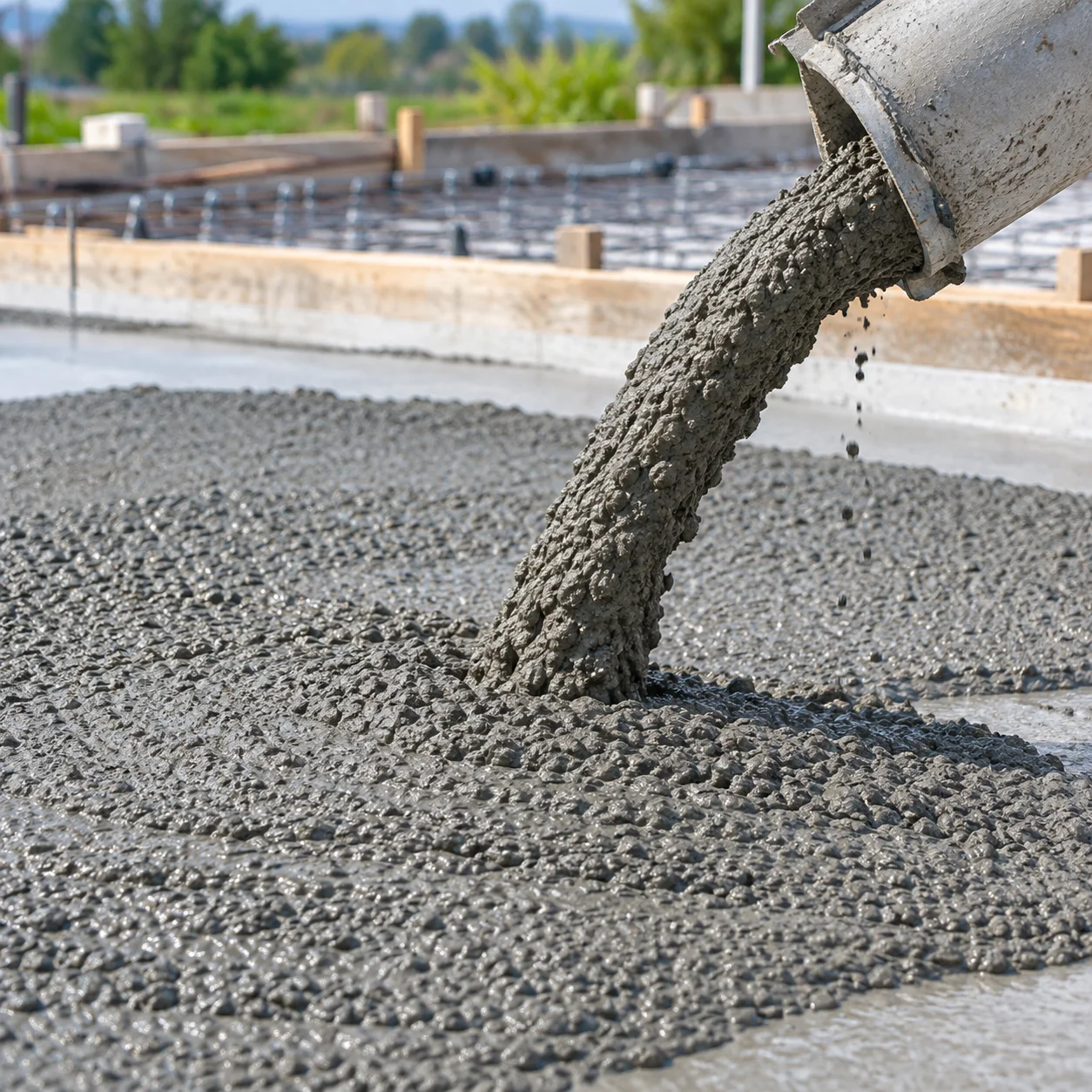
Can be incorporated into suitable ready-mix formulations where controlled batching, uniform dispersion and early-age crack resistance are required.
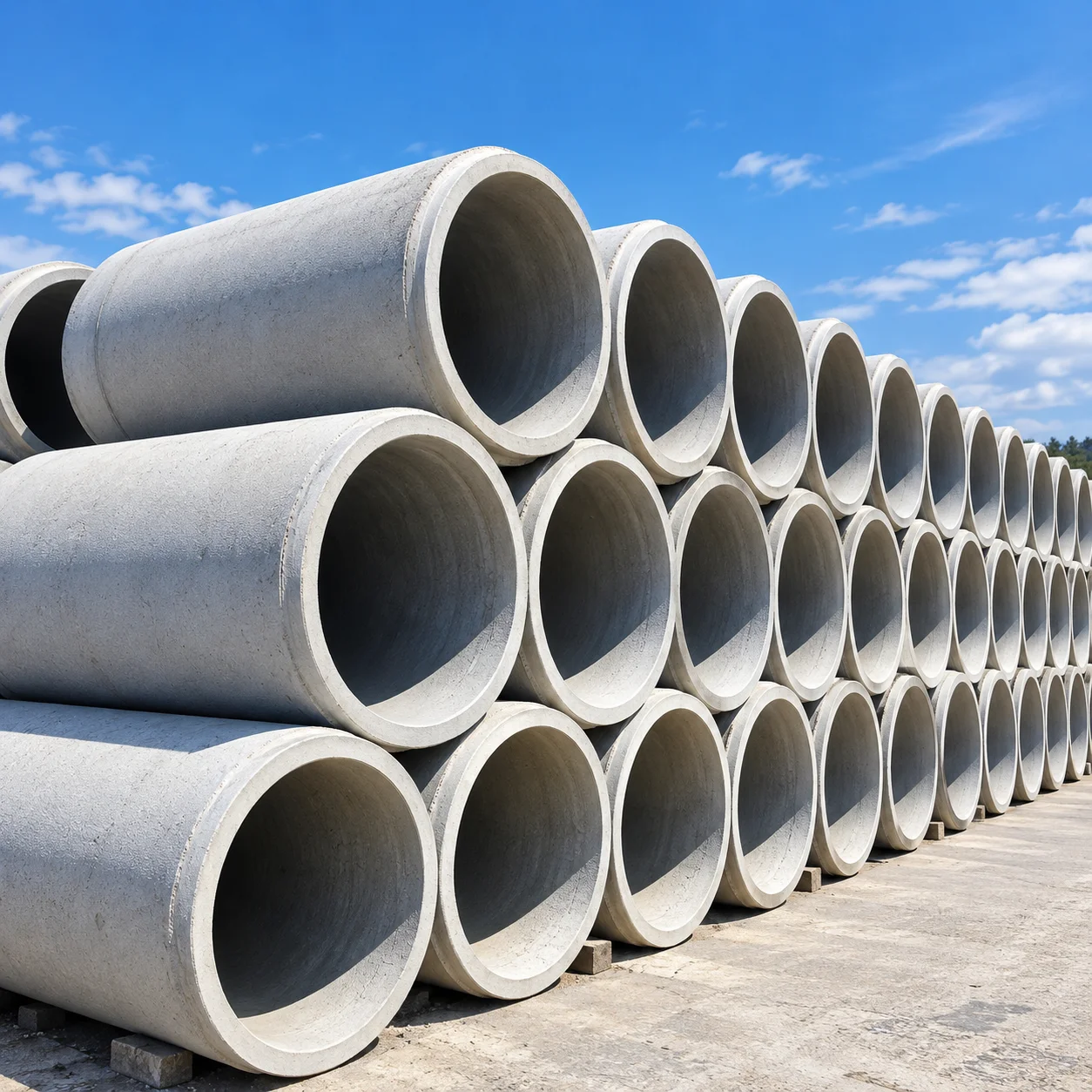
Provides distributed micro-reinforcement in compatible precast elements where shrinkage cracking and surface integrity are important.

Can support crack-control strategies in bridge decks and compatible concrete components exposed to shrinkage and environmental stresses.
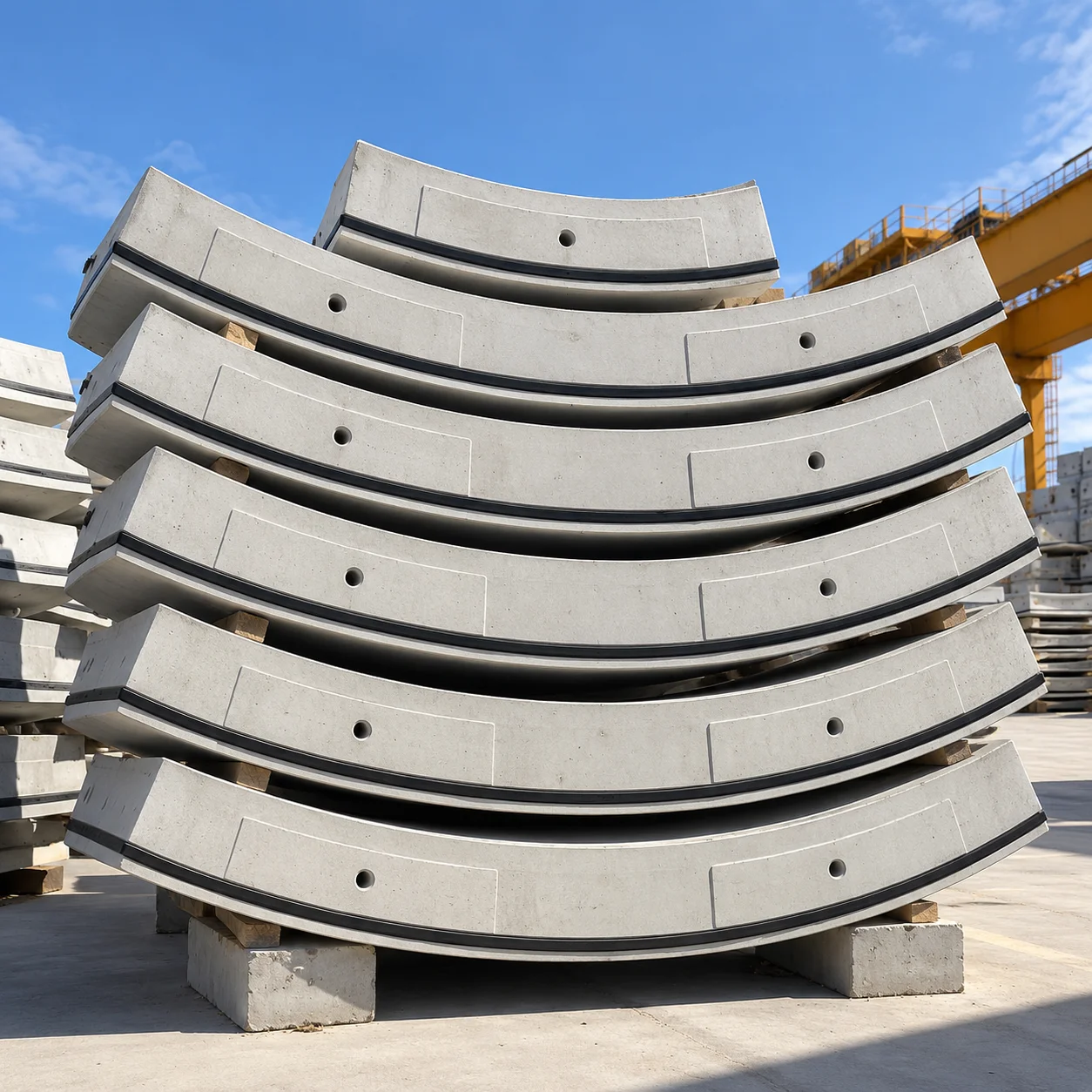
Can be evaluated in concrete tunnel linings and underground elements where localized cracking and material compatibility require assessment.
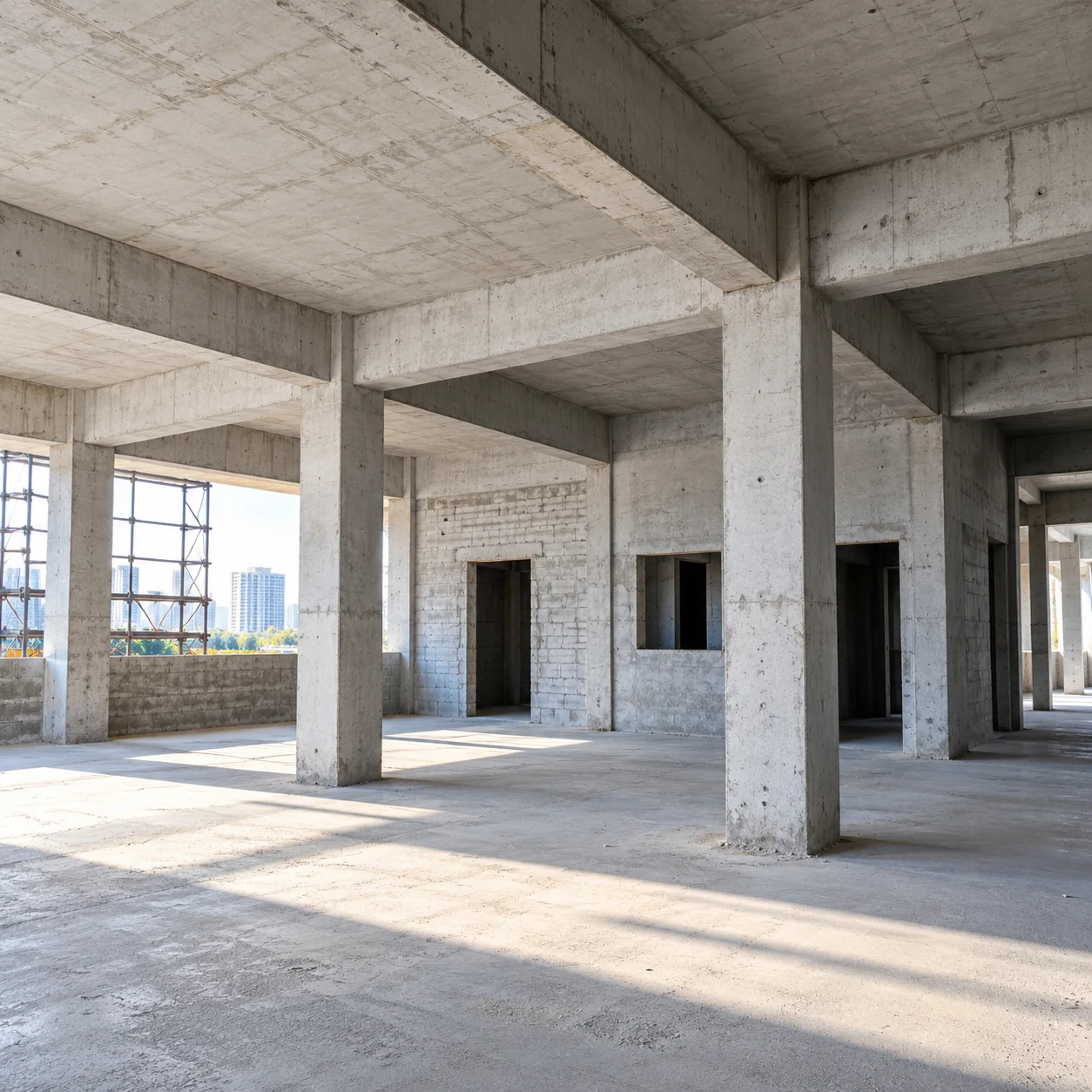
Support shrinkage crack control in suitable concrete used for hydraulic channels, water infrastructure and related civil structures.
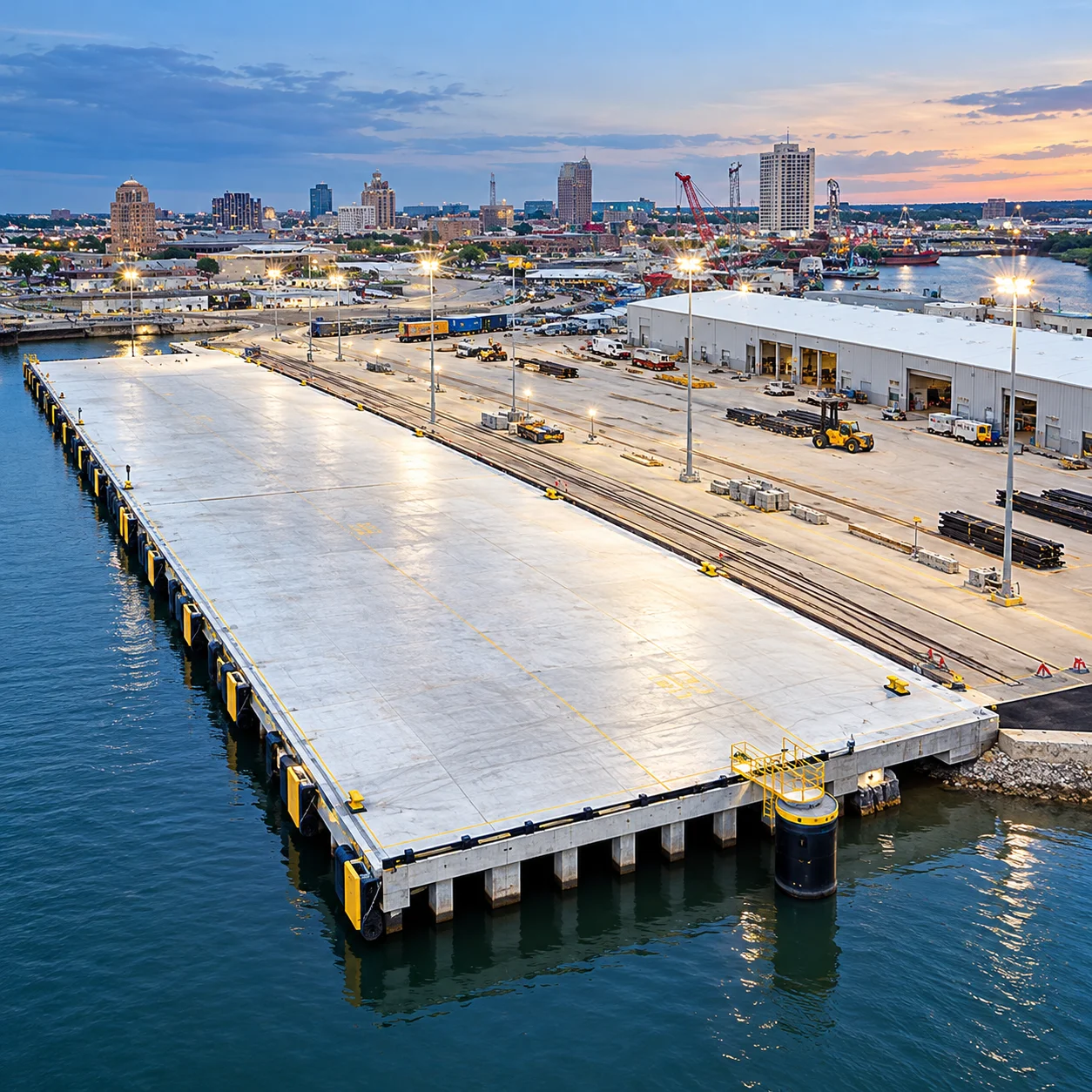
Can be evaluated for compatible marine concrete applications, subject to the required exposure-specific durability and reinforcement testing.
Appropriate Cellulose Fiber incorporation may contribute to four important aspects of concrete performance.
Helps limit shrinkage-related crack formation and development in properly designed and cured concrete.
Reduced connected cracking may help limit preferential water ingress pathways where the effect is confirmed by testing.
Fiber reinforcement may contribute to resistance against localized cracking under impact or repeated loading.
Crack control may contribute to durability strategies for concrete exposed to moisture and environmental stresses.
| Property | Specification |
|---|---|
| Specific Gravity / Density | 1.0–1.2 |
| Fiber Length | ≥2 mm |
| Equivalent Diameter | 15–25 μm |
| Breaking Strength | ≥600 MPa |
| Initial Modulus | ≥7 GPa |
| Elongation at Break | 5–20% |
| Specific Surface Area | 20,000–30,000 |
| Hydrophilicity | Good |
| Acid & Alkali Resistance | ≥95% |
| Safety Description | Non-toxic and Odorless |
Proper proportioning and uniform fiber dispersion are essential for consistent concrete performance.
Determine the fiber content according to applicable national or industry standards, the concrete mix design and specific project requirements.
Trial mixing should be carried out to evaluate workability, dispersion and target performance before production.
The supplied product brochure does not specify a fixed dosage range.
Step 01 — Add Aggregates
Introduce the required aggregates into the concrete mixer.
Step 02 — Add Cellulose Fiber
Add the specified quantity of Cellulose Fiber to the aggregates.
Step 03 — Add Water
Introduce the initial mixing water.
Step 04 — Add Cement
Add the required cement according to the mix design.
Step 05 — Mix
Mix the materials to promote fiber distribution.
Step 06 — Add Remaining Water
Add the remaining mixing water and continue mixing until the fibers are uniformly dispersed.
Aggregates → Cellulose Fiber → Water → Cement → Mixing → Remaining Water → Uniform Dispersion
Cellulose Fiber is primarily used for distributed micro-reinforcement and early-age crack control. It can be evaluated in industrial floors, pavements, ready-mix concrete and suitable precast applications.
Cellulose Fiber is plant-derived and hydrophilic, while PP Fiber is synthetic and hydrophobic. Their moisture interaction, physical properties and long-term behavior differ, so selection should follow concrete testing and project requirements.
The required dosage depends on the concrete formulation and performance targets. The supplied brochure does not provide a fixed dosage range, so trial mixing is recommended.
Yes, it may influence mixture consistency and water demand. The effect depends on fiber content, surface characteristics, dispersion and the complete concrete formulation.
The specified addition sequence is aggregates, Cellulose Fiber, water and cement, followed by mixing and addition of the remaining water until uniform dispersion is achieved.
Cellulose Fiber is intended primarily for distributed crack control. It should not replace structural steel reinforcement unless the substitution is supported by an approved engineering design and relevant testing.
Fiber reinforcement may contribute to crack control, but improvements in water penetration resistance or freeze–thaw durability are not guaranteed. These properties require dedicated testing.
Yes, it can be evaluated for both systems. Ready-mix applications require workability and batching assessment, while precast applications also require verification of casting, compaction and surface quality.
POLYVIA supplies processed Cellulose Fiber for concrete reinforcement and crack-control applications. Share your concrete application, estimated quantity, performance requirements and delivery destination with our team for product information and quotation assistance.
POLYVIA Cellulose Fiber is a processed plant-based reinforcement material designed for concrete crack control and distributed micro-reinforcement. Explore technical specifications, applications, mixing instructions and packaging options.