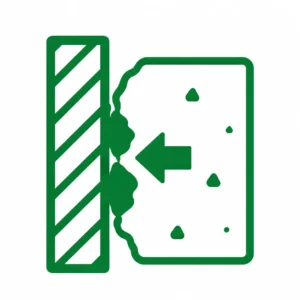
Excessive Concrete Adhesion
Concrete-to-formwork adhesion can increase stripping force and raise the risk of damaged edges, corners and finished concrete surfaces.

POLYVIA™ Concrete Mold Release Agent is a water-based release technology engineered to form a thin, uniform film at the concrete–formwork interface.
By controlling adhesion between fresh concrete and mold surfaces, it supports reliable demolding, consistent surface appearance and efficient mold reuse across precast, prestressed and other concrete production systems.
Water-Based · Thin-Film Application · Precast & Prestressed

A concrete mold release agent is a surface-applied material used to create a controlled separation layer between concrete and formwork.
POLYVIA™ water-based release technology forms a thin, uniform film that helps reduce concrete-to-formwork adhesion, support clean demolding and maintain consistent concrete surface quality.
Concrete demolding and surface quality depend on effective control of the concrete–formwork interface. Four common factors can affect release performance and production consistency.
Concrete-to-formwork adhesion can increase stripping force and raise the risk of damaged edges, corners and finished concrete surfaces.

Uneven spraying, runs or local film buildup can cause inconsistent release behavior and variations in finished concrete surface appearance.
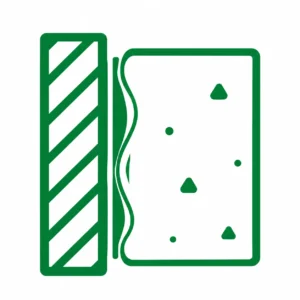
Uneven spraying, runs or excessive local build-up can cause inconsistent release behavior and variations in finished concrete appearance.

Concrete buildup and excess release-agent residue can increase mold cleaning requirements and disrupt repeated precast production cycles.
Interface Principle: Reliable demolding and consistent concrete surface quality depend on controlling the concrete–formwork interface—not simply increasing release-agent dosage.
From Fine Application to Controlled Concrete–Formwork Separation
The water-based release agent spreads across the prepared formwork, creating a consistent distribution of release-active components.

As the applied layer stabilizes on the formwork, a thin and continuous release film develops across the mold surface.
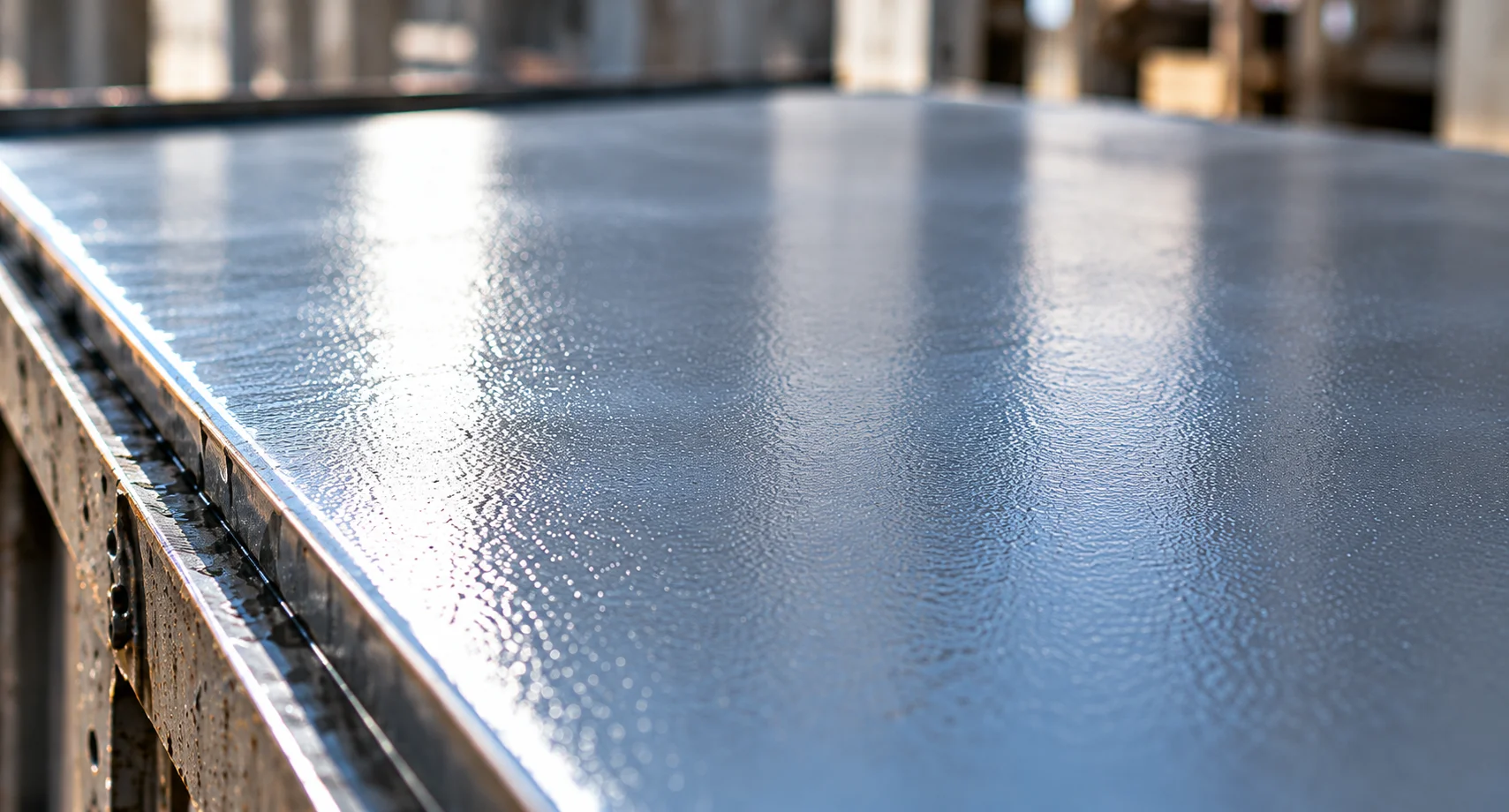
The release film reduces direct concrete-to-formwork adhesion while maintaining a controlled interface during concrete placement and consolidation.
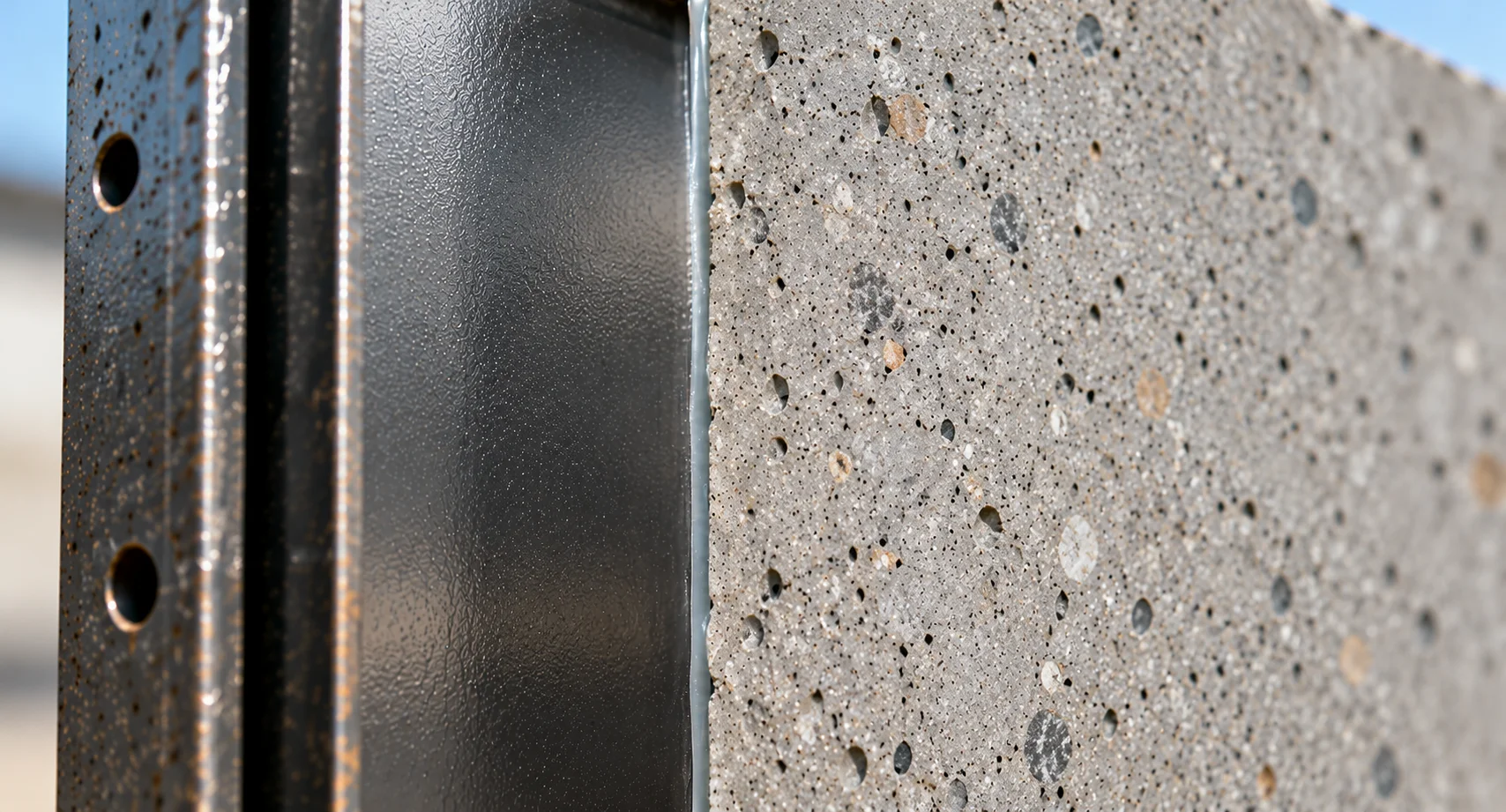
Once sufficient concrete strength is achieved, the controlled interface supports easier stripping with reduced adhesion and risk of surface damage.
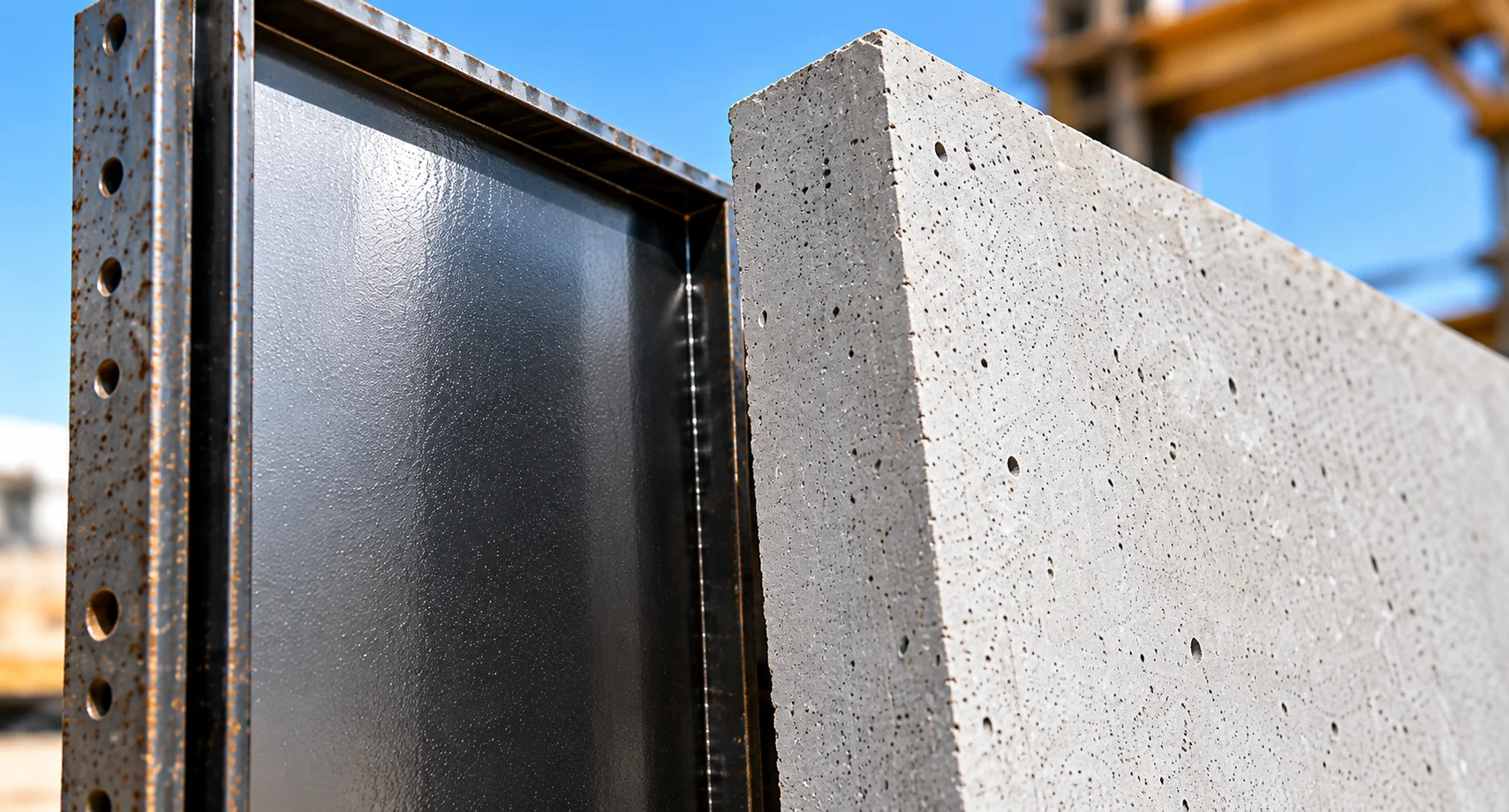
POLYVIA™ Concrete Mold Release Agent is designed for precast concrete production, reusable formwork and molded concrete systems where controlled release, consistent film coverage and concrete surface quality are important.
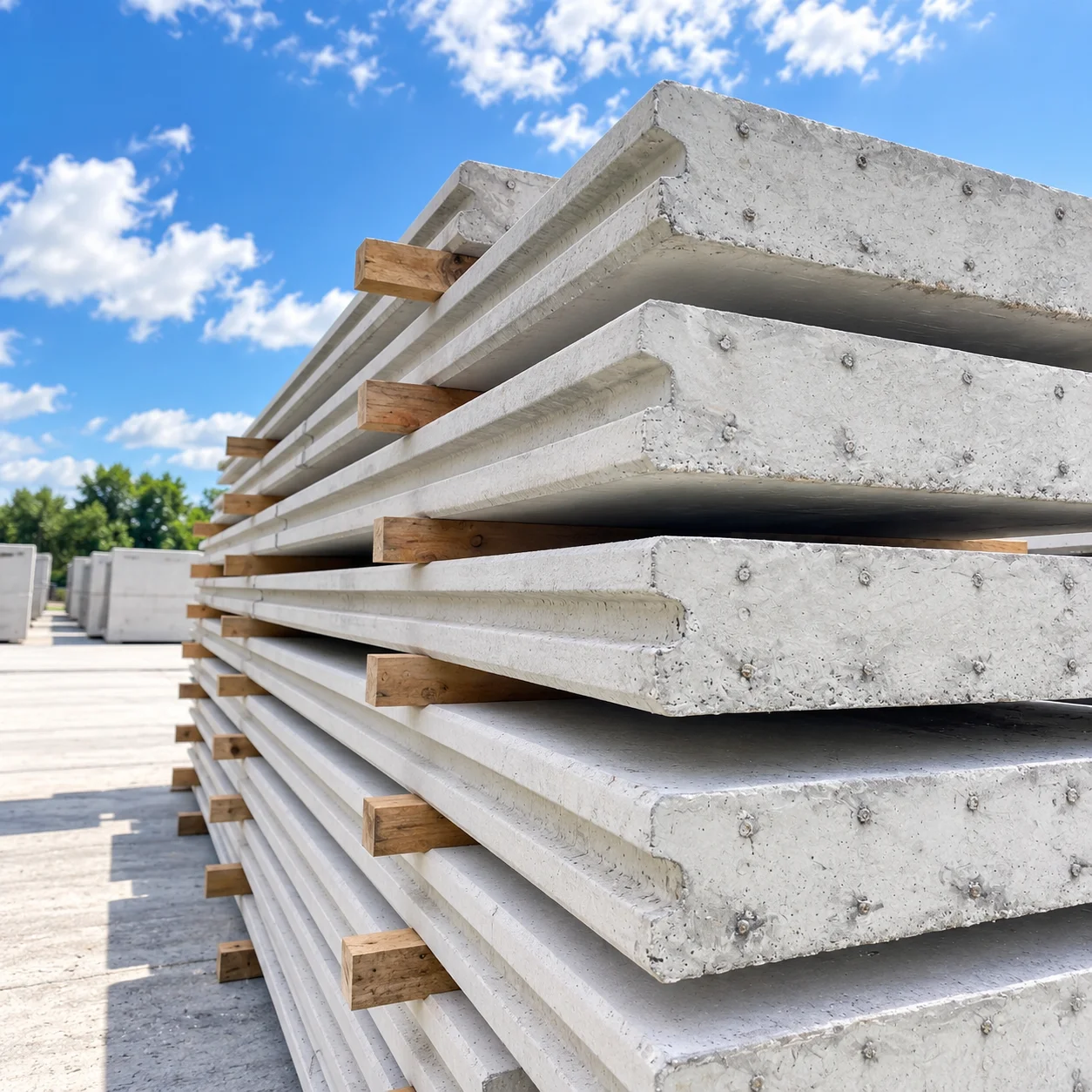
Promotes clean demolding and consistent surface quality in precast concrete wall panels produced with reusable steel or coated formwork.
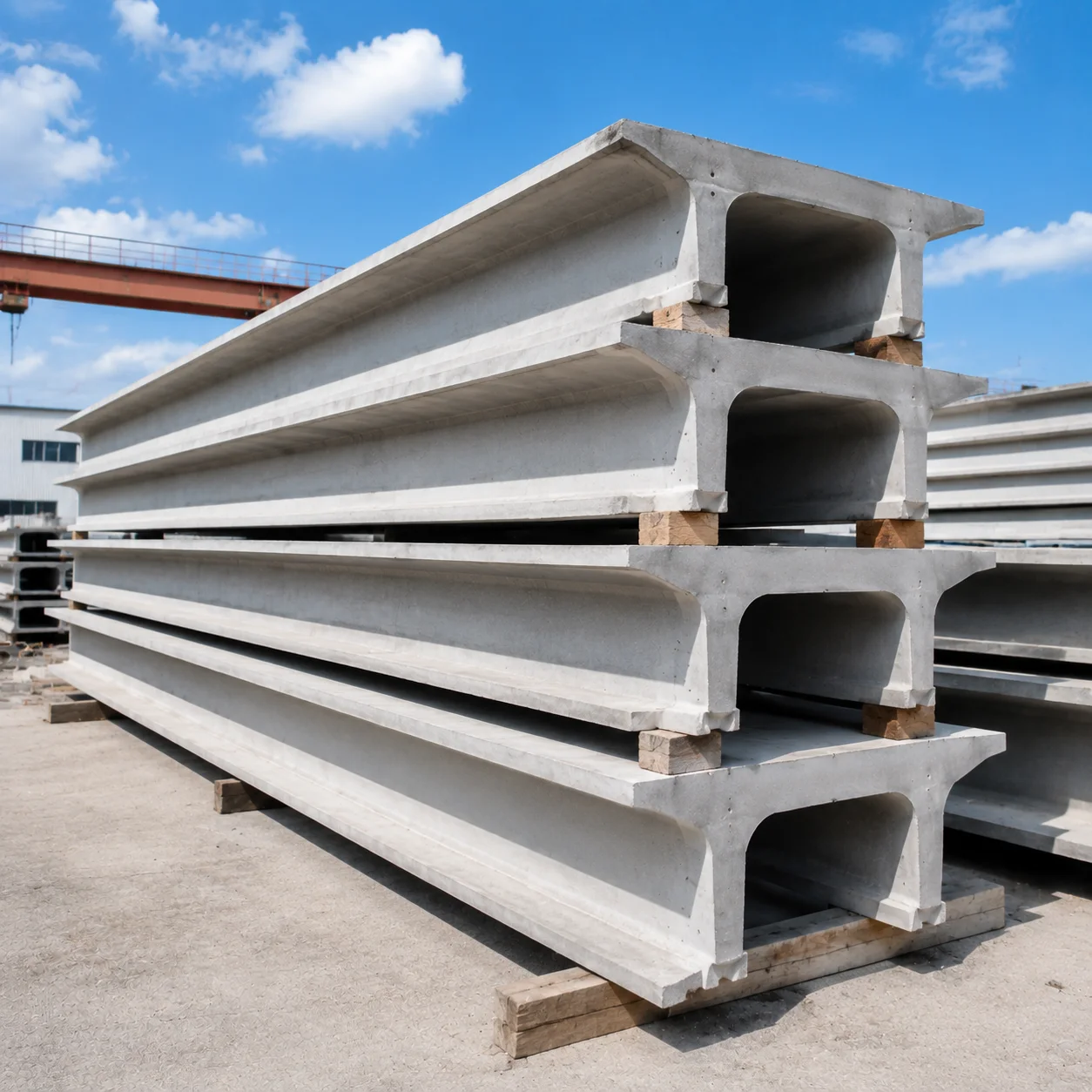
Facilitates efficient demolding in prestressed and precast concrete production where mold reuse, production efficiency and surface consistency are important.
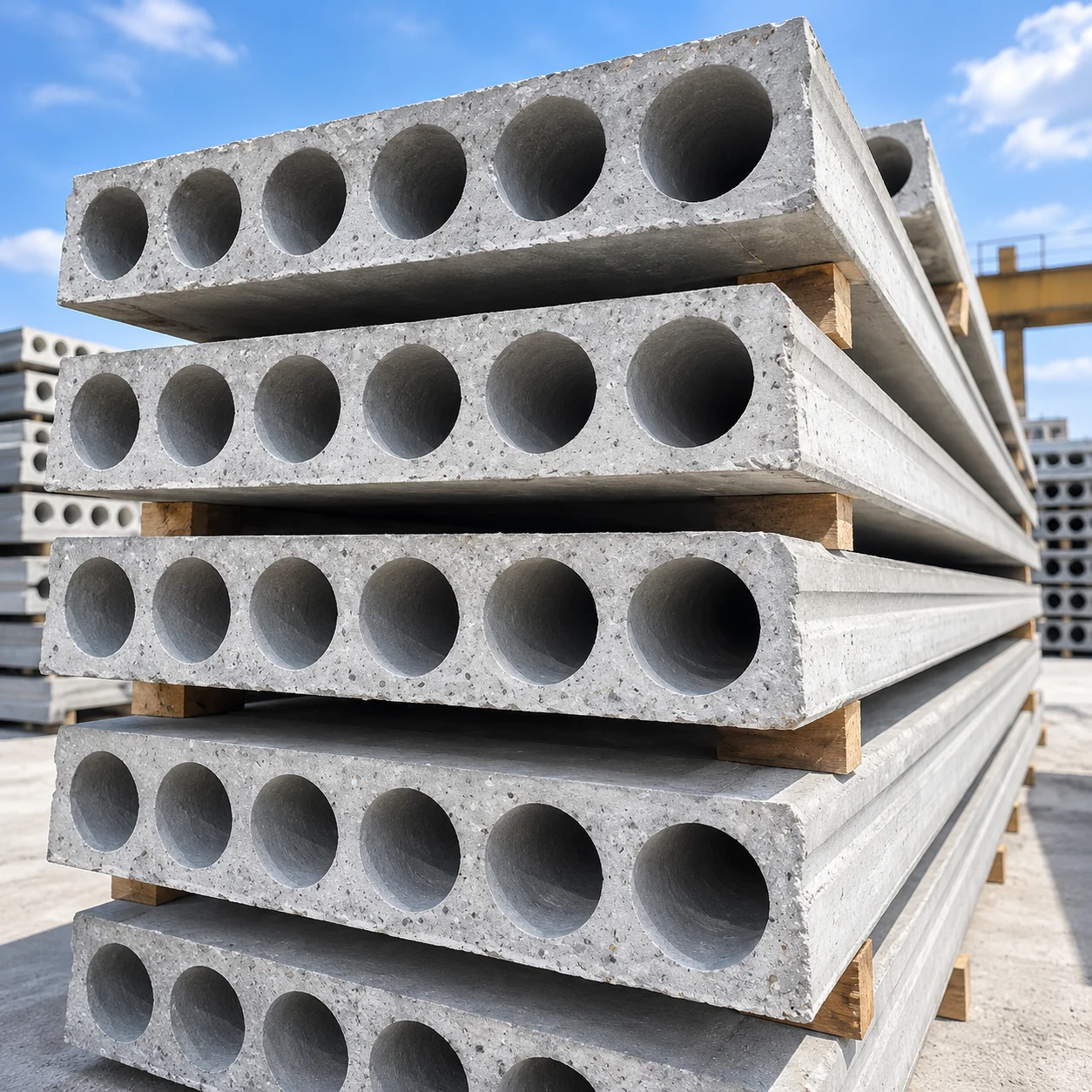
Enables controlled release of precast beams, columns and structural concrete components across repetitive factory production cycles.
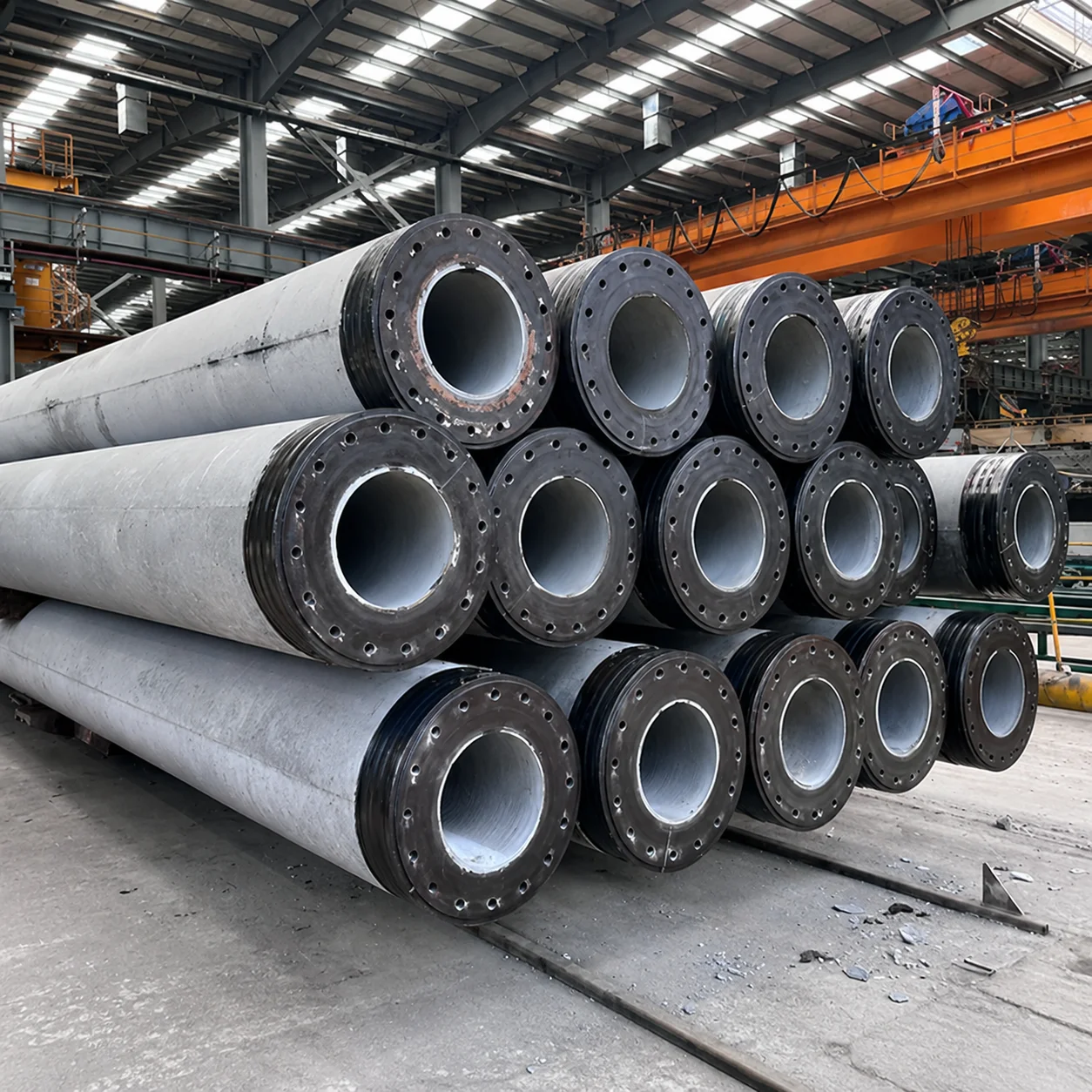
Suitable for concrete pipes, drainage components and utility precast products requiring reliable mold separation and repeatable surface quality.
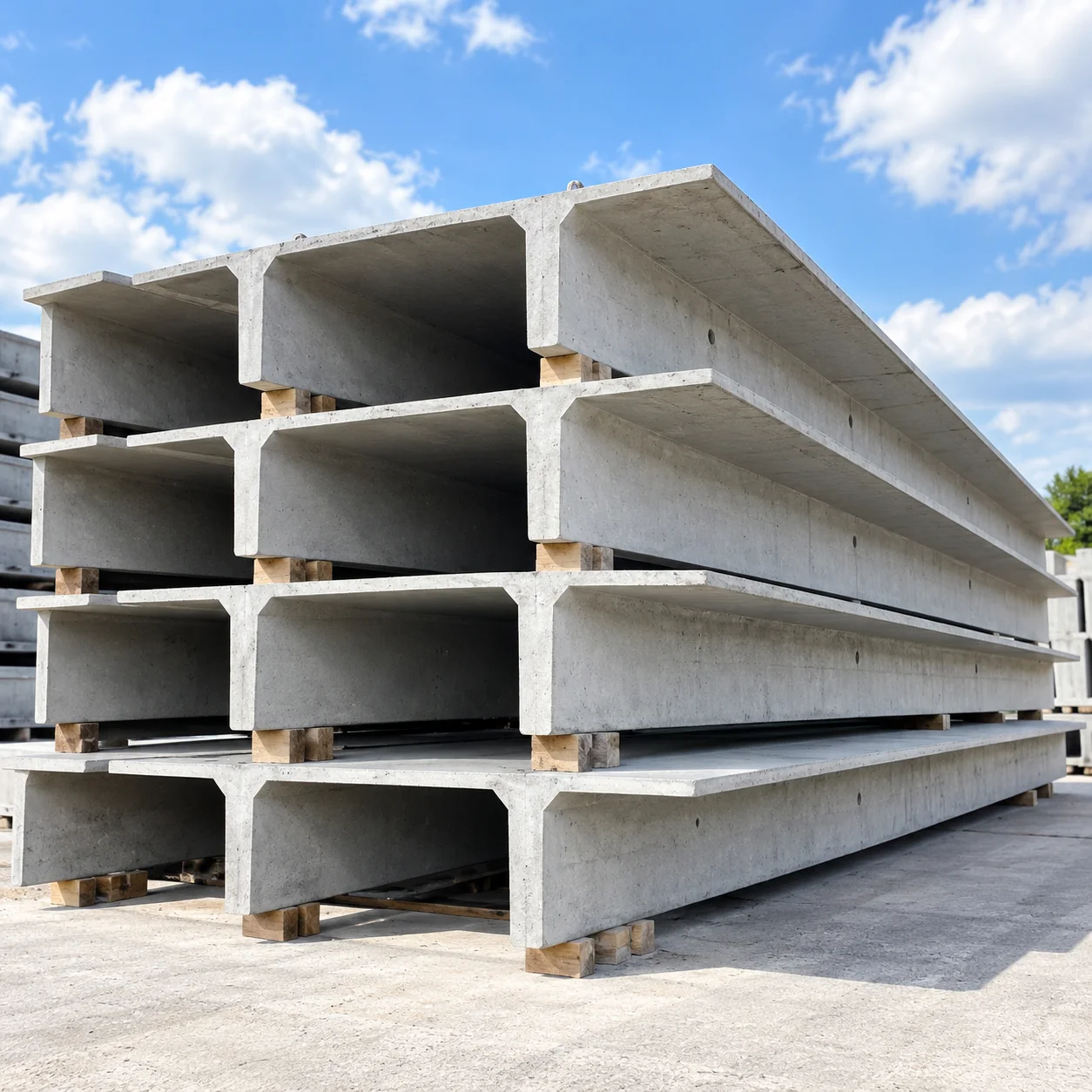
Helps maintain clean edges and controlled surface appearance on architectural precast panels, façade elements and decorative concrete components.

Delivers uniform release-film coverage for precast slabs, floor elements and flat concrete components manufactured in reusable mold systems.

Helps achieve clean release and consistent visible surfaces in fair-faced and exposed concrete where final appearance is a key requirement.
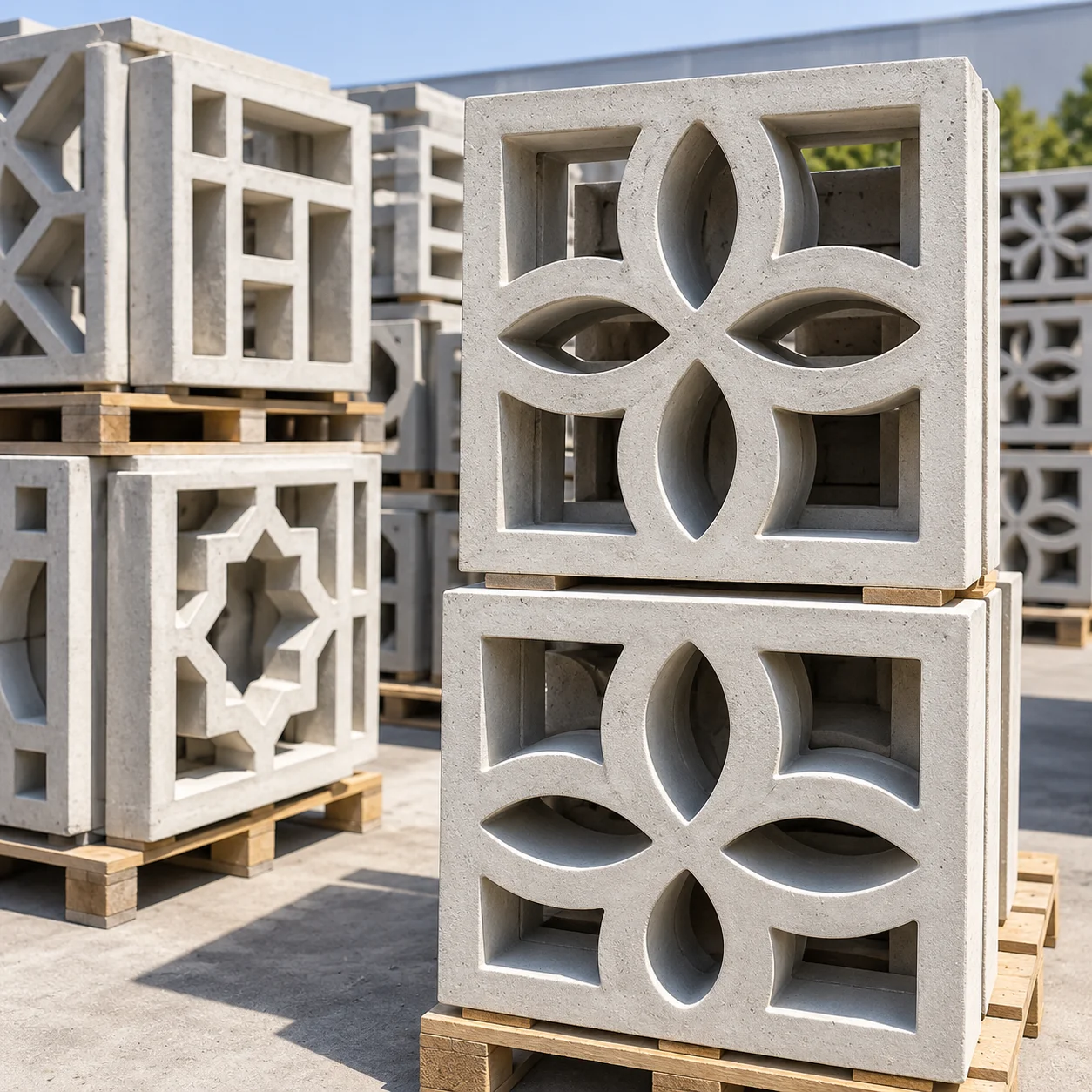
Facilitates demolding of detailed, textured and complex concrete elements where mold geometry makes clean release and surface integrity more demanding.
Correct application is essential for reliable demolding and consistent concrete surface quality. The objective is to create a thin, continuous and uniform release film across the mold surface while avoiding excessive product accumulation.

Remove concrete residue, dust, standing water and contamination. Keep the mold clean and reasonably dry to support uniform wetting and continuous release-film formation.

Dilute 1 part concentrate with 12–15 parts clean water and mix thoroughly until uniform. Adjust within this range according to mold condition and production requirements.

Apply evenly by fine spray, roller or brush, ensuring complete mold coverage with a thin, continuous film without leaving untreated areas or excessive material.

Remove or redistribute visible puddles, runs or local build-up. Excessive application may leave residue, cause staining or contribute to inconsistent concrete surface appearance.

Allow approximately 20–30 minutes* for the applied film to stabilize before casting. Actual time varies with film quantity, temperature, humidity, airflow and production conditions.
Cast and consolidate concrete normally, then demold at the appropriate stripping condition. Evaluate release behavior, surface quality, mold cleanliness and consumption after production.
Application Note: 20–30 minutes is an initial application reference, not a fixed specification. Confirm the actual waiting time under production conditions.
| Property | Typical Value |
|---|---|
| Product Type | Water-Based Concrete Mold Release Agent Concentrate |
| Appearance | Milky White Liquid |
| Viscosity, cps | 10-15 |
| pH Value, @ 5% diluent | 7-8 |
| Recommended Dilution Ratio | 1:12–1:15 |
| Application | Fine Spray / Roller / Brush |
Mold release performance depends on more than the carrier system. Formulation chemistry, mold material, application rate, concrete surface requirements and production conditions all influence the final result. Water-based and oil-based technologies therefore serve different production needs rather than representing a simple better-or-worse choice.
| Selection Factor | Water-Based Release Agent | Conventional Oil-Based Release Agent |
|---|---|---|
| Carrier System | Water-based emulsion or dispersion | Mineral oil or other oil-based carrier system |
| Film Formation | Forms a controlled release film as the water phase stabilizes or evaporates | Forms an oil-based release film directly on the mold surface |
| Application Control | Requires thin, uniform coverage with controlled application | TAlso requires uniform coverage; excessive application may leave residual film |
| Drying / Stabilization | May require a defined stabilization period before concrete placement | Generally less dependent on water evaporation; requirements vary by formulation |
| Formwork Compatibility | Compatibility depends on mold material, surface condition and film wetting | Compatibility depends on mold material, surface condition and formulation chemistry |
| Surface Finish | Suitable grades can support clean, consistent exposed concrete surfaces | Suitable formulations can also achieve high-quality concrete surface finishes |
| Mold Cleaning | May support cleaner handling with less oily residue, depending on formulation and dosage | Residue and cleaning requirements depend on formulation and application rate |
| Post-Treatment | Compatibility should be confirmed before painting, coating or bonding | Residual film should be evaluated before subsequent surface treatment |
| Production Conditions | Consider temperature, humidity, stabilization time and production cycle | Consider temperature, film persistence, mold condition and production cycle |
| Selection Basis | Select according to mold, surface finish, application process and production conditions | Select according to mold, surface finish, application process and production conditions |
Neither water-based nor oil-based release technology is universally superior. The appropriate system should be selected according to formwork material, required concrete finish, application method, production environment, cycle time and subsequent surface-treatment requirements.
Water-based mold release performance can vary with formwork material, surface condition, porosity and surface texture. Application method, dilution and film coverage should therefore be adjusted to the actual mold system and required concrete finish.
Smooth, non-absorbent surfaces require thin and uniform film coverage. Avoid excessive application that may cause residue, surface variation or release-film buildup during repeated production.
Surface energy and coating condition can affect wetting and film distribution. Confirm compatibility and application rate before continuous production, particularly with specialized resins or surface coatings.
Porous or absorbent surfaces can influence release-agent consumption and film uniformity. Application should consider timber condition, surface treatment and previous mold use.
Flexible mold surfaces may respond differently to release-agent chemistry. Verify material compatibility, film formation and surface appearance before routine production.
Detailed textures and recessed areas require controlled, uniform coverage to facilitate demolding while minimizing excess release agent in grooves and surface details.
Corners, deep profiles and intricate shapes can make film distribution more difficult. Apply a thin, continuous release layer across critical contact areas to promote clean separation.
Compatibility Note: Always verify the release agent on the actual formwork material, surface treatment and concrete system before full-scale production. Application rate and dilution may require adjustment according to mold condition and required surface finish.

Key specifications and technical information.
Download ↓
Handling, storage and safety information.
Download ↓
Practical guidance for product use and application.
Download ↓
Batch-specific quality and specification results.
Download ↓Water-based concrete mold release agent is a surface-applied product designed to establish a controlled release layer between concrete and formwork, reducing adhesion during demolding while supporting concrete surface quality and mold reuse.
The release agent forms a thin film on the mold surface before concrete placement. This layer controls direct interaction between concrete and formwork, reducing excessive adhesion and allowing cleaner separation after the concrete reaches sufficient stripping strength.
Water-based release agents use a water-based delivery system, while conventional oil-based products rely primarily on oil or solvent-based carriers.
Actual release behavior, drying characteristics, formwork compatibility and surface performance depend on the specific formulation rather than carrier type alone.
Yes, suitable water-based release agents can be used in steel-form precast production. Product compatibility, film behavior, mold condition, temperature and application rate should be evaluated before full-scale use.
POLYVIA™ Concrete Mold Release Agent is typically diluted at 1:12–1:15 (product : clean water) as an initial working range. Final dilution and application quantity should be confirmed according to mold material, surface condition and required concrete finish.
Yes. Excessive or uneven application may contribute to runs, local film build-up, increased consumption and inconsistent surface appearance.
Controlled thin-film application is therefore recommended.
A properly selected and applied release agent can support favorable interface conditions and surface quality.
However, bug holes are also influenced by concrete rheology, air content, mold geometry, placement and vibration. Release-agent optimization should therefore be considered as part of the complete production process.
Compatibility with paints, coatings, sealers or other surface treatments depends on the release-agent formulation, application rate and finishing system.
Where post-treatment is required, compatibility testing should be completed before production use.
Share your formwork material, concrete type, application method and current release issue. Our technical team can help evaluate the application conditions and recommend a practical starting approach for dilution, film control and application.