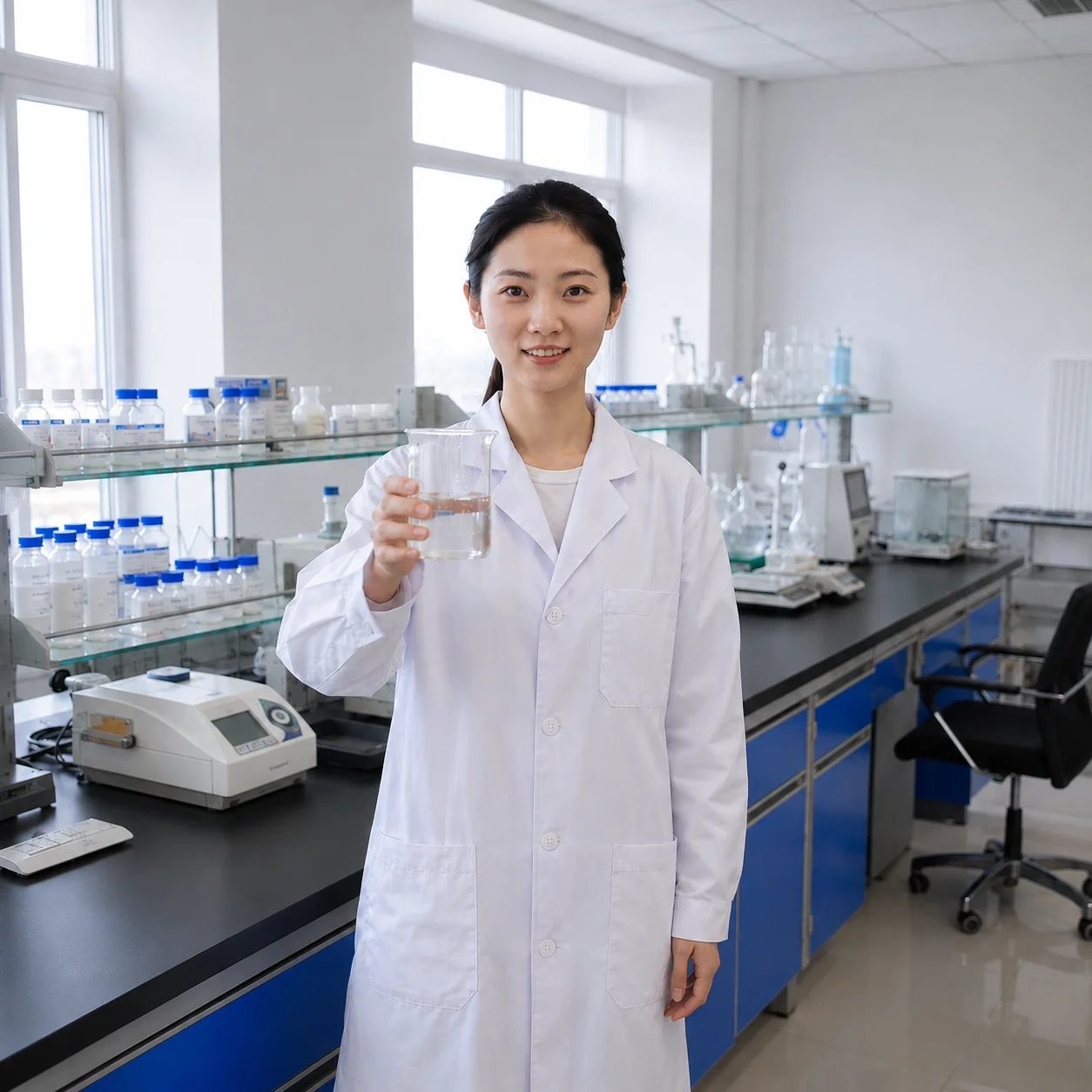
Dispersion & Dissolution
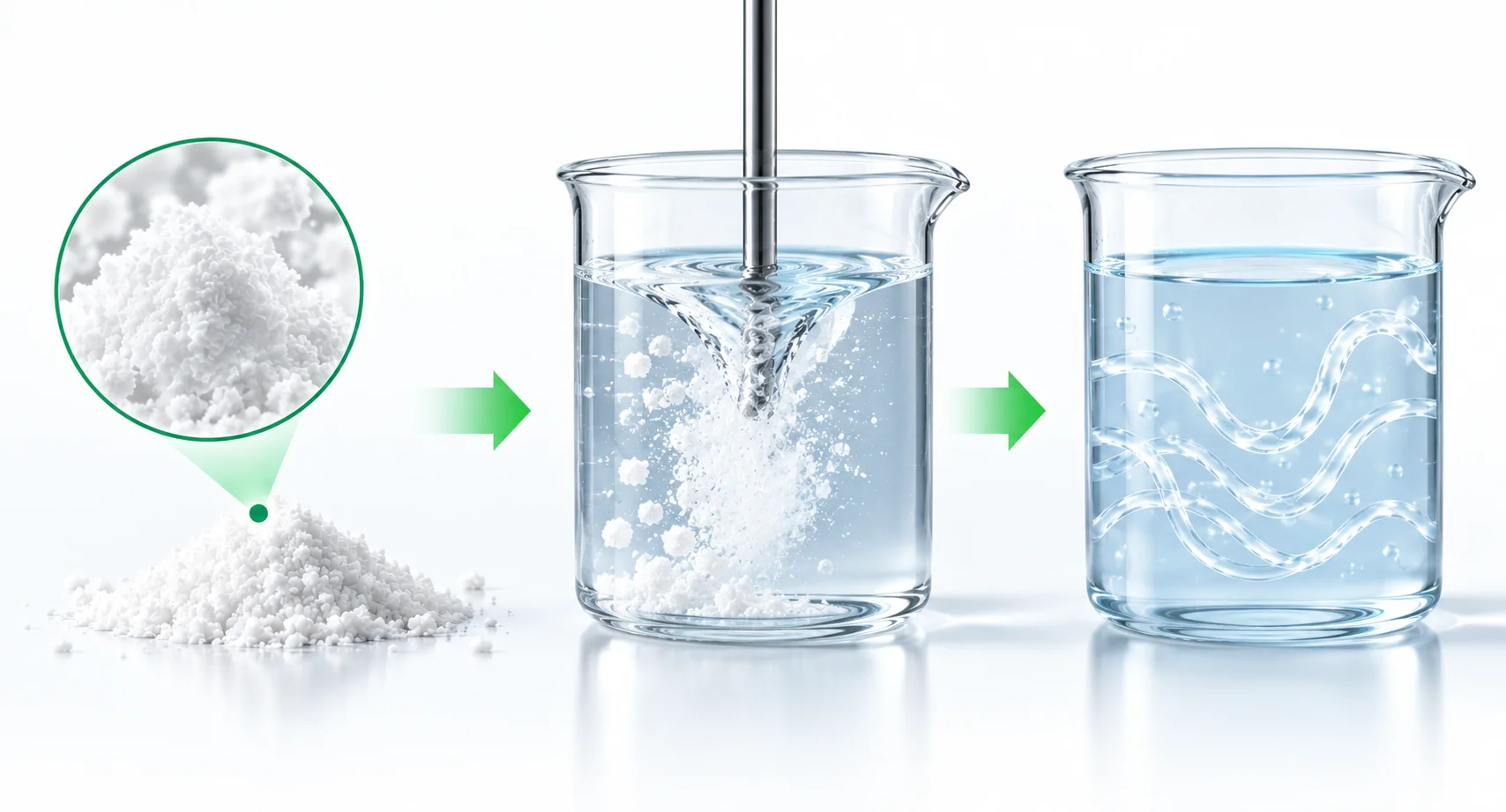
Under appropriate preparation conditions, PVA particles are dispersed, hydrated and dissolved in water to form a polymer solution.
Polyvinyl Alcohol (PVA) is a water-soluble synthetic polymer valued for its adhesion, film-forming and binding properties. It is widely used in dry-mix mortar, adhesives, coatings, paper, textiles, fertilizer and other industrial formulations.
Different PVA grades vary in viscosity, degree of hydrolysis and polymerization, allowing selection according to specific solubility, bonding, film-forming and processing requirements.

Polyvinyl Alcohol (PVA) is a water-soluble synthetic polymer valued for its adhesion, film-forming and binding properties. It is widely used in dry-mix mortar, adhesives, coatings, paper, textiles, fertilizer and other industrial formulations.
Different PVA grades vary in viscosity, degree of hydrolysis and polymerization, allowing selection according to specific solubility, bonding, film-forming and processing requirements.
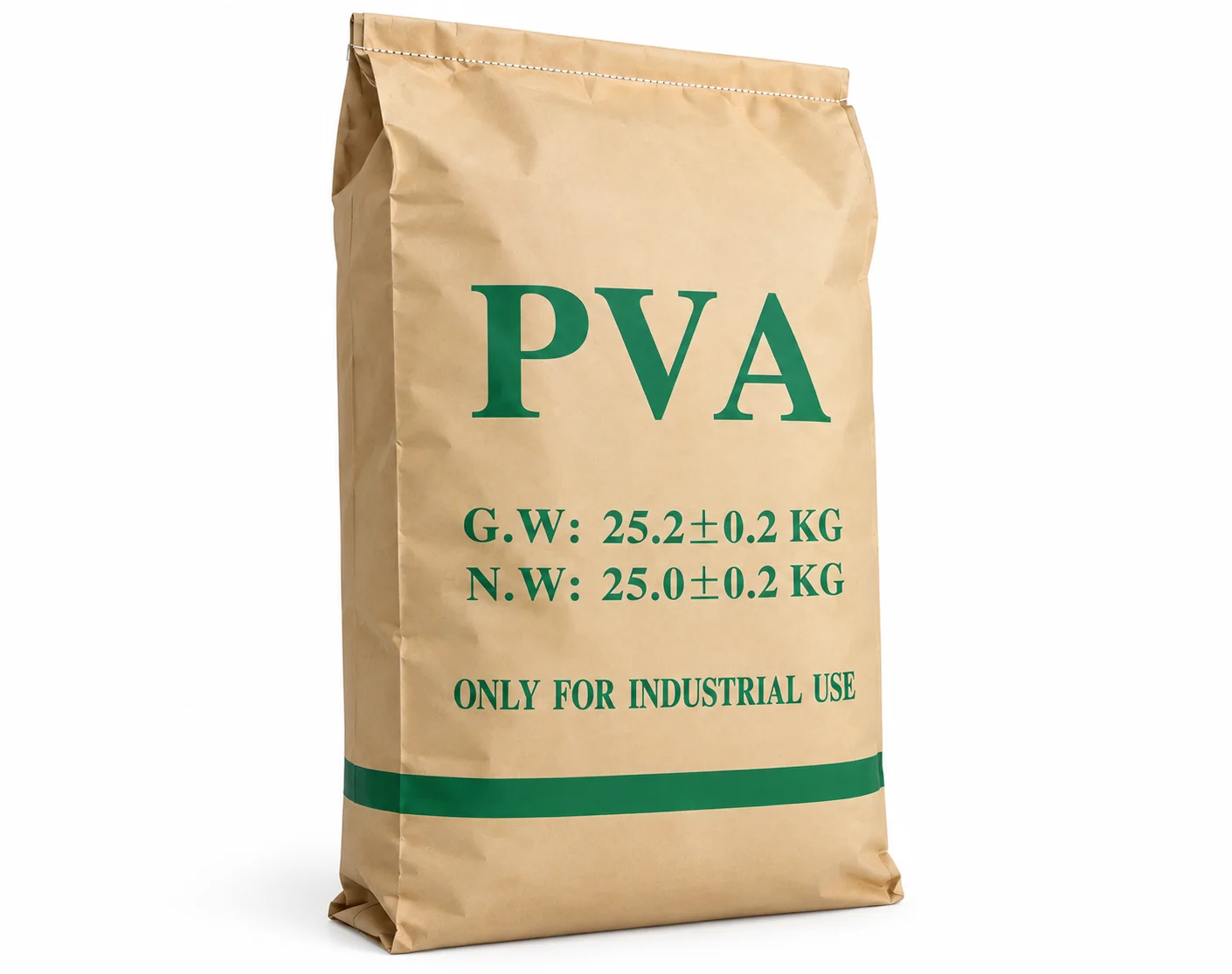
Select PVA by Hydrolysis Degree, Solution Viscosity and Application Requirements
PVA performance is strongly influenced by degree of hydrolysis and molecular weight, commonly represented by solution viscosity. Selecting the appropriate combination helps balance dissolution behavior, solution rheology, adhesion, film properties and processing performance.
| Grade | Hydrolysis Degree, mol% | Viscosity, mPa.s | Viscosity Direction | Grade Direction | Recommended Systems |
|---|---|---|---|---|---|
| PVA 2488 | 87.0–89.0 | 45.0–55.0 | High | High Viscosity· Partially Hydrolyzed | Dry-Mix Mortar · Wall Putty · Adhesives · Textile Sizing · Fertilizer Binder |
| PVA 1788 | 87.0–89.0 | 20.5–27.0 | Medium | Partially Hydrolyzed · Medium Viscosity | General Adhesives · Paper Processing · Textile Sizing |
| PVA 2688 | 87.0–89.0 | 60.0–70.0 | Higher | Partially Hydrolyzed · Higher Viscosity | High-Viscosity Adhesives · Construction Binders · Ceramic Binders |
| PVA 1799 | 98.0–99.0 | 22.0–33.0 | Medium | Fully Hydrolyzed · Medium Viscosity | Textile Sizing · Paper Processing · Specialty Adhesives |
| PVA 2499 | 98.0–99.0 | 65.0–76.0 | High | Fully Hydrolyzed · High Viscosity | High-Viscosity Adhesives · Paper & Coating Systems · Specialty Binders |
| PVA 2699 | 98.0–99.0 | 80.0–90.0 | Very High | Fully Hydrolyzed · Very High Viscosity | High-Viscosity Binder Systems · Ceramics · Specialty Industrial Formulations |
Start with four key parameters:
Application → Hydrolysis Degree → Required Solution Viscosity → Performance Target
POLYVIA can recommend an appropriate starting grade based on your formulation, processing conditions and required end-use performance. Laboratory evaluation is recommended before final grade selection.
The degree of hydrolysis is one of the fundamental parameters defining PVA behavior. It influences the balance of hydroxyl and residual acetate groups in the polymer and affects water interaction, dissolution behavior and end-use characteristics.
| Property | 88 Series PVA | 99 Series PVA |
|---|---|---|
| Typical Hydrolysis Level | 87–89 mol% | 98–99+ mol% |
| Classification | Partially Hydrolyzed | Fully / Highly Hydrolyzed |
| Polymer Character | Higher residual acetate content | Higher hydroxyl-group content |
| Low-Temperature Solubility | Generally more readily soluble at lower temperatures | Generally lower solubility at lower temperatures |
| Solution Preparation | Cold-water dispersion followed by grade-appropriate heating | Cold-water dispersion followed by controlled higher-temperature dissolution |
| Hydrogen Bonding | Lower intermolecular association relative to highly hydrolyzed PVA | Stronger intermolecular hydrogen bonding |
| Grade Family | 1788 · 2488 · 2688 | 1799 · 2499 · 2699 |
| Selection Basis | Hydrolysis · Viscosity · Processing · Formulation | Hydrolysis · Viscosity · Processing · Formulation |
As the degree of hydrolysis increases, PVA contains a higher proportion of hydroxyl groups and fewer residual acetate groups. This changes intermolecular interactions within the polymer and influences water solubility, dissolution conditions and film characteristics.
As a practical distinction, 88-series PVA is generally more readily soluble at lower temperatures, while 99-series PVA typically requires higher temperatures for complete dissolution. Actual solution preparation conditions remain grade-dependent.
Hydrolysis degree should not be considered alone. The appropriate PVA grade depends on the combined effects of hydrolysis degree, solution viscosity, molecular weight, concentration, particle size, dissolution conditions and the complete formulation.
For this reason, POLYVIA™ recommends selecting and validating PVA according to the actual formulation, processing conditions and required end-use performance, rather than relying on grade designation alone.
PVA Develops Its Function Through a Sequence of Hydration, Distribution and Film Formation
Under appropriate preparation conditions, PVA particles are dispersed, hydrated and dissolved in water to form a polymer solution.
The dissolved polymer chains distribute throughout the formulation and interact with surrounding components and suitable substrate surfaces.
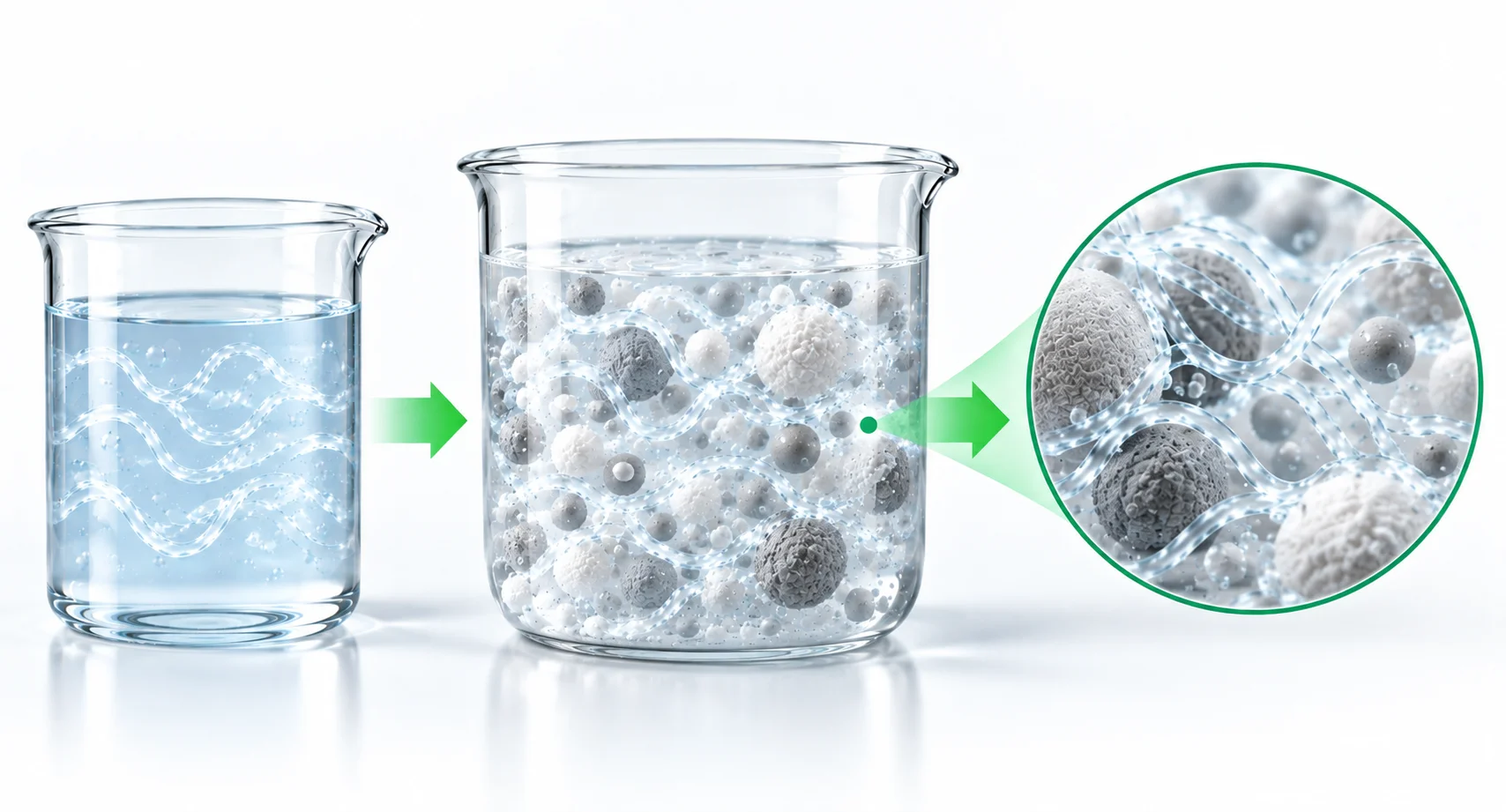
PVA contributes binding and cohesive properties that help connect particles, formulation components or suitable substrates.
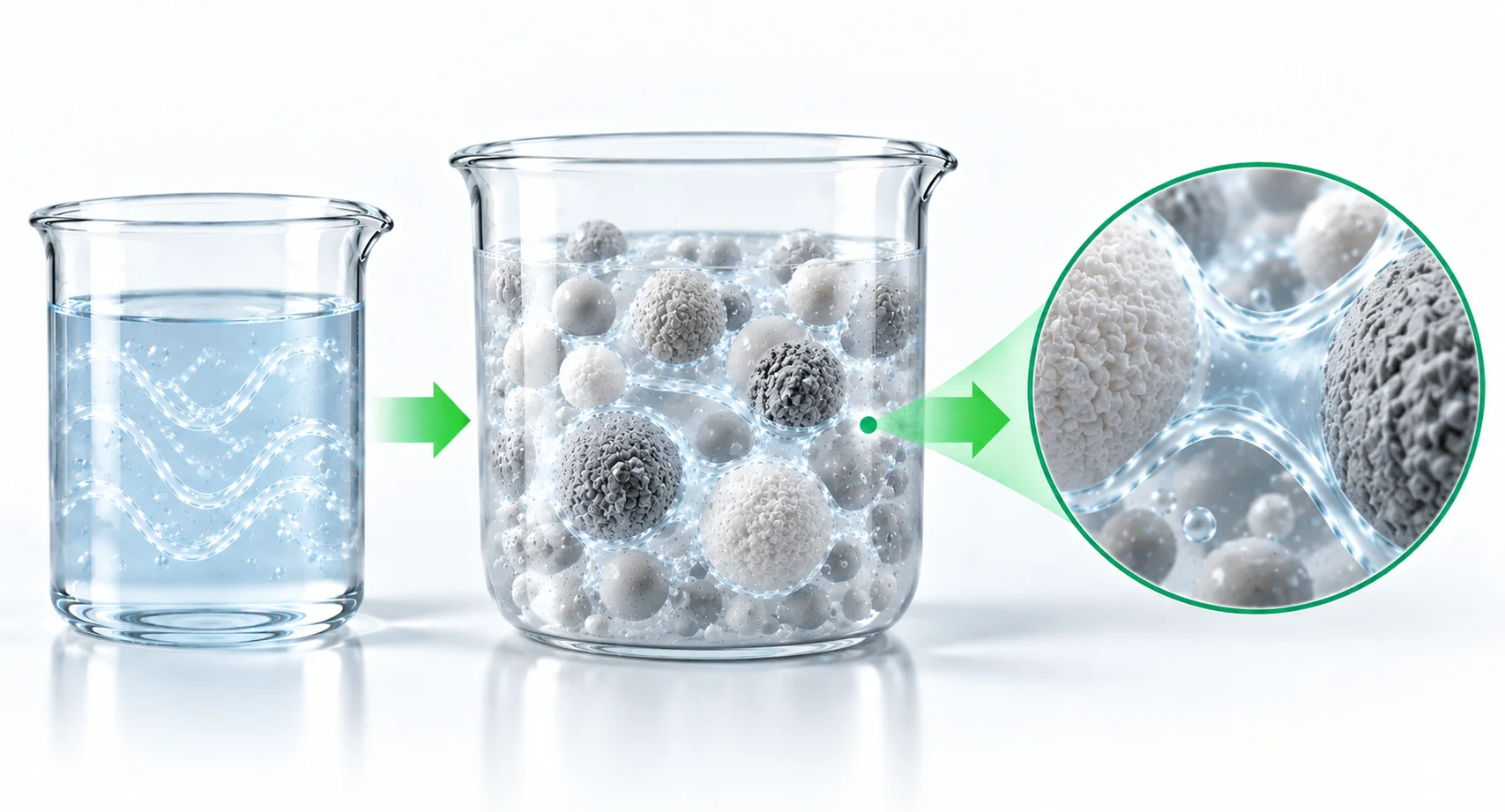
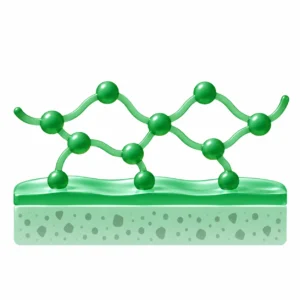
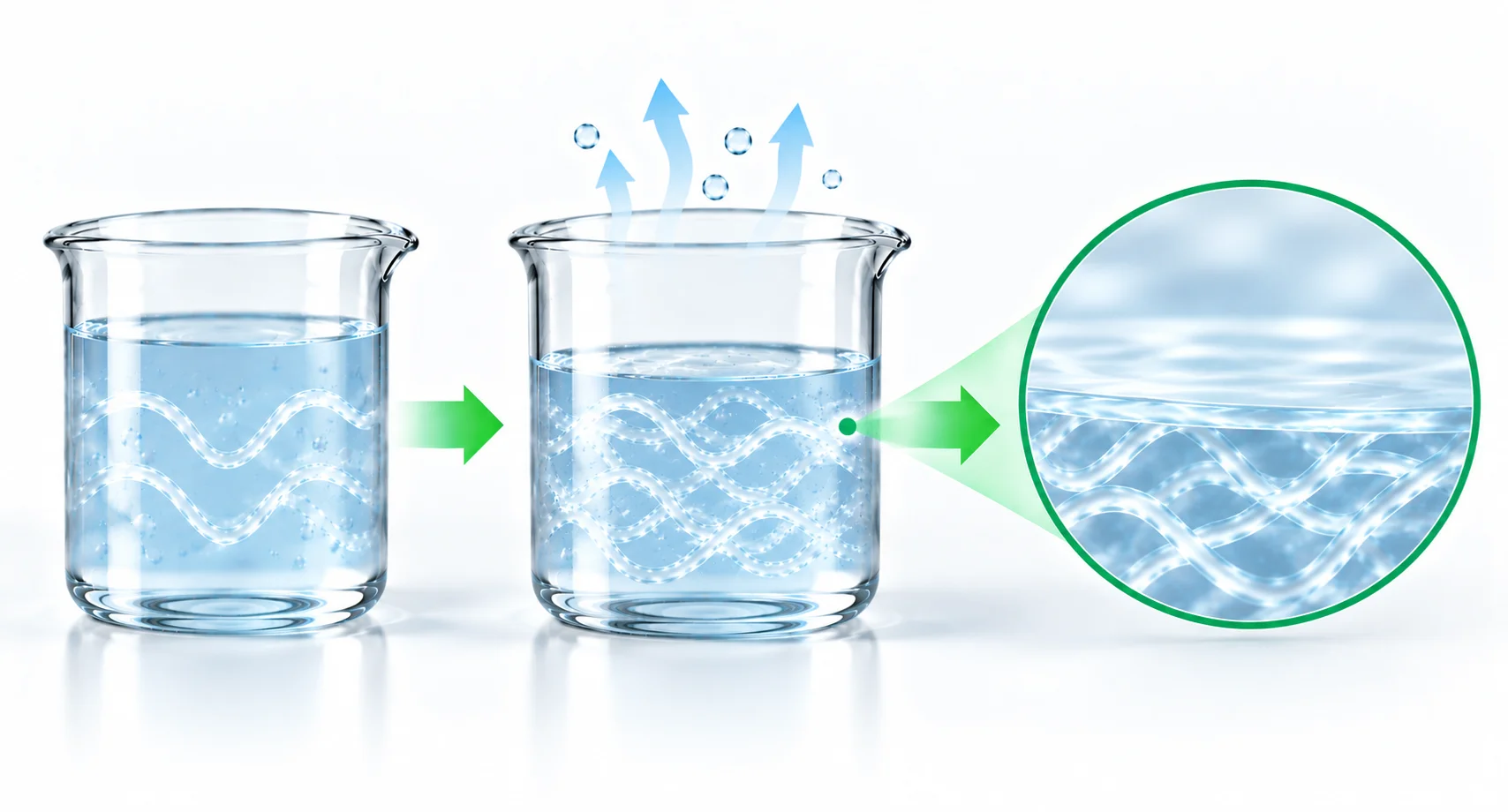
As water is removed, the polymer can form a continuous film or polymer phase, contributing to adhesion, film integrity and application-specific performance.
POLYVIA™ Polyvinyl Alcohol (PVA) is available in partially hydrolyzed and fully hydrolyzed grades across a range of solution viscosities. The specifications below provide a technical basis for grade comparison and preliminary formulation evaluation.
| Grade | Hydrolysis Degree (mol%) | Viscosity (mPa·s) | Volatile Matter (%) | Ash (%) | pH Value, 4% aqueous solution, 25℃ |
|---|---|---|---|---|---|
| PVA 1788 | 87.0–89.0 | 20.5–27.0 | ≤5.0 | ≤0.5 | 5.0–7.0 |
| PVA 2488 | 87.0–89.0 | 45.0–55.0 | ≤5.0 | ≤0.5 | 5.0–7.0 |
| PVA 2688 | 87.0–89.0 | 60.0–70.0 | ≤5.0 | ≤0.5 | 5.0–7.0 |
| PVA 1799 | 98.0–99.0 | 22.0–33.0 | ≤5.0 | ≤0.5 | 5.0–7.0 |
| PVA 2499 | 98.0–99.0 | 65.0–76.0 | ≤5.0 | ≤0.5 | 5.0–7.0 |
| PVA 2699 | 98.0–99.0 | 80.0–90.0 | ≤5.0 | ≤0.5 | 5.0–7.0 |
Viscosity measured on a 4% aqueous solution. Refer to the applicable POLYVIA™ TDS for complete test conditions and methods.
1788 / 2488 / 2688 represent the partially hydrolyzed series, with increasing solution-viscosity ranges.
1799 / 2499 / 2699 represent the fully hydrolyzed series, also progressing across different solution-viscosity ranges.
Degree of hydrolysis and solution viscosity should be evaluated together with solution concentration, dissolution conditions, processing requirements and target end-use performance when selecting a PVA grade.
POLYVIA™ Polyvinyl Alcohol (PVA) provides adhesion, binding, film formation and formulation functionality across construction materials, adhesives and selected industrial processes. Performance depends on PVA grade, concentration, dissolution conditions and the complete formulation system.
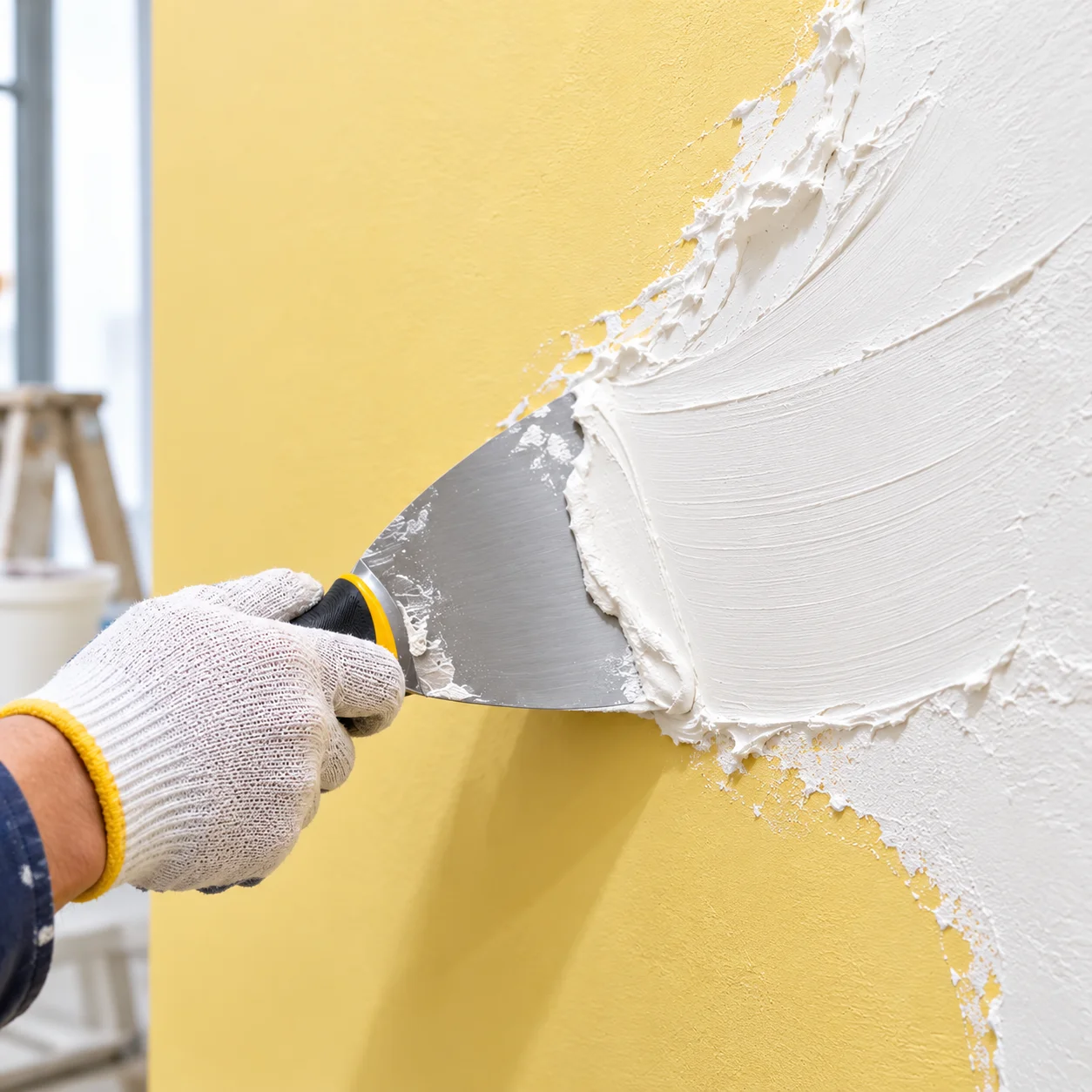
In wall putty and skim coat formulations, PVA can support binding, cohesion and adhesion within the dry-mix system, contributing to consistent formulation and application performance.
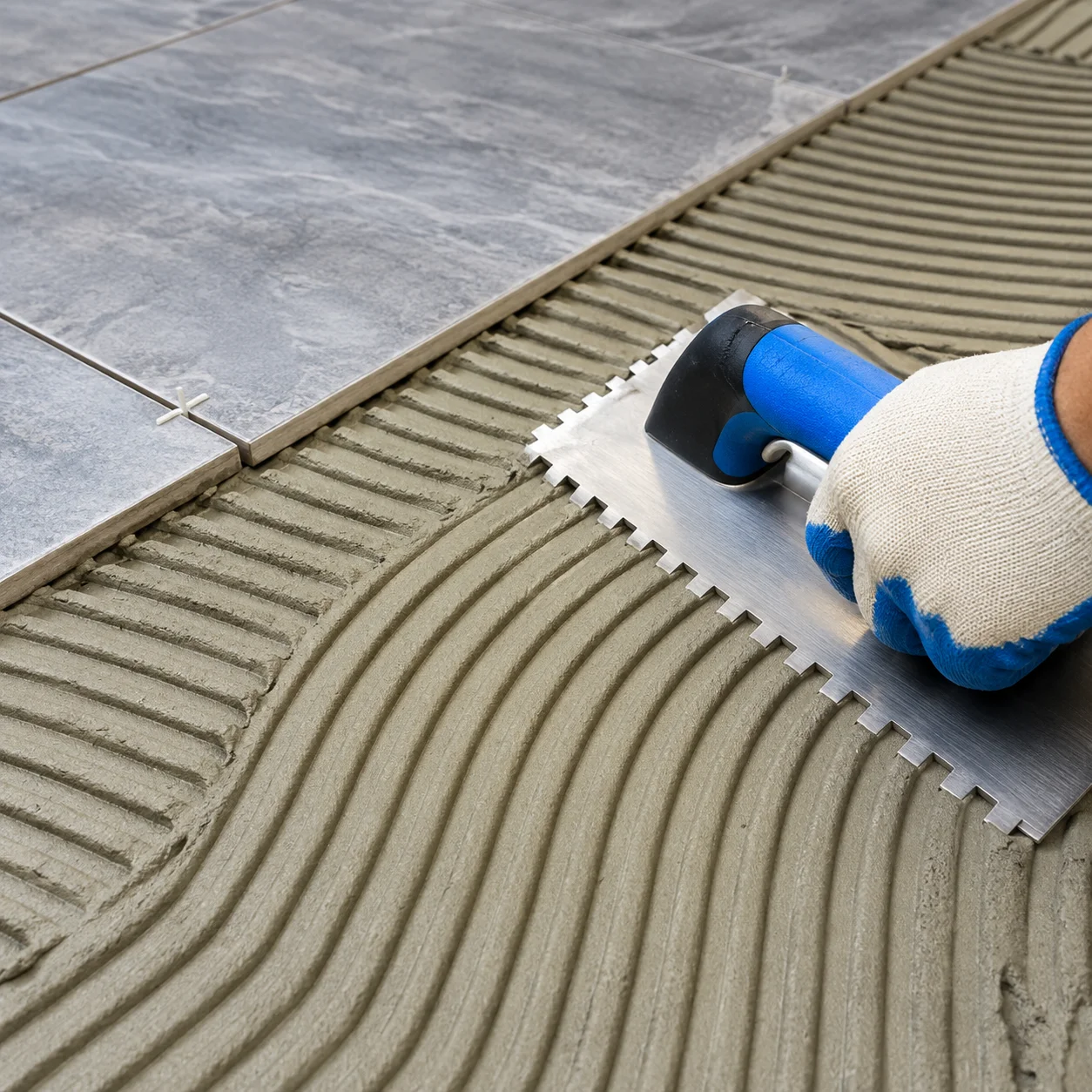
In tile adhesive formulations, PVA can contribute to polymeric bonding and cohesive performance within the mortar matrix, complementing cellulose ethers, polymer powders and other functional additives.
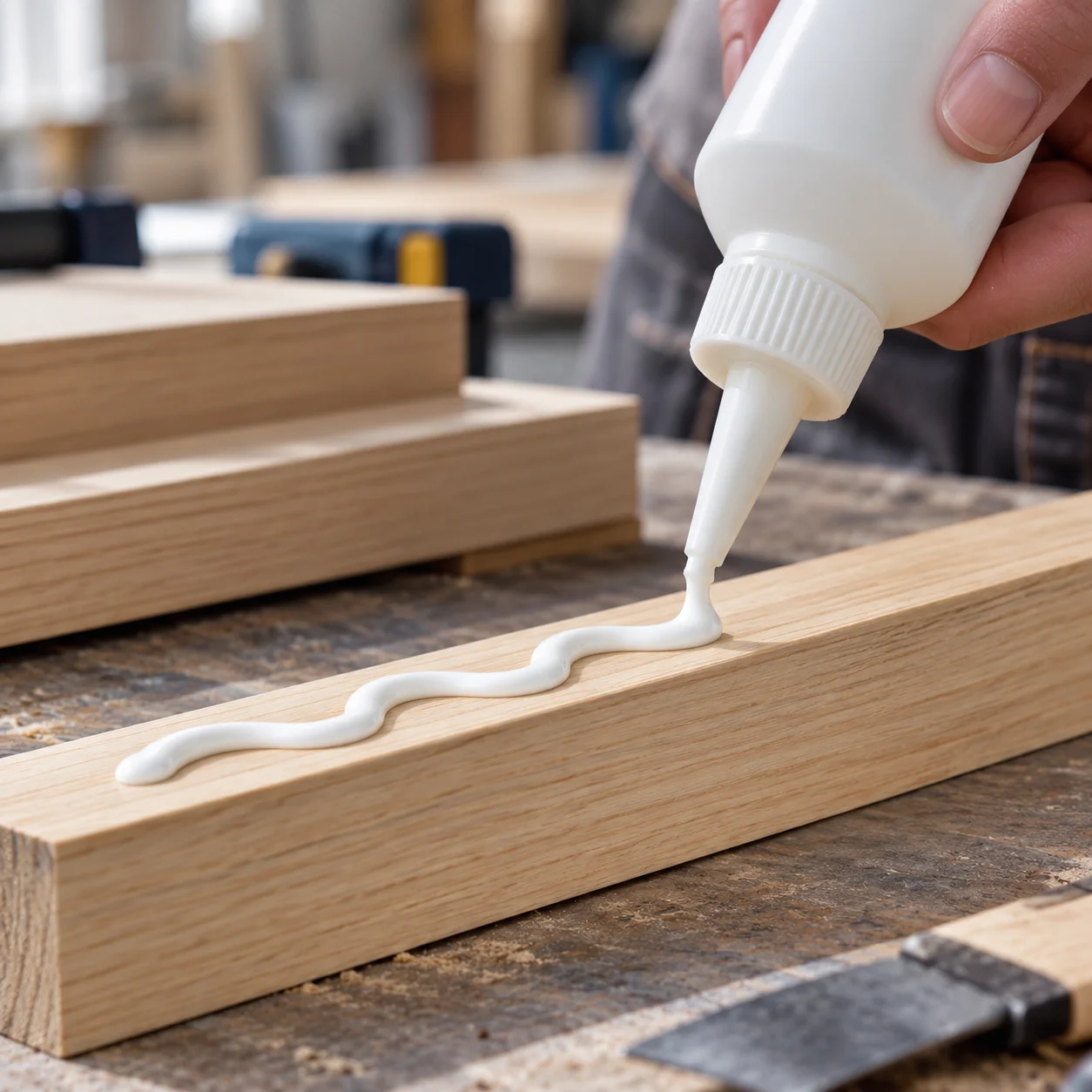
PVA is used as a water-soluble polymer for adhesive formulations, providing adhesion, binding and film-forming functionality across selected water-based adhesive systems.
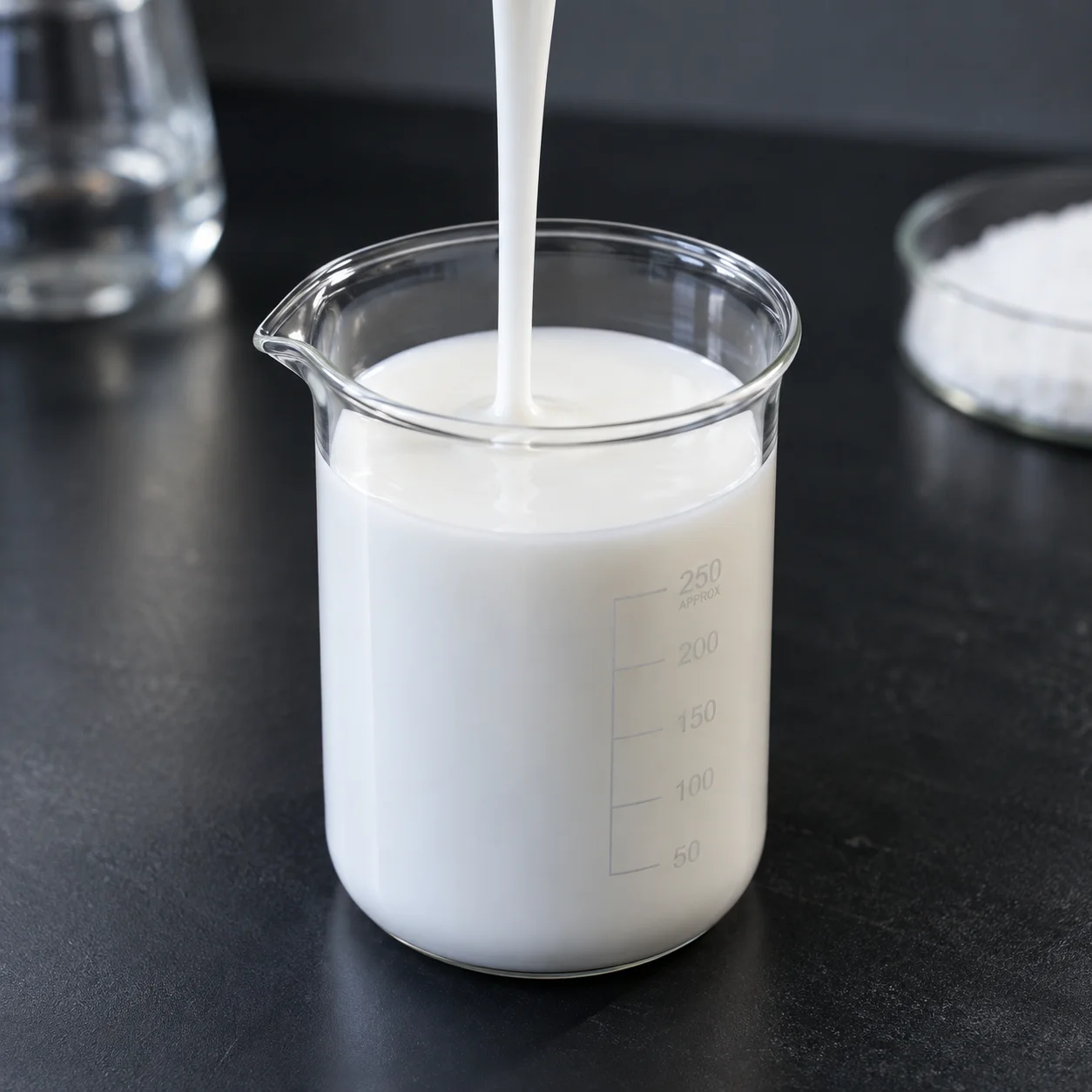
Selected PVA grades can function as protective colloids in emulsion polymerization, supporting dispersion stability, particle control and processing performance in suitable polymer systems.
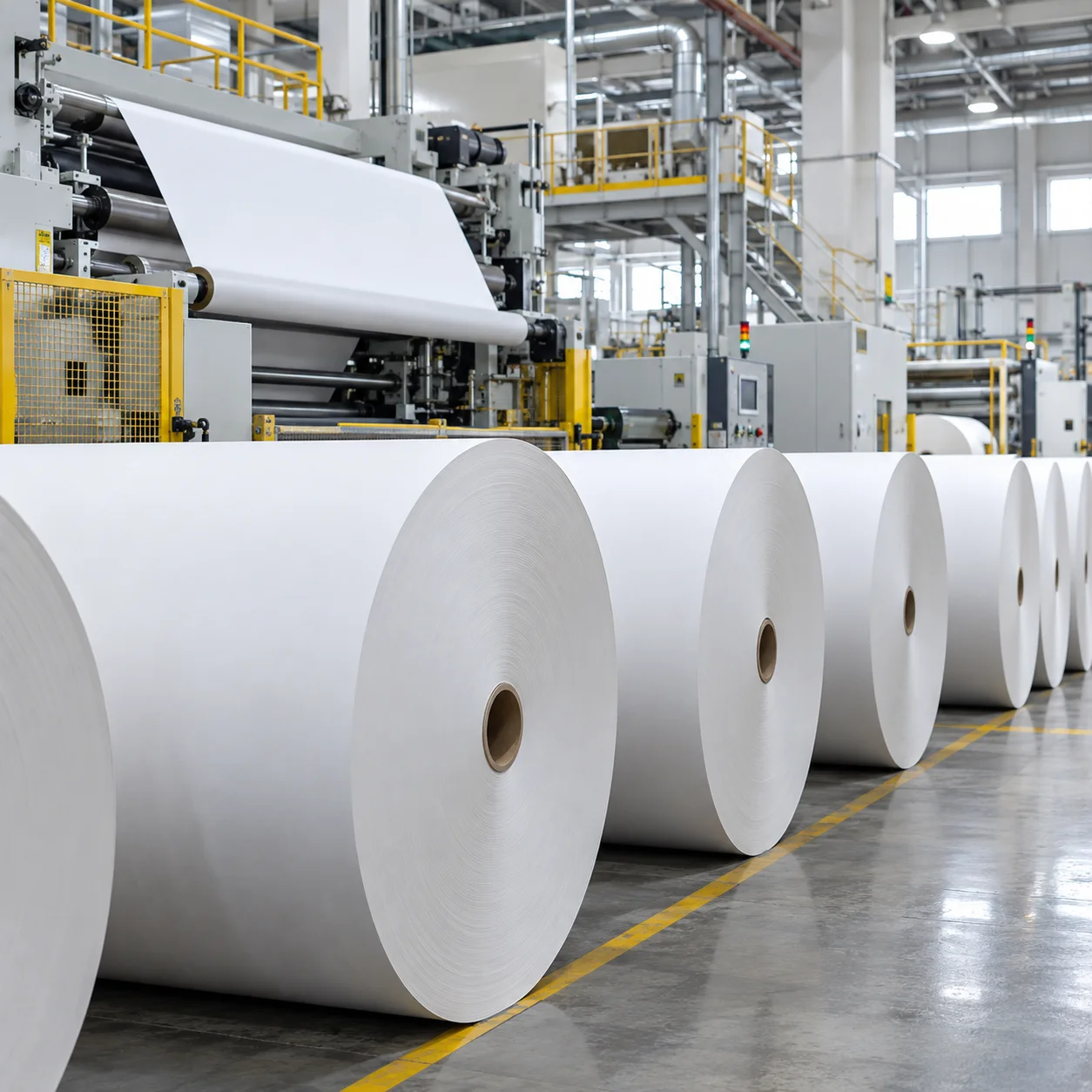
PVA is used in paper coating and surface treatment applications, providing film formation and binding functionality where controlled surface properties and processing performance are required.
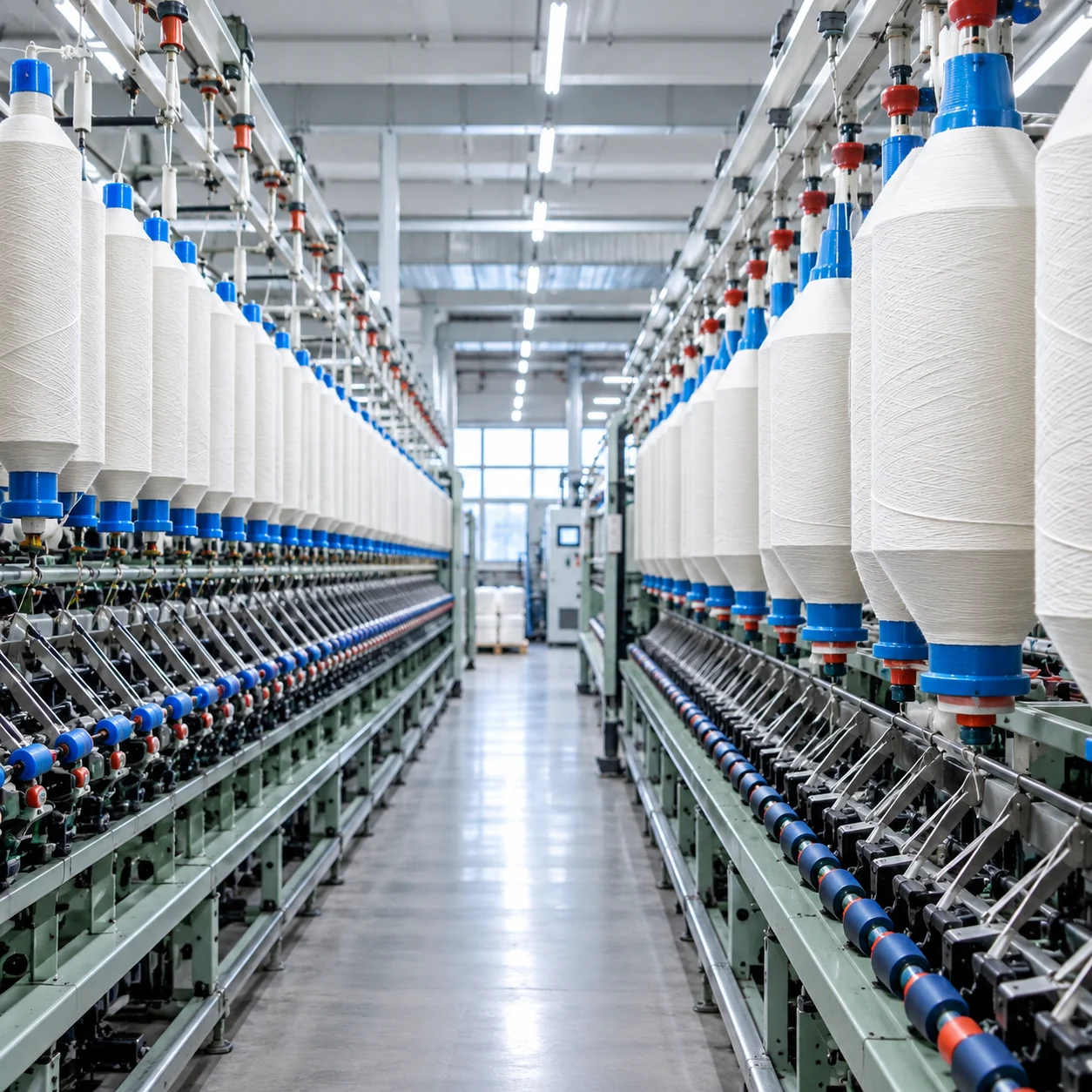
In textile sizing and processing, PVA provides film-forming and binding functionality while enabling controlled solution properties for selected fiber, yarn and fabric treatment processes.
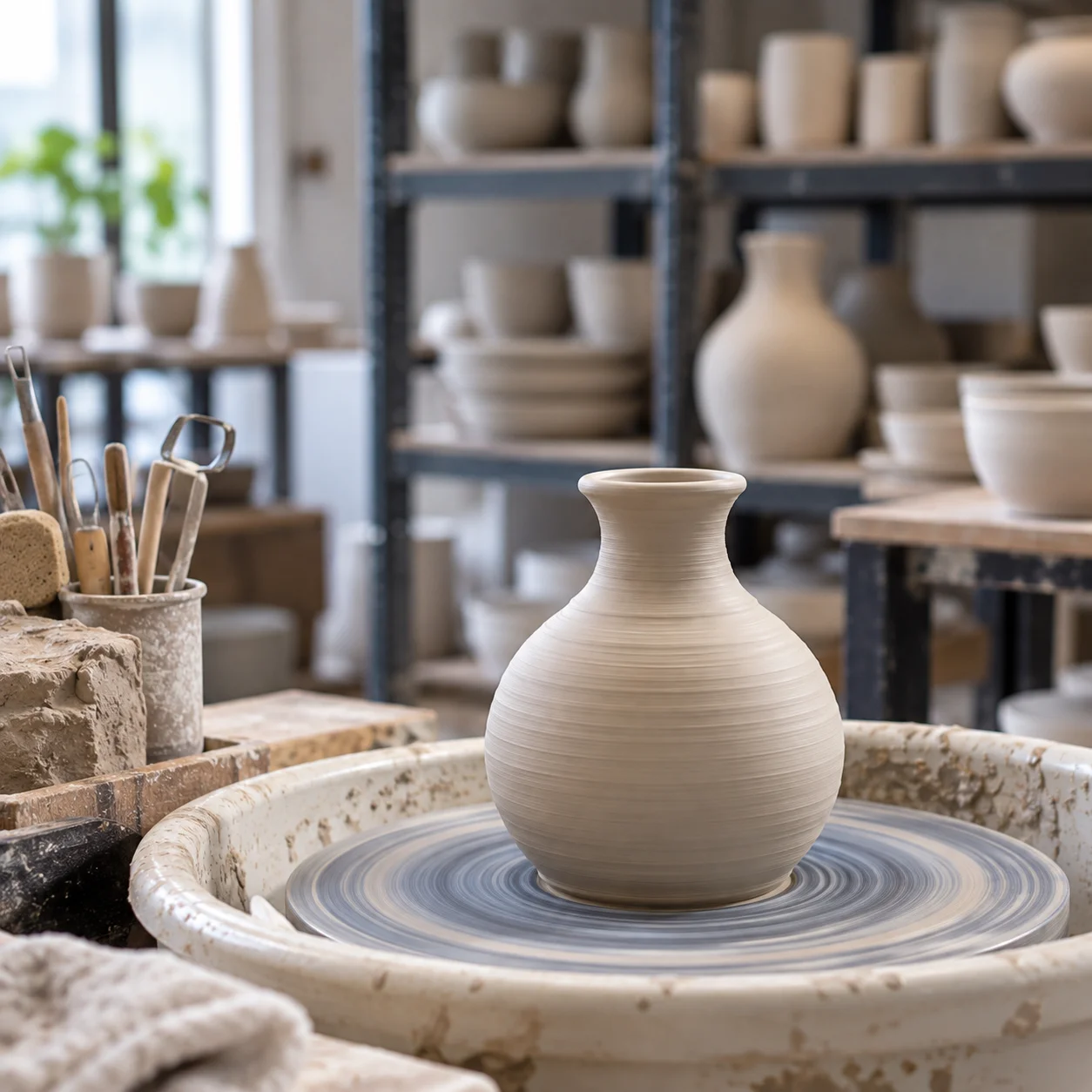
PVA can serve as a water-soluble ceramic binder, supporting particle binding, processing consistency and green strength in selected forming processes before subsequent drying and firing.
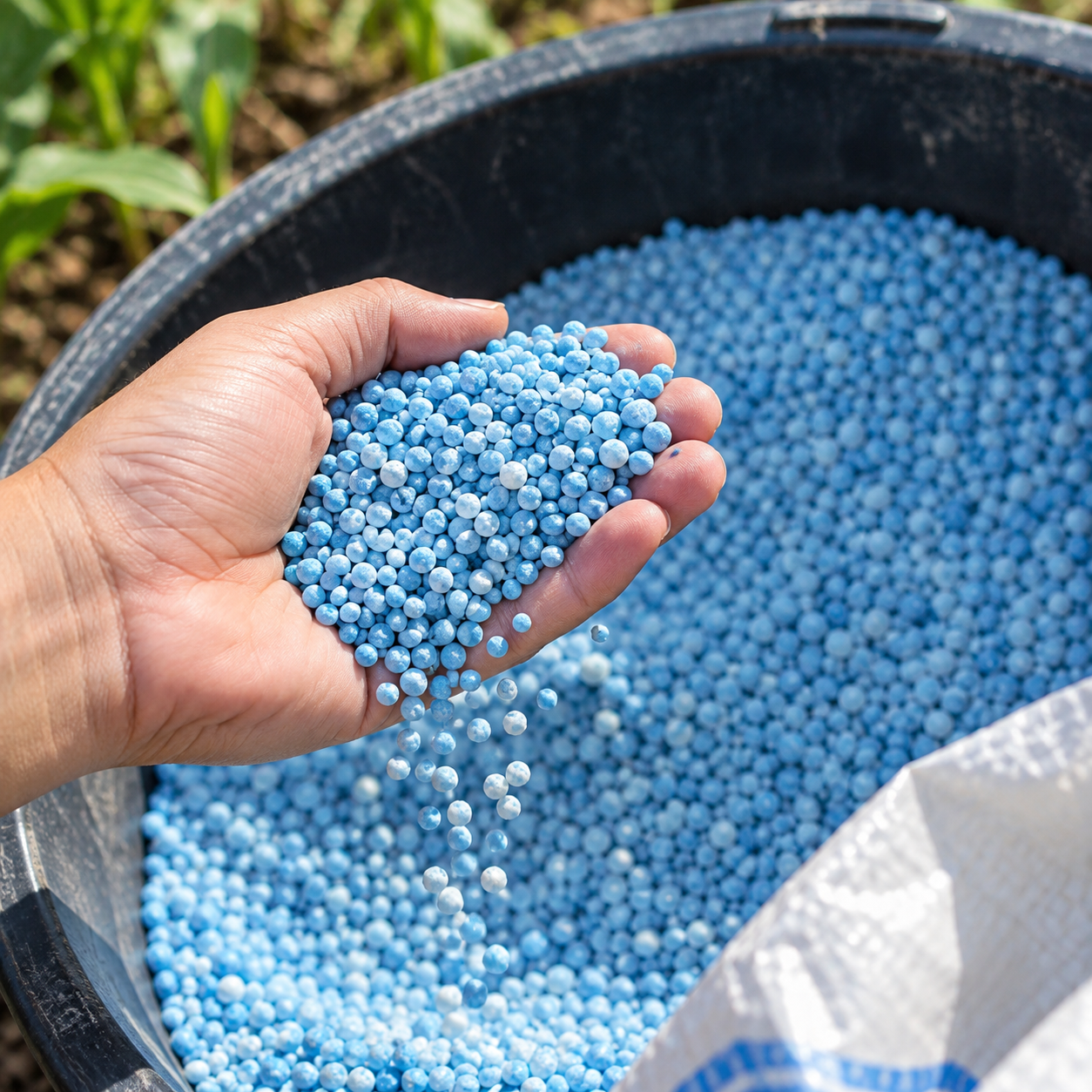
PVA can function as a water-soluble binder for fertilizer granules, supporting particle agglomeration, granule integrity and handling strength in appropriately designed fertilizer processing systems.
PVA can contribute polymeric interaction between formulation components and suitable substrates, supporting adhesion in properly designed construction, adhesive and industrial systems.
After dissolution and water removal, PVA can form a continuous polymer film that contributes to film integrity, cohesion and application-specific performance.
PVA acts as a polymeric binder between particles and formulation components, helping develop cohesive integrity in selected dry-mix, ceramic and industrial systems.
PVA molecular weight, grade and concentration influence solution viscosity and processing behavior, allowing formulators to adjust polymer contribution according to application requirements.
Selected PVA grades can function as protective colloids in polymerization and dispersion systems, supporting particle stabilization and controlled emulsion performance.
Different hydrolysis and viscosity ranges allow PVA performance to be adjusted according to dissolution behavior, processing conditions and required end-use properties.
Proper preparation is important for achieving a homogeneous PVA solution, consistent viscosity and reliable processing performance. The appropriate procedure depends on the selected PVA grade, hydrolysis degree, particle size, solution concentration and preparation equipment.
Water Charging → PVA Addition → Dispersion → Controlled Heating → Dissolution → Cooling
Charge clean water into the preparation vessel and establish suitable agitation before adding PVA.
Add PVA gradually under agitation to promote uniform wetting and minimize agglomeration.
Allow the PVA particles to disperse and wet sufficiently throughout the water before controlled heating.
Increase the temperature progressively under continued agitation according to the selected grade and target solution concentration.
Maintain appropriate heating and mixing until the PVA is completely dissolved and a homogeneous solution is obtained.
Cool the prepared solution to the required processing temperature while maintaining sufficient agitation for uniformity.
PVA grades with different hydrolysis degrees, viscosity ranges and particle characteristics can exhibit different wetting and dissolution behavior. A single preparation temperature or procedure should therefore not be applied universally across all PVA grades.
The preparation process should consider:
PVA Grade · Hydrolysis Degree · Particle Size · Solution Concentration · Water Temperature · Mixing Equipment
For grade-specific preparation conditions, refer to the applicable POLYVIA™ Technical Data Sheet or PVA Solution Preparation Guide.
Documentation for Product Evaluation & Application Development
Product specifications, typical properties and grade information.
Download ↓
Safety, handling, storage and transport information.
Download ↓
Batch-specific quality data for product verification and supply documentation.
Request COA ↓
Practical guidance for PVA grade selection, solution preparation and formulation evaluation.
Request Guide ↓Polyvinyl Alcohol (PVA or PVOH) is a water-soluble synthetic polymer valued for its binding, adhesion and film-forming properties. Different grades are used across construction materials, adhesives, paper, textiles, ceramics and other industrial formulations.
PVA 2488 is a widely recognized grade designation for partially hydrolyzed, relatively high-viscosity PVA. It is selected for applications requiring a practical balance of water solubility, solution viscosity, binding and film-forming performance. Final specifications should follow the applicable POLYVIA™ TDS.
In commonly used PVA grade nomenclature, “24” relates to the polymerization/viscosity class and “88” indicates an approximately 88 mol% hydrolysis class. Because grade naming and specification ranges can vary between manufacturers, selection should always be based on actual technical data rather than the grade number alone.
Yes. PVA grades in the approximately 88 mol% hydrolysis class are generally categorized as partially hydrolyzed PVA. This distinguishes them from highly or fully hydrolyzed grades, commonly associated with approximately 98–99+ mol% hydrolysis.
PVA can provide binding, cohesion, adhesion and film-forming functionality in selected construction formulations, including wall putty, tile adhesives and other dry-mix systems. Its contribution depends on the PVA grade, dosage and interaction with the complete formulation.
After dissolution and incorporation, PVA can distribute through the formulation and contribute to polymeric binding, interfacial adhesion and cohesive film formation. The resulting performance depends on substrate characteristics, PVA grade, dosage, formulation composition and processing conditions.
PVA and RDP are different polymer technologies. PVA is water-soluble, while RDP is designed to redisperse in water and subsequently form a polymer phase within the formulation. Their functions can overlap in areas such as binding and adhesion, but they should not be treated as direct substitutes.
Yes, PVA can be evaluated in selected tile adhesive and dry-mix mortar formulations where additional binding, cohesion or adhesion is required. Its suitability and dosage should be validated together with cementitious binders, fillers, cellulose ethers, RDP and other formulation components.
Start with Your Application — Then Select the Polymer Tell us your application, required viscosity, processing conditions and performance target. POLYVIA™ can support PVA grade selection and provide a practical starting point for laboratory evaluation.