ULTRA-HIGH MOLECULAR WEIGHT POLYETHYLENE FIBER

UHMWPE Fiber

Ultra-High-Strength Fiber for UHPC & High-Performance Concrete

POLYVIA™ UHMWPE Fiber is an Ultra-High Molecular Weight Polyethylene Fiber engineered for UHPC and high-performance cementitious systems requiring high tensile strength, lightweight reinforcement and effective crack bridging.

>3800 MPa Tensile Strength · >130 GPa Elastic Modulus · 0.95 g/cm³ Density · 12 / 18 / 24 / 30 mm Lengths

uhmwpe fiber ultra high tensile strength icon
Ultra-High Tensile Strength
uhmwpe fiber high elastic modulus icon
High Elastic Modulus
uhmwpe fiber lightweight reinforcement icon
Lightweight Reinforcement
uhmwpe fiber crack bridging performance icon
Crack-Bridging Performance

WHAT IS UHMWPE FIBER?

POLYVIA™ UHMWPE Fiber is a high-strength synthetic fiber made from Ultra-High Molecular Weight Polyethylene (UHMWPE). It combines exceptionally high tensile strength and modulus with very low density, providing a high strength-to-weight ratio for advanced fiber-reinforced material systems.

With tensile strength above 3800 MPa and elastic modulus above 130 GPa, the chopped fibers can be distributed throughout UHPC and compatible high-performance cementitious matrices to provide tensile reinforcement, crack bridging and post-cracking support.

Available in 12, 18, 24 and 30 mm lengths with 22 μm and 43 μm equivalent diameter specifications, the fiber can be selected according to matrix rheology, processing conditions and required reinforcement performance.

Material Ultra-High Molecular Weight Polyethylene (UHMWPE)
Product Form Chopped Fiber
Fiber Length 12 / 18 / 24 / 30 mm
Equivalent Diameter 22 μm / 43 μm
Tensile Strength >3800 MPa
Elastic Modulus >130 GPa
Density 0.95 g/cm³
Primary Application UHPC & High-Performance Cementitious Systems

SOLVE THE PERFORMANCE CHALLENGE

Address Key Reinforcement Challenges in UHPC

UHMWPE Fiber provides high-strength, lightweight reinforcement for UHPC and compatible high-performance cementitious systems where tensile stress, crack development and post-cracking performance are critical.

✓

Limited Tensile Capacity

Cementitious matrices are inherently weaker in tension, making localized tensile stress a critical factor in crack initiation and structural performance.

Recommended: High-Strength Reinforcement
✓

Crack Propagation

Once microcracks initiate, they can propagate and widen under continued loading, reducing stress-transfer capacity across the cracked matrix.

Recommended: Fiber Crack Bridging
✓

Limited Post-Crack Toughness

After cracking, insufficient fiber reinforcement can result in rapid loss of load-transfer capacity and reduced composite toughness.

Recommended: Toughness Enhancement
✓

Reinforcement Weight

High reinforcement requirements can add unnecessary mass where both mechanical performance and lightweight reinforcement are desired.

Recommended: High Strength-to-Weight

HOW UHMWPE FIBER WORKS

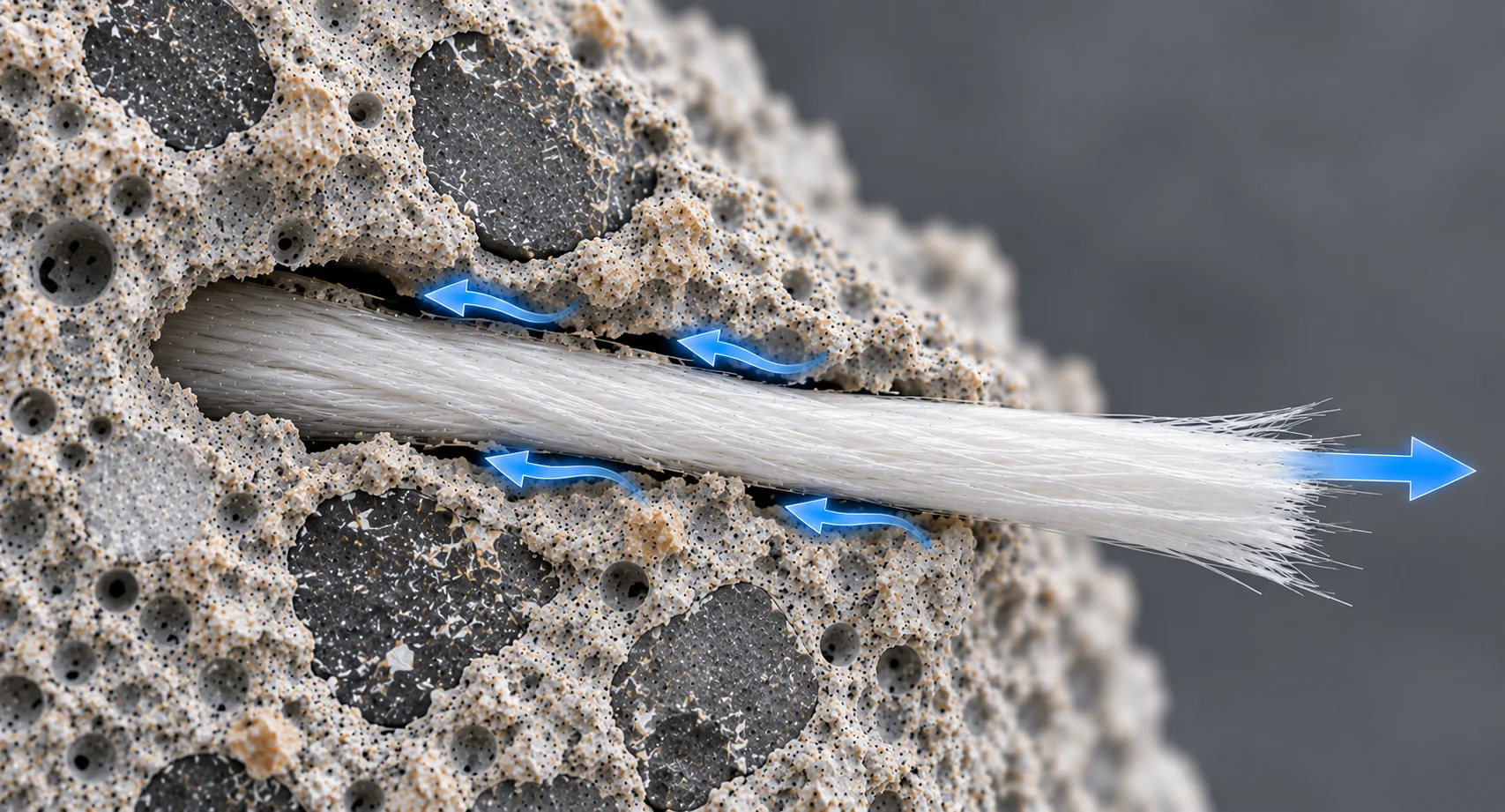
UHMWPE Fiber acts as distributed tensile reinforcement within UHPC and compatible high-performance cementitious matrices. Its reinforcement effect develops through fiber dispersion, fiber–matrix stress transfer, crack bridging and continued fiber engagement after cracking.

1.

Fiber Dispersion

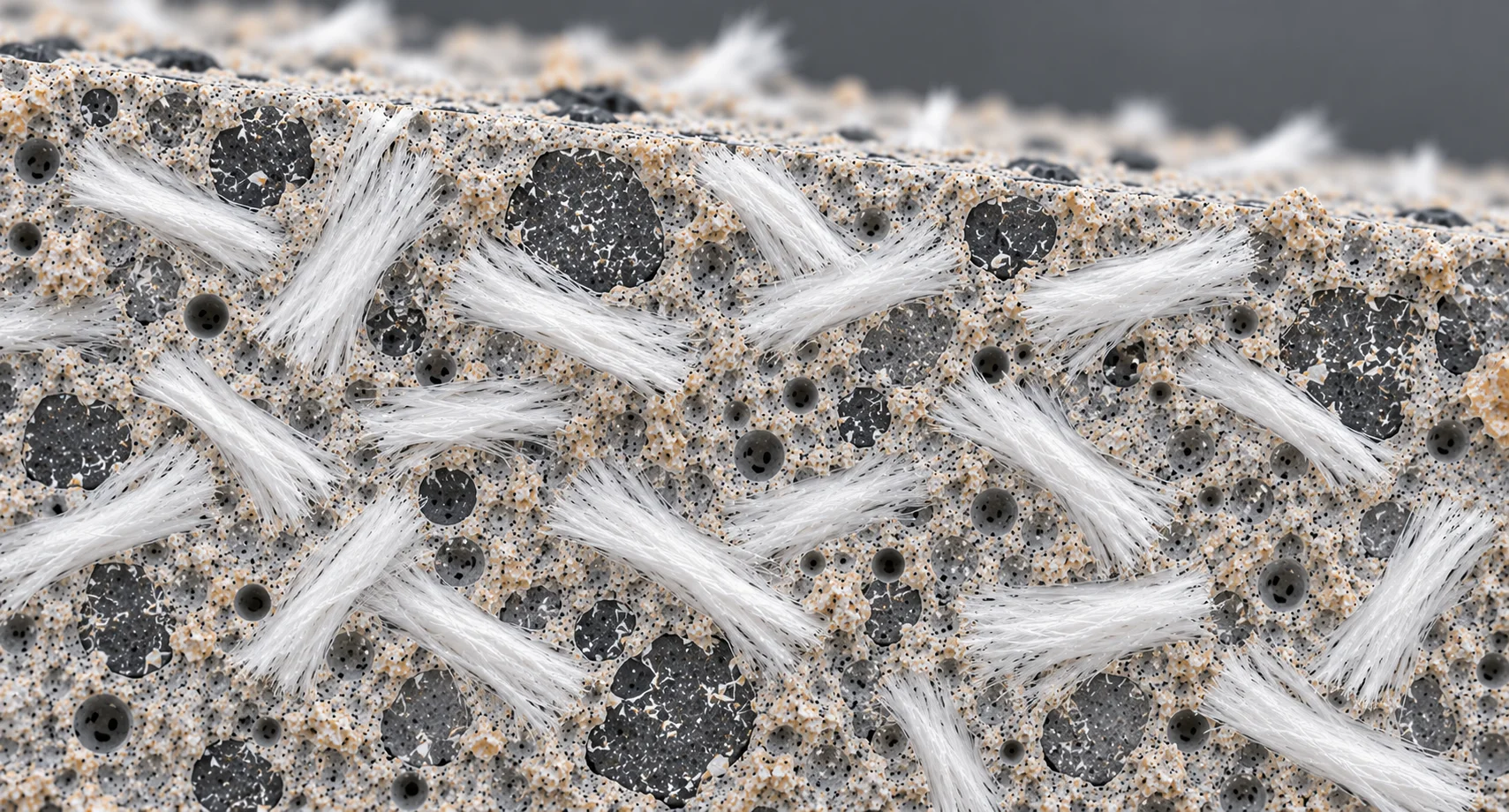
Chopped UHMWPE fibers disperse throughout the matrix in multiple orientations, forming distributed reinforcement that can intersect potential crack paths.

Fiber Dispersion
2.

Fiber–Matrix Stress Transfer

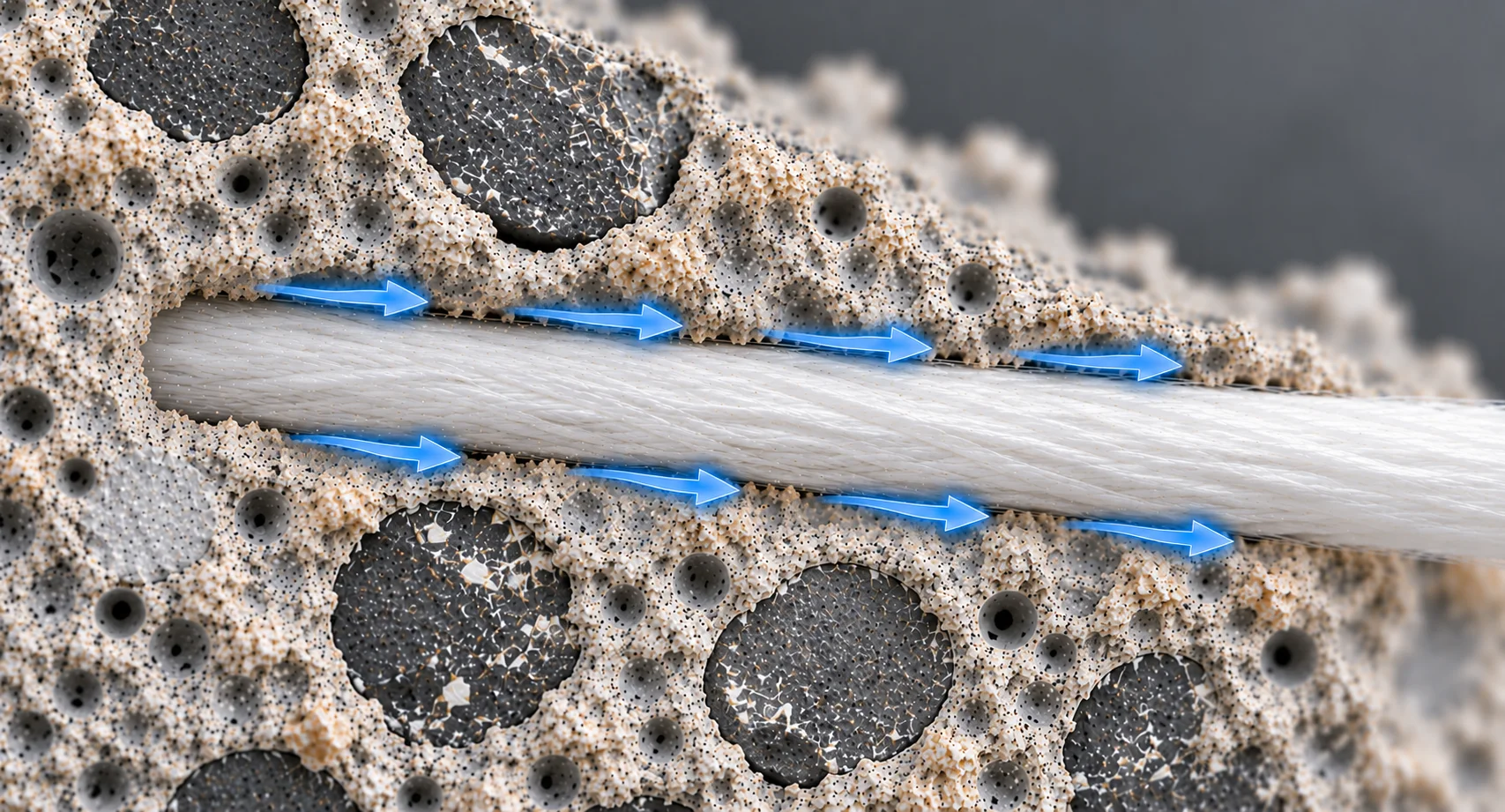
Stress transfers through the fiber–matrix interface, enabling embedded UHMWPE fibers to participate in tensile load transfer within the composite.

Fiber–Matrix Stress Transfer
3.

Crack Bridging

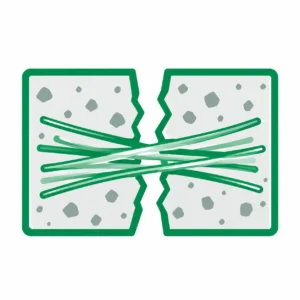
Fibers crossing developing cracks remain engaged with the matrix, helping transfer stress across cracks and restrict further crack opening.

Crack Bridging
4.

Post-Crack Energy Dissipation

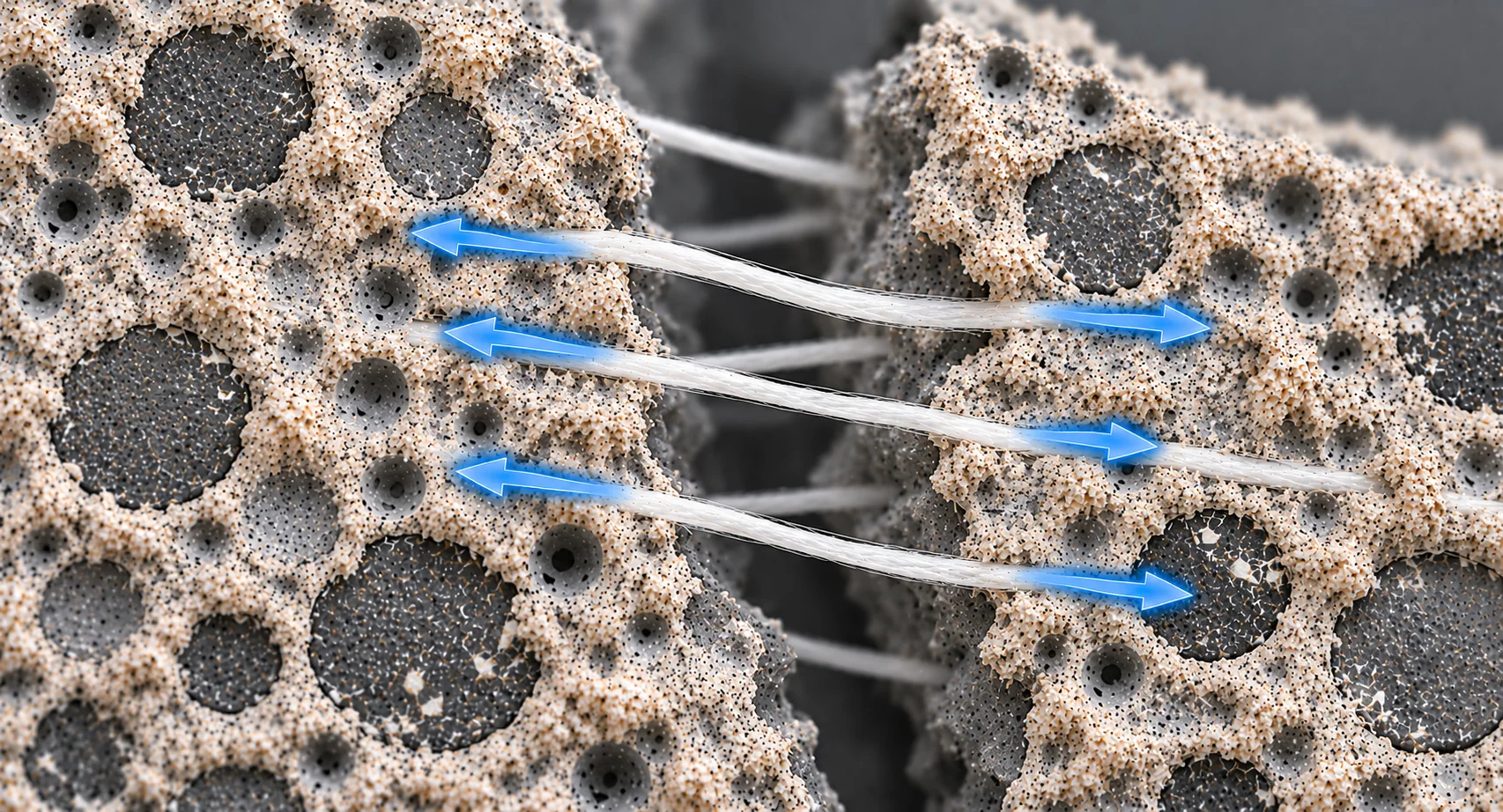
Bridging fibers undergo interfacial debonding, friction and pull-out, helping dissipate energy and support post-cracking toughness as cracks develop.

Post-Crack Energy Dissipation

KEY PERFORMANCE

Key Performance of UHMWPE Fiber

UHMWPE Fiber combines ultra-high tensile strength, high modulus and low density with chemical and moisture resistance, providing a distinctive property profile for advanced fiber-reinforced cementitious systems.

✓

Ultra-High Tensile Strength

With tensile strength above 3800 MPa, UHMWPE Fiber provides high-strength reinforcing capacity for demanding composite systems.

✓

High Elastic Modulus

An elastic modulus above 130 GPa enables the fiber to participate effectively in tensile load transfer within compatible high-performance matrices.

✓

Low Density

At only 0.95 g/cm³, UHMWPE Fiber combines very high tensile strength with low material density for lightweight reinforcement.

✓

Low Elongation

Elongation at break below 4% supports the high-strength, high-modulus mechanical characteristics of the fiber.

✓

Chemical Resistance

Specified acid and alkali resistance of ≥95% supports use where resistance to chemically demanding environments is an important material consideration.

✓

Non-Water-Absorbing

The fiber is specified as non-water-absorbing, minimizing direct moisture uptake by the reinforcement material during use and processing.

APPLICATIONS

DRY-MIX MORTAR APPLICATIONS

UHPC / UHPFRC

UHPC / UHPFRC

UHMWPE Fiber can be incorporated into Ultra-High-Performance Concrete (UHPC) and UHPFRC to provide distributed tensile reinforcement, crack bridging and support for post-cracking performance.

UHP-ECC

UHP-ECC

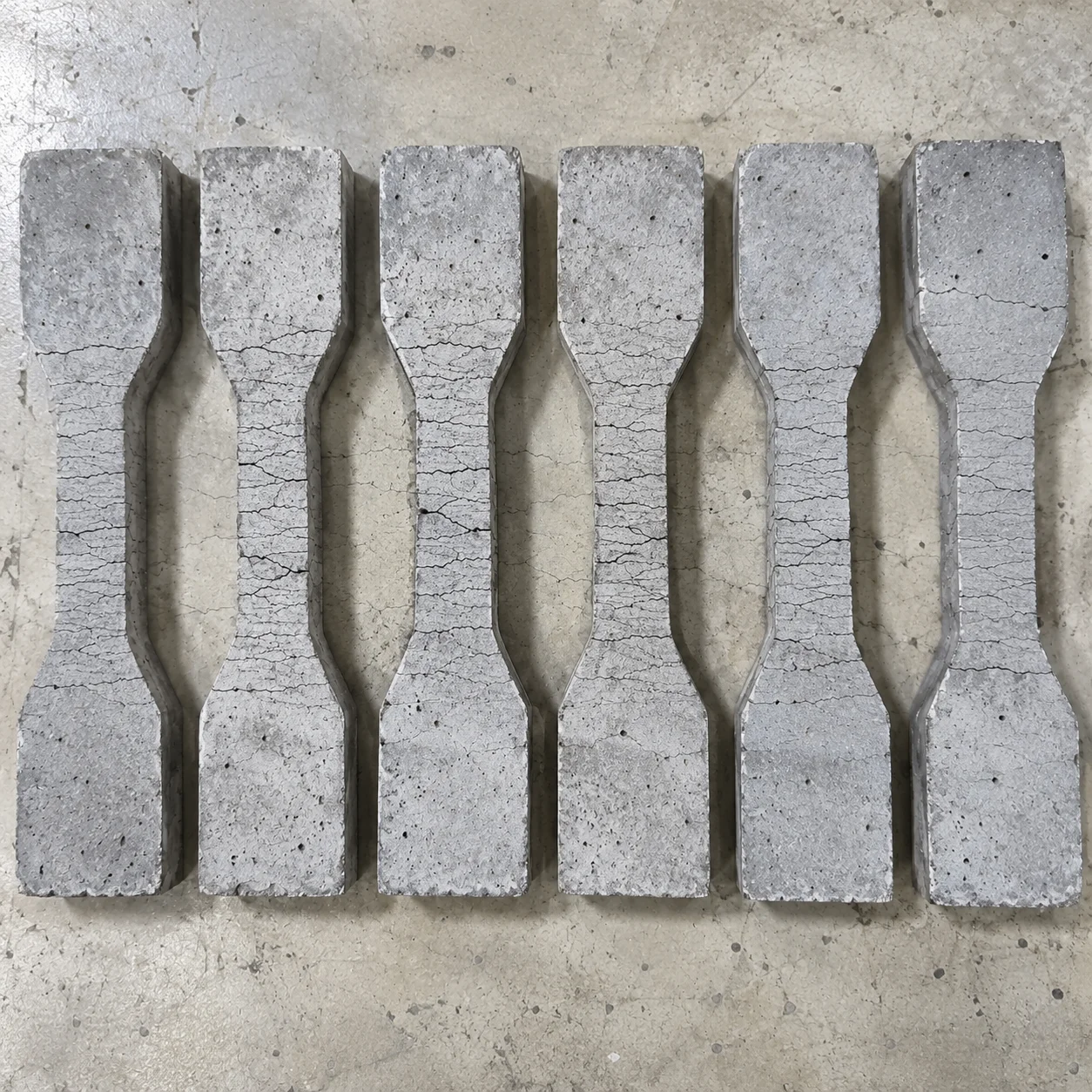
In Ultra-High-Performance Engineered Cementitious Composites (UHP-ECC), UHMWPE Fiber can contribute to fiber bridging, multiple-cracking behavior and tensile strain-hardening when properly matched with the cementitious matrix.

UHPC Precast Components

UHPC Precast Components

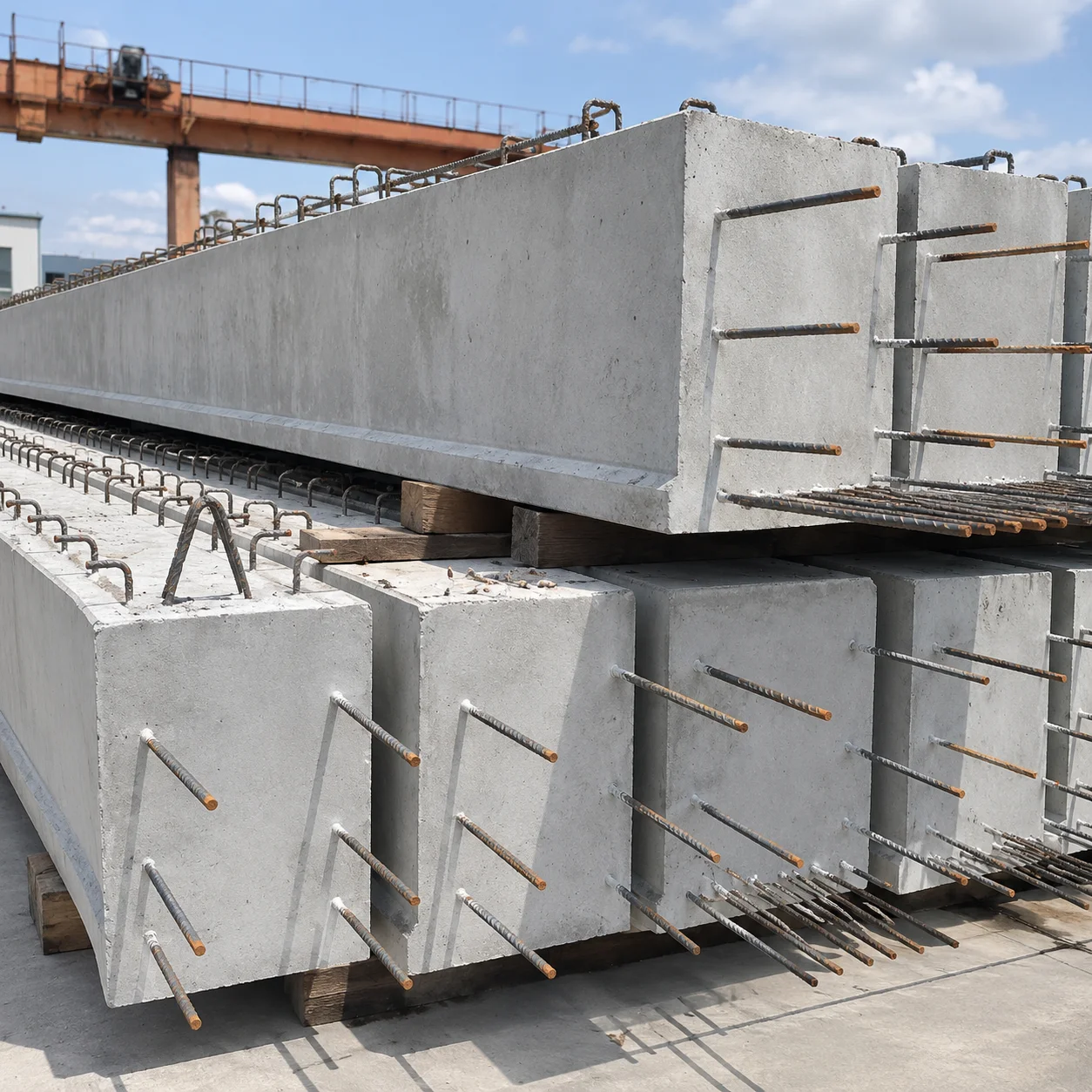
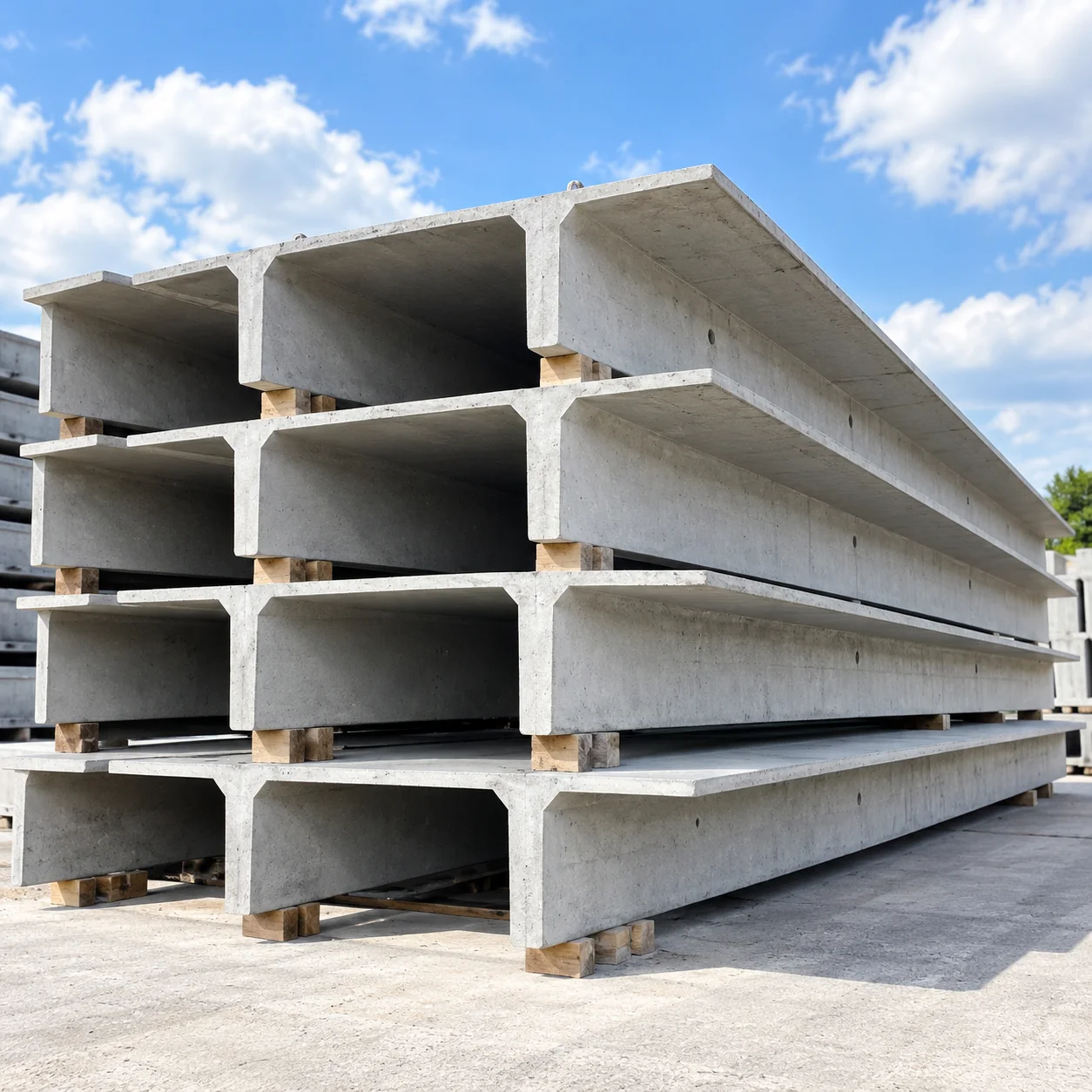
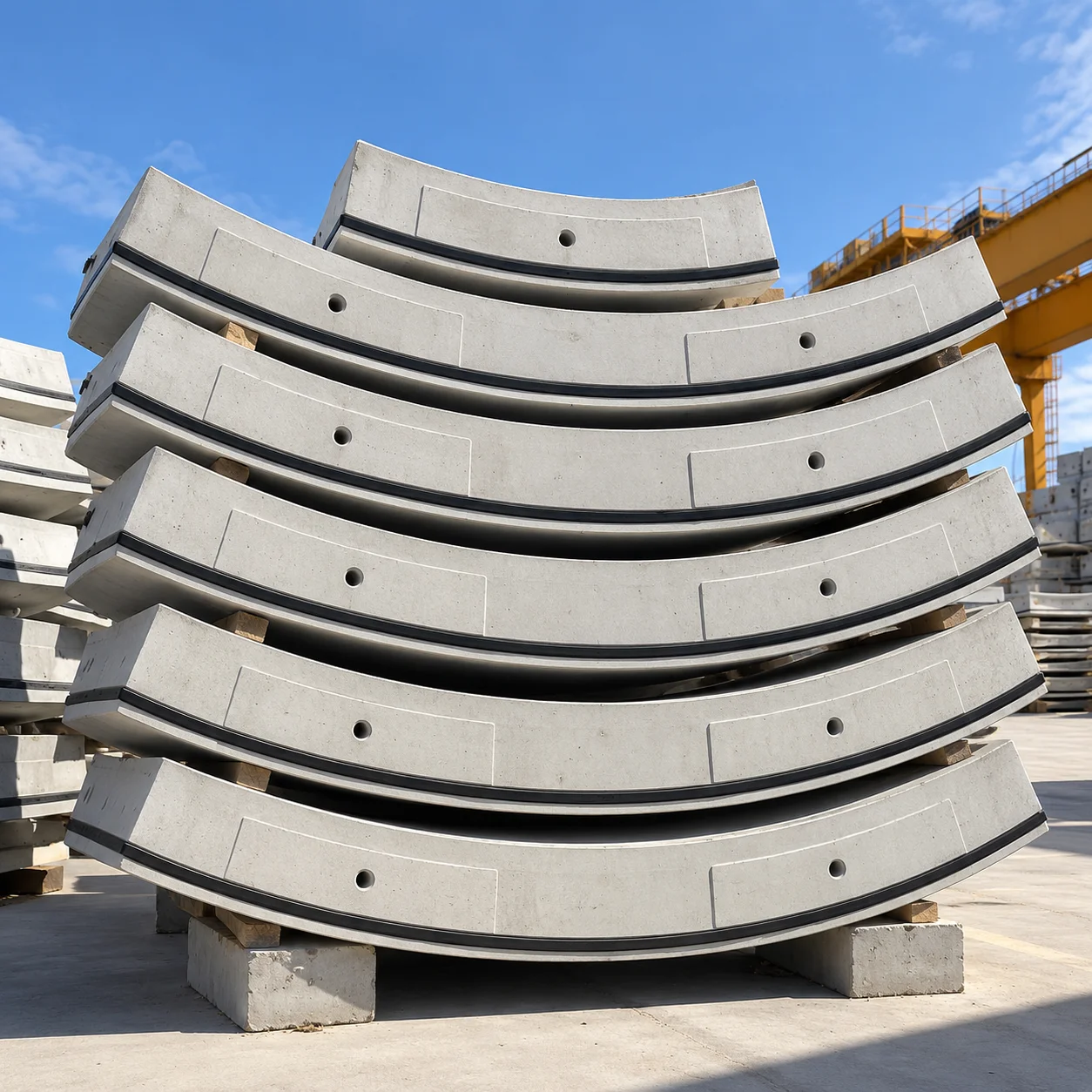
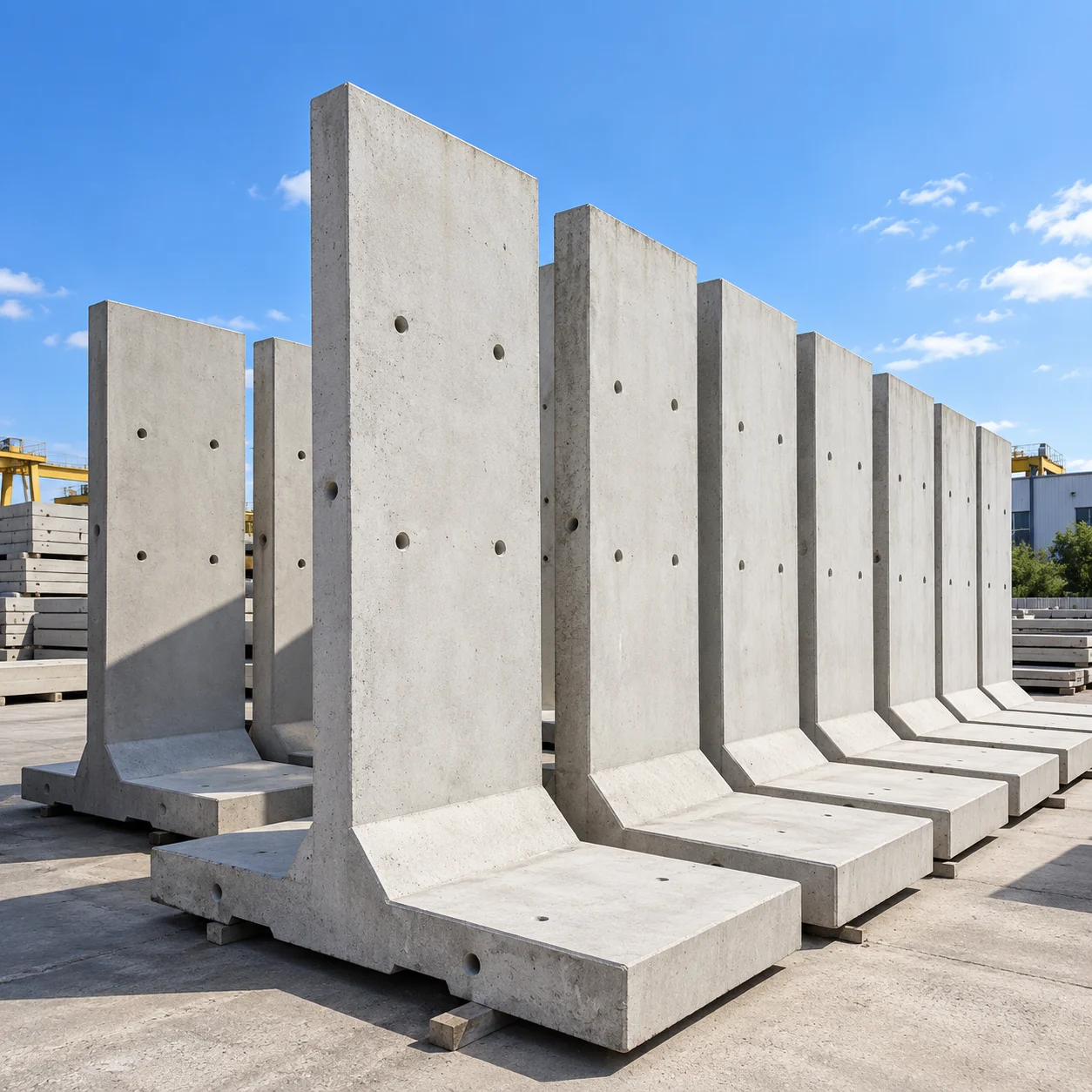
UHMWPE Fiber is suitable for precast UHPC elements requiring high-strength distributed reinforcement, crack bridging and controlled post-cracking behavior.

UHPC Bridge Components

UHPC Bridge Components

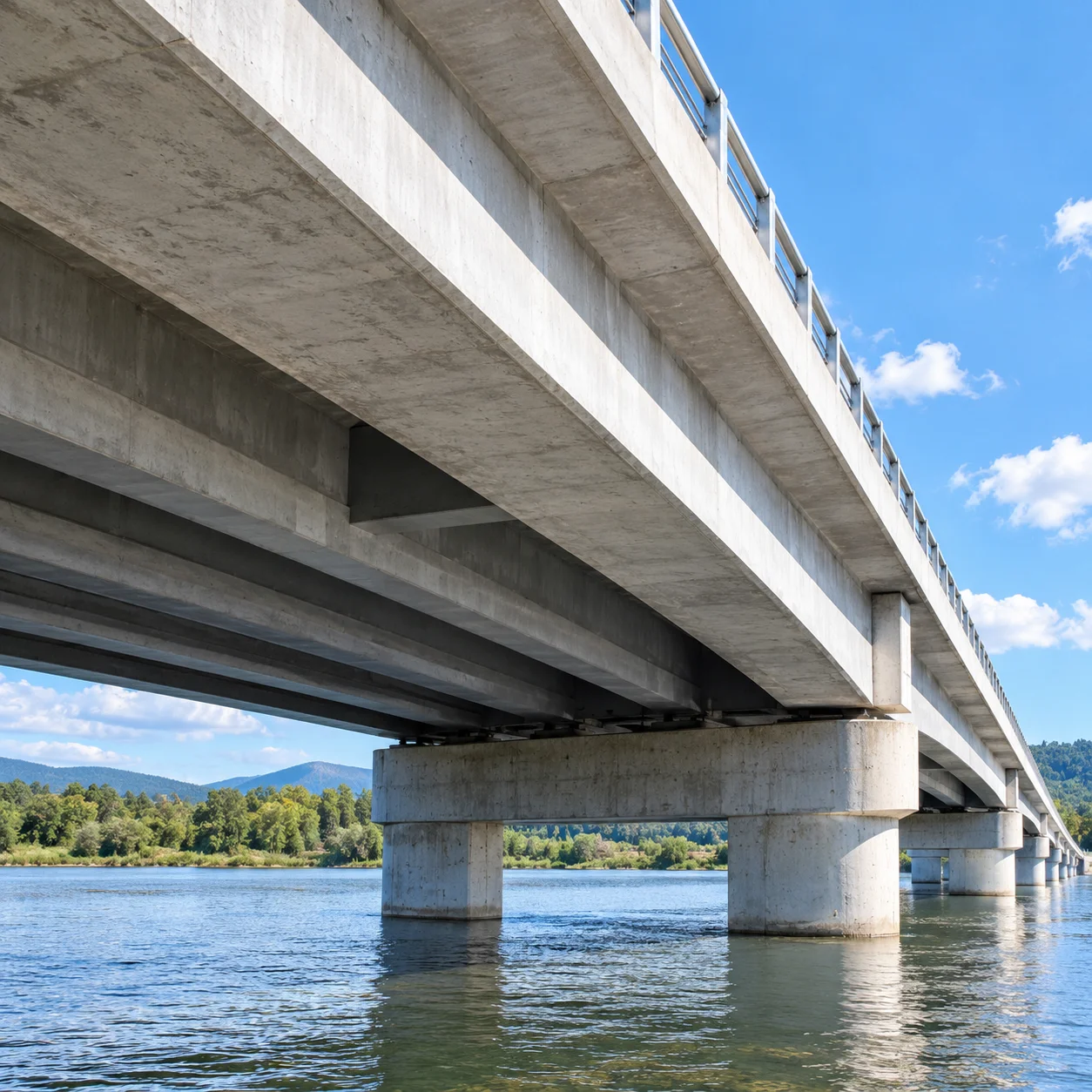
For UHPC bridge decks, joints, link slabs and precast bridge elements, UHMWPE Fiber can be evaluated where tensile performance, crack control and post-cracking integrity are important design considerations.

CONCRETE APPLICATIONS

Engineered Cementitious Composites

Engineered Cementitious Composites

UHMWPE Fiber can be used in Engineered Cementitious Composites (ECC) designed to develop multiple fine cracks and tensile strain-hardening through controlled fiber–matrix interaction.

Strain-Hardening Cementitious Composites

Strain-Hardening Cementitious Composites

In Strain-Hardening Cementitious Composites (SHCC), UHMWPE Fiber can provide crack bridging and continued tensile stress transfer after initial matrix cracking when the fiber–matrix system is properly engineered.

Thin-Wall & Complex UHPC Components

Thin-Wall & Complex UHPC Components

The combination of high tensile strength and low fiber density makes UHMWPE Fiber suitable for thin and geometrically complex UHPC components where distributed reinforcement and low fiber weight are advantageous.

Cementitious Repair & Strengthening

Cementitious Repair & Strengthening

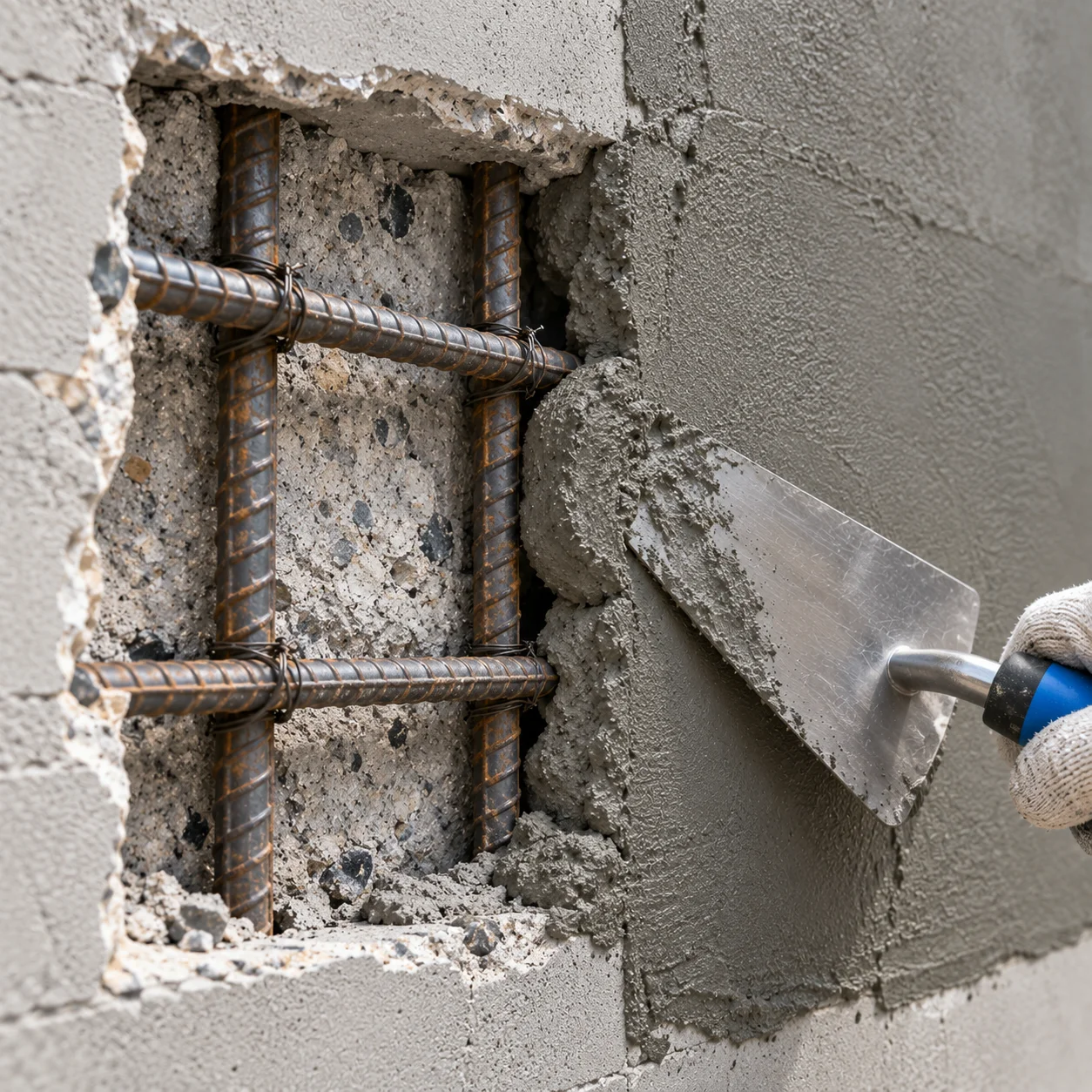
UHMWPE Fiber can be incorporated into high-performance cementitious repair and strengthening materials where crack bridging, tensile performance and post-cracking integrity are required.

SYSTEM COMPATIBILITY

FORMULATION & PROCESSING

Design UHMWPE Fiber as Part of the Complete Material System

Effective UHMWPE Fiber reinforcement depends on more than fiber strength alone. In UHPC and high-performance cementitious systems, matrix rheology, water-to-binder ratio (W/B), PCE compatibility, fiber dispersion and mixing conditions should be considered as an integrated system.

Matrix Rheology

The cementitious matrix should provide sufficient flowability and stability for effective fiber incorporation and dispersion. Excessive viscosity or insufficient flow can restrict fiber movement and increase the risk of uneven distribution.

PCE Superplasticizer Compatibility

In low-W/B UHPC systems, a compatible PCE superplasticizer can support binder dispersion and maintain required workability without excessive mixing water. PCE type and dosage should be optimized with the actual binder composition and fiber system.

Fiber Dispersion

Fiber length, equivalent diameter and dosage should be balanced with matrix rheology and mixing conditions to promote effective fiber dispersion and reduce the risk of fiber agglomeration or localized concentration.

Mixing & Processing

Mixing sequence, mixing time and equipment should be matched to the actual formulation. As fiber content increases, greater control of fiber addition, dispersion, workability and mixing consistency may be required.

FIBER COMPARISON

UHMWPE Fiber vs PVA Fiber

UHMWPE Fiber and PVA Fiber are both used in high-performance cementitious composites, but they differ significantly in mechanical properties, density and fiber–matrix interaction. Selection should be based on the required composite performance rather than tensile strength alone.

PropertyPOLYVIA™ UHMWPE FiberPOLYVIA™ PVA Fiber
MaterialUHMWPEPolyvinyl Alcohol (PVA)
Tensile Strength≥3800 MPa≥800 MPa
Elastic / Initial Modulus>130 GPa>14 GPa
Density0.95 g/cm³1.20–1.30 g/cm³
Fiber Length12 / 18 / 24 / 30 mm6–40 mm
Fiber Diameter22 / 43 μm12–18 μm
Elongation at Break<4%<12%
Alkali Resistance≥95%≥95%
Fiber–Matrix CharacterLow-polarity PE surface; interface must be considered in system designHydrophilic PVA surface with strong affinity for cementitious matrices
Selection FocusVery high strength · High modulus · Low densityCrack control · Fiber–matrix interaction · Engineered ductility

Different Fibers for Different Material Systems

UHMWPE Fiber is particularly suited to systems requiring very high fiber strength, high modulus and low reinforcement density, including UHPC and advanced high-performance cementitious composites.

PVA Fiber is widely suited to cementitious systems where fiber–matrix interaction, crack control and engineered tensile behavior are important design considerations.

Neither fiber is universally superior. Final selection should consider the matrix formulation, required tensile behavior, fiber–matrix interface, dosage, rheology, dispersion and processing conditions.

PACKAGING & STORAGE

UHMWPE Fiber Packaging & Storage

POLYVIA™ UHMWPE Fiber is supplied in 1–2 kg inner plastic bags, packed in 20–25 kg woven bags or cartons, with approximately 500 kg per pallet.

Customized packaging is available upon request.

Store in the original sealed packaging in a dry, clean environment, protected from heat, contamination and package damage. Reseal opened packages before storage.

KEEP DRY · KEEP SEALED · PROTECT FROM CONTAMINATION

DOCUMENTS DOWNLOAD

Technical Data Sheet TDS download icon for POLYVIA products

Technical Data Sheet (TDS)

Product specifications and technical data.

Download ↓
MSDS safety data sheet download icon for POLYVIA products

Safety Data Sheet (SDS)

Safety, handling and storage information.

Download ↓
Certificate of Analysis COA request icon for POLYVIA products

Certificate of Analysis (COA)

Batch-specific quality and inspection data.

Request COA ↓
Application Guide download icon for POLYVIA products

Application Guide

Guidance for fiber selection, dosage, mixing and dispersion.

Download ↓

FREQUENTLY ASKED QUESTIONS

What are the tensile strength, modulus and density of UHMWPE Fiber? +

POLYVIA™ UHMWPE Fiber has a tensile strength of >3800 MPa, elastic modulus of >130 GPa and density of 0.95 g/cm³. This combination of high tensile performance and low density makes the fiber suitable for high-performance cementitious composites where crack bridging and tensile reinforcement are required.

What UHMWPE Fiber length and diameter should I choose? +

Available fiber lengths include 12, 18, 24 and 30 mm, with equivalent diameters of 22 μm and 43 μm.

The appropriate specification depends on the matrix rheology, fiber dosage, mixing conditions, dispersion requirements and target composite performance. Longer or finer fibers should not automatically be considered better; fiber geometry should be evaluated as part of the complete formulation.

What is the recommended dosage of UHMWPE Fiber in concrete? +

A practical starting dosage is 1–2 kg/m³. For specially engineered high-performance systems, the dosage may reach up to 15 kg/m³.

The optimum dosage should be determined through trial mixing because increasing fiber content can significantly affect flowability, viscosity, dispersion and processing.

How can UHMWPE Fiber be dispersed uniformly in UHPC? +

Uniform dispersion depends on the fiber geometry, dosage, matrix rheology, mixing sequence, mixing time and equipment.

A practical mixing sequence is:

Aggregate → UHMWPE Fiber → Cement → Water → Mixing → Final Water Adjustment

The fiber should be introduced and mixed sufficiently to minimize fiber concentration, balling or uneven distribution. Higher fiber contents generally require greater control of matrix rheology and mixing conditions.

How does UHMWPE Fiber affect UHPC flowability and workability? +

UHMWPE Fiber increases the amount of solid reinforcement distributed throughout the matrix and can therefore influence flowability, viscosity and mixing behavior, particularly at higher fiber contents.

The UHPC matrix should provide sufficient flowability for fiber incorporation while maintaining adequate stability. The water-to-binder ratio, PCE superplasticizer, binder system and fiber dosage should therefore be optimized together.

How does UHMWPE Fiber interact with the cementitious matrix? +

UHMWPE Fiber can bridge developing cracks and continue transferring tensile stress across the cracked matrix. However, composite performance depends not only on fiber tensile strength but also on the fiber–matrix interface, fiber geometry, dispersion and matrix properties.

For ECC, SHCC and other strain-hardening systems, the fiber–matrix interaction should be specifically engineered to achieve the required cracking and tensile behavior.

Can UHMWPE Fiber replace steel, PVA or PP Fiber? +

Not on a direct one-to-one basis.

UHMWPE, Steel fiber, PVA Fiber and PP fibers differ in density, tensile properties, stiffness, surface characteristics and fiber–matrix interaction. They can therefore produce different reinforcement mechanisms and composite behavior.

Fiber selection or substitution should be based on the required crack control, tensile behavior, toughness, workability and structural performance of the complete system.

What should I evaluate before selecting a UHMWPE Fiber supplier? +

For technical and commercial qualification, buyers should evaluate more than nominal tensile strength. Important factors include:

Fiber Length & Diameter → Tensile Properties → Surface Characteristics → Dispersion → Batch Consistency → Technical Documentation

For cementitious applications, it is also important to evaluate whether the supplier can provide TDS, COA, representative test data, application guidance and consistent specifications between production batches.

Need Help Selecting the Right UHMWPE Fiber?

Tell us your application, mix design and performance requirements. Our technical team can help you evaluate the suitable fiber length, diameter and starting dosage for your formulation. We can also provide guidance on fiber dispersion, matrix compatibility and trial mixing to support your formulation development.